PORT OF JAPAN
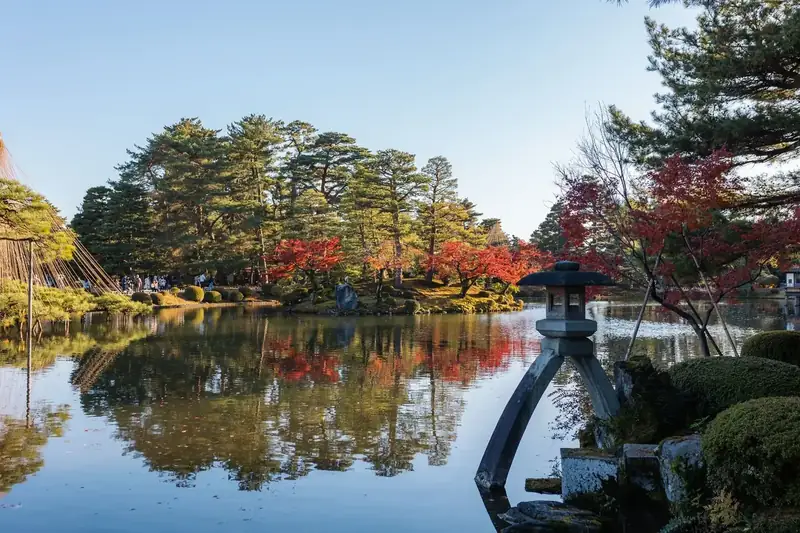
Yukitsuri ropes over the pines of Kenroku-en garden, Kanazawa

Home / Ports / Kanazawa / Culture

Culture & history · Kanazawa

Why Kanazawa is Kanazawa

The things that happened here and only here, told properly, then tied to what you can see, taste and book while your ship waits.

Photo: Adobe Stock / Licensed

Checked against official sources · updated · Takumi Yamada

What Kanazawa is

Kanazawa in 5 stories

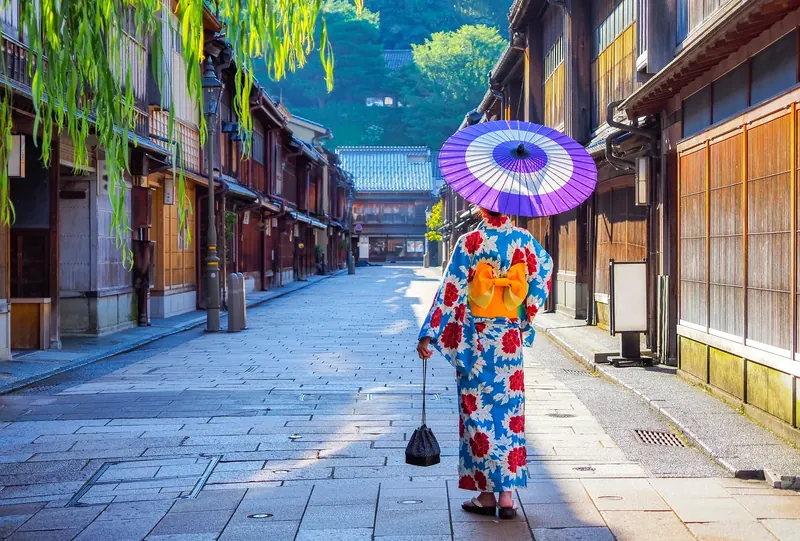
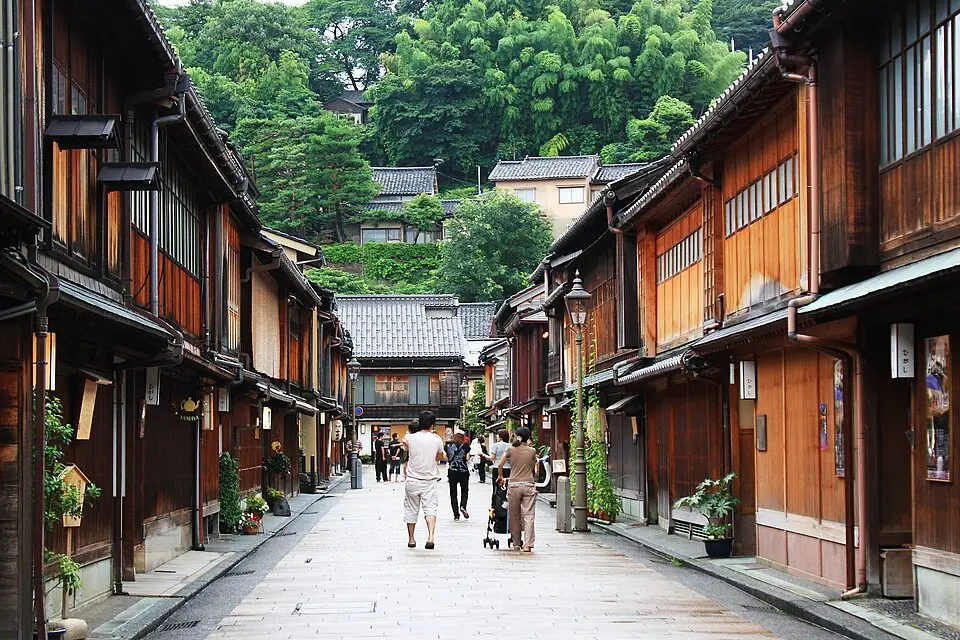
Kanazawa is the Japan Sea's intact castle town, built by the Maeda lords, who ran Japan's richest domain and spent its money on art instead of armies. It is known for Kenroku-en, one of Japan's three great gardens, for the teahouse lanes of Higashi Chaya, and for gold leaf, nearly all of Japan's beaten here. Garden, teahouses and Omicho market lie within about a kilometre of each other, 7–8 km from where your ship docks.

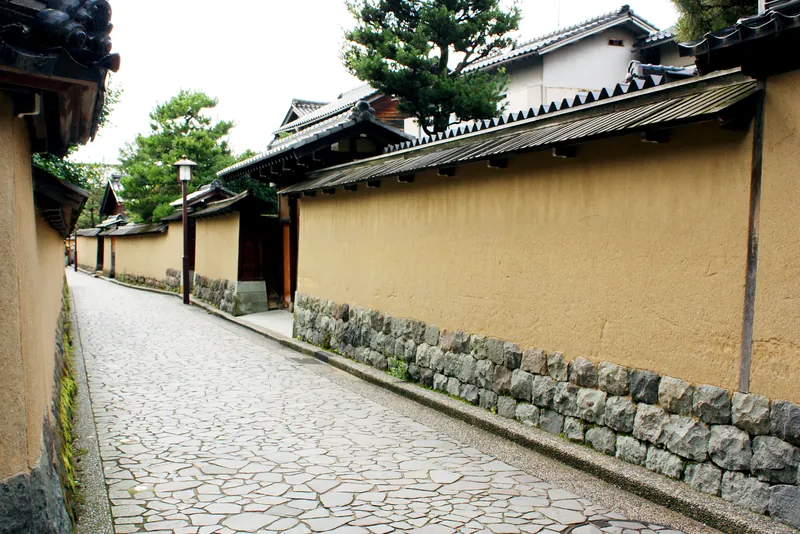
Earthen walls along a lane in the Nagamachi samurai district, Kanazawa
01 · The history

A million koku

Kaga was the wealthiest domain in Japan after the shogun's own lands — a million koku of rice a year. Being that rich and that far from Edo was dangerous, so the Maeda lords deliberately spent the money on art instead of armies. That decision is the reason this city looks the way it does.

Read the story
A sheet of Kanazawa gold leaf being laid by hand
02 · The craft

Gold leaf

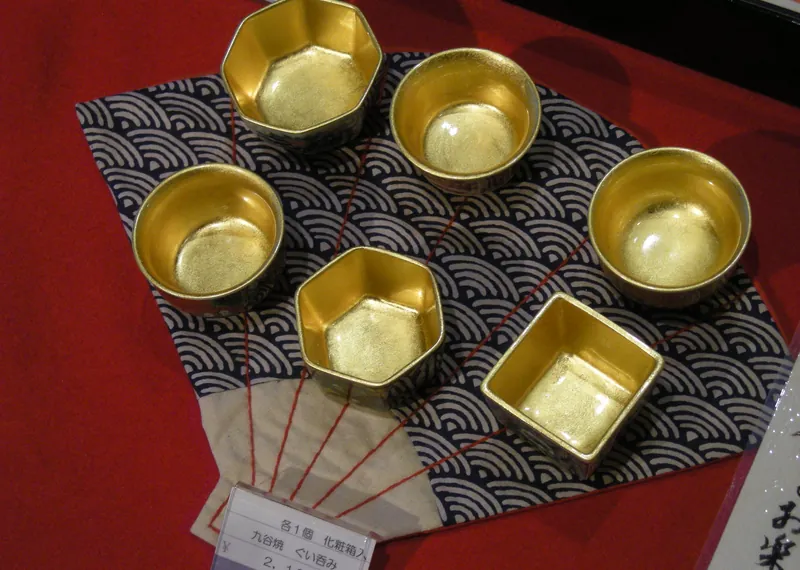
A sheet of Kanazawa gold leaf is around one ten-thousandth of a millimetre thick — thin enough that light passes through it green. Essentially all of Japan's production happens here, and the reason is the weather.

Read the story
Kenrokuen garden in autumn colour, Kanazawa
03 · The garden

Kenroku-en

The name means "the garden of six combined qualities" — and the six are paired opposites that classical Chinese theory said could not exist together. Spaciousness and seclusion. Artifice and antiquity. Water and panorama. The claim is that this garden has all six.

Read the story
Kaga yuzen silk dyeing in Kanazawa
04 · The workshops

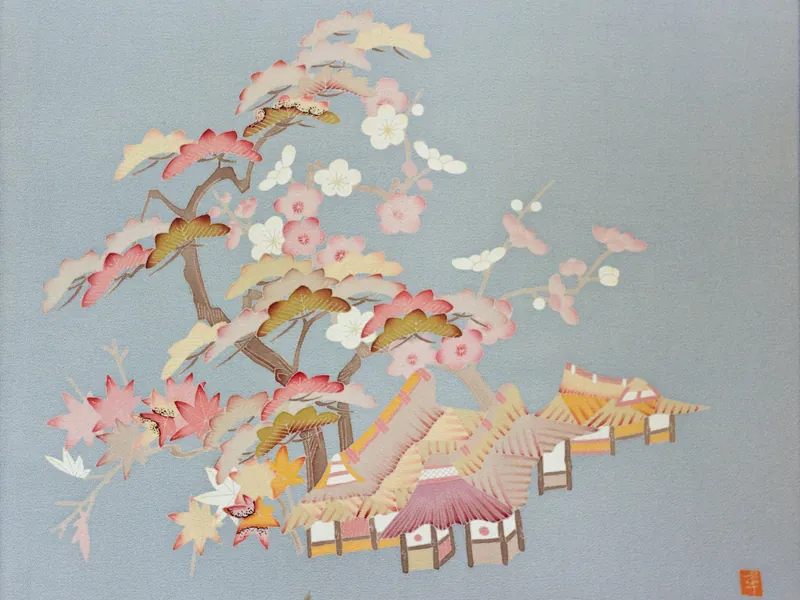
Kaga yuzen and Kutani

Kyoto's yuzen dyeing is bright, gold-touched and stylised. Kanazawa's is dark, realistic, and deliberately includes a hole eaten in a leaf. That difference is a two-hundred-year argument about what beauty means, and it is still going.

Read the story
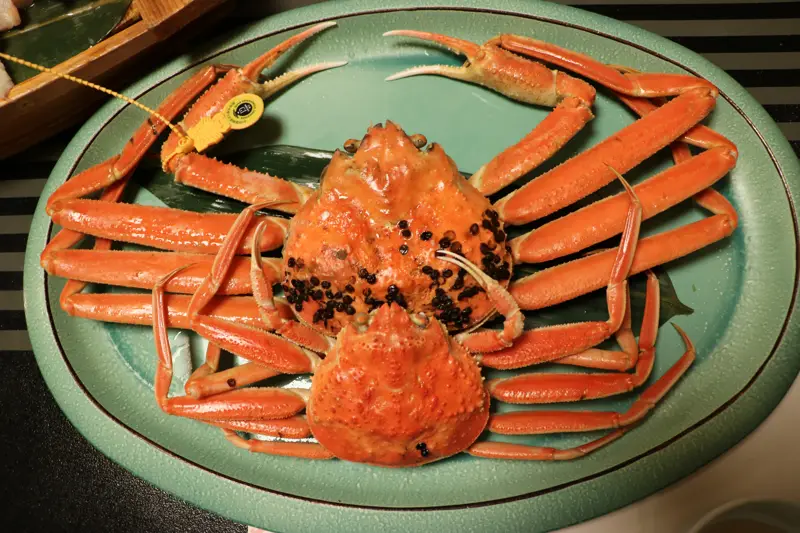
Boiled snow crab, male and female
05 · The table

The Kanazawa table

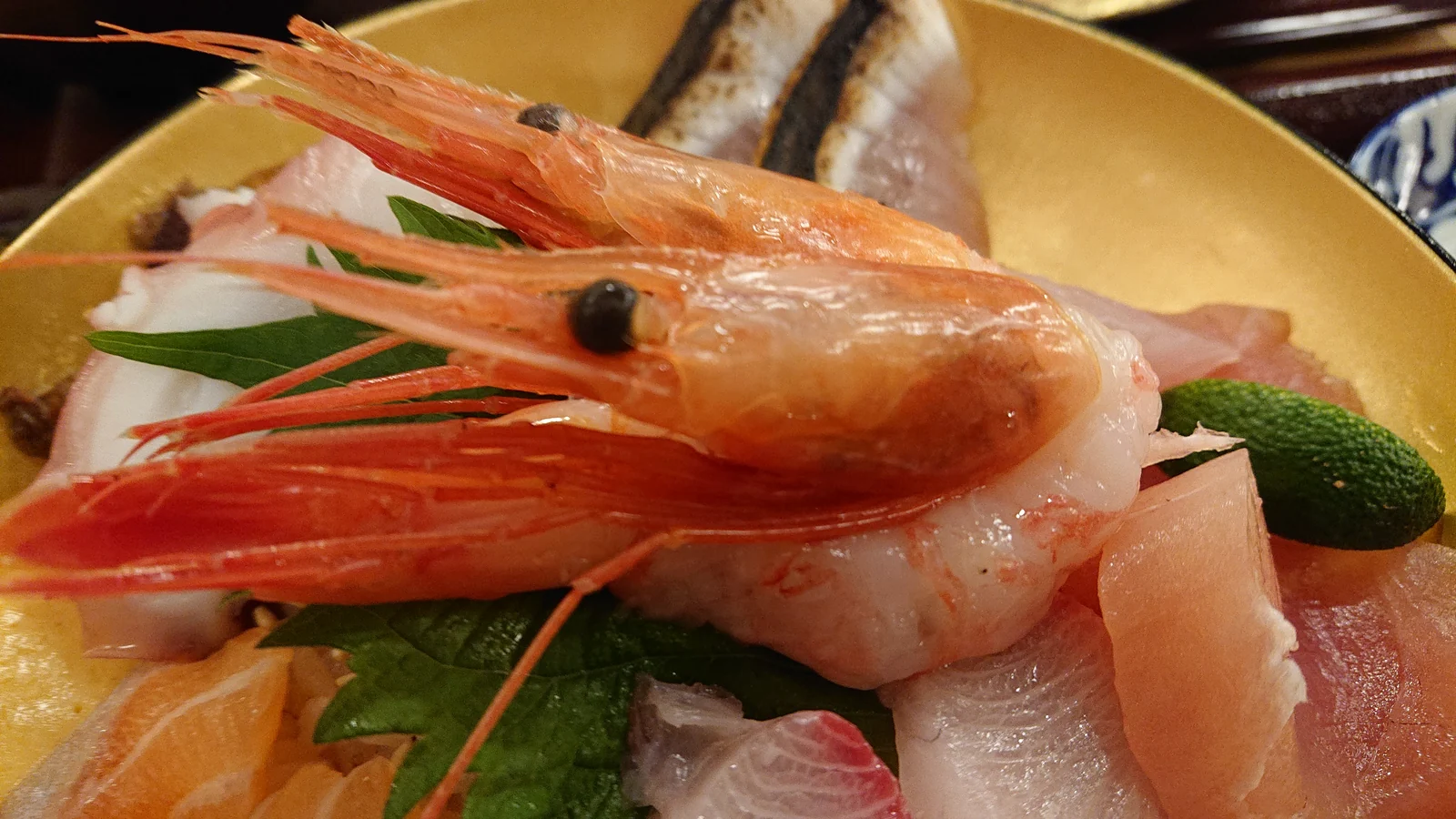
The Sea of Japan in winter is cold, rough and shallow over a wide shelf — which is a bad combination for fishermen and an excellent one for fish. Kanazawa eats the result, and it eats it with a soy sauce brewed in a district ten minutes from where your ship ties up.

Read the story
The year in Kanazawa

When to come, and what you'll find

Cruise seasons run spring to autumn, but the port changes underneath them.

MarchWinter lets go

Yukitsuri comes down in mid-March. Cold, grey, and very few people.

AprilCherry blossom at the castle

Kenroku-en and the castle park together, with evening illumination.

MayThe best walking month

Dry, mild, and the samurai and geisha districts at their most pleasant.

JuneRainy season, and irises

The garden is at its greenest and emptiest. Bring the umbrella they warn you about.

JulyHumid, and the sea opens

Hot by Sea of Japan standards. Nodoguro season is good.

AugustPeak heat and festivals

Hyakumangoku Matsuri is in June, but summer events run all month.

SeptemberTyphoon watch, then clarity

Late September turns comfortable and the light improves sharply.

OctoberThe other best month

Clear, mild, and before the grey sets in. Cruise calls concentrate here.

NovemberCrab season opens; yukitsuri goes up

From 1 November: rope cones over the pines, and zuwai-gani on every menu.

Dec–FebGrey, wet, and superb for crab

The weather that makes gold leaf possible. Few ships, and the best food of the year.

Read the culture, then plan the clock: the Kanazawa day plans and the Top 10 turn all of this into a day that ends at the gangway with an hour to spare.