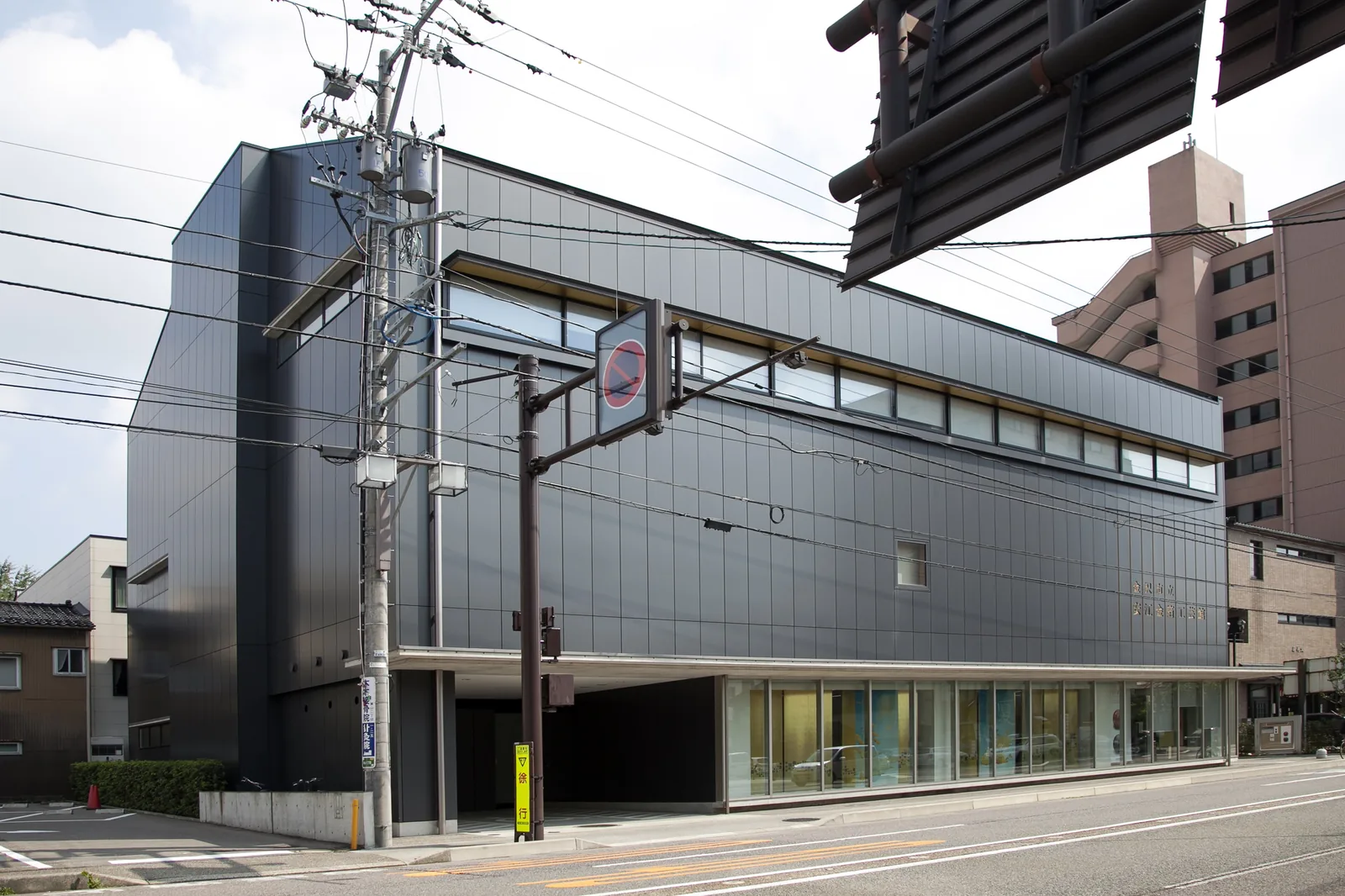
Ninety-nine percent of Japan's gold leaf is beaten in this one city
A sheet of Kanazawa gold leaf is around one ten-thousandth of a millimetre thick — thin enough that light passes through it green. Essentially all of Japan's production happens here, and the reason is the weather.
The city's name means "golden marsh." Gold beating was established here under the Maeda lords, and after a period when the shogunate restricted production outside Edo and Kyoto, Kanazawa ended up with the entire industry. Today the city produces something on the order of 99% of Japan's gold leaf.
Gold leaf is beaten between sheets of specially treated paper. That paper has to hold a precise moisture content, and dry air ruins it. Kanazawa sits on the Sea of Japan coast under grey, humid skies for much of the year — the same weather that makes the winters miserable makes the paper behave.
There is a local saying that you should not forget your umbrella even if you forget your lunch. The gold industry is what that weather bought.
One gram of gold beats out to about a square metre of leaf. It is applied with a bamboo tool and static electricity, because a breath will destroy it and a fingertip certainly will.
Kanazawa leaf is on the Golden Pavilion in Kyoto, on Nikko's Toshogu, on Buddhist altars in hundreds of thousands of Japanese homes, and on the lacquerware and ceramics this region produces.
It is also, now, on ice cream. A soft-serve cone wrapped in a whole sheet of gold leaf is Kanazawa's most photographed object, costs around ¥900, and tastes exactly like soft-serve — gold has no flavour. Everyone buys one anyway, including Japanese tourists, and there is no reason not to.
Several workshops in the city run haku-oshi sessions where you apply leaf to a small box, plate or set of chopsticks. It takes about an hour, costs a few thousand yen, and produces something genuinely worth carrying home.
It is also the fastest way to understand the material. You will destroy your first sheet. That is the lesson.
The craft is established under domain patronage
Kanazawa keeps the skill and eventually the industry
Temples, altars, lacquer, ceramics
Made possible by humid Sea of Japan weather
Do a one-hour gold-leaf application workshop. You will ruin the first sheet, and that is when you understand it.
Because of the humidity. Gold is beaten between sheets of treated paper that must hold a precise moisture content, and Kanazawa's grey, damp Sea of Japan weather suits it. Combined with three centuries of Maeda patronage and Edo-period restrictions elsewhere, the city ended up producing around 99% of Japan's gold leaf.
As a photograph, yes; as a purchase, it is soft-serve — gold has no flavour. It costs around ¥900 and everyone buys one, including Japanese visitors. The souvenir with actual value is a small lacquer or ceramic piece with leaf applied, or an hour in a gold-leaf application workshop.
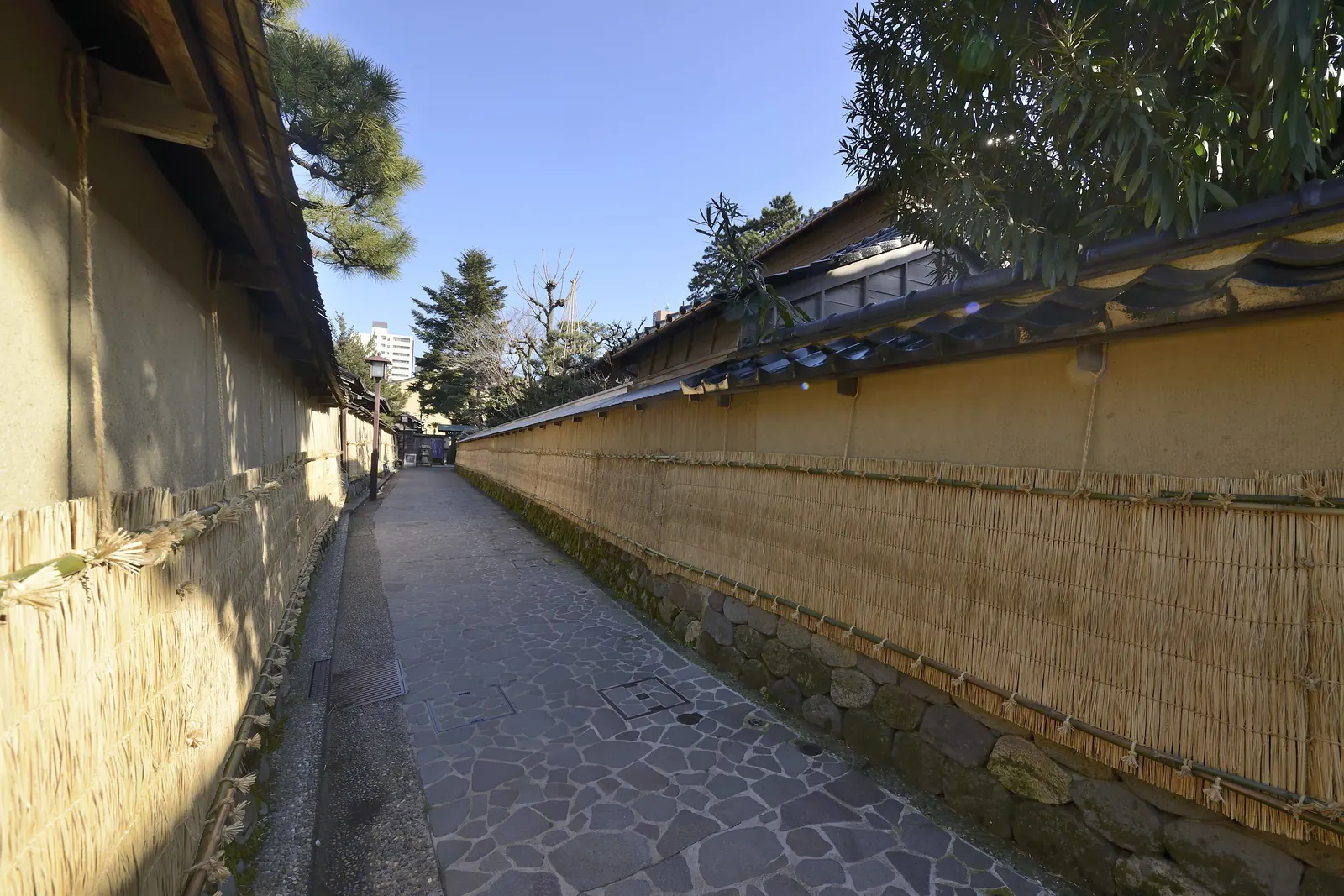
The richest domain in Japan spent three centuries proving it was not a threat
Read →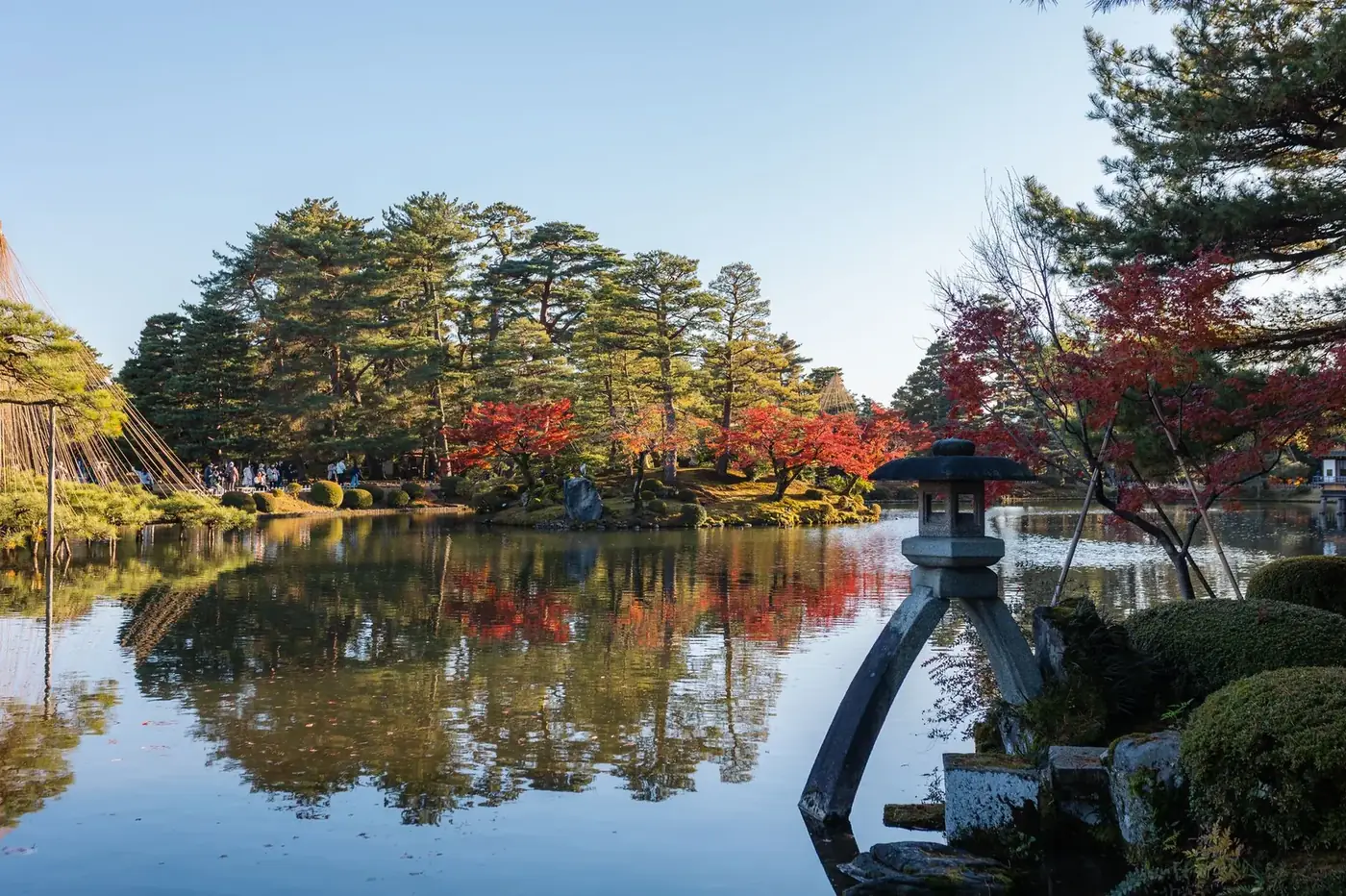
Six qualities that should not coexist, in one garden, over two centuries
Read →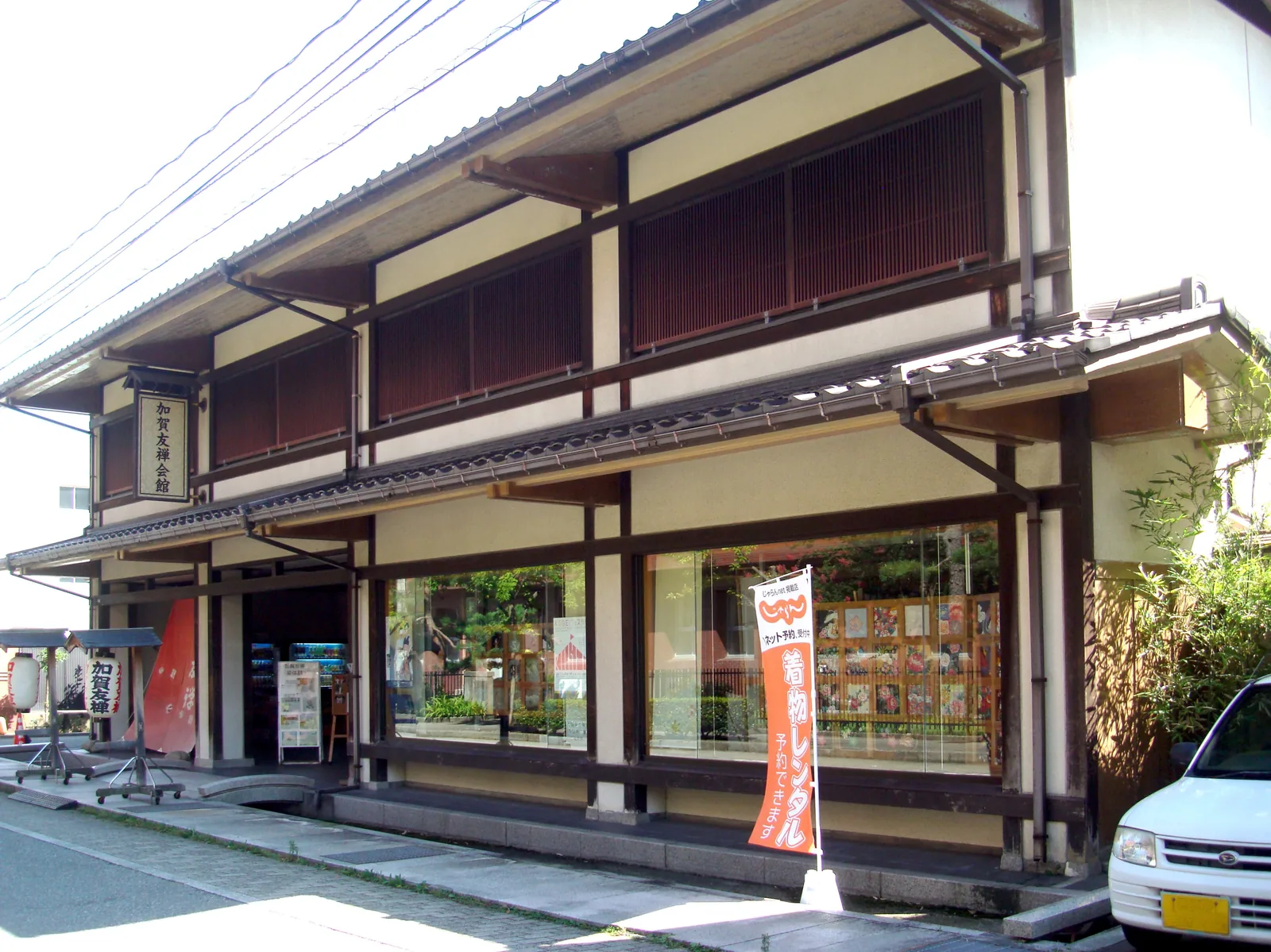
Dyeing with five colours and a deliberate insect bite
Read →
Winter crab, cold-water fish, and a soy sauce district beside the port
Read →No typing needed — jump straight in:
Just docked? — the gangway toolStart from your shipThe ride from every berthAsk the editorGlossary