Winter crab, cold-water fish, and a soy sauce district beside the port
The Sea of Japan in winter is cold, rough and shallow over a wide shelf — which is a bad combination for fishermen and an excellent one for fish. Kanazawa eats the result, and it eats it with a soy sauce brewed in a district ten minutes from where your ship ties up.
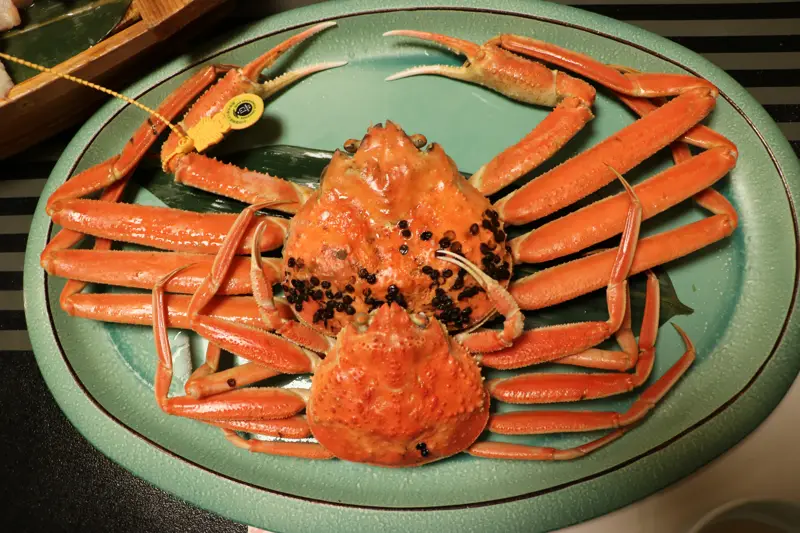
The snow crab season on this coast opens in early November and runs to around March. Males — zuwai-gani — are the large ones; the smaller females, kobako-gani, have a much shorter season and are prized locally for the roe rather than the meat.
Each legally landed crab carries a coloured tag identifying its port. Ishikawa's are tagged, and locals read the tag before the price. Outside the season you will be offered frozen or imported crab, and an honest shop will tell you which.
Buri — yellowtail — is the other winter fish, at its fattest in the coldest months, and kan-buri from these waters is a national benchmark. Nodoguro, blackthroat seaperch, is the expensive one: oily, white, and best grilled with salt and nothing else.
The place to see all of it is Omicho Market, running since the Edo period and still the city's kitchen rather than a tourist installation. Kaisen-don — a bowl of sliced raw fish over rice — is what to order, and the counters inside the market do it better and cheaper than anywhere with a view.
Ono, ten minutes from the cruise berth, has been brewing soy sauce since the 1620s. It is one of Japan's five historic soy sauce towns and almost nobody visits it.
The Ono district sits at the mouth of the river beside Kanazawa Port. Brewing began here in the 1620s, and the district still holds working breweries in wooden buildings along the water.
Kaga soy sauce is noticeably sweeter than Kanto soy sauce — a regional style built for the local fish and the local cooking. Buying a bottle at the brewery is the best-value souvenir in this port, and the district is quiet, wooden and entirely unvisited.
Kanazawa is one of Japan's three great wagashi cities, again because of Noh and tea ceremony patronage. Buy higashi — dry pressed sugar sweets in seasonal shapes — which keep for weeks and travel flat in a suitcase.
One of Japan's five historic soy towns
And still is
Kanazawa joins Kyoto and Matsue at the top
Running to about March, with tagged catch by port
Kaisen-don at a counter inside Omicho Market, then a bottle of Ono soy sauce on the way back to the ship.
From early November to around March. Male snow crab (zuwai-gani) runs the whole season; the smaller female kobako-gani has a much shorter window and is prized for its roe. Each legally landed crab carries a coloured tag identifying its port — locals read the tag before the price.
Nodoguro (blackthroat seaperch) grilled with salt, and kaisen-don — sliced raw fish over rice — at a counter inside Omicho Market. Do not order crab out of season; it will be frozen or imported, and it will misrepresent the city. Buy a bottle of sweet Kaga soy sauce from the Ono brewing district on the way back.
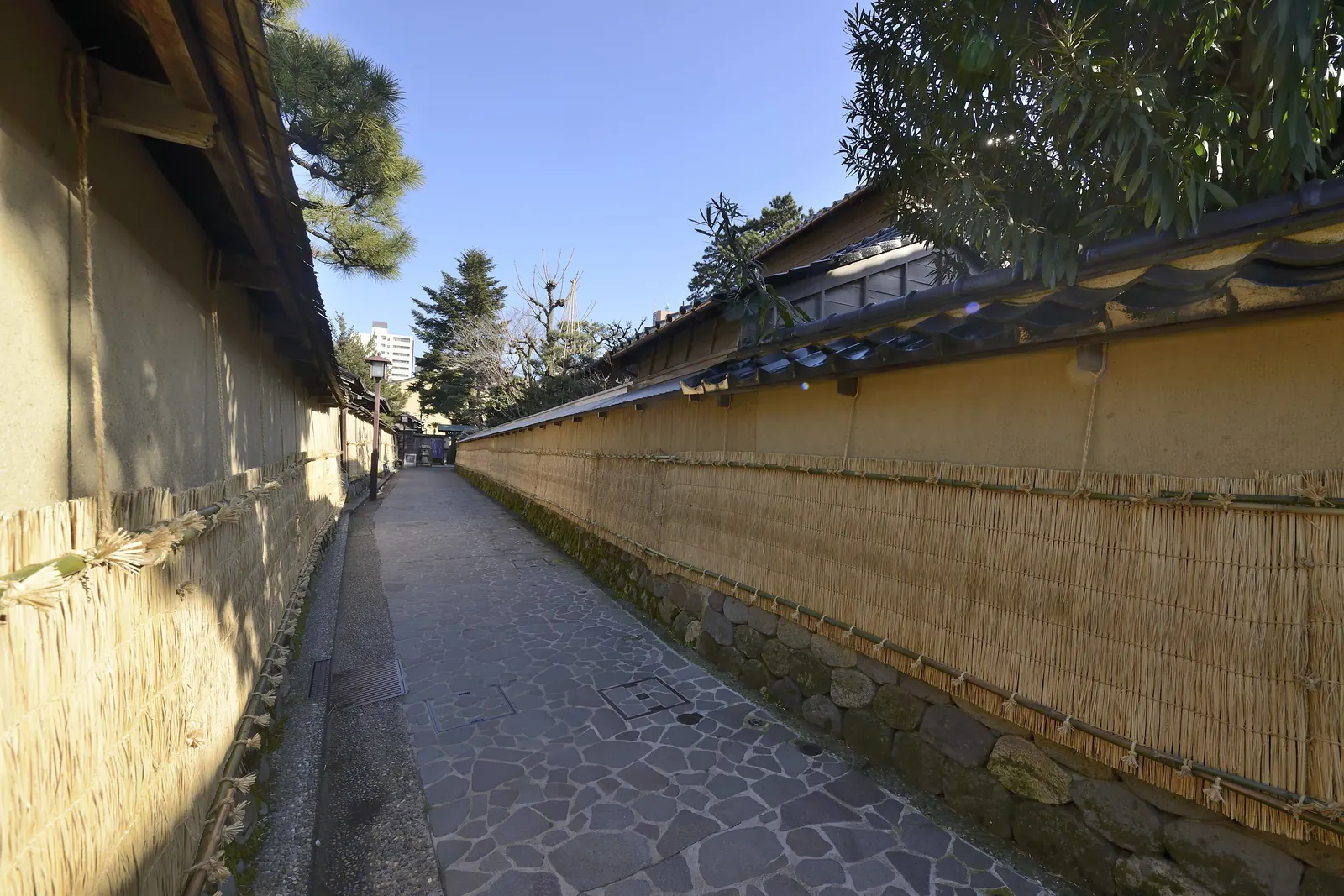
The richest domain in Japan spent three centuries proving it was not a threat
Read →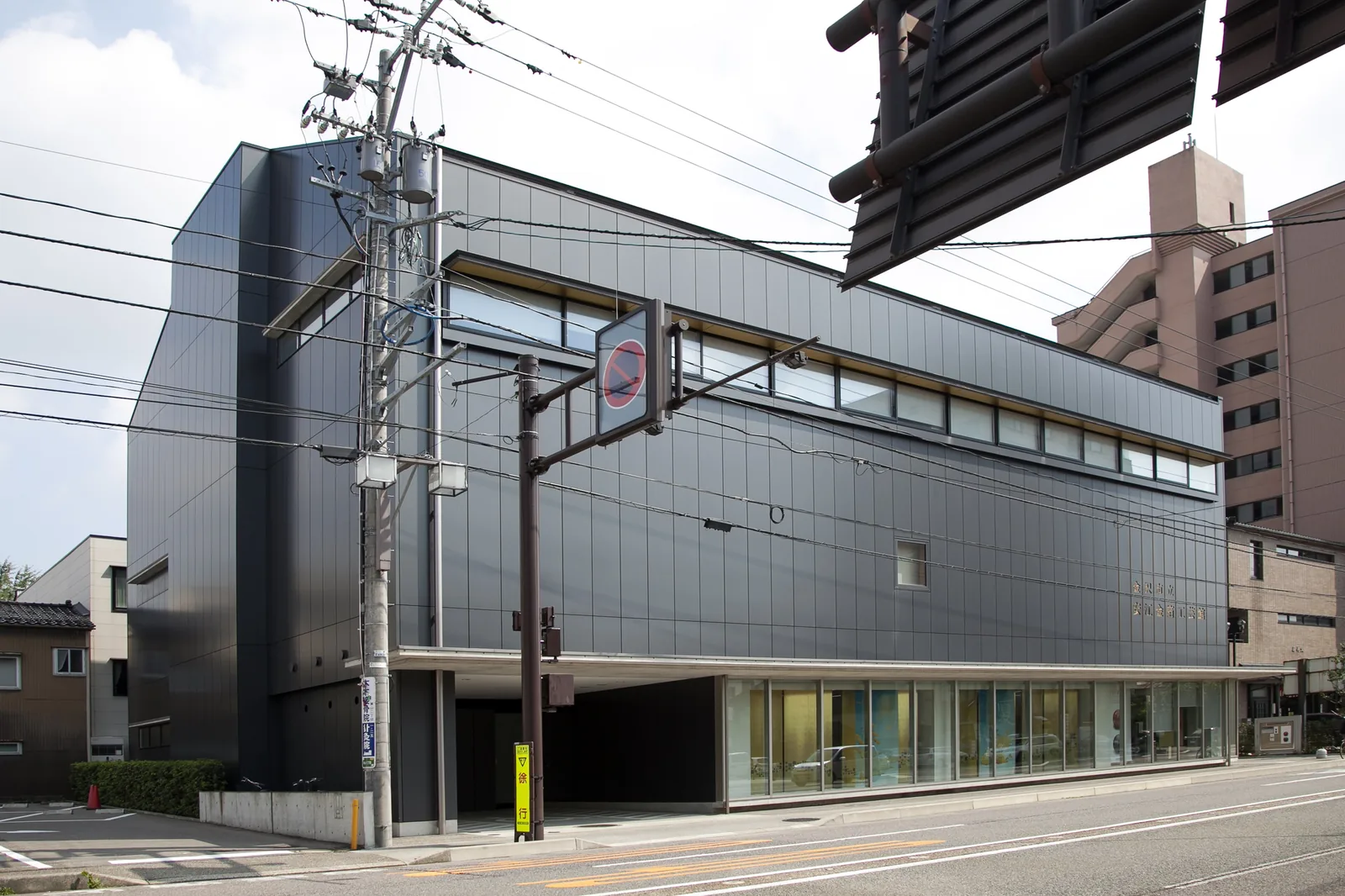
Ninety-nine percent of Japan's gold leaf is beaten in this one city
Read →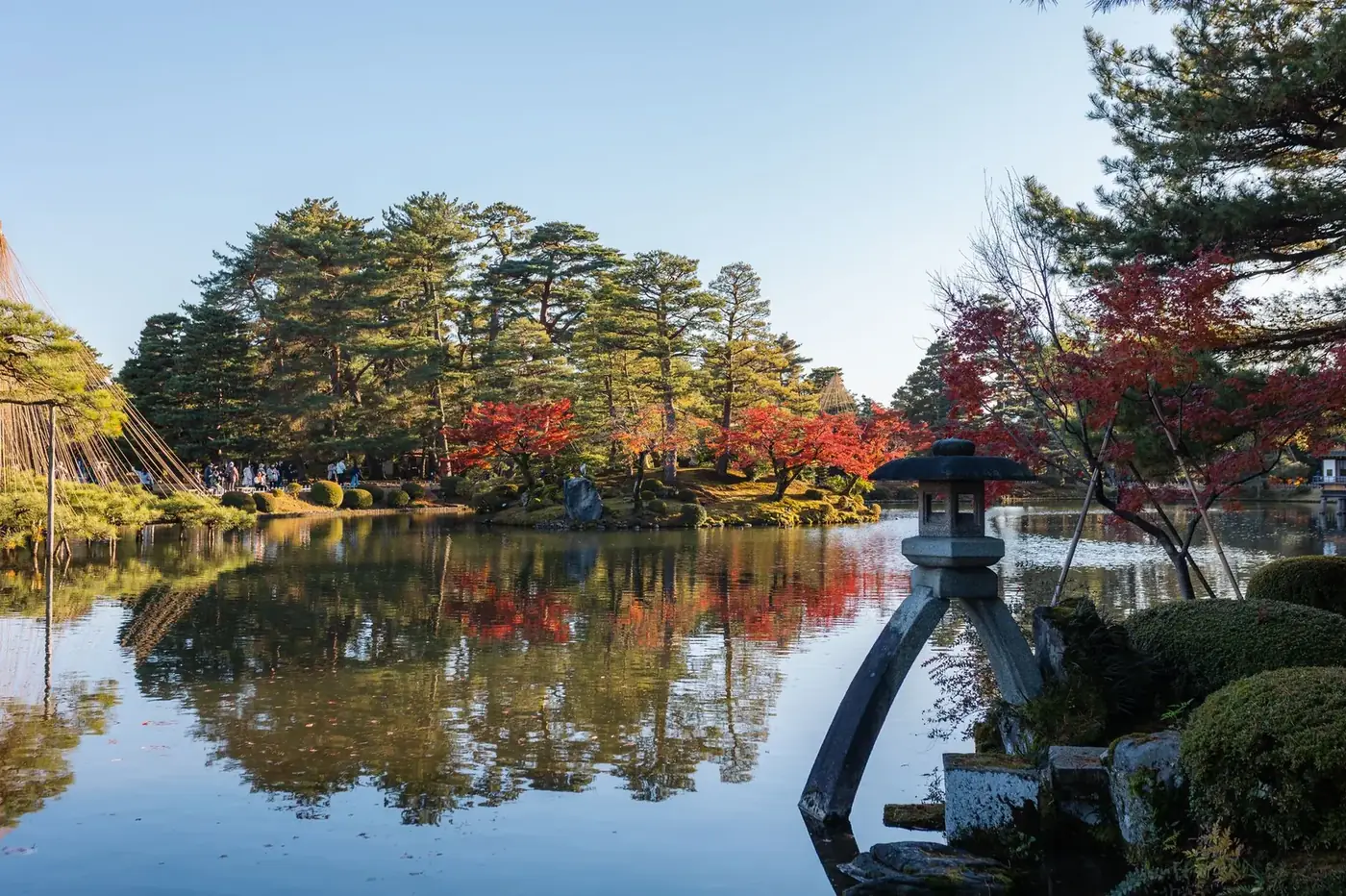
Six qualities that should not coexist, in one garden, over two centuries
Read →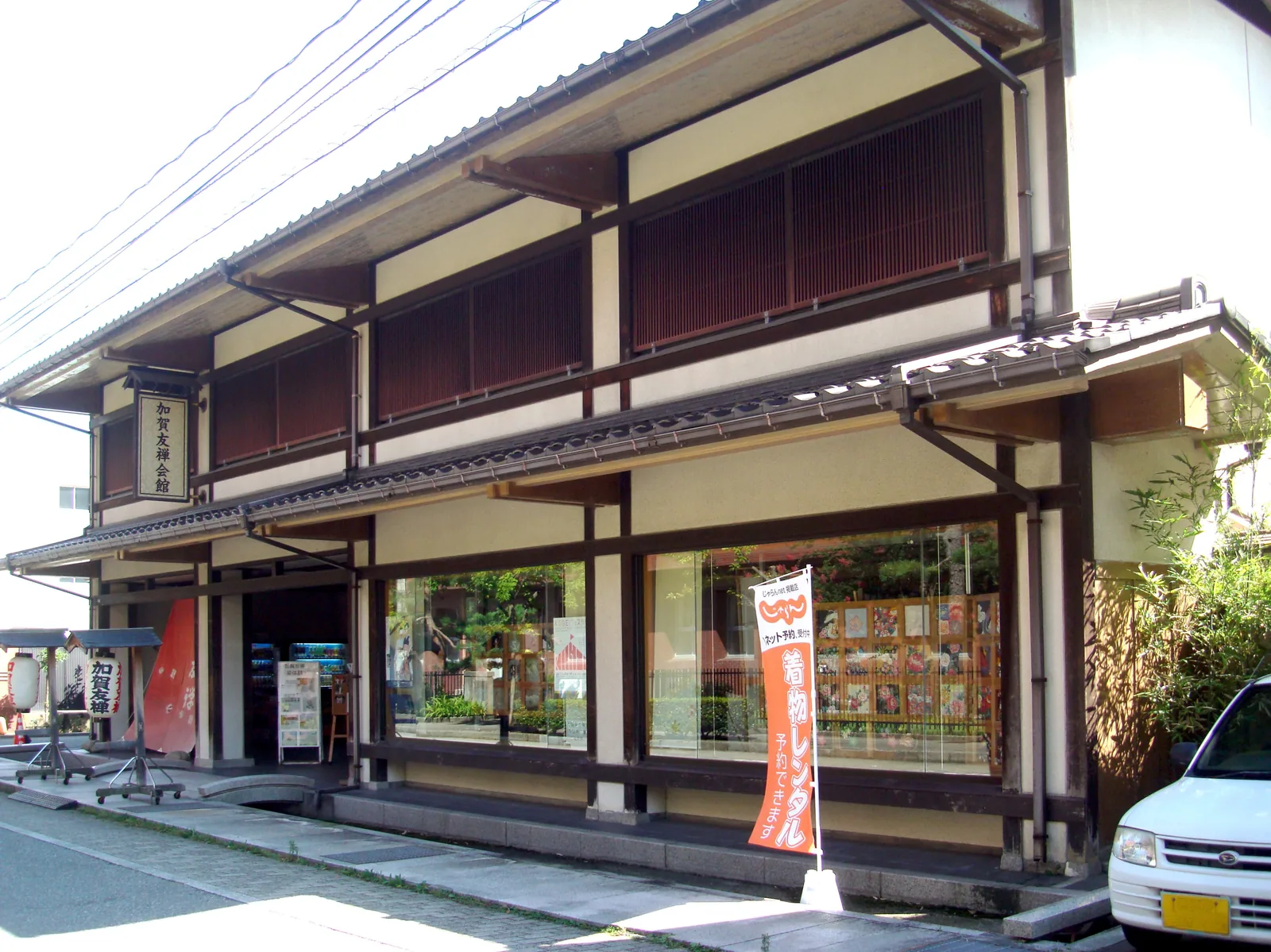
Dyeing with five colours and a deliberate insect bite
Read →No typing needed — jump straight in:
Just docked? — the gangway toolStart from your shipThe ride from every berthAsk the editorGlossary