The richest domain in Japan spent three centuries proving it was not a threat
Kaga was the wealthiest domain in Japan after the shogun's own lands — a million koku of rice a year. Being that rich and that far from Edo was dangerous, so the Maeda lords deliberately spent the money on art instead of armies. That decision is the reason this city looks the way it does.
Domains were measured in koku — the rice needed to feed one person for a year. Kaga was assessed at over a million, more than any other domain in the country. The Maeda family held it from 1583 until the feudal system ended in 1871.
A rich, distant domain with a large samurai population was exactly what the Tokugawa shogunate watched for. The Maeda response, sustained across generations, was to make themselves conspicuously harmless: no fortress-building beyond what was permitted, no military ambition, and an enormous, visible, ongoing investment in culture.
They imported craftsmen from Kyoto and set them up permanently — gold leaf beaters, lacquerers, dyers, potters, metal inlayers. They subsidised Noh theatre so heavily that it stopped being an aristocratic art here and became something ordinary townspeople performed. There is a phrase for it: utai ga furu — "Noh chanting falls from the sky" — because you could hear it from the workshops.
The strategy worked. Kaga was never attacked, never punished, and never reduced. And the crafts, having been paid for continuously for 300 years, were still there in 1871 — and are still there now.
Kanazawa was not bombed in the Second World War. It had no significant military industry and it was not on the list. So while almost every comparable Japanese city was rebuilt from ash, Kanazawa still has its geisha districts, its samurai quarter, its temple district and its water channels, in their original street plan.
Kyoto and Nara were spared for their heritage. Kanazawa was spared for being unimportant. The result is the same, and it is why this is the best-preserved castle town on the Sea of Japan coast.
The family holds Kaga for 288 years
Gold leaf, lacquer, dyeing, Kutani ware, Noh
Expanded by successive lords for two centuries
The crafts survive because they had 300 years of patronage
The street plan and the districts survive intact
Kanazawa goes from remote to two and a half hours from Tokyo
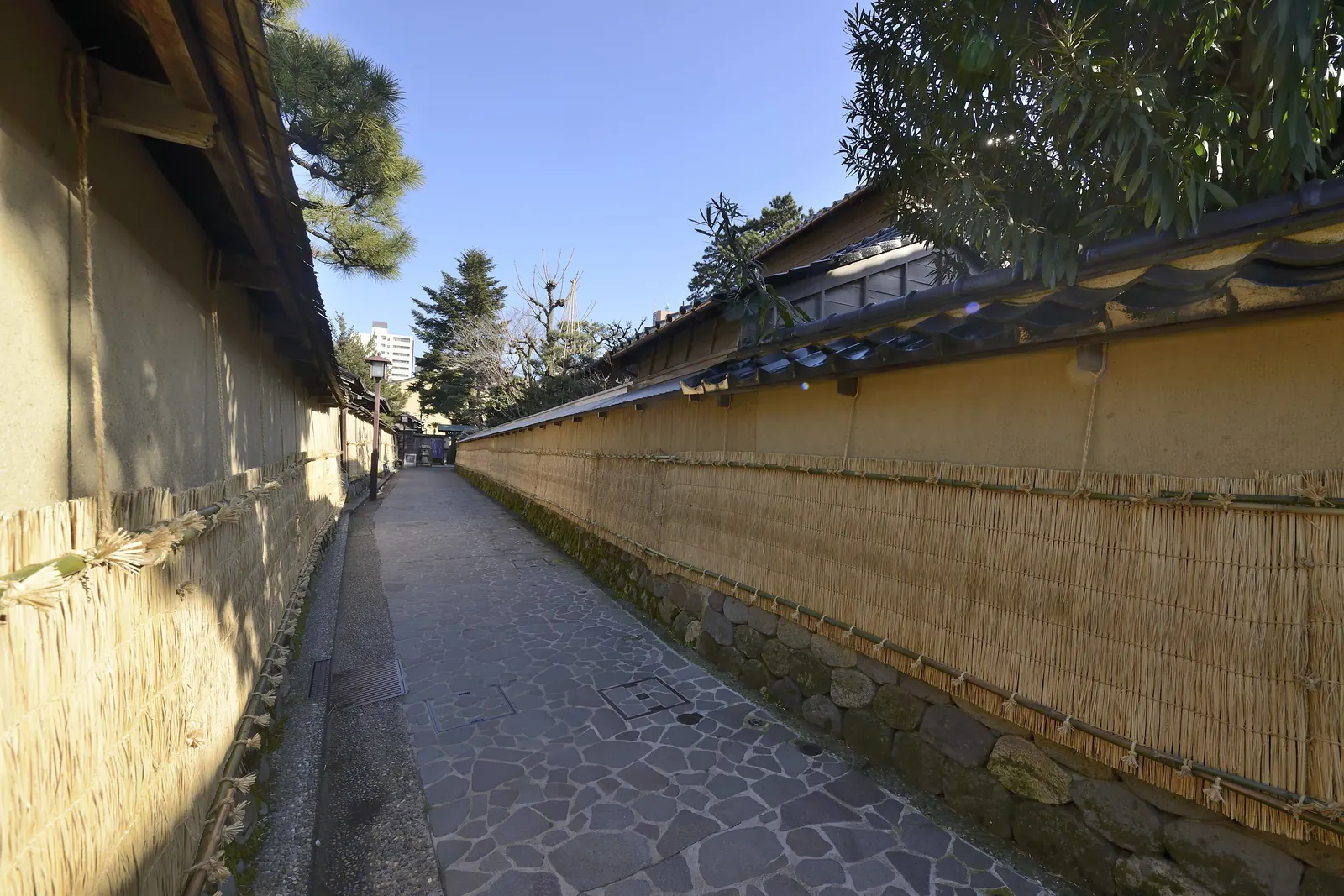
Walk Nagamachi's earthen walls and then Higashi Chaya. Both are original street plans, not reconstructions.
It was not bombed in the Second World War — it had no significant military industry — so its geisha districts, samurai quarter, temple district and water channels survive in their original street plan. Unlike Kyoto and Nara, which were spared for their heritage, Kanazawa was spared for being unimportant.
A koku was the amount of rice needed to feed one person for a year, and domains were assessed in koku. Kaga, held by the Maeda family, was rated at over a million — the richest domain in Japan after the shogun's own lands. Being that rich and that distant was politically dangerous, so the Maeda spent it on crafts rather than arms.
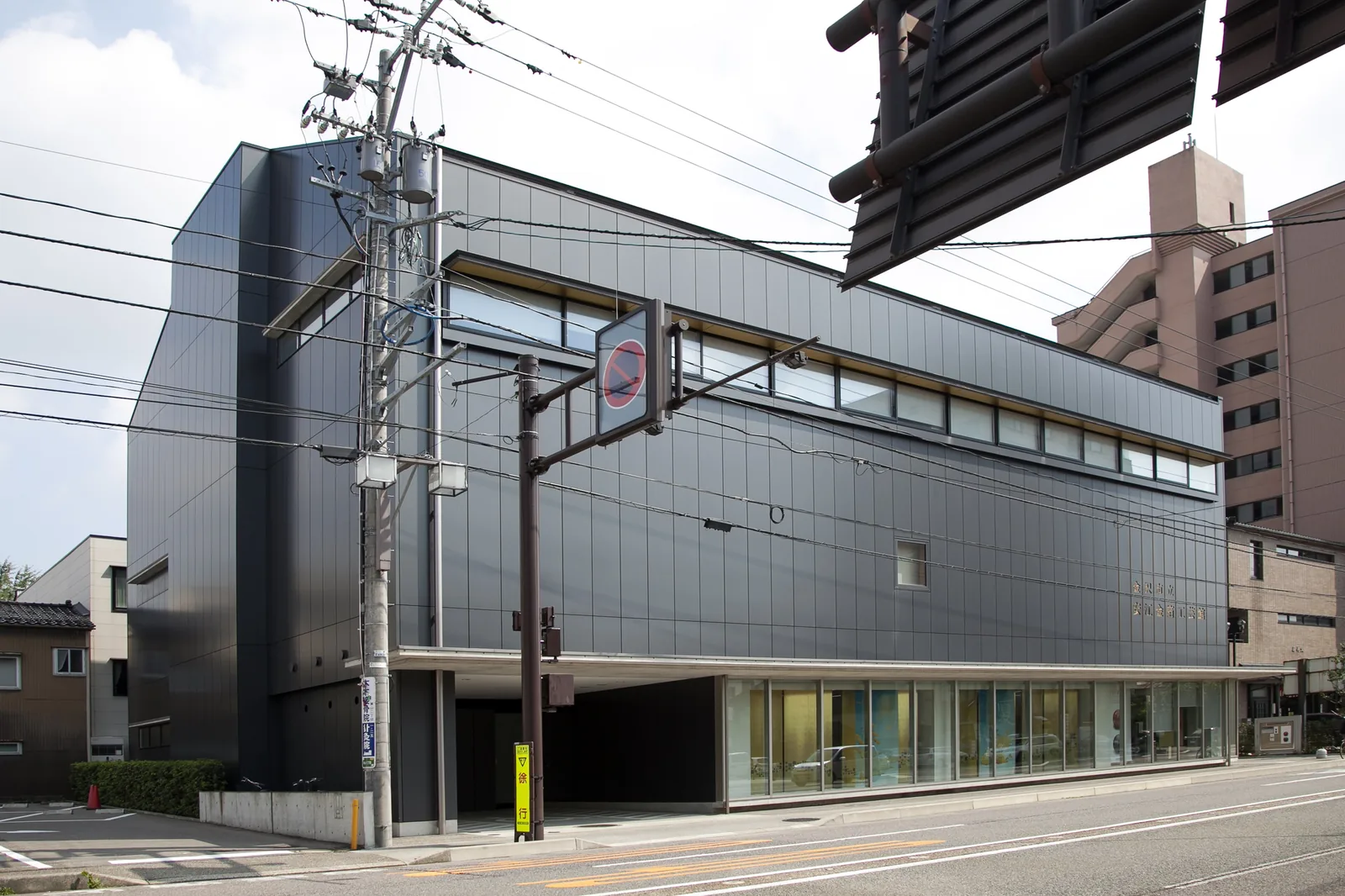
Ninety-nine percent of Japan's gold leaf is beaten in this one city
Read →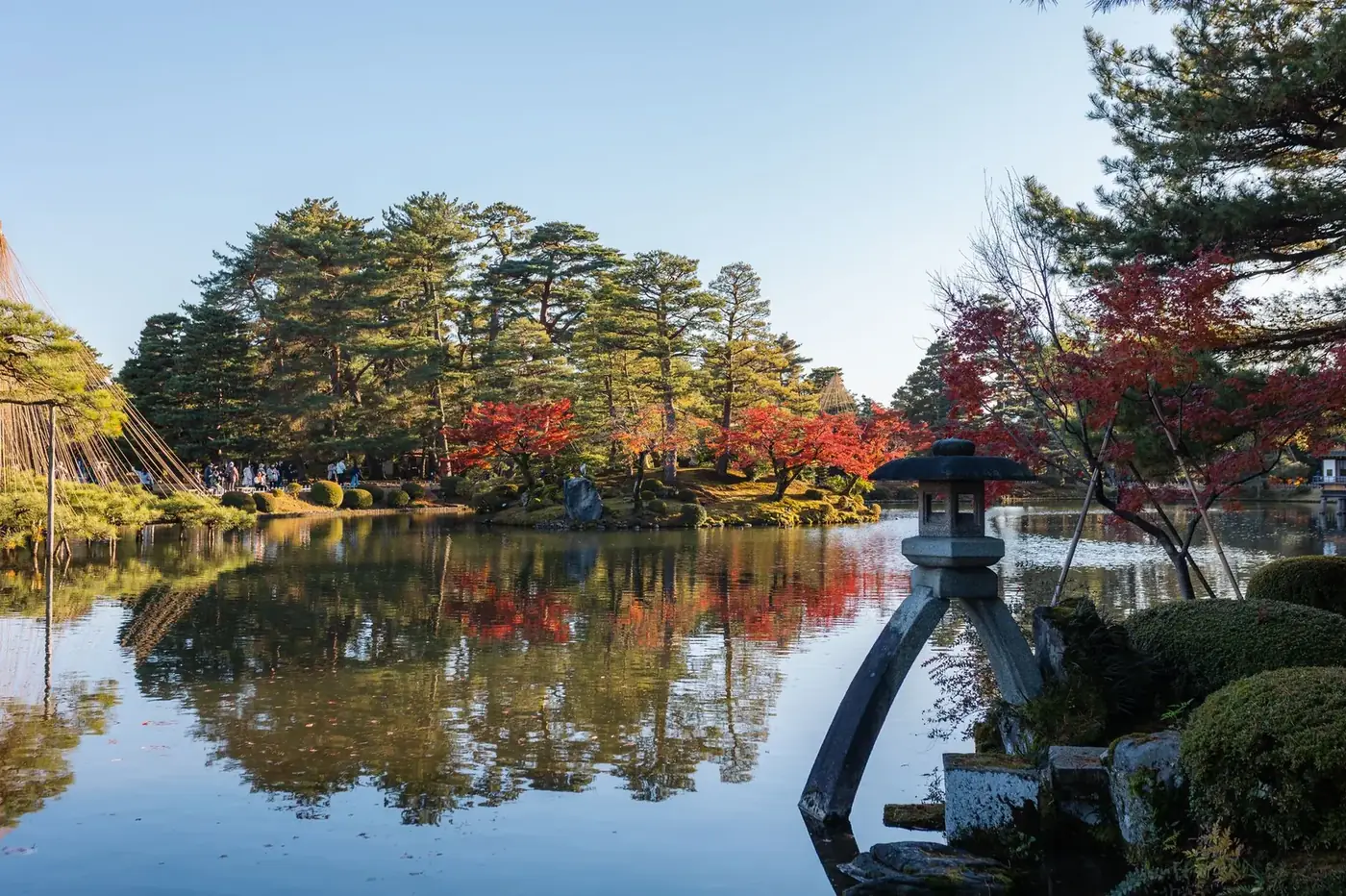
Six qualities that should not coexist, in one garden, over two centuries
Read →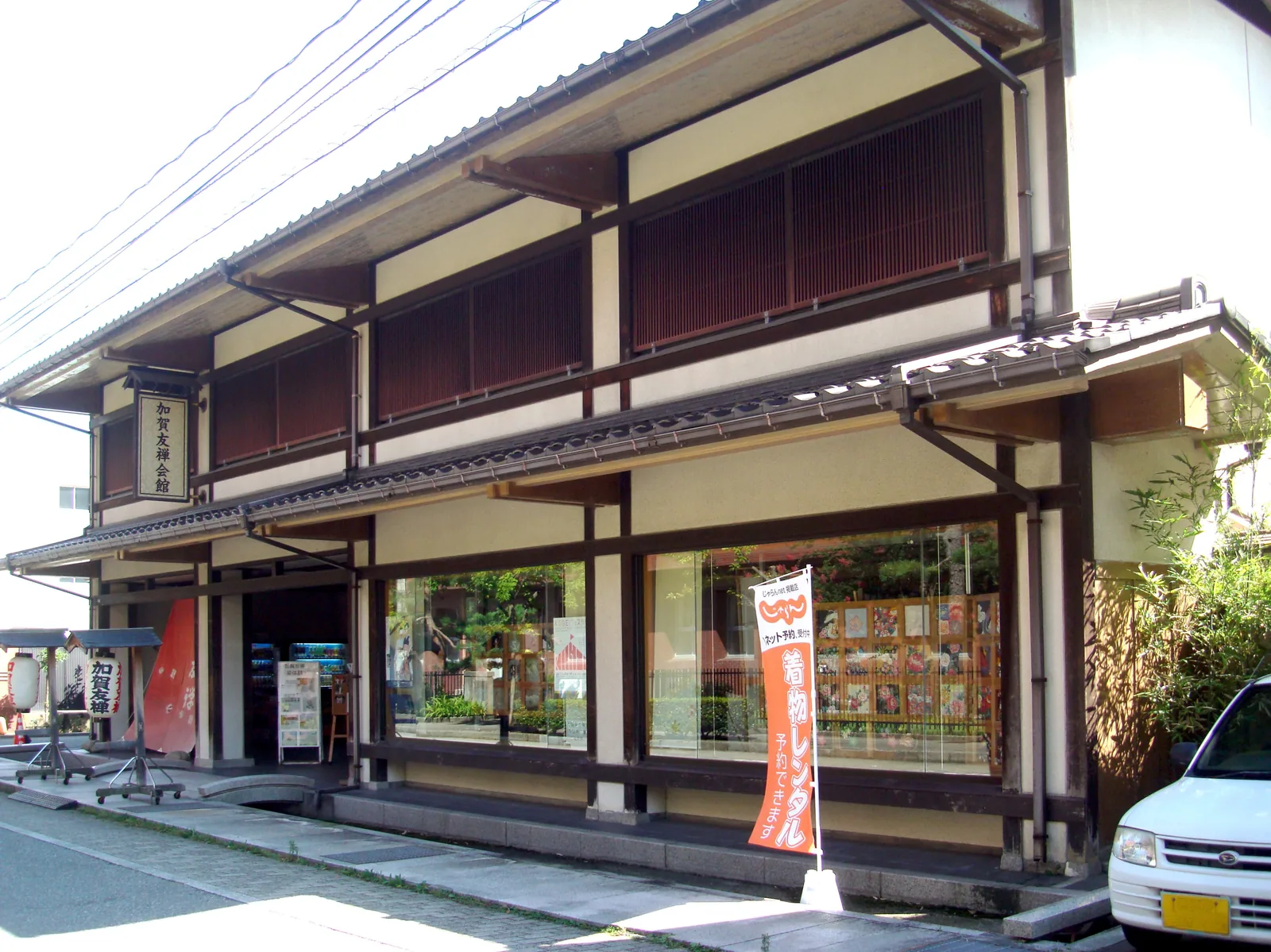
Dyeing with five colours and a deliberate insect bite
Read →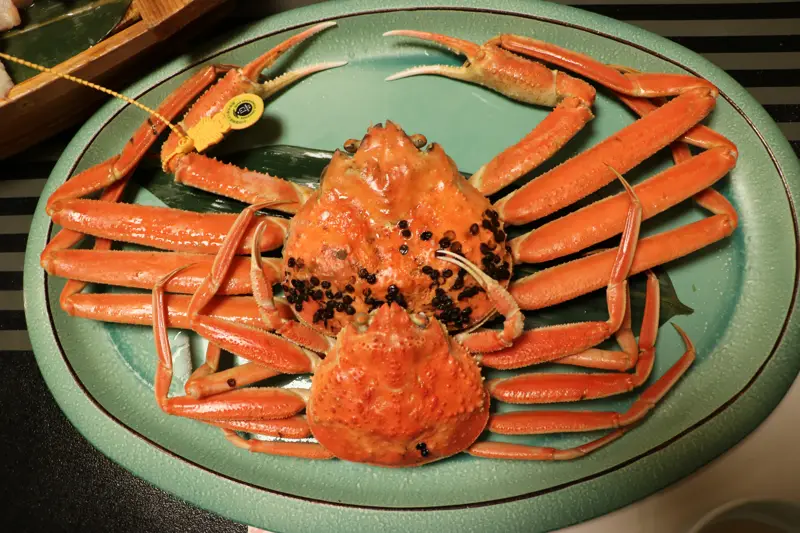
Winter crab, cold-water fish, and a soy sauce district beside the port
Read →No typing needed — jump straight in:
Just docked? — the gangway toolStart from your shipThe ride from every berthAsk the editorGlossary