
 Photo: Jakub Hałun / CC BY 4.0
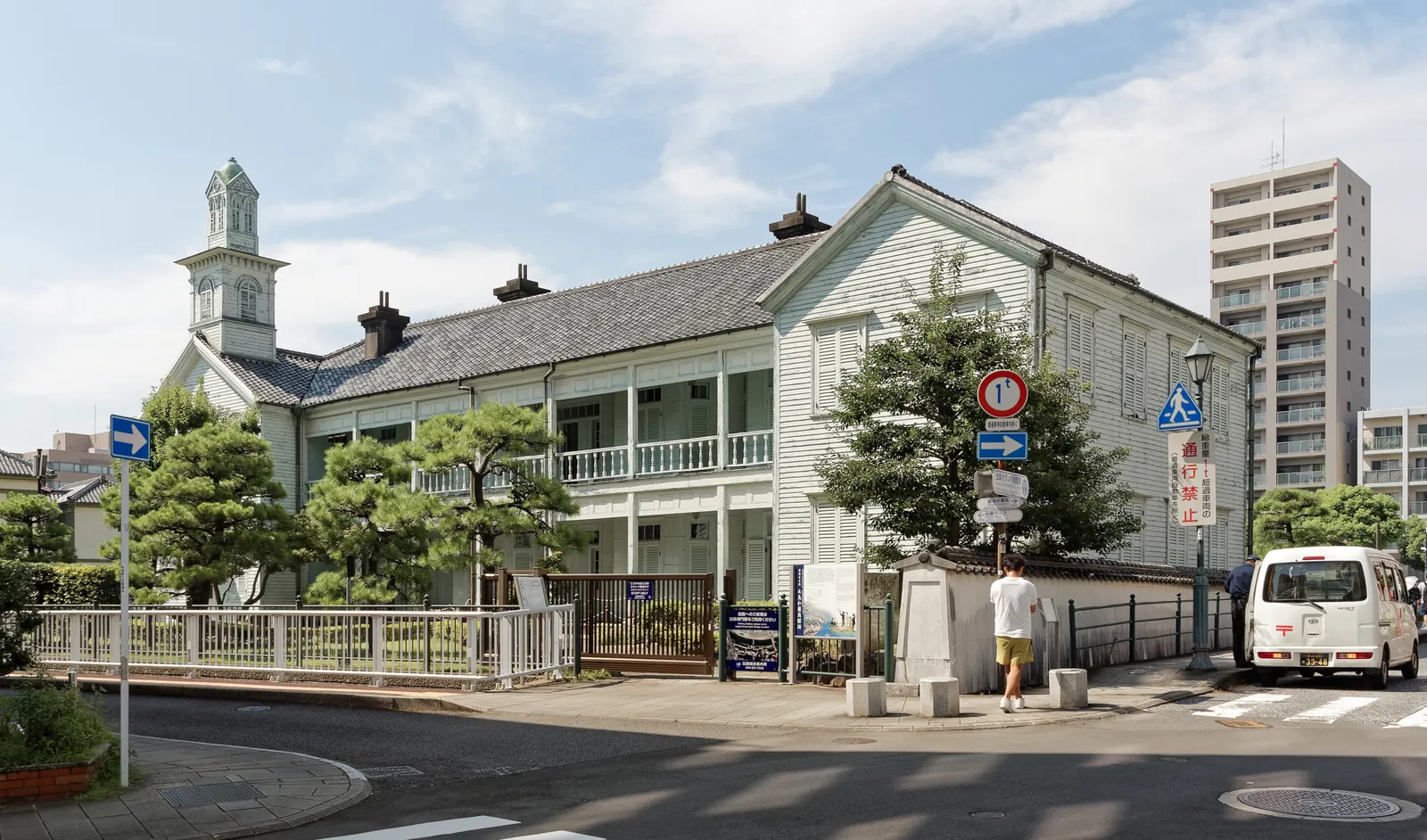
For 218 years this fan-shaped artificial island was the only place in Japan where Westerners could live, and the only channel through which European knowledge entered a closed country. Anatomy, astronomy, gunnery and chemistry all crossed the single guarded bridge — along with coffee, beer, badminton and billiards.
Land reclamation swallowed the water around it in the Meiji era, and the island vanished into the city grid. Nagasaki has been excavating and rebuilding it since the 1990s: sixteen Edo-period buildings so far, furnished from Dutch and Japanese records, including the chief factor's residence and the warehouses.
Five things the plaques won't tell you
- Start at the water gate and look at the bridge — that is the whole story in one view.
- The chief factor's residence upstairs is furnished as it was; most visitors walk past the stairs.
- Open until 21:00, which makes it one of very few options for ships sailing late.
- The miniature model of the island in the 1820s explains the geography faster than any panel.
Nagasaki has been excavating and rebuilding it since the 1990s: sixteen Edo-period buildings so far, furnished from Dutch and Japanese records, including the chief factor's residence and the warehouses.
Guided days from Nagasaki
Booked before you sail — there is no tour desk at the pier. Booking through these links supports the site.
 4.9★ · 95 reviews
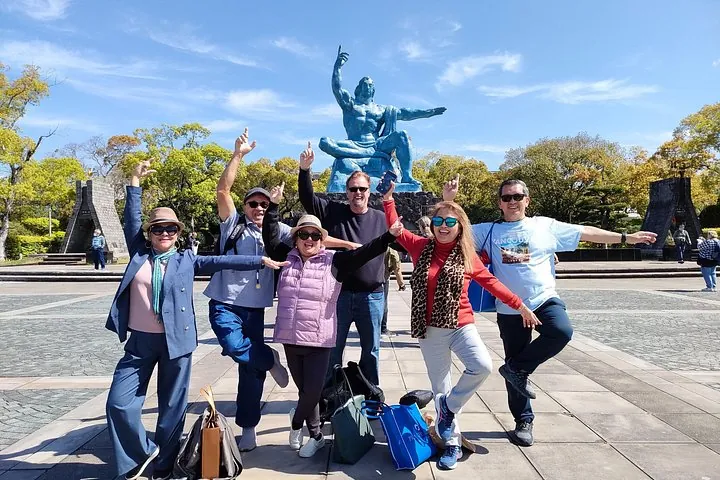
Nagasaki Customized Private Tour in 1 Day with Licensed Guide
From US$120.
Why we list it →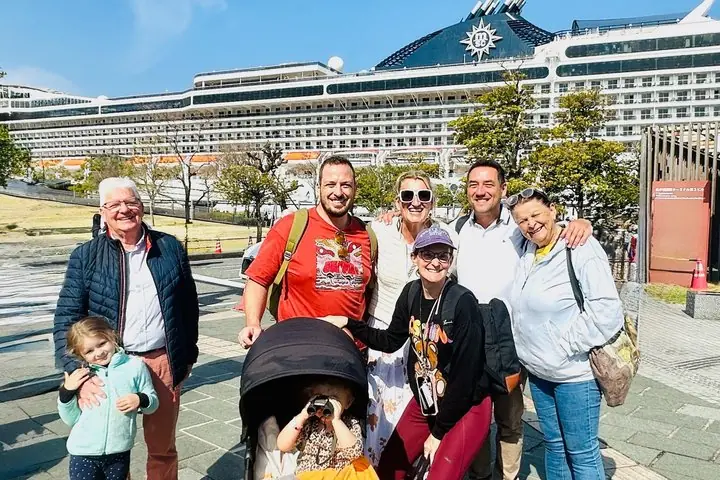 4.9★ · 68 reviews
Nagasaki Highlights Private Half-Day Tour by Car
From US$174.
Why we list it →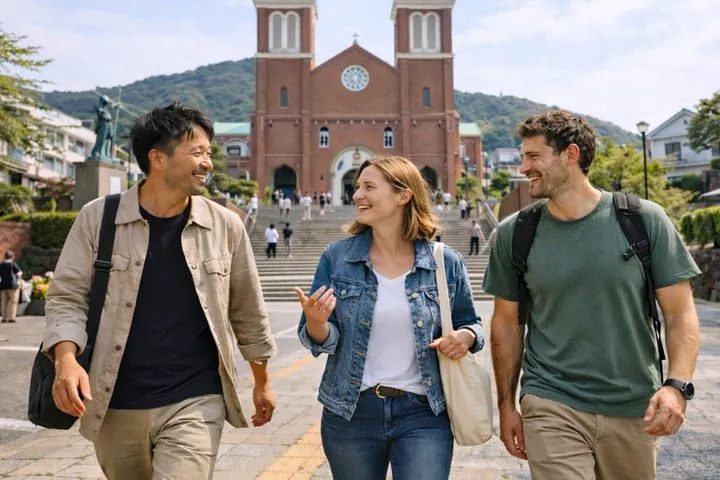 5.0★ · 56 reviews
Nagasaki Private Tour with a Local – Highlights & Hidden Gems
From US$62.
Why we list it →More in Nagasaki
Questions people ask here
How long does Dejima take?
Sixty to ninety minutes covers the sixteen rebuilt buildings properly. It is about 18 minutes on foot from Matsugae wharf (1.3 km, flat) and about 7 minutes from Dejima wharf, and it stays open until 21:00 — unusually late for a Japanese museum site.
Is Dejima still an island?
No. Meiji-era land reclamation filled in the surrounding water and absorbed the fan shape into the city grid. The site has been excavated and rebuilt since the 1990s, and the city is gradually restoring water on the sides where that is possible.