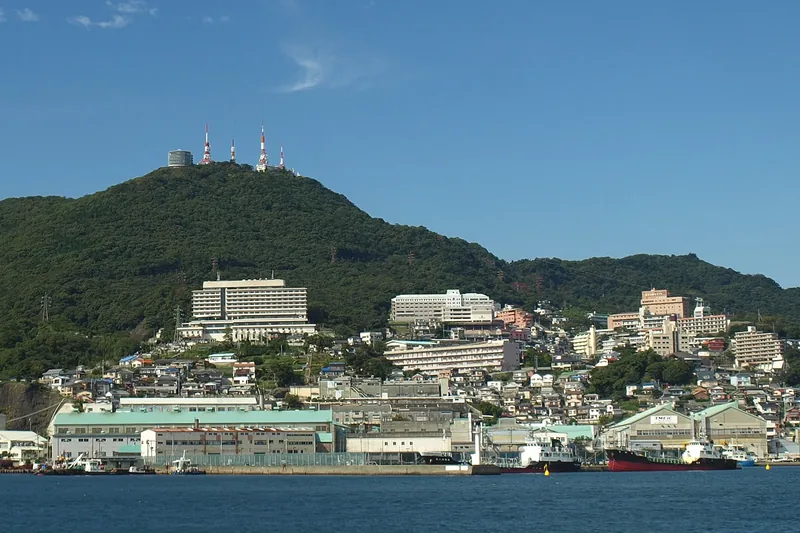
 Photo: ぱちょぴ / CC BY-SA 3.0
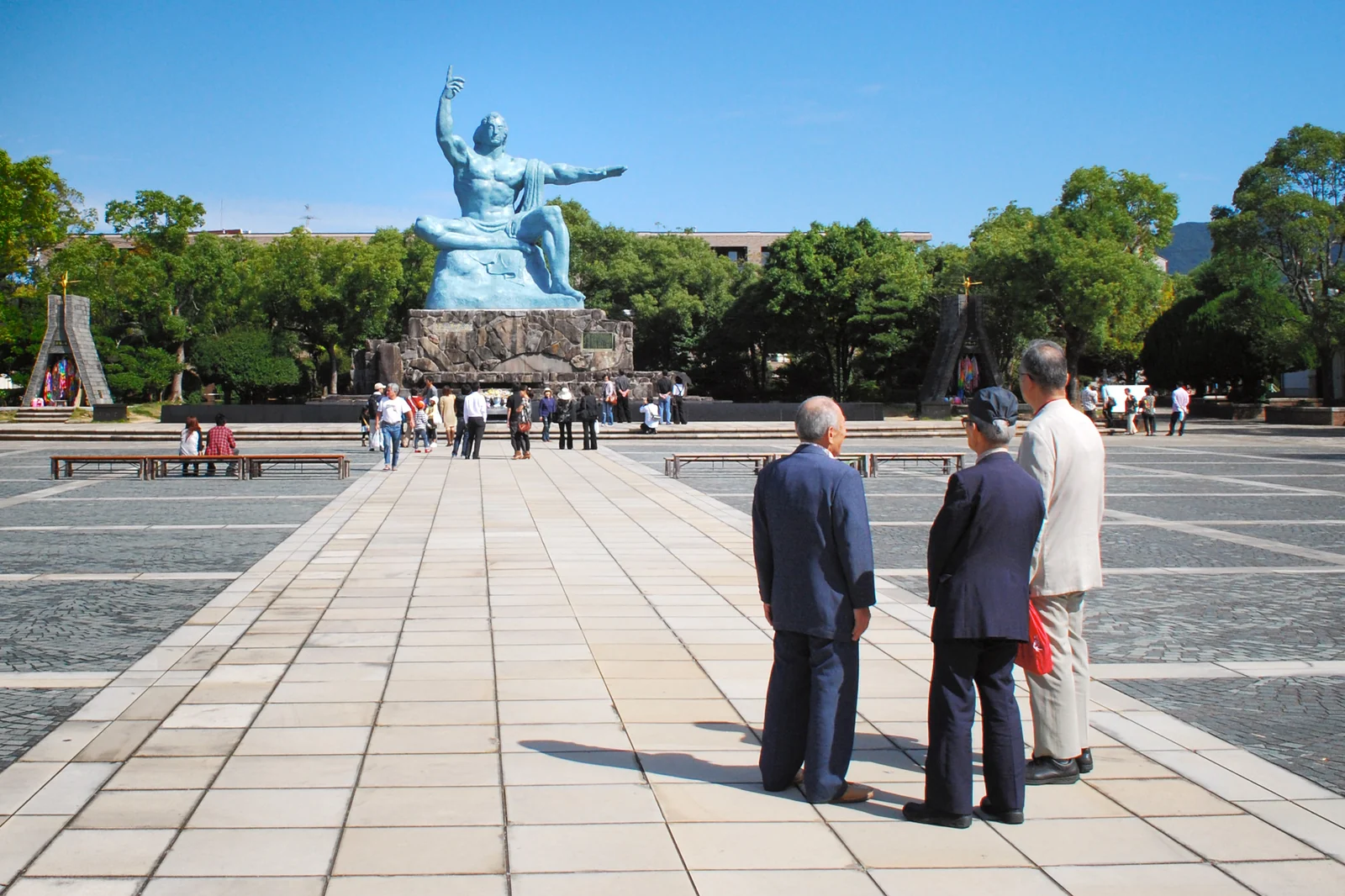
Peace Park & Atomic Bomb Museum
The second city asks quieter questions than Hiroshima, and its museum answers with unbearable specifics. The fountain, the statue, the one-legged torii — allow real time.
Tram from downtownFull guide: The Peace Park & Atomic Bomb Museum →Glover Garden
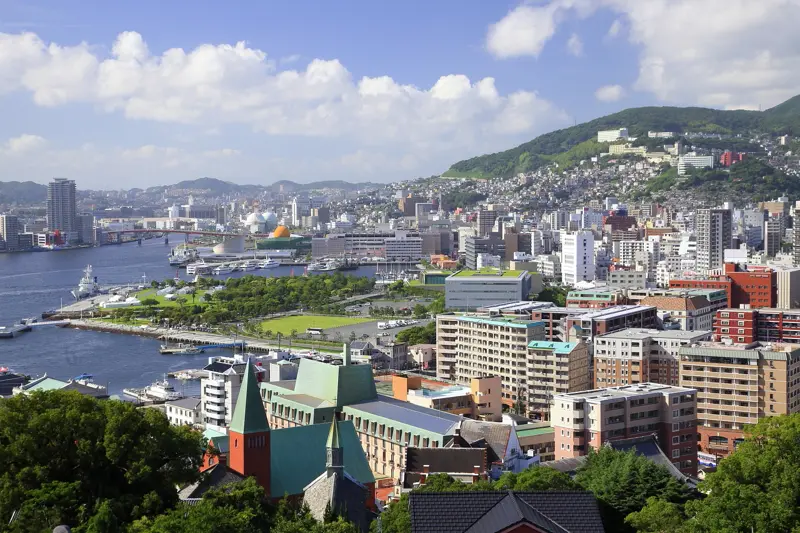
Scottish merchants’ villas above your ship, hydrangeas and harbor views between them — Puccini set Madame Butterfly on this hillside. Escalators do the climbing.
Walk + escalatorsFull guide: Glover Garden →Champon at Shikairo
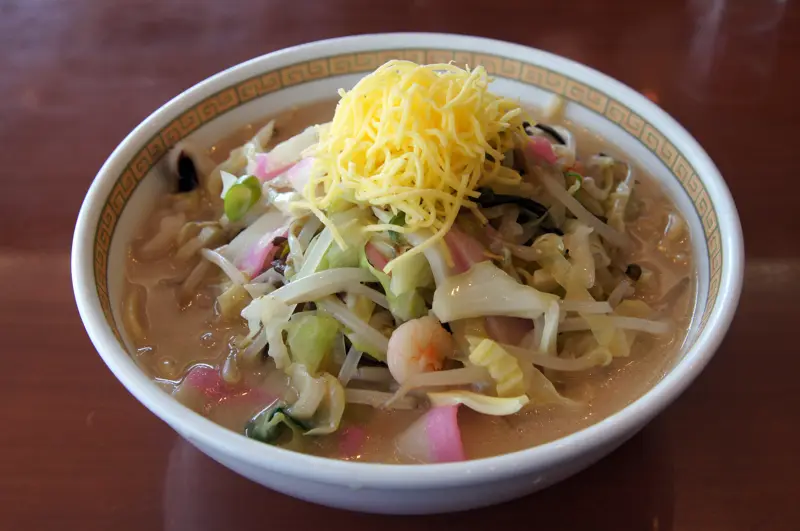
The restaurant that invented champon in 1899 still ladles it under a chandeliered dome by the harbor. Noodles, seafood, pork bones — Nagasaki in one bowl.
Near Glover GardenGoogle Maps →Dejima trading island
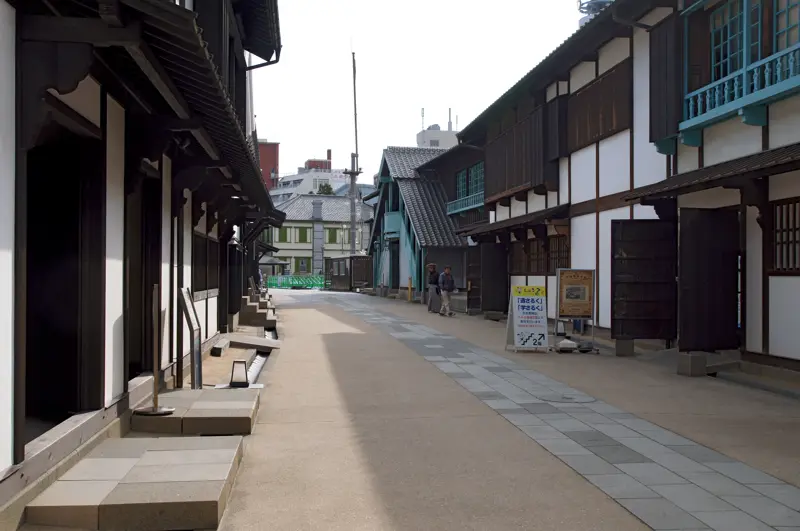
For two centuries this fan-shaped islet was Japan’s only window on the West. Rebuilt room by room — walk the same bridge the Dutch surgeons did.
On foot/tramFull guide: Dejima →Oura Cathedral & Dutch Slope
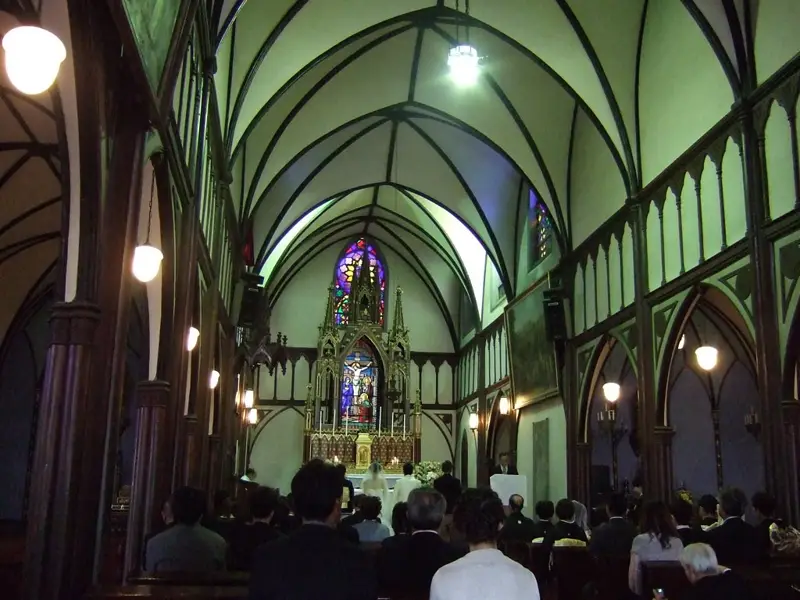
Japan’s oldest surviving church, built in 1864 for the foreign community — the discovery of hidden Christians here in 1865 stunned the world. Entry ¥1,000; the cobbled slopes beside it are free.
By Glover GardenFull guide: Oura Cathedral →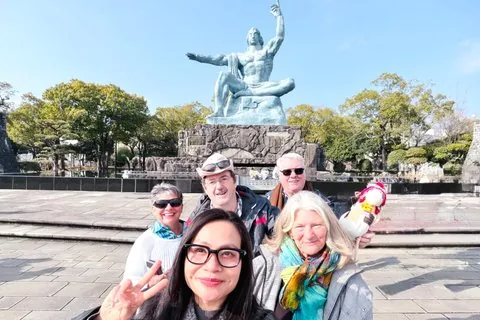
Half-day by tram, guided
Peace Park to Dejima on the rattling streetcars with a guide who tells the history properly — this city’s stories need a narrator more than most.
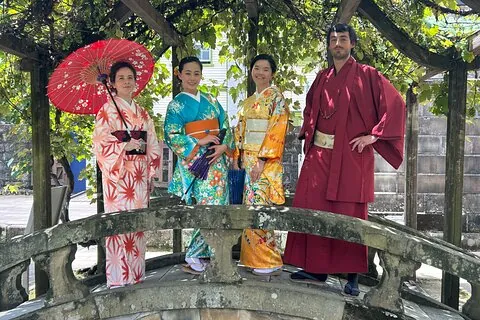
Kimono on the old streets
Fitted in silk, photographed against churches and stone bridges — Nagasaki’s East-meets-West lanes were made for it. Two hours, all gear included.
Castella at Fukusaya
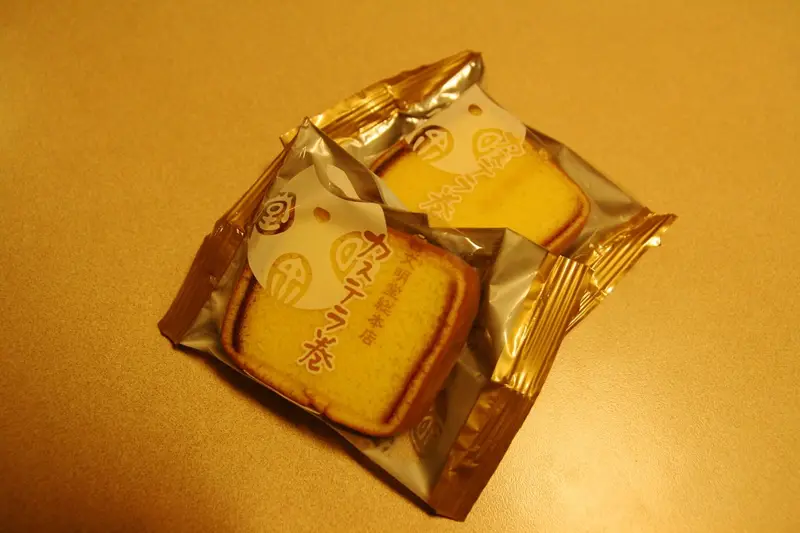
Portuguese sponge cake perfected over 400 years — Fukusaya’s 1624 original shop still hand-mixes every batch. The five-slice box is carry-on gold.
WalkableGoogle Maps →Toruko rice at Tsuruchan
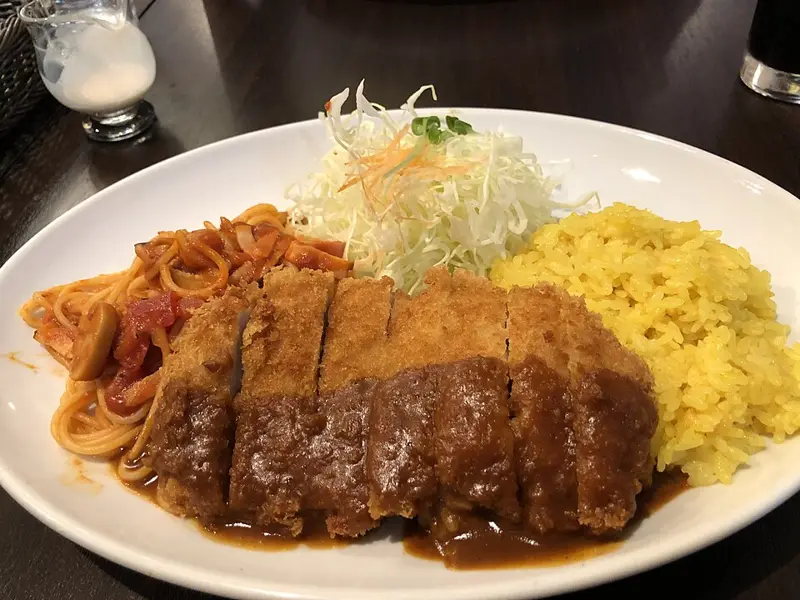
Pork cutlet, napolitan spaghetti and curry pilaf sharing one plate — Nagasaki’s beloved kissaten mash-up, served at Kyushu’s oldest coffee house since 1925.
DowntownGoogle Maps →Mt. Inasa night view
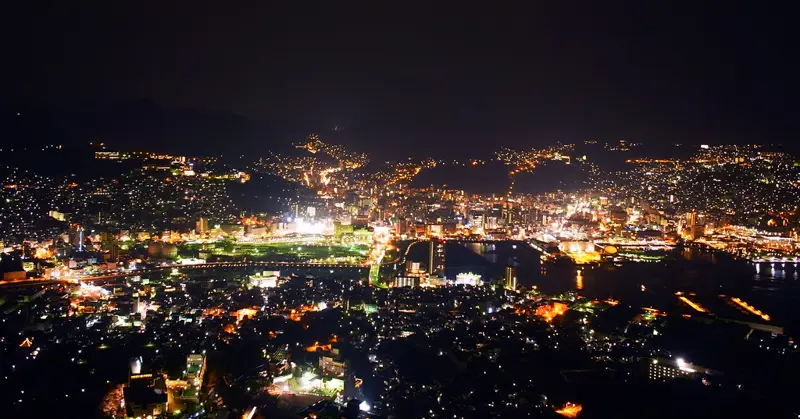
A ten-million-dollar view, officially one of Japan’s top three — the harbor coils below like a dragon. Only for ships that sail after dark; check your aboard time first.
Ropeway + busFull guide: Mt. Inasa →