 Photo: Raita Futo from Tokyo, Japan / CC BY 2.0
Kujukushima by boat
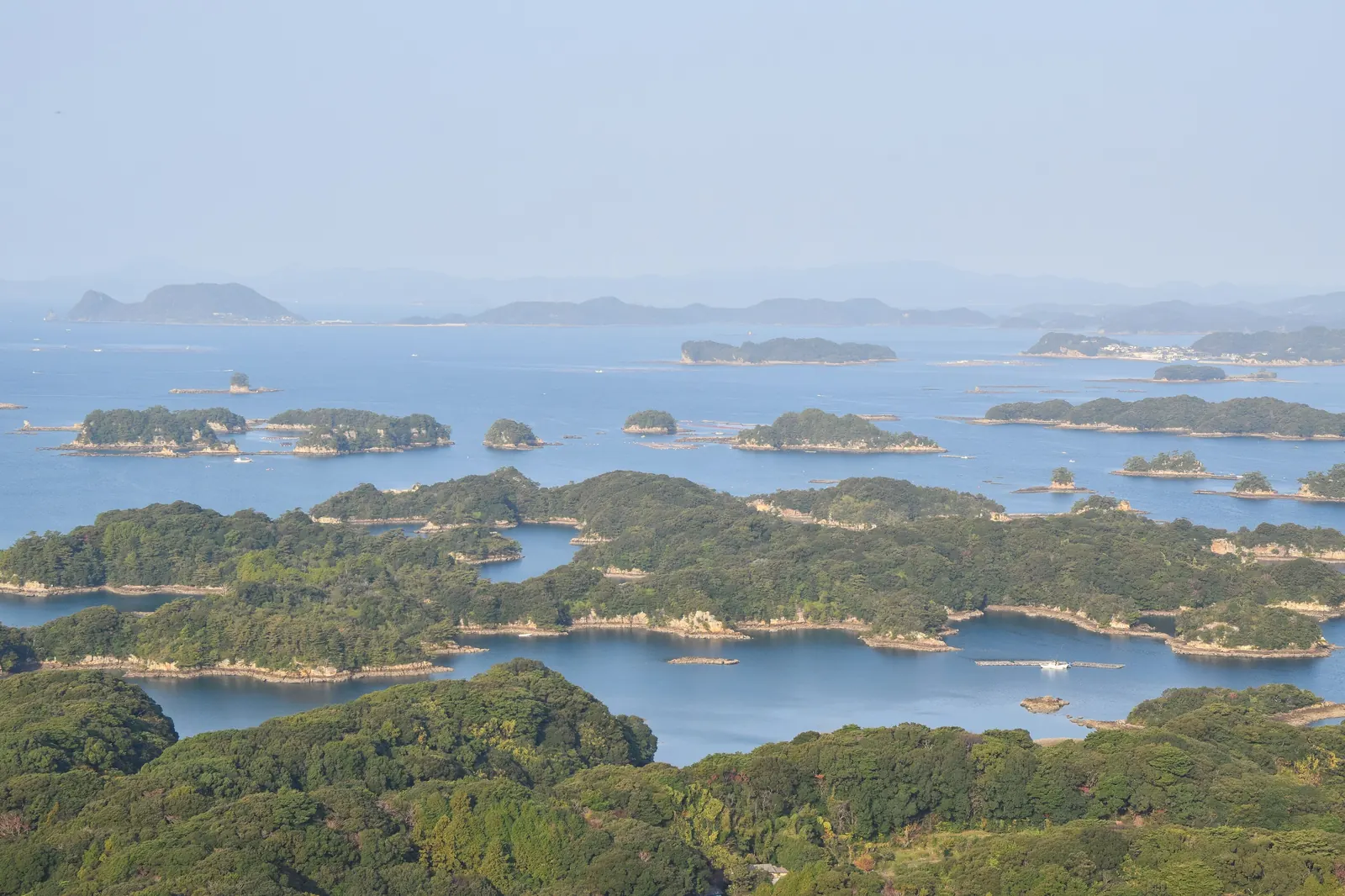
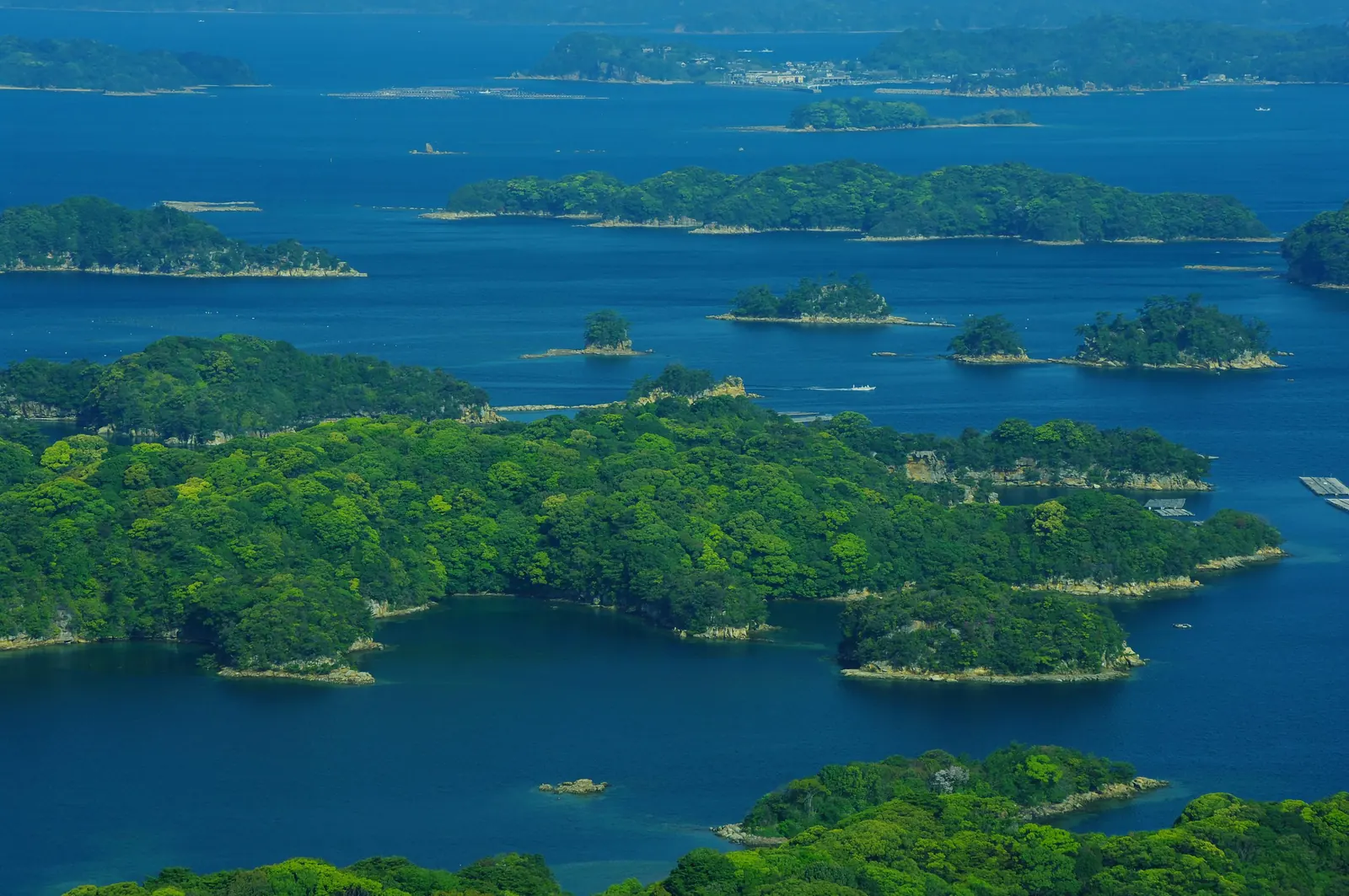
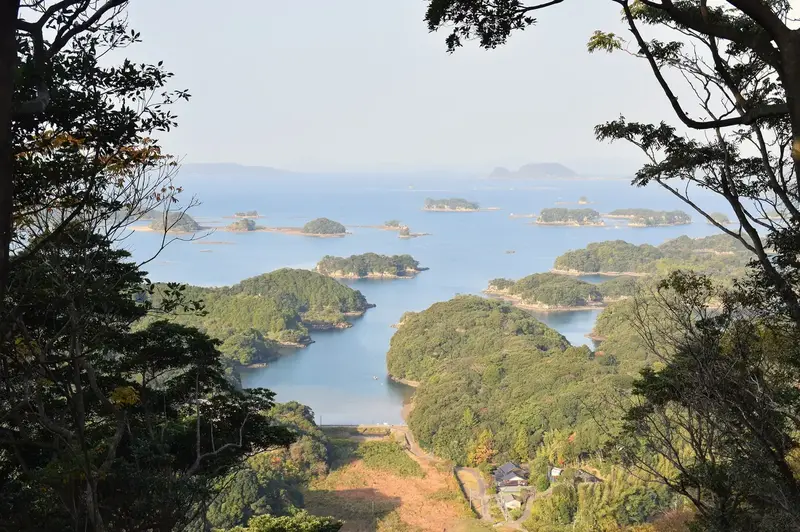
A drowned coastline of 208 wooded islets — the name means ninety-nine and undercounts by half. The densest island cluster in Japan, and the fifty-minute public sailing has a fixed fare, no operator and no markup.
Bus ~25 minFull guide: Kujukushima →A certified Sasebo burger
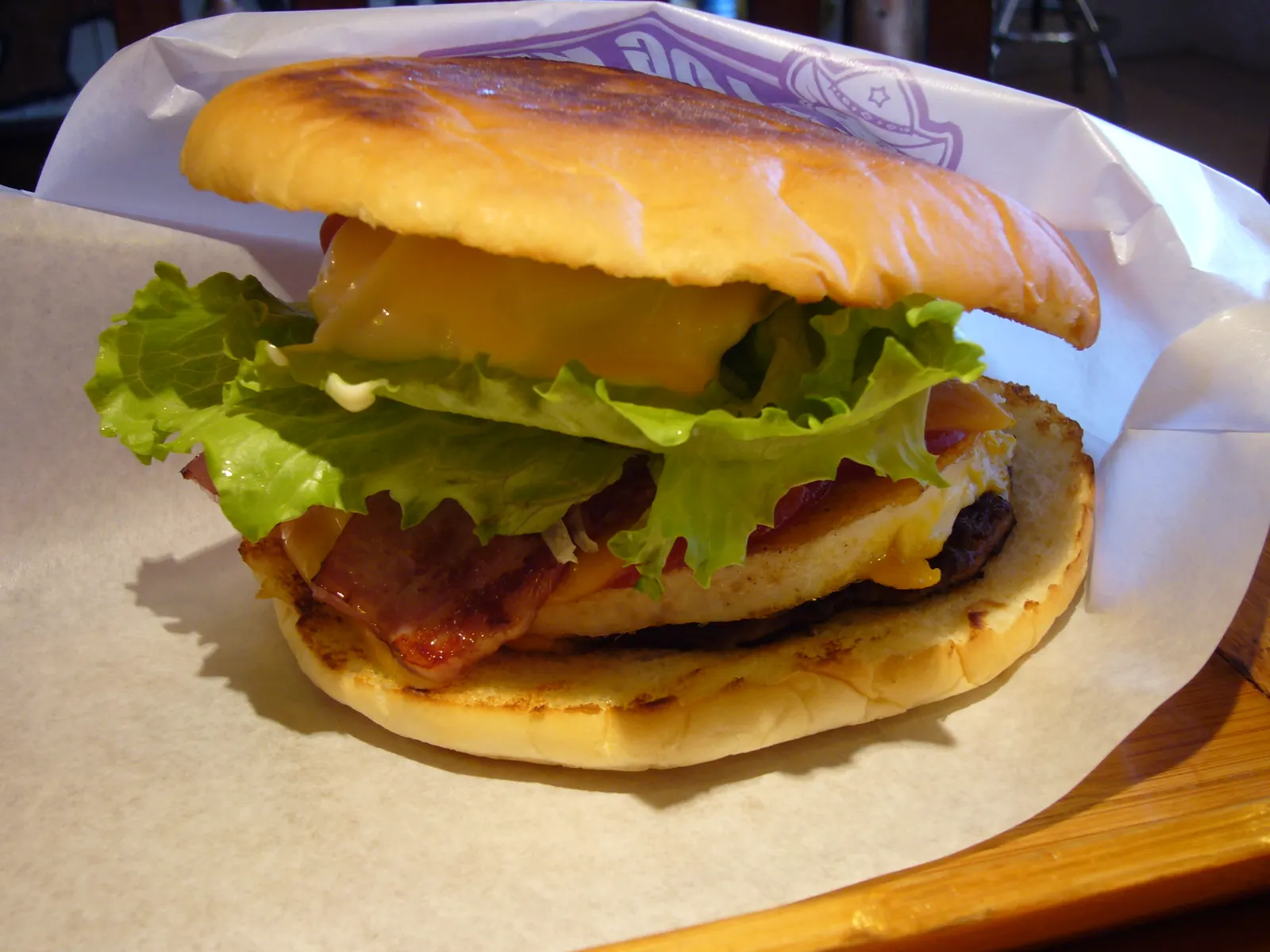
Not a recipe — a rule. It must be made by a Sasebo shop after you order it, with fresh vegetables and its own sauce. Everything else is up to the shop, which is why the 25-plus certified places all produce something different. It descends from the US Navy in the 1950s.
5 min from MiuraFull guide: Sasebo Burger & the arcade →Tenkaiho viewpoint
The classic view over the islands, from a headland the city planted with 150,000 cosmos for autumn and rape flowers for spring. It is the picture on every Sasebo poster and it costs nothing.
Bus or taxiFull guide: Tenkaiho →Huis Ten Bosch
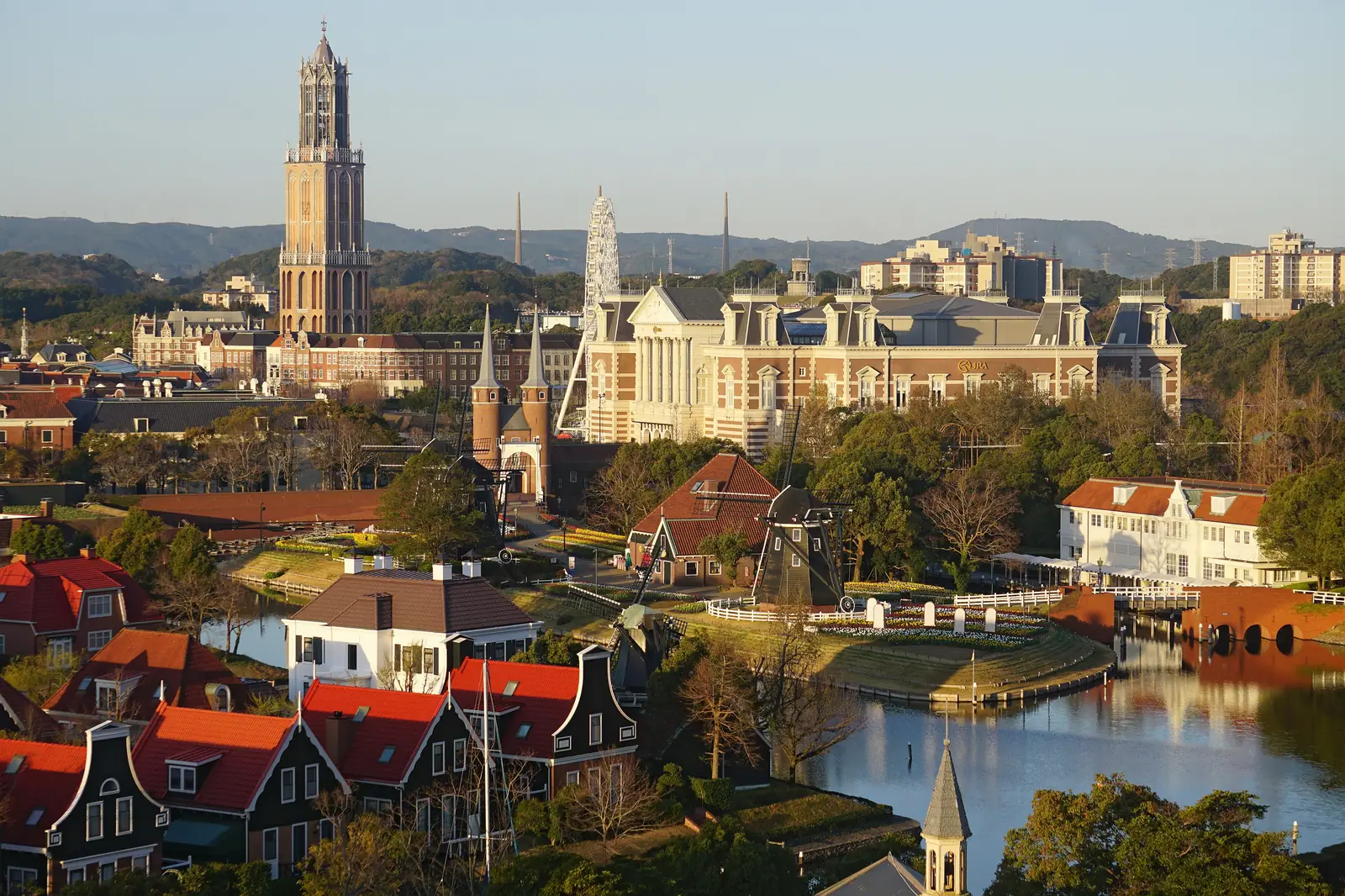
A full-scale Dutch town built in 1992 on 152 hectares — larger than Tokyo Disneyland — with real canals, brick streets, windmills and a million tulips in spring. It is unashamedly strange and Japanese families adore it.
Train ~20 minFull guide: Huis Ten Bosch →Lemon steak
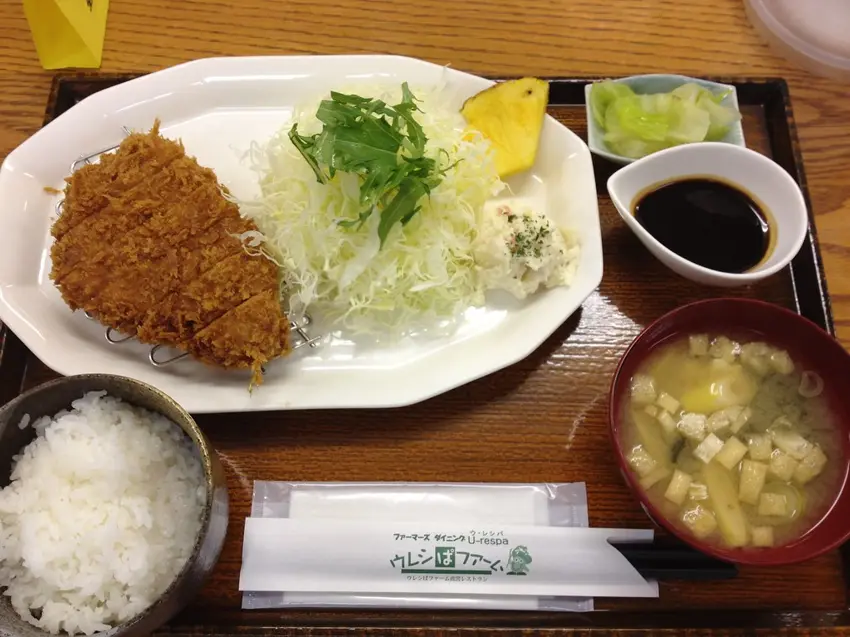
Thin beef seared on a hot plate and finished with a lemon and soy sauce, then rice tipped into the remaining sauce at the end. It was invented in this city in the 1950s and almost nowhere else in Japan serves it.
Town restaurantsGoogle Maps →The Sasebo arcade, end to end
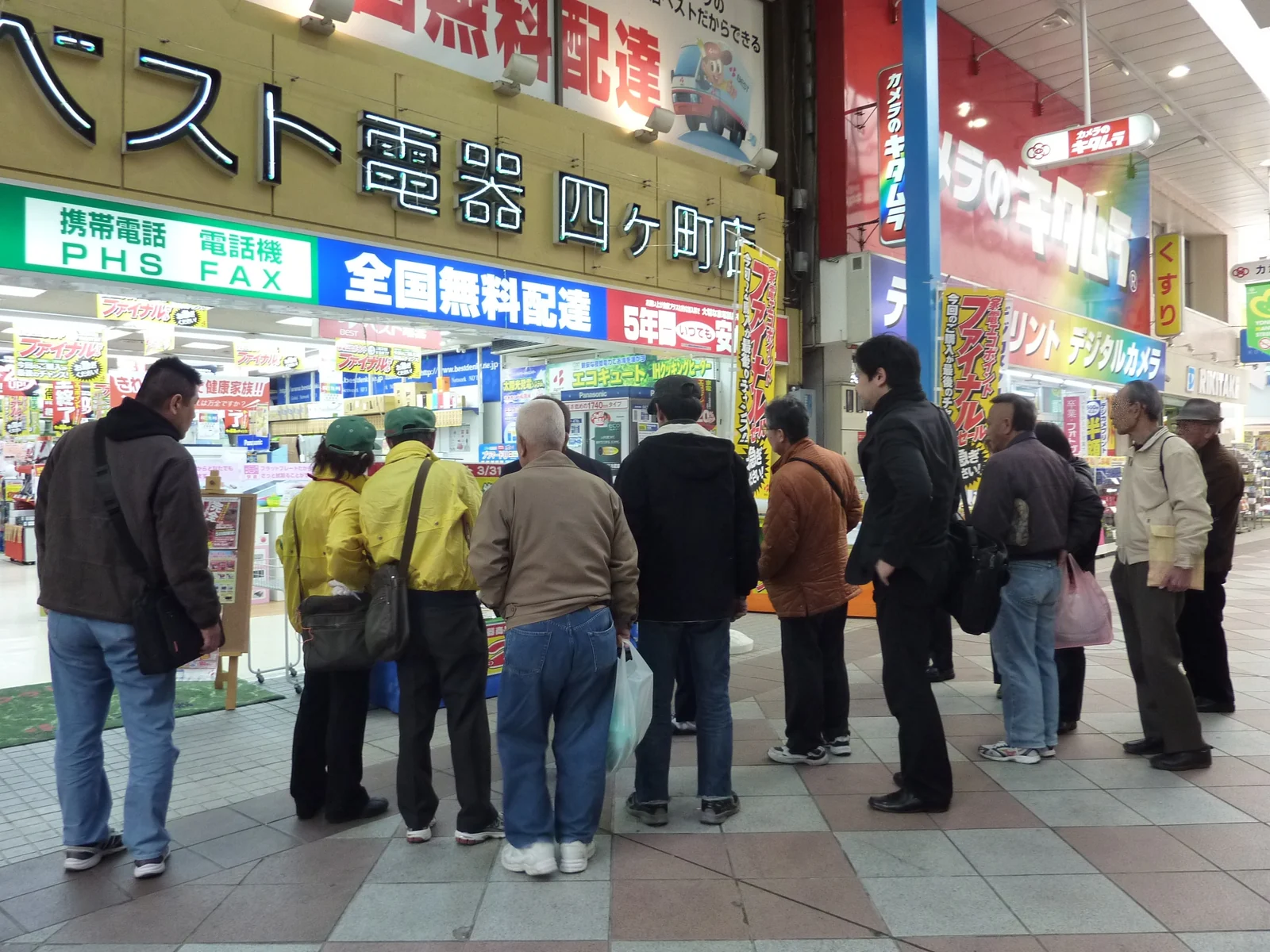
About a kilometre of covered shopping in a straight line, among the longest of its kind in Japan, five minutes from the gangway. It is where the town actually shops, it works in any weather, and it is free.
5 min from MiuraFull guide: Sasebo Burger & the arcade →Kuroshima Church
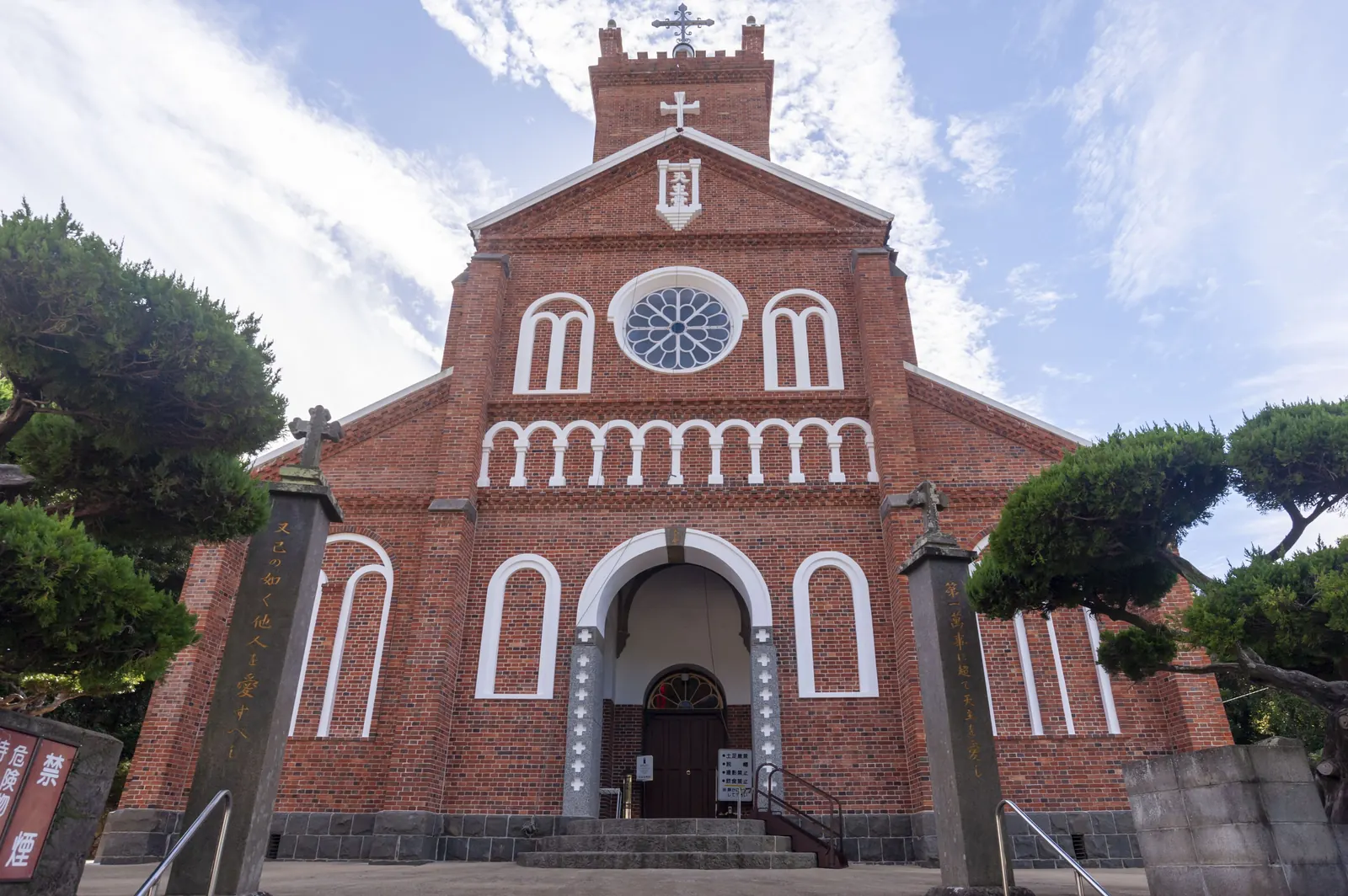
A brick church of 1902 on an island settled by families who hid their Christianity for 250 years and came out of hiding in the 1860s. It is World Heritage, access is managed, and almost nobody goes.
Ferry ~50 minGoogle Maps →Kujukushima oysters, in a hut
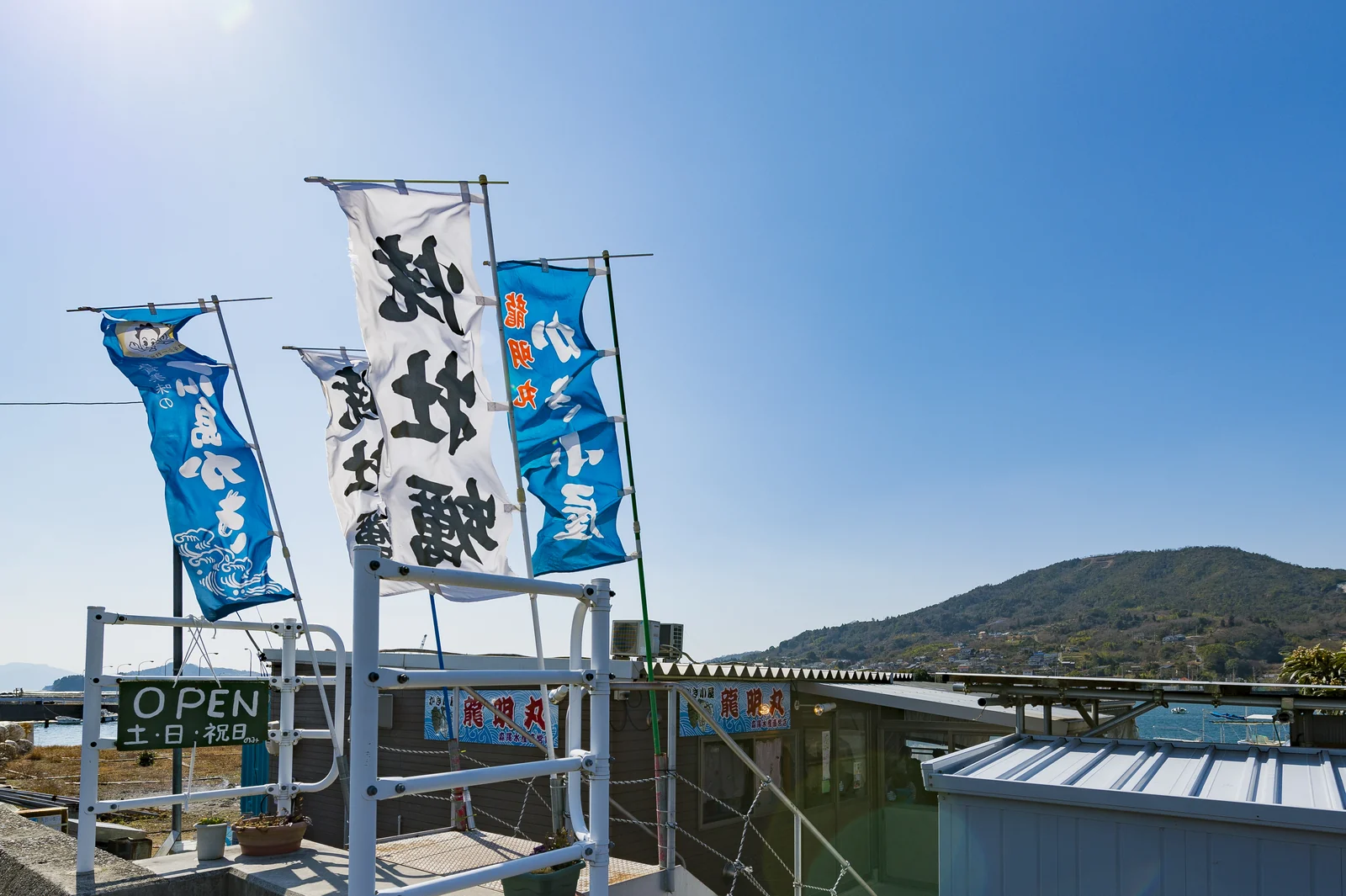
Grown in the sheltered water between the islands and eaten October–March in kaki-goya — shore huts where you grill them yourself over charcoal by the bucket. Cheap, filthy, and the best meal in this port in winter. The November 2026 oyster festival at Pearl Sea is cancelled after the summer heat cut the crop.
Bus ~25 minFull guide: Kujukushima →The Hario radio towers
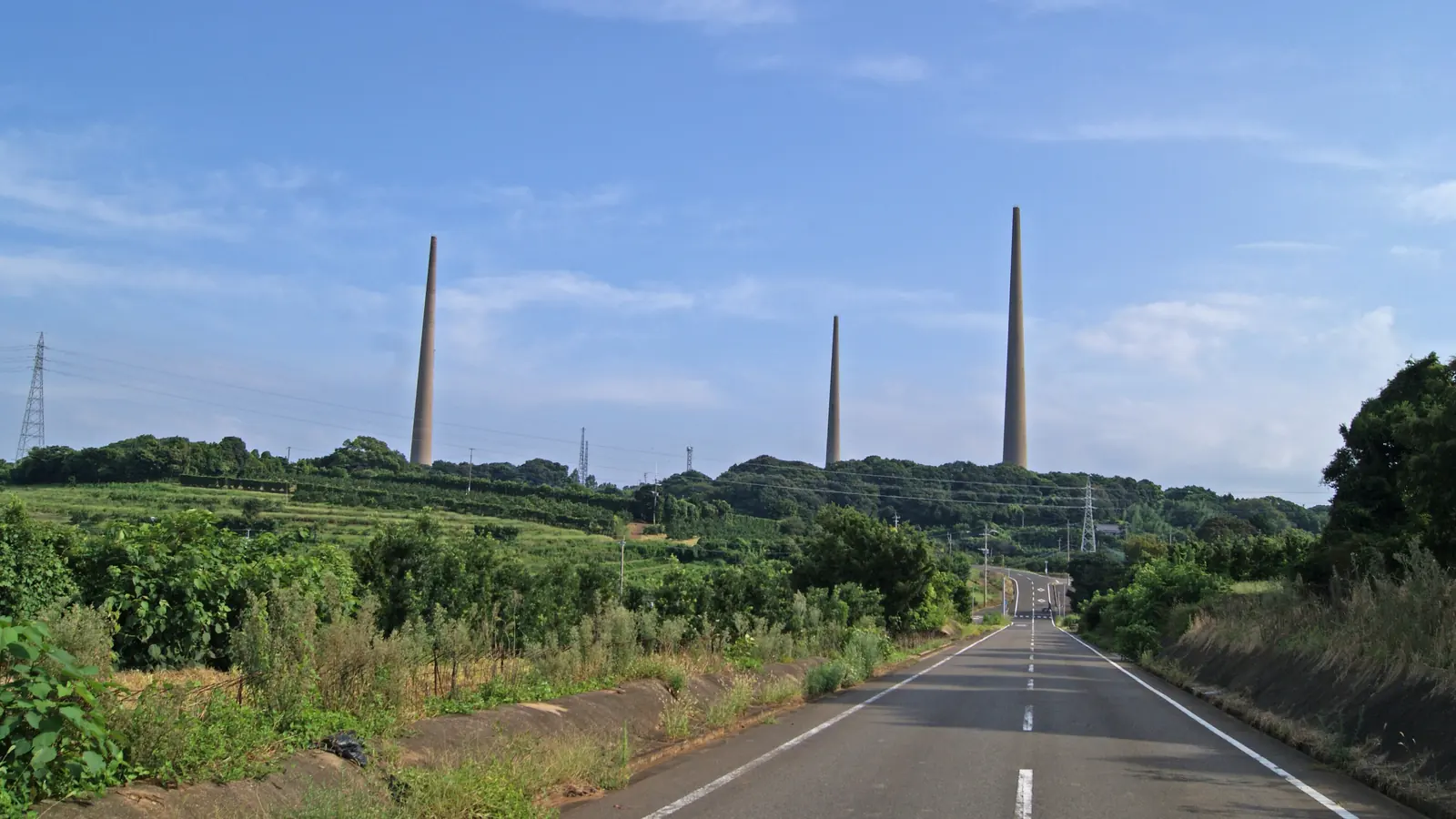
Three reinforced concrete towers of 1922, 136 metres tall, built to reach submarines across the Pacific. The signal ordering the attack on Pearl Harbor is often said to have gone out from here. They are still standing, and unnervingly quiet.
Mikawachi porcelain
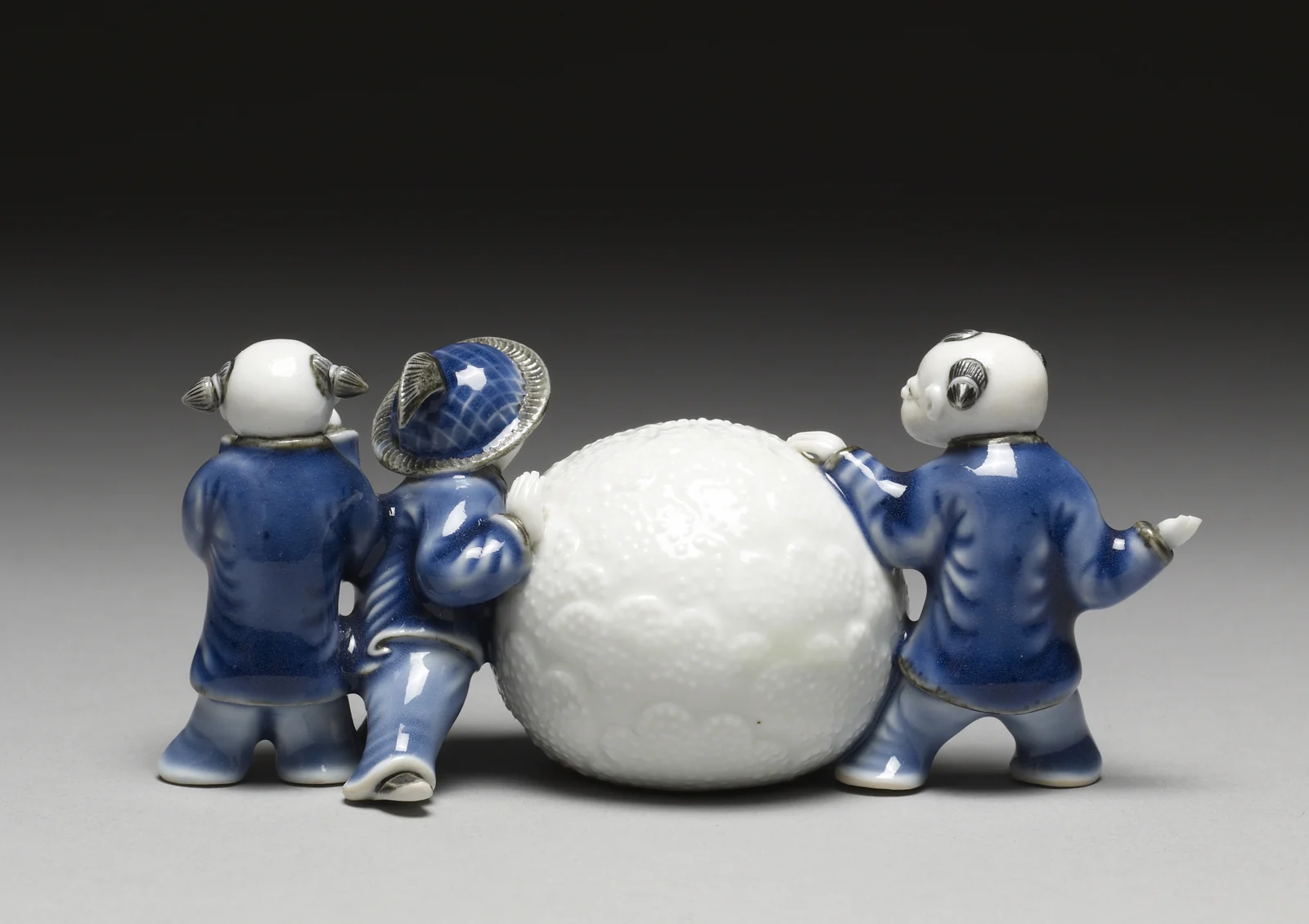
Blue-and-white porcelain made in the hills behind this port since the 1600s by potters brought from Korea, with a signature motif of playing children — the karako. It was the Hirado domain’s official ware and it is far less known than Arita. The Mikawachi Traditional Industry Hall is closed for renovation until autumn 2028 (planned); the neighbouring Utsuwa History Museum shows the ware meanwhile.
Train or taxiGoogle Maps →