Pick your hours and you get a finished day — every step timed from the gangway and back, and each route says how much room it leaves you before all-aboard. Swap anything you don't fancy.
10 hours, or an overnight ashore · 8 hr door to door
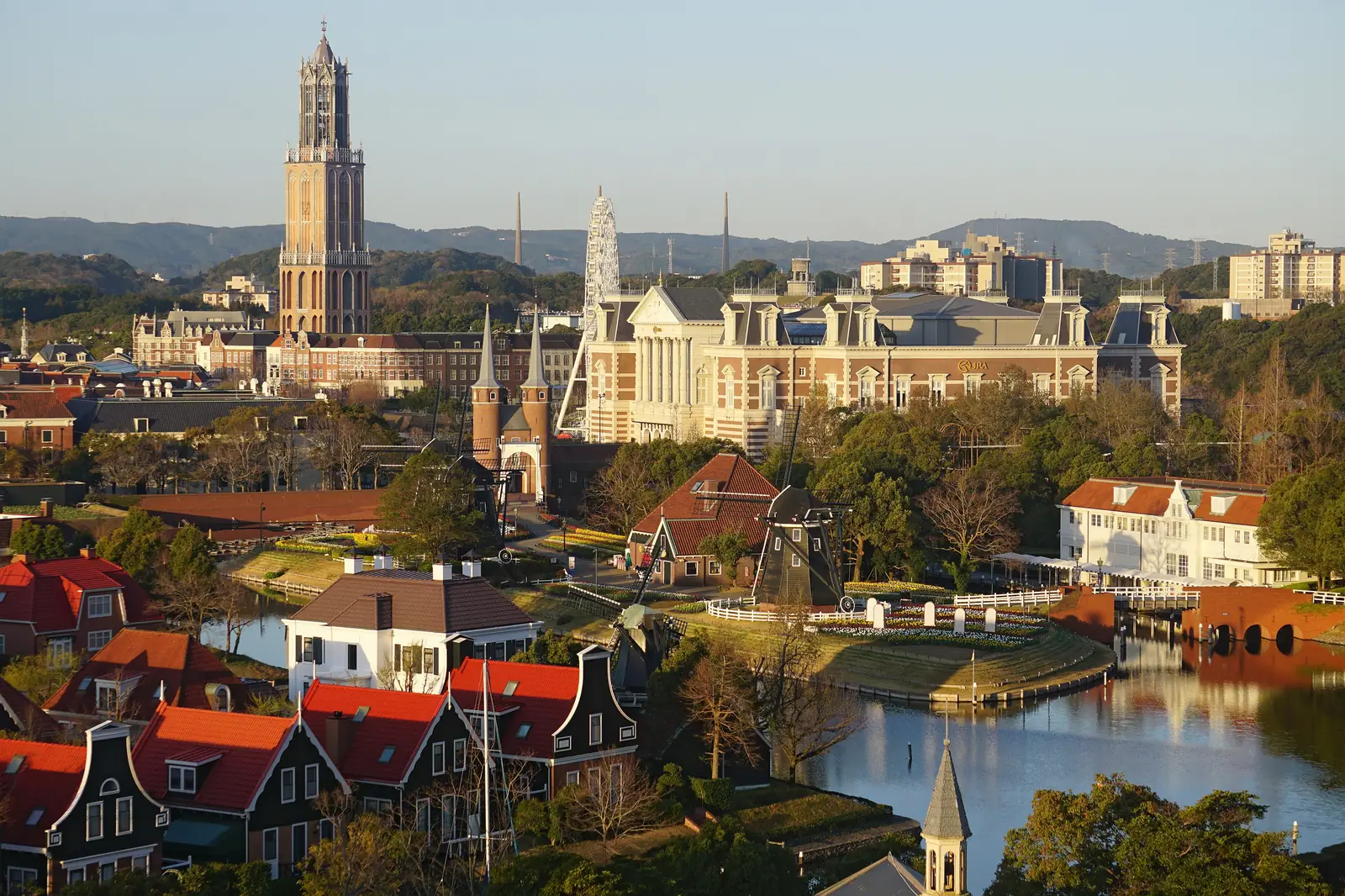
Huis Ten Bosch, or the hidden church
8h+ ashore
On a 9-hour stop that leaves 1 hr spare — the full hour this site recommends, and then some.
+0:00
Train to Huis Ten Bosch
~20 minutes. A full-scale Dutch town, larger than Tokyo Disneyland
+0:45
The canals, the windmills and the tulips
Tulips in spring; illumination after dark all year
+4:30
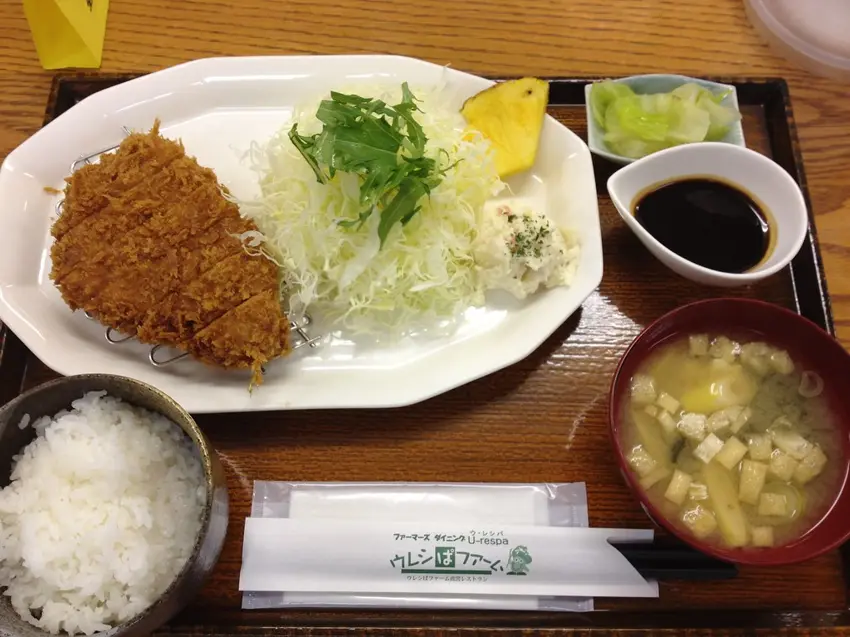
Train back and a lemon steak
Thin beef, lemon and soy, and rice to finish the sauce. Invented here
+6:30
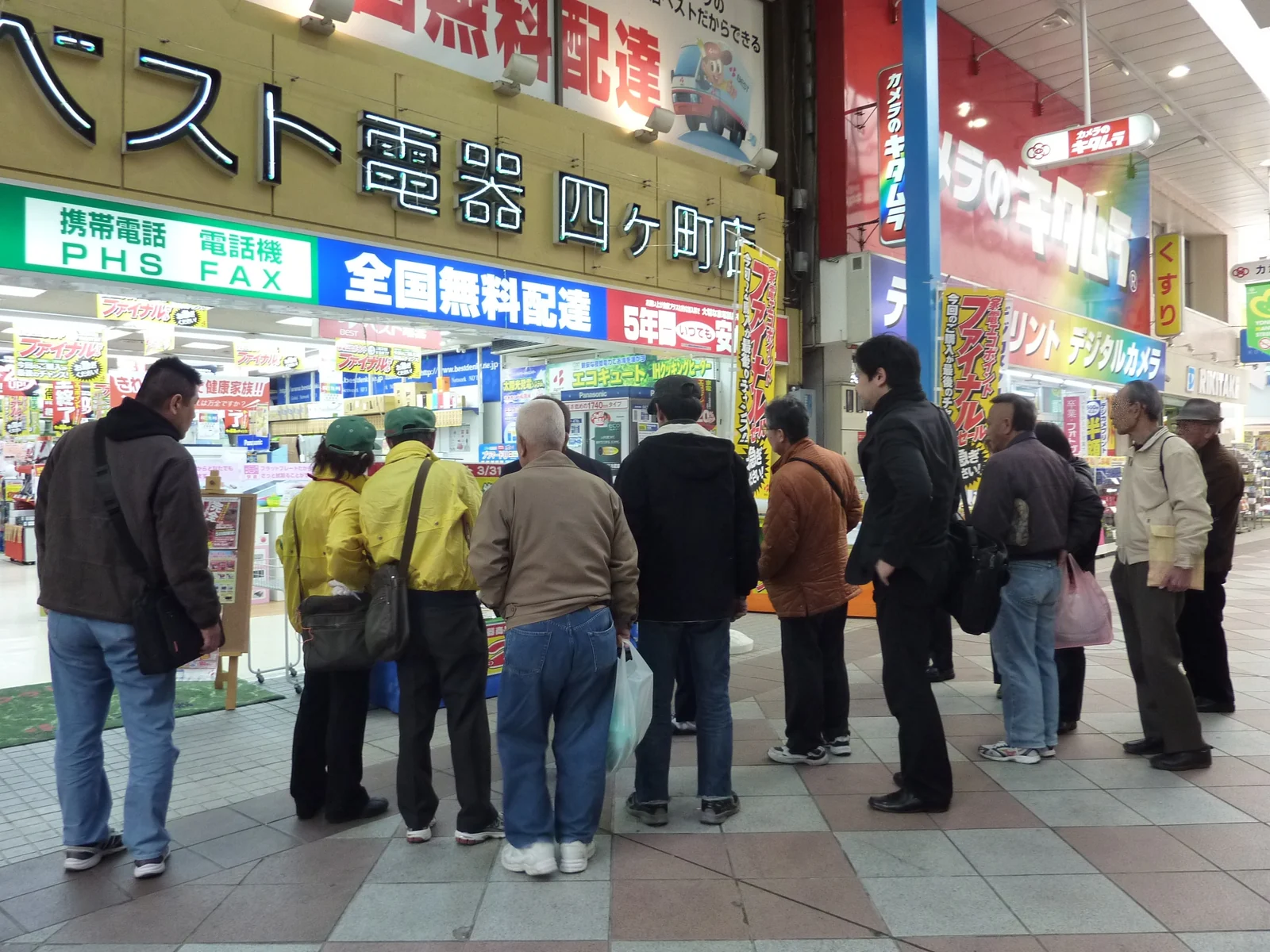
The arcade before you sail
+7:30
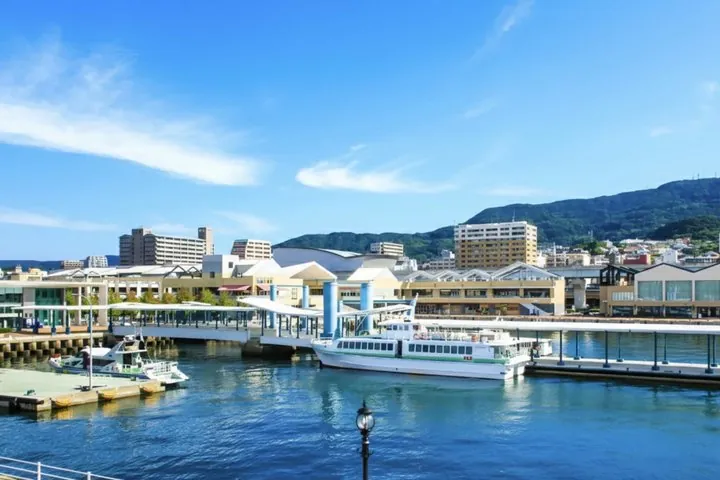
Back to Miura Wharf
The arcade ends near the water; the berth is central
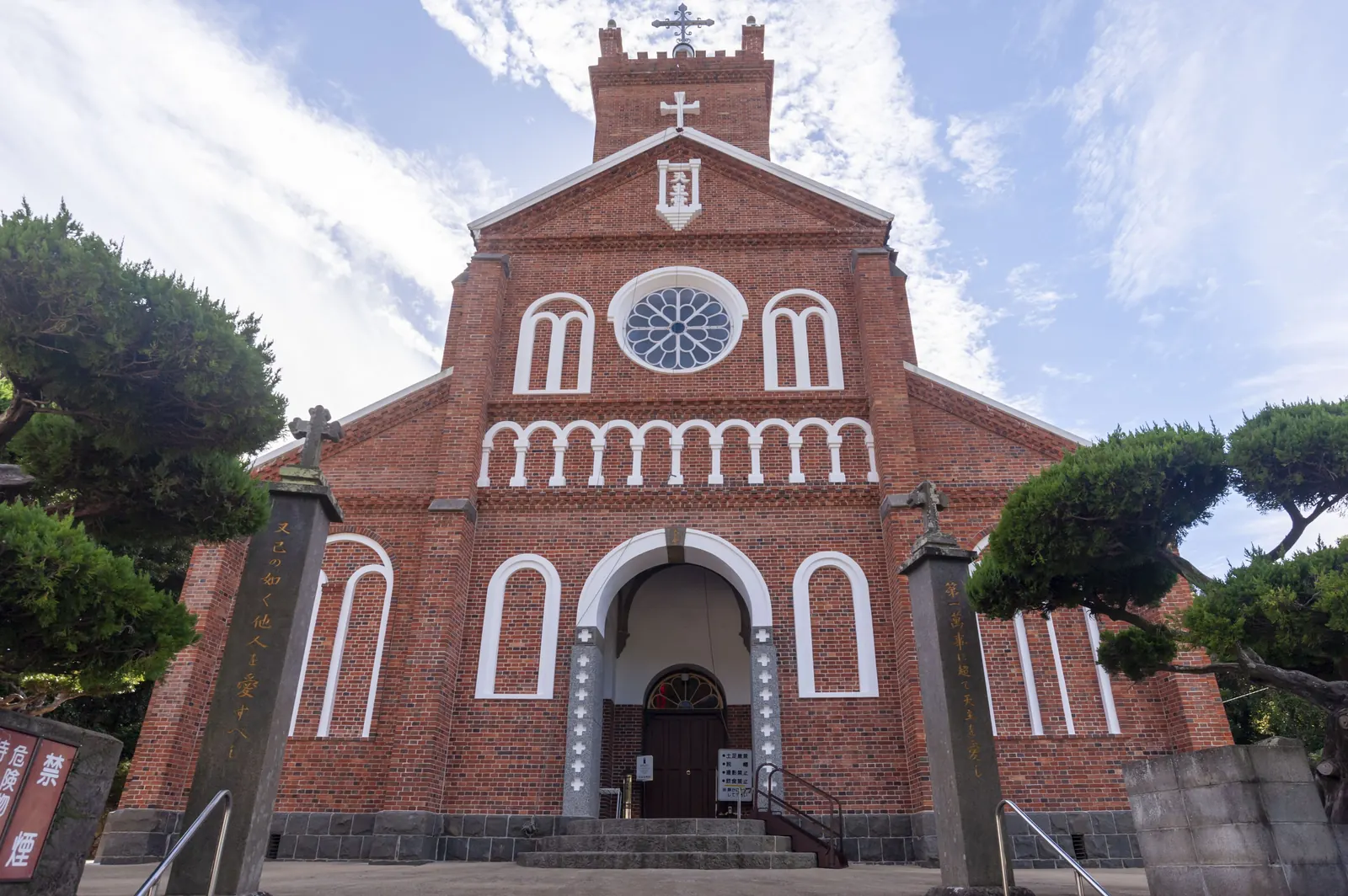
Running late? Alternative full day: the ferry to Kuroshima, fifty minutes each way, for a World Heritage church built in 1902 by families who had hidden their faith for 250 years. Contact the island in advance — access is managed.
Round trips are measured from the gangway and include getting back. Two stops in the same direction overlap, so a real day usually comes in under the total you see, never over it.
¥390about hourly from the station (weekdays 9:31–16:31); back from Pearl Sea about hourly to 16:00 — at weekends nothing back between 14:59 and 17:04
How to get there
① Saihi Bus from Sasebo Station stop 6 — follow the destination sign "Pearl Sea Resort / Kujukushima Aquarium", 18–27 min
These buses show a destination, not a route number — go by the sign. Pay cash as you get off (take a numbered ticket when you board); IC acceptance not confirmed.
The one rule: be back on board 60 minutes before all-aboard — every day above already banks it.Phones auto-switch to local time, but all-aboard runs on ship time. Check the daily programme's clock, not your lock screen.More to pick from on the Sasebo guide and theTop 10.
MY SHIP DAY — fill this in before you walk off
Ship
Date
Docked at (berth)
All-aboard (SHIP time)
My deadline = all-aboard − 60 min
Last shuttle back
Phones auto-switch to local time; all-aboard runs on ship time. Write both if they differ.
GETTING AROUND — the facts that don't change by day (today's times: ship's program or Google Maps)
Arcade & Sasebo Station: From Miura Wharf: the station is a 5-min walk (terminal leaflet); the arcade starts just beyond
Kujukushima boats & aquarium: ① Saihi Bus from Sasebo Station stop 6 — follow the destination sign "Pearl Sea Resort / Kujukushima Aquarium", 18–27 min Fare ¥390. about hourly from the station (weekdays 9:31–16:31); back from Pearl Sea about hourly to 16:00 — at weekends nothing back between 14:59 and 17:04.
SHOW THIS TO A TAXI DRIVER — 運転手さんへ
Please take me back to the cruise ship (Sasebo port)
クルーズ船乗り場までお願いします
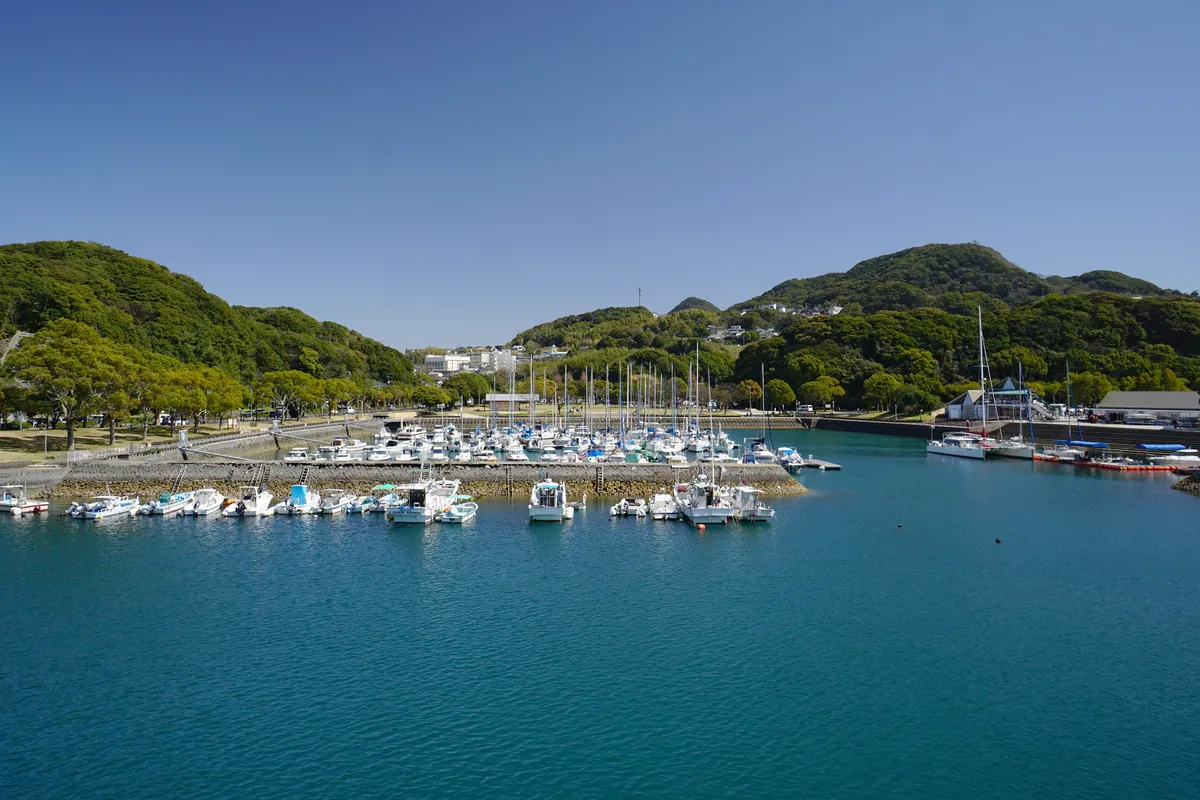
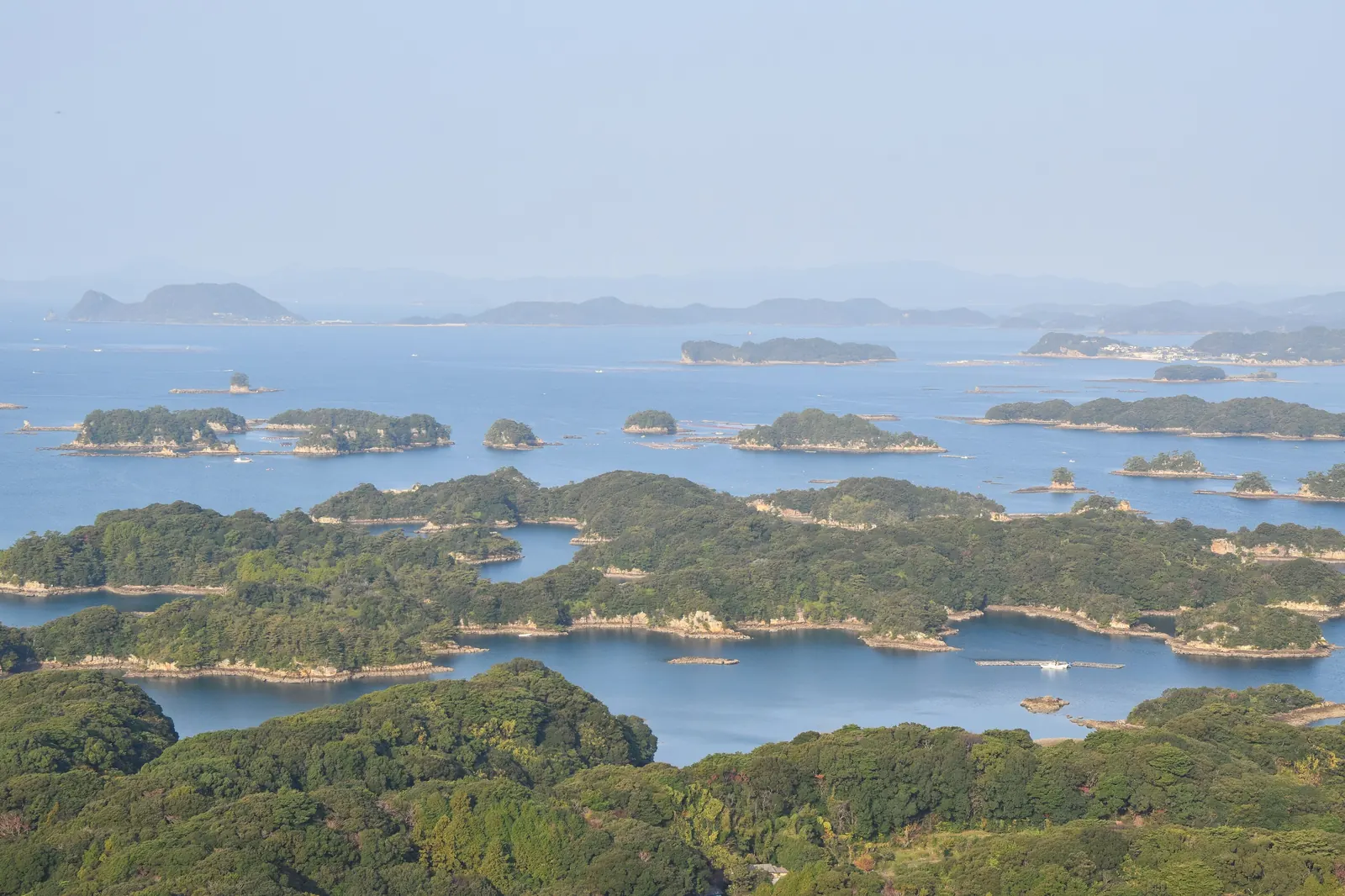
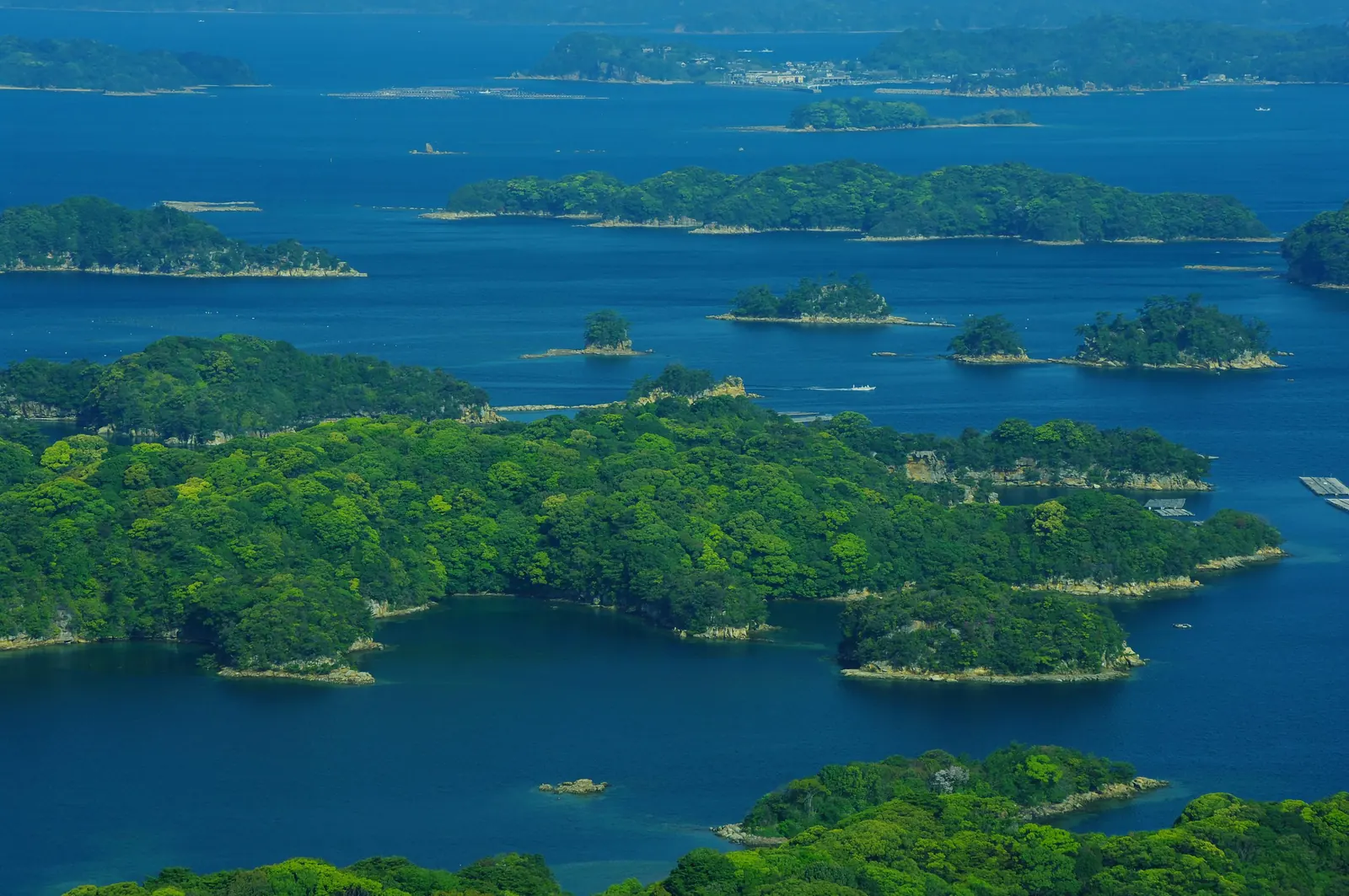
Kujukushima by boat
九十九島遊覧船
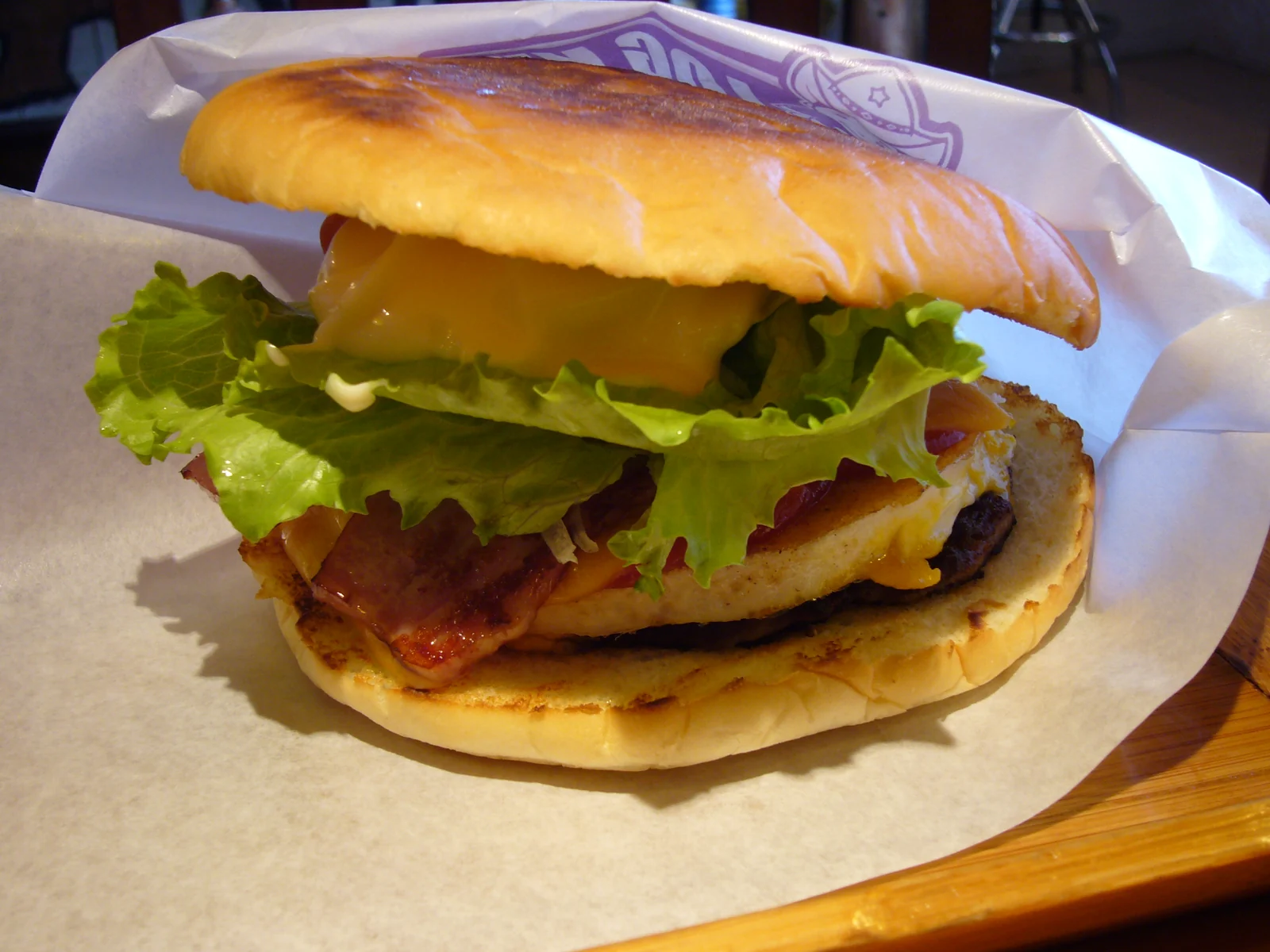
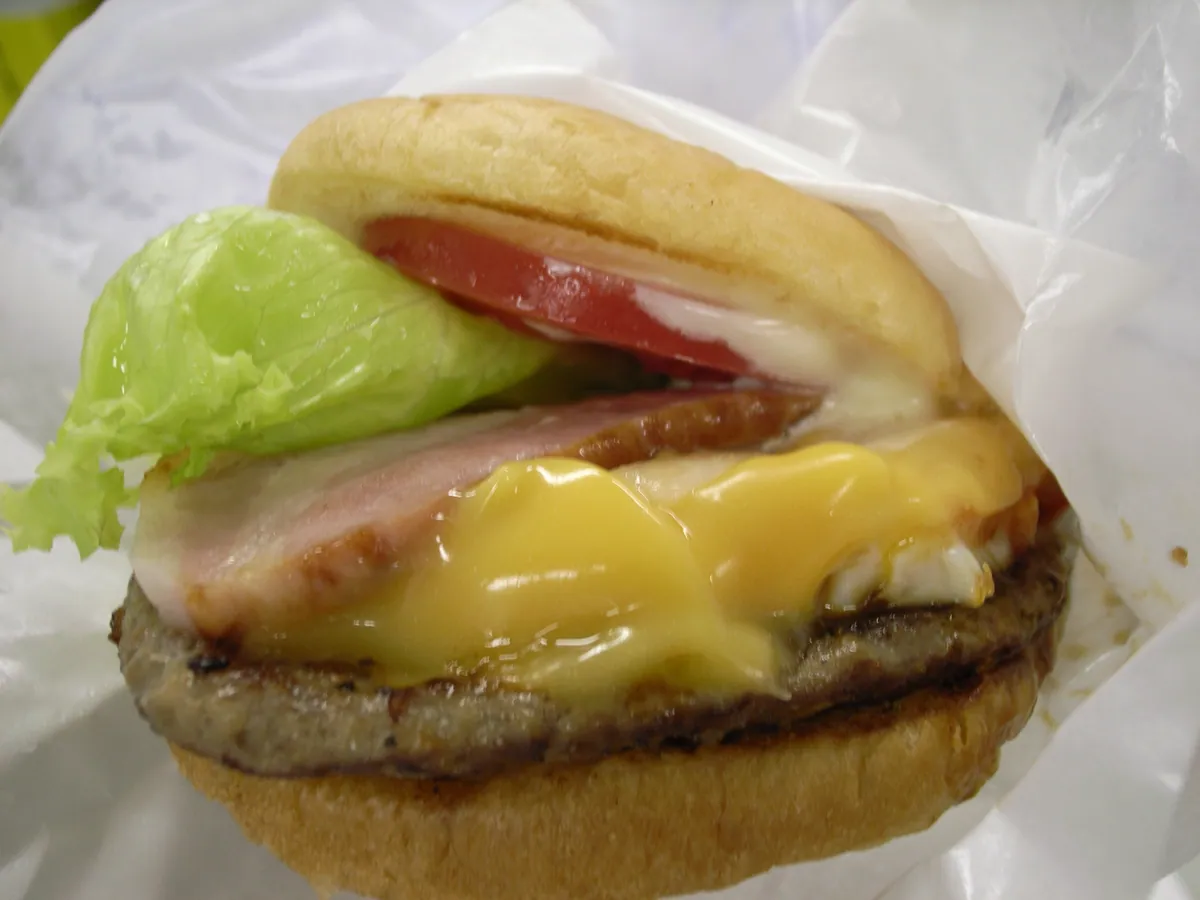
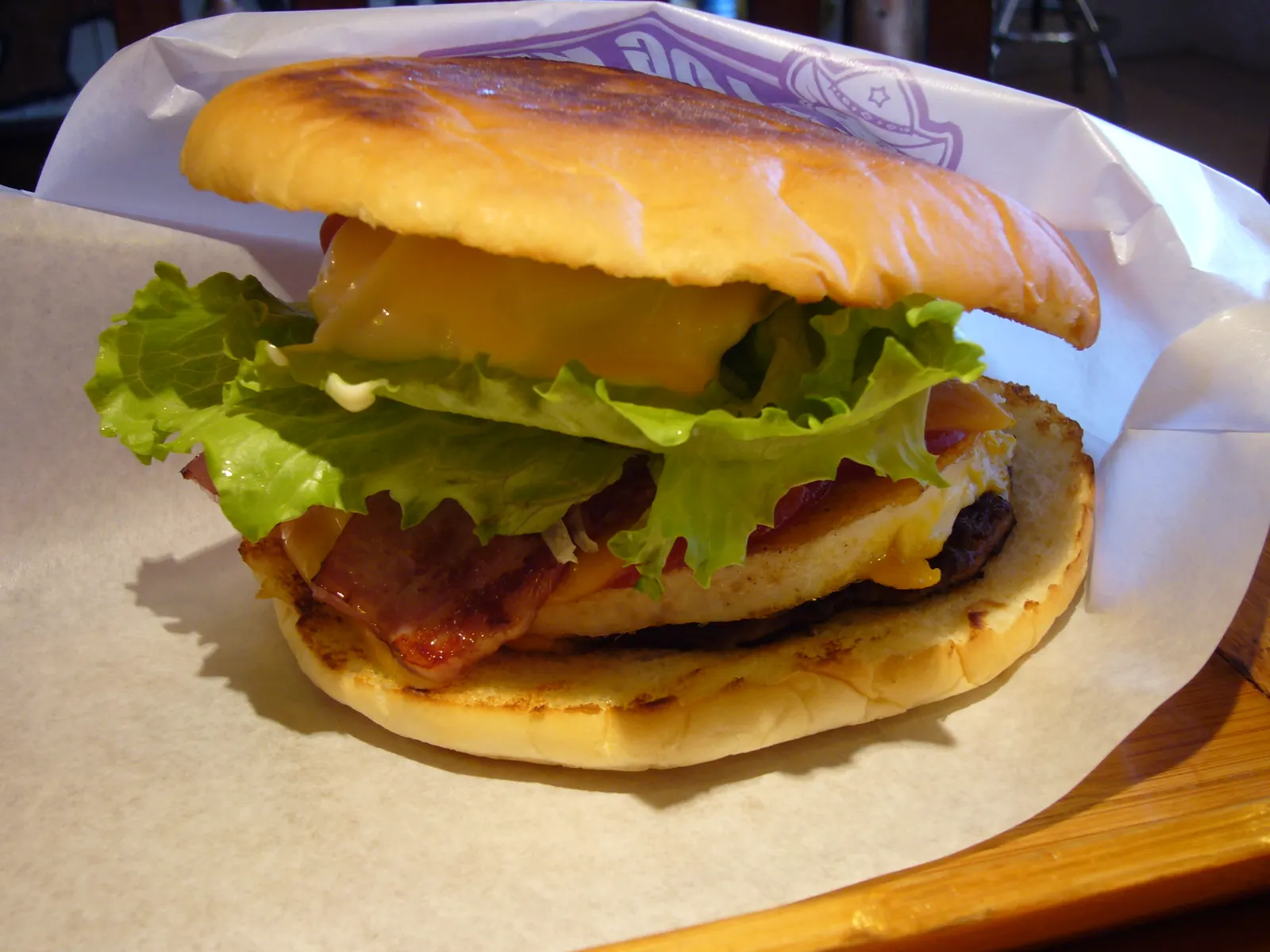
A certified Sasebo burger
佐世保バーガー
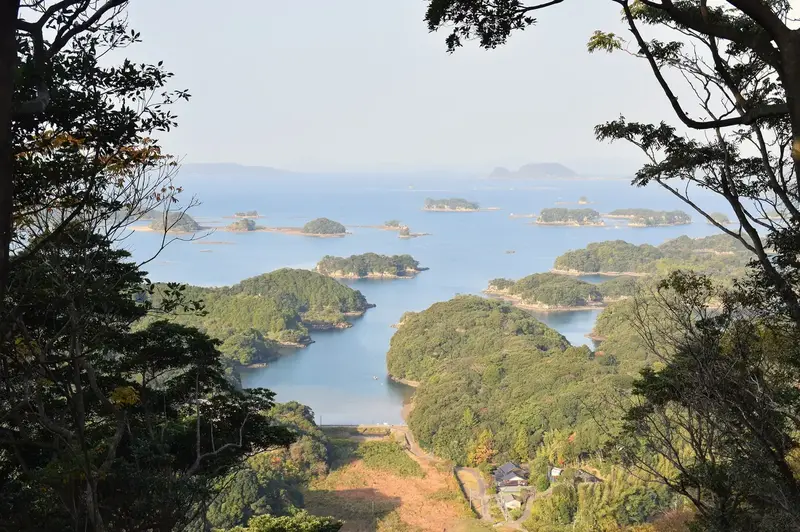
Tenkaiho viewpoint
展海峰
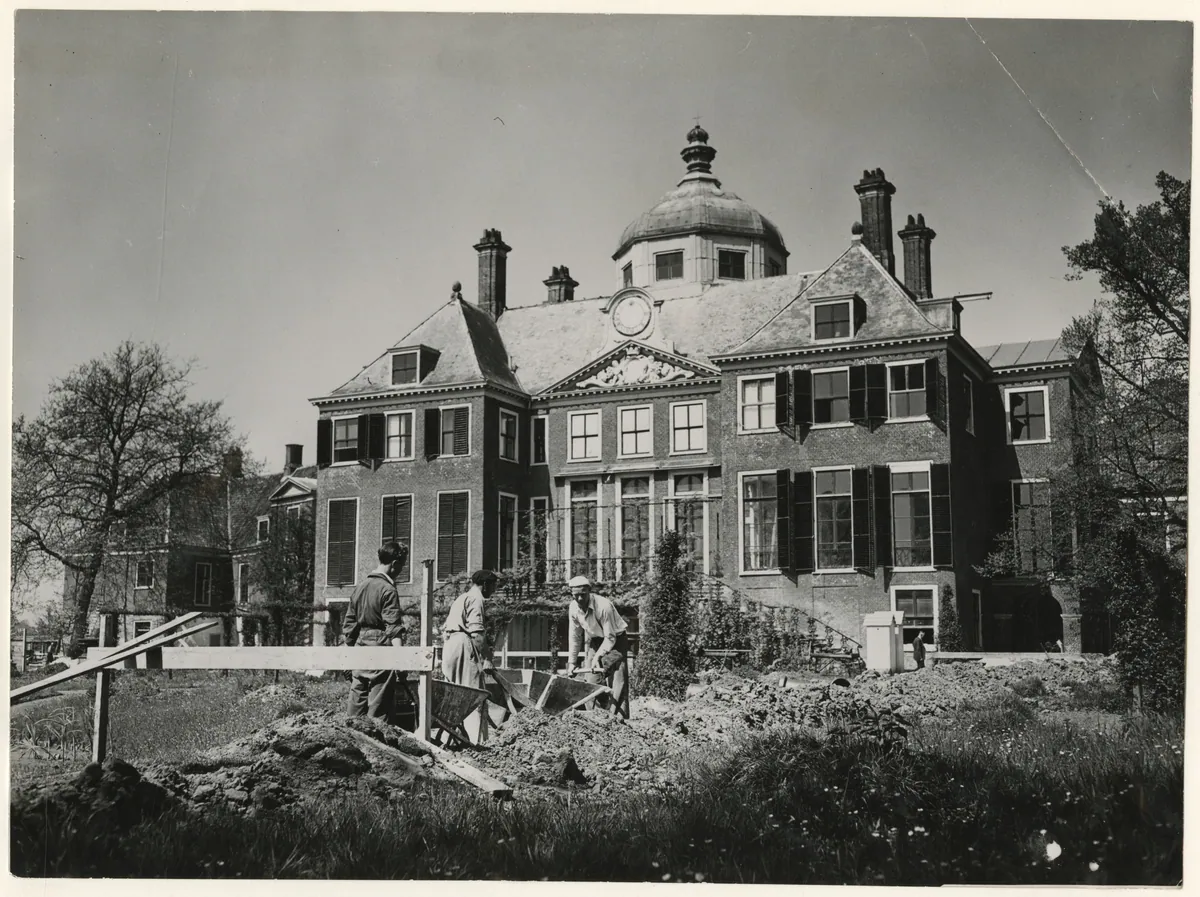
Huis Ten Bosch
ハウステンボス
The Sasebo arcade, end to end
させぼ四ヶ町商店街
Kuroshima Church
黒島天主堂
Point at a line. Taxis are metered and honest; tipping is not expected in Japan.
THE TWO-MINUTE PORT TALK — read aloud at breakfast
A village that became a fleet. Sasebo was a fishing village of about four thousand people when the Imperial Navy chose its harbour in the 1880s — deep, sheltered, and pointing at the Asian mainland. Within a generation it was one of Japan’s four naval districts, and it has been a navy town ever since, for two different navies.
A definition, not a recipe. There is no Sasebo burger recipe. There is a definition: made after the customer has ordered, by a Sasebo business, with fresh raw vegetables and the shop’s own sauce. Everything else is up to the shop — which is why dozens of certified places all produce something different, and why arguing about which is best is a local sport.
Two hundred and eight. Kujukushima means "ninety-nine islands," which in older Japanese was a way of saying "too many to count." The actual figure is 208 — the densest cluster of islands anywhere in Japan, in about twenty-five kilometres of water, and only four of them have anyone living on them.
The island that kept it. Christianity was banned in Japan in 1614 and the penalty was death. On small islands off this coast, families kept practising in secret for two hundred and fifty years, without priests, disguising prayers as Buddhist chants. When the ban lifted they came out — and on Kuroshima they built a church out of around four hundred thousand bricks they made themselves.
The one rule: be back on board 60 minutes before all-aboard — every plan above already banks it. · Free guide: port-of-japan.com/sasebo/ · By Takumi Yamada, Tokyo, Japan