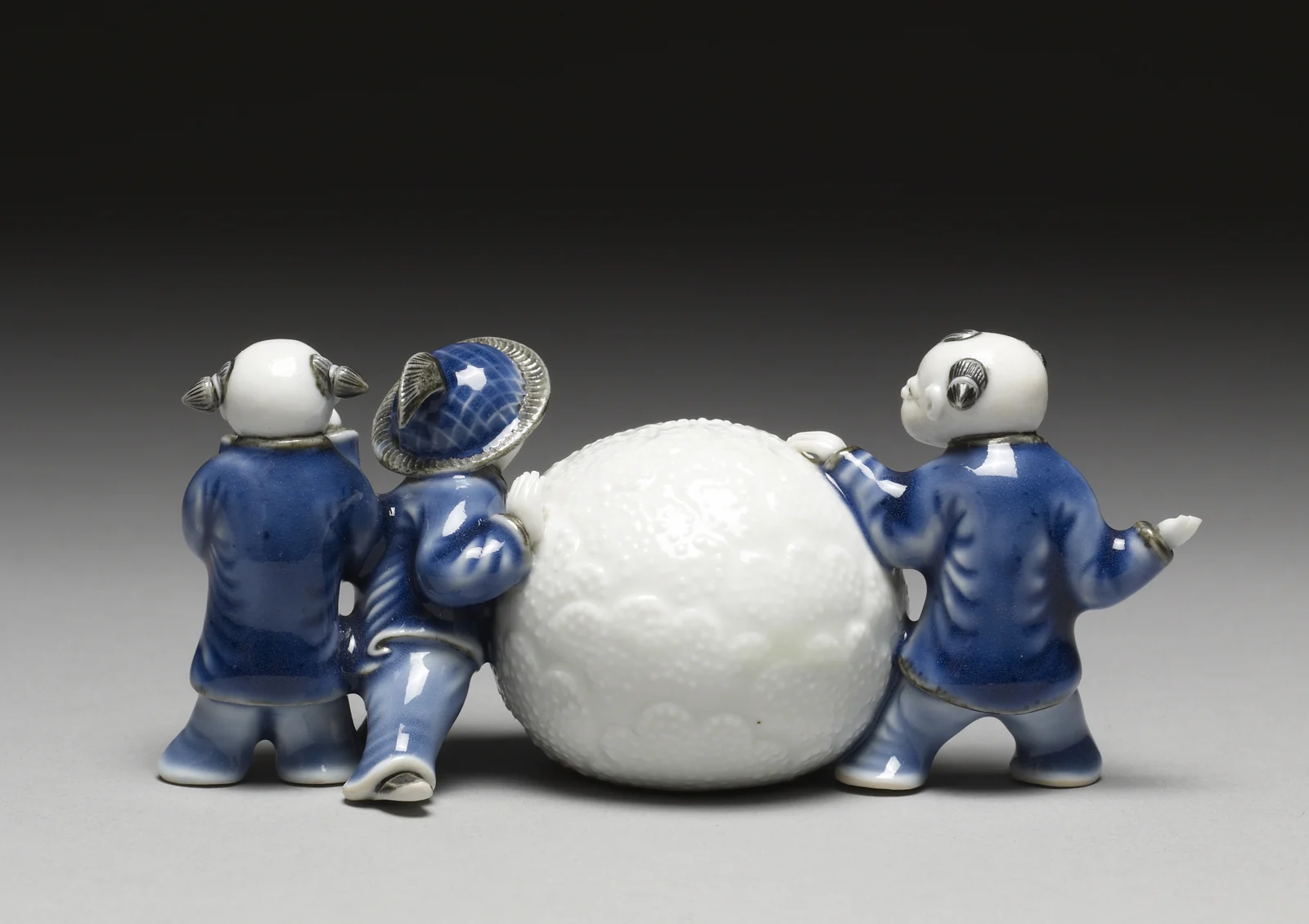
 Photo: Anonymous (Japan)Unknown author / Public domain
Blue-and-white porcelain made in the hills behind this port since the 1600s by potters brought from Korea, with a signature motif of playing children — the karako. It was the Hirado domain’s official ware and it is far less known than Arita.
Korean potters, a domain’s secret kiln, and children painted on white porcelain
Mikawachi ware began with Korean potters brought to Hirado after the 1590s invasions, and became the official kiln of the Hirado domain. Its mark is fine white porcelain with underglaze blue, often painted with a boy under a pine. It supplied the shogunate and was exported to Europe from the 1860s.
In the hills behind this port, potters have made blue-and-white porcelain since the early 1600s. The founders were Korean, brought to Japan by force after the invasions of the 1590s. The ware became the private product of the Hirado domain, and its signature is a group of playing children whose number tells you the grade.
And Japanese ceramics change permanently
With porcelain stone from Amakusa
The best work is for presentation, not sale
And much of the finest work leaves Japan
Go inland to the kilns and buy one small piece. Nobody will offer you this, which is why almost nobody goes.
Both pins on one map, so the distance is a fact rather than a feeling.
Each of these still lands you back aboard with the hour to spare on a 6-hour stop ashore.
Each of these still lands you back aboard with the hour to spare.
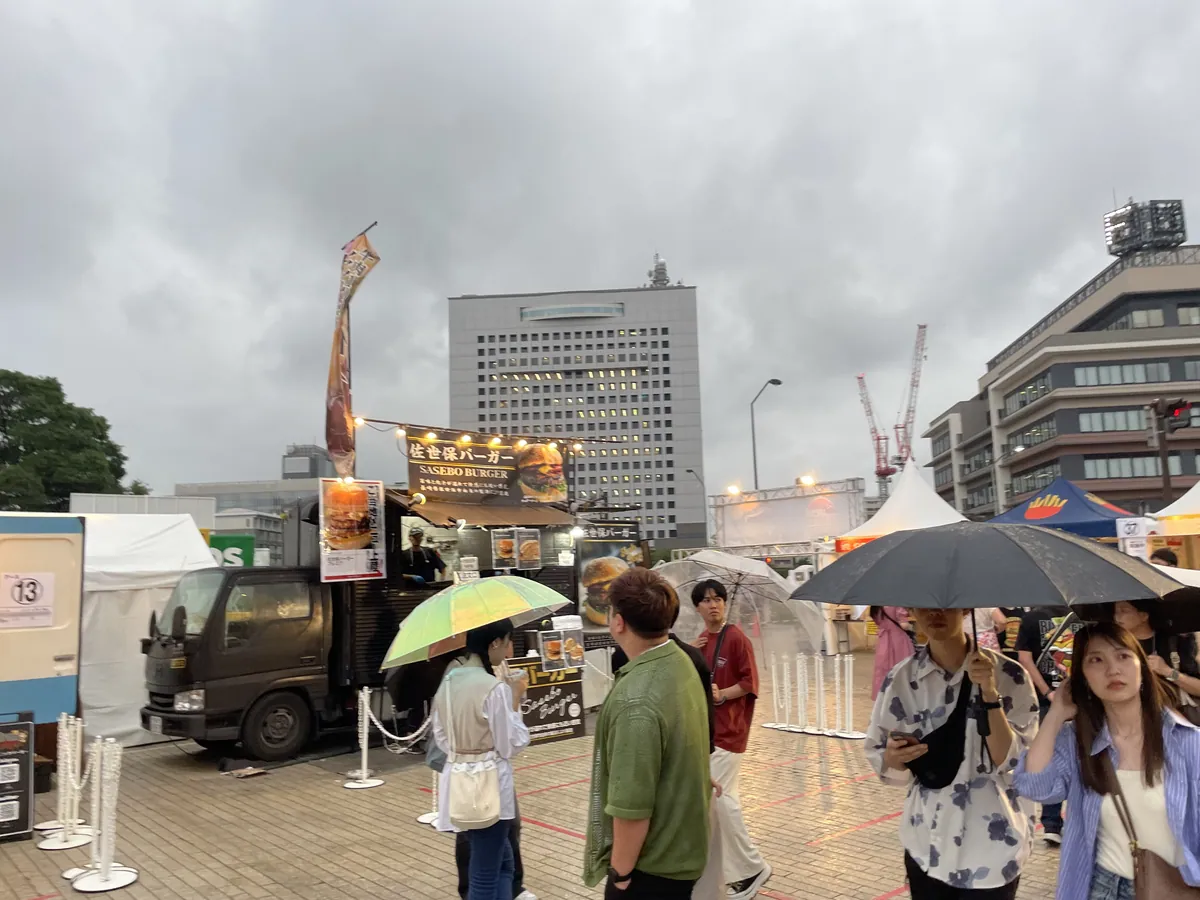 4 hr 45 min for both
Not a recipe — a rule.
See the detail →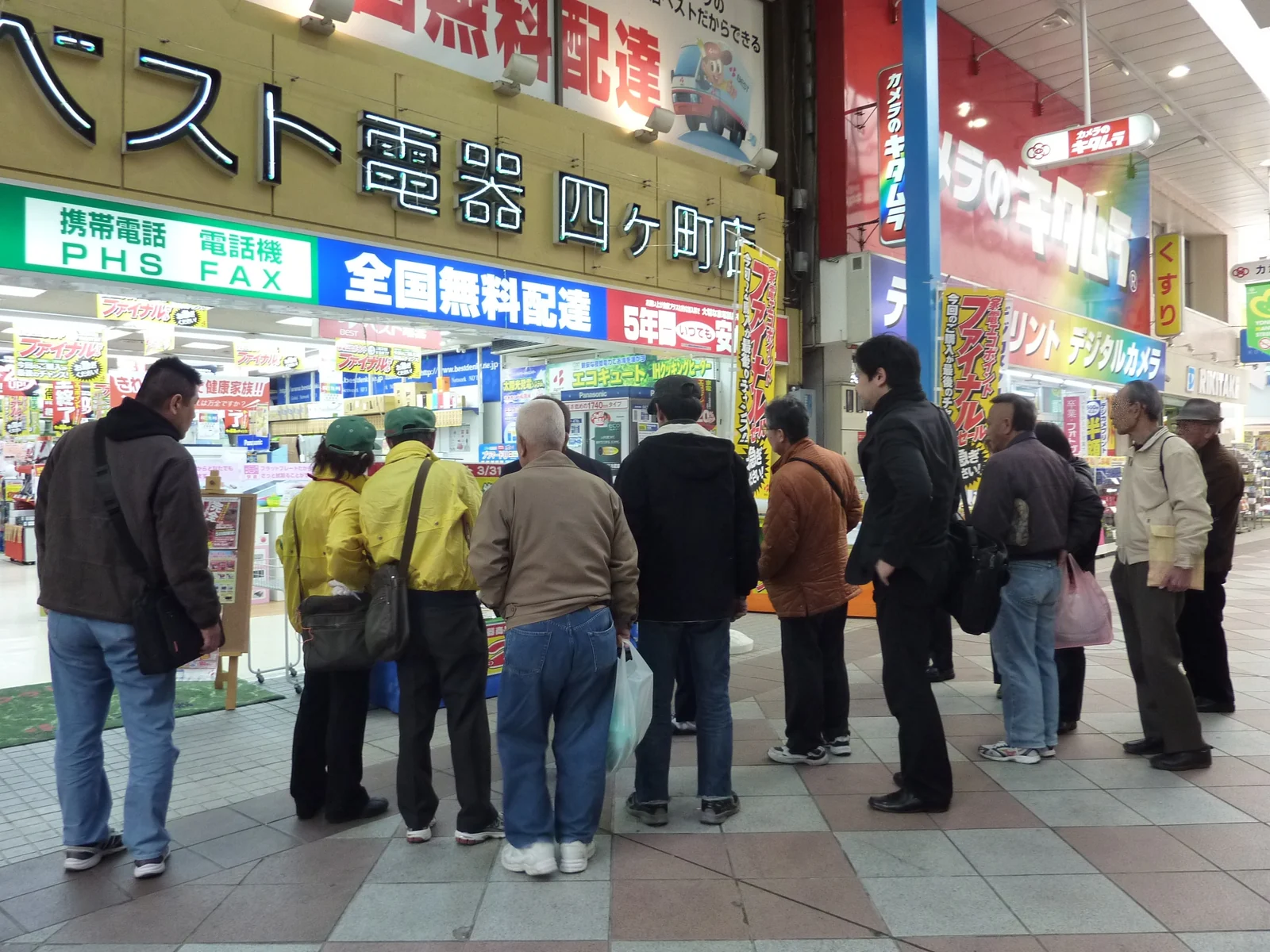 4 hr 45 min for both
About a kilometre of covered shopping in a straight line, among the longest of its kind in Japan, five minutes from the gangway.
See the detail →No typing needed — jump straight in:
Just docked? — the gangway toolStart from your shipThe ride from every berthAsk the editorGlossary