
Home / Miyakojima / Culture
Culture & history · MiyakojimaMiyako blue
Why the clearest water in Japan is a fact of geology, not a tourist-board adjective
Every island in Okinawa claims beautiful water. Miyako’s claim is different in kind: the island has no rivers, and that single fact explains the colour that ended up with its own name.
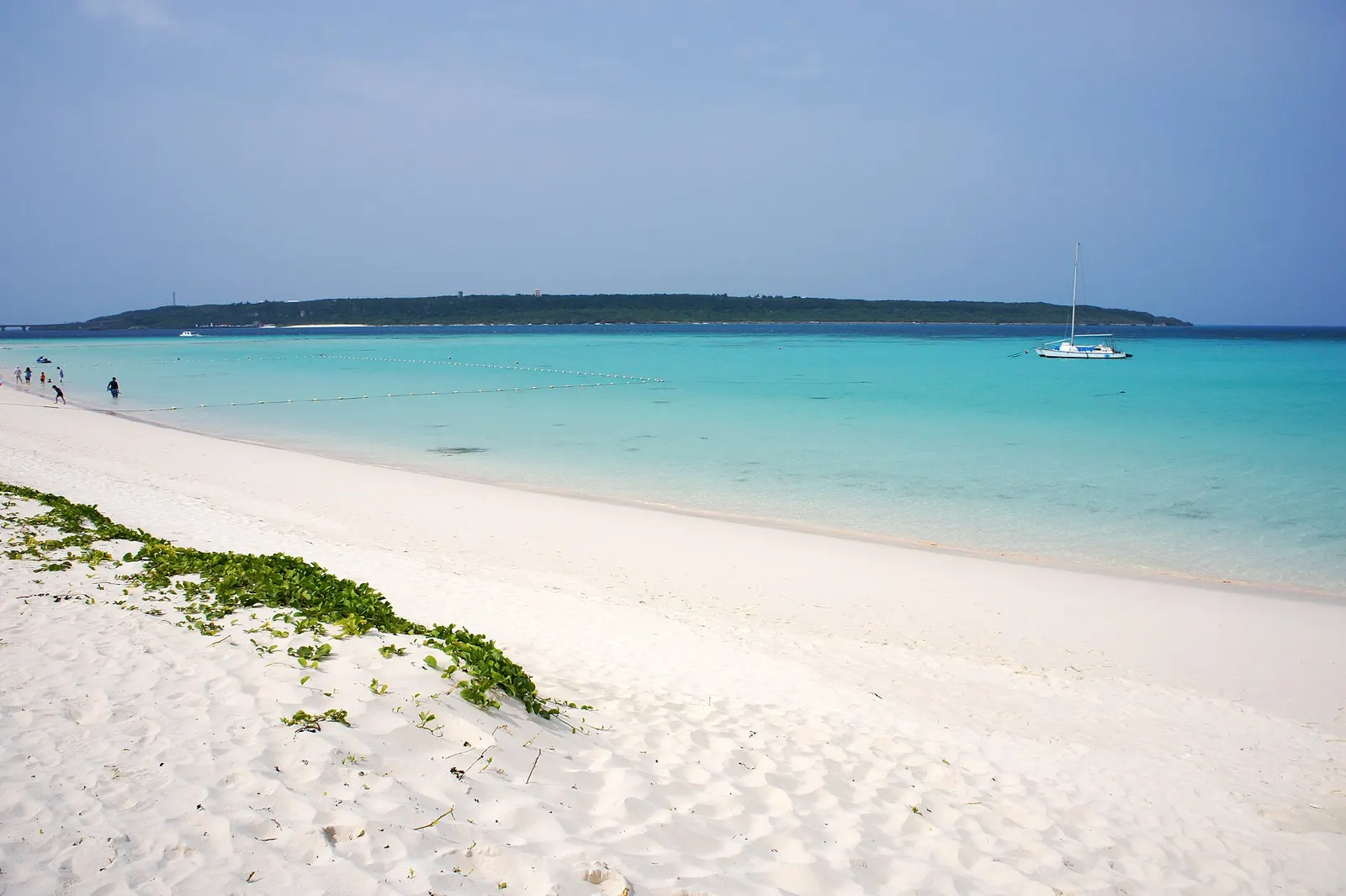
Miyako is a slab of raised coral limestone — flat, porous, and riverless. Rain does not run off the land carrying soil into the sea; it sinks straight down through the rock into underground channels. No runoff means no silt, and no silt means the water over the reef stays clear to depths that feel impossible the first time you look down.
The result has a local name — 宮古ブルー, Miyako blue — and it is not one colour. Over white sand it reads as milk-glass turquoise; over coral heads it darkens to ultramarine; in the channels under the bridges it layers both at once, which is why crossing Irabu Ohashi feels like driving over a paint chart.
The same fact, seen from a farm
The geology that makes the sea clear made the land hard. No rivers meant no paddies, and for most of its history the island grew sweet potato and sugarcane in thin soil over rock, hostage to drought. The 1960s solved it with something rare: an underground dam — walls sunk into the limestone to hold the groundwater the island could never see. Miyako’s dams are invisible, which is the most Miyako fact of all.
So read the colour honestly: it is the surface of a system. The clarity that fills your camera at Maehama and the sugarcane in the interior are the same stone doing two different jobs.
FAQ
Why is the water at Miyakojima so clear?
Geology: the island is porous coral limestone with no rivers, so rain sinks underground instead of washing soil into the sea. No runoff means no silt, which is why visibility here beats islands with taller mountains and bigger reefs.
What is Miyako blue?
The local name for the island’s layered sea colours — milk-glass turquoise over sand, ultramarine over coral. It is a real optical effect of clear water over white carbonate, not a marketing phrase, though it has become that too.
More from Miyakojima
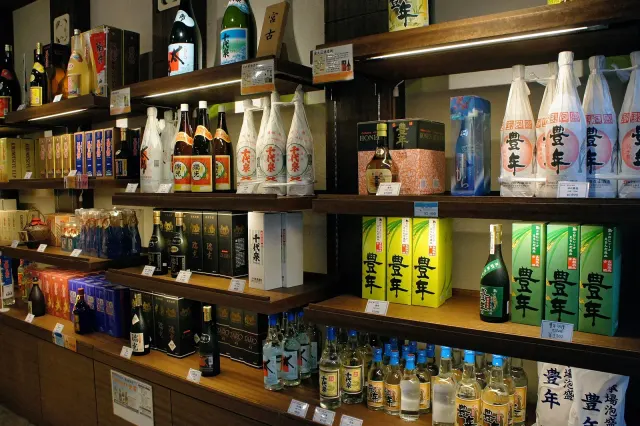
The island’s drinking ritual — and how a visitor survives it with dignity
Read →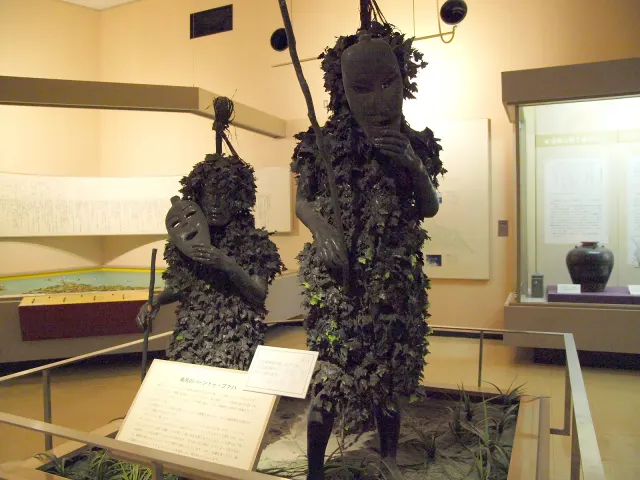
Masked spirits smear a village with mud for luck — a UNESCO-listed ritual that is not a show
Read →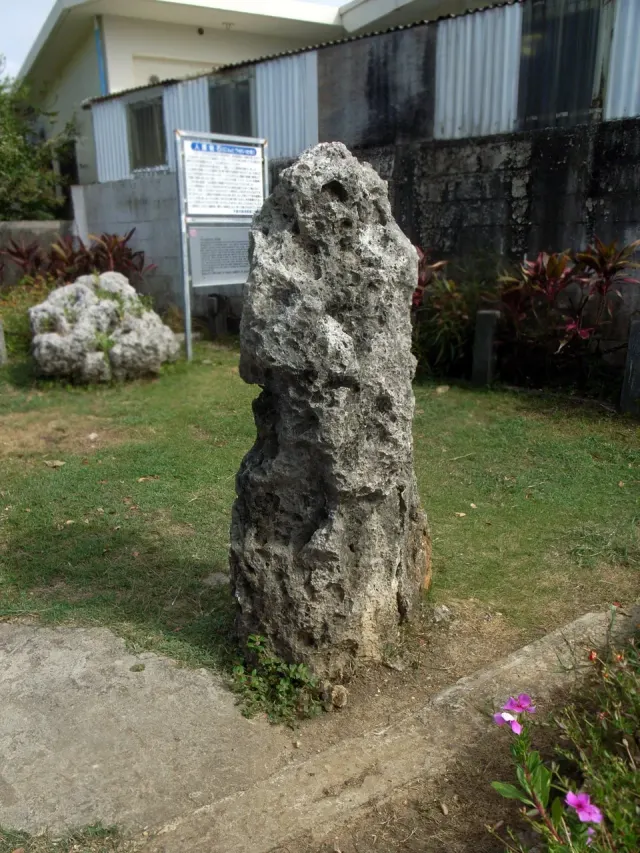
A 143cm stone and the 266-year tax that shaped everything on this island
Read →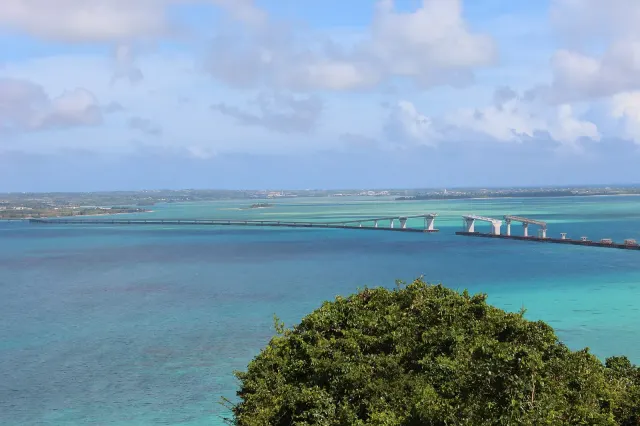
How a scattered island group stitched itself together — ending sea-lane school runs and midnight ferry births
Read →