01 · The colour
Miyako blue
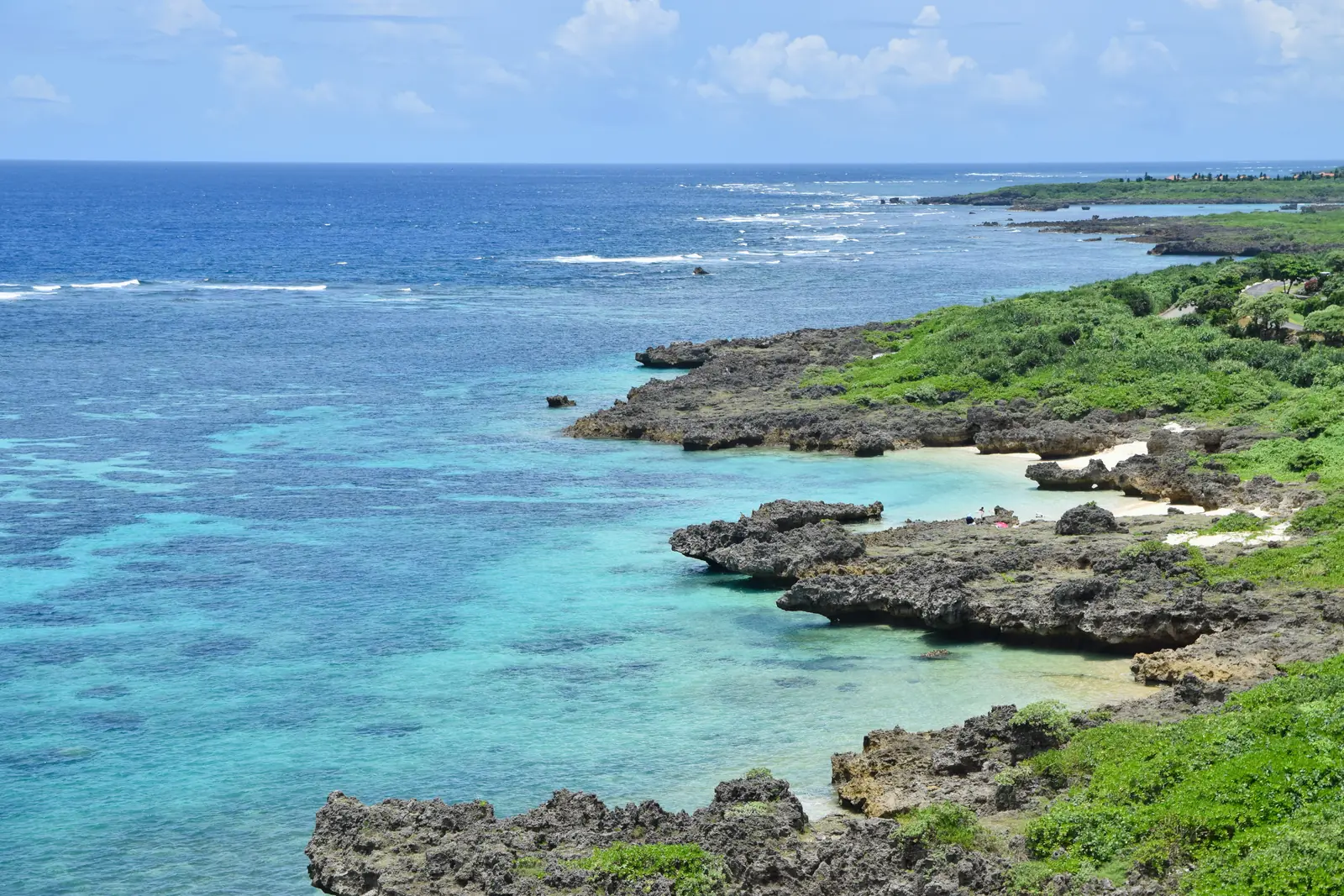
Every island in Okinawa claims beautiful water. Miyako’s claim is different in kind: the island has no rivers, and that single fact explains the colour that ended up with its own name.
Read the story →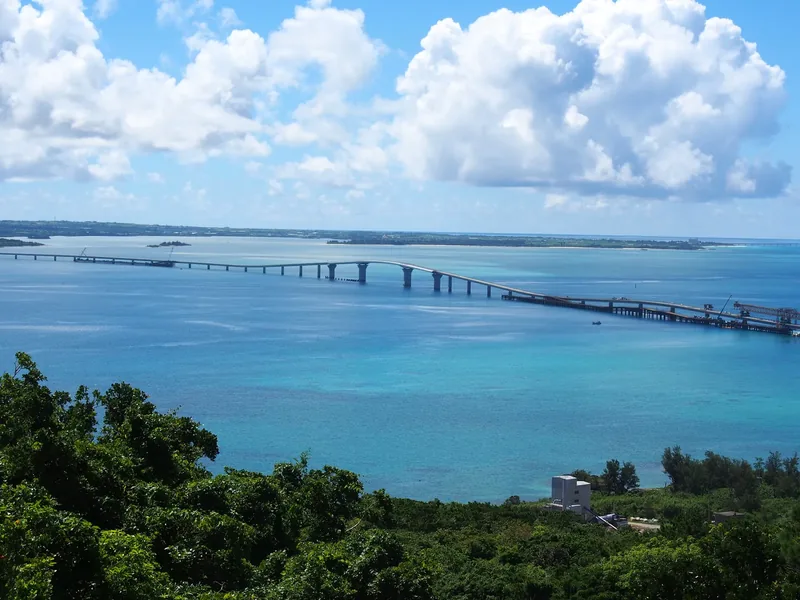
Home / Ports / Miyakojima / Culture
Culture & history · MiyakojimaThe things that happened here and only here, told properly, then tied to what you can see, taste and book while your ship waits.
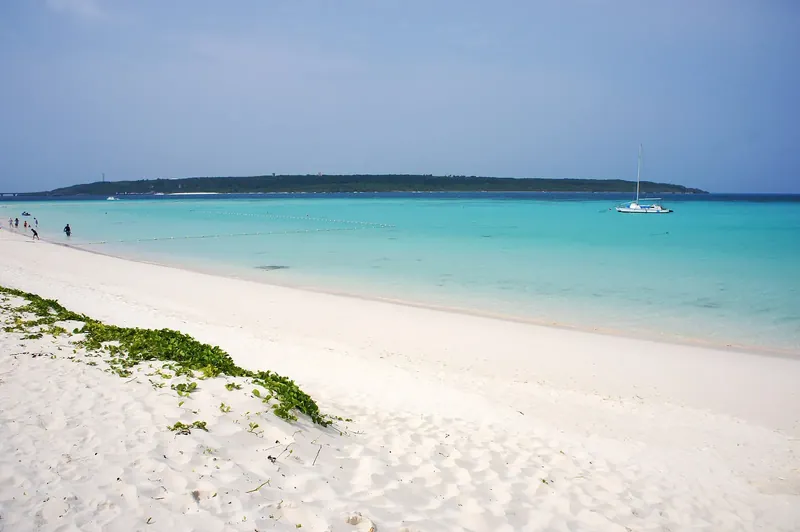
Miyakojima is a flat coral island in Okinawa with no rivers and no mountains, so nothing muddies the sea, which is why the colour is called Miyako blue. People come for Yonaha Maehama, seven kilometres of white sand, and for the drive across Irabu Ohashi, at 3,540 m the longest toll-free bridge in Japan. Every ship docks at Hirara Port, a short shuttle ride from the terminal, with the town 15 minutes on foot and the sights outside it.
Every island in Okinawa claims beautiful water. Miyako’s claim is different in kind: the island has no rivers, and that single fact explains the colour that ended up with its own name.
Read the story →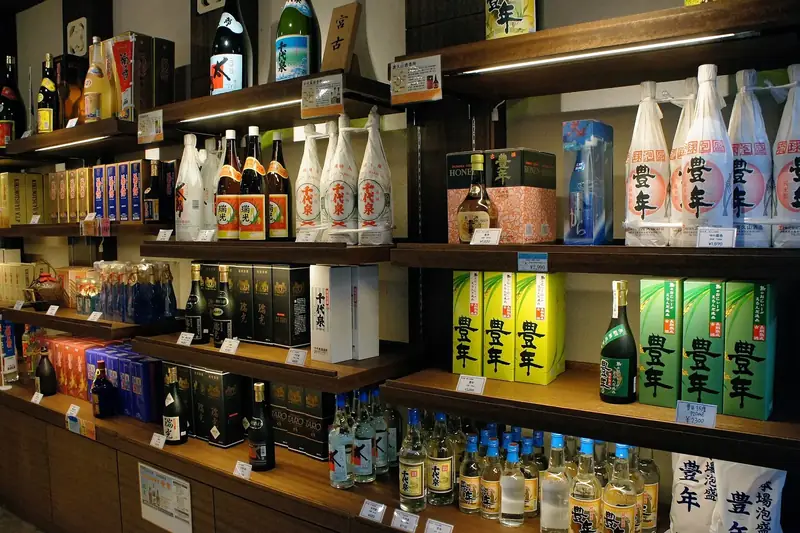
On most of Okinawa you drink awamori at your own pace. On Miyako there is a system, it has a name, and once it starts it does not naturally stop.
Read the story →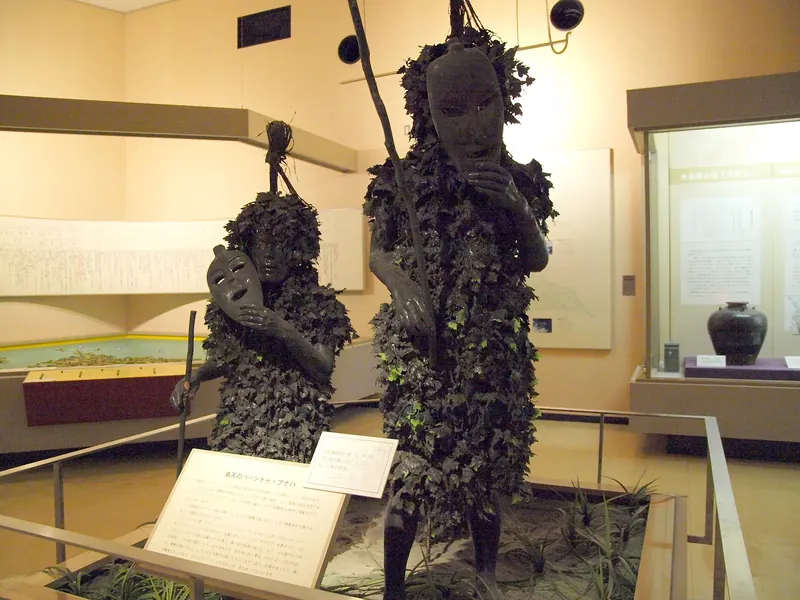
One evening a year in the north of the island, three figures come out of a sacred well wearing masks, vines and a full-body coat of stinking mud — and everything they touch is blessed.
Read the story →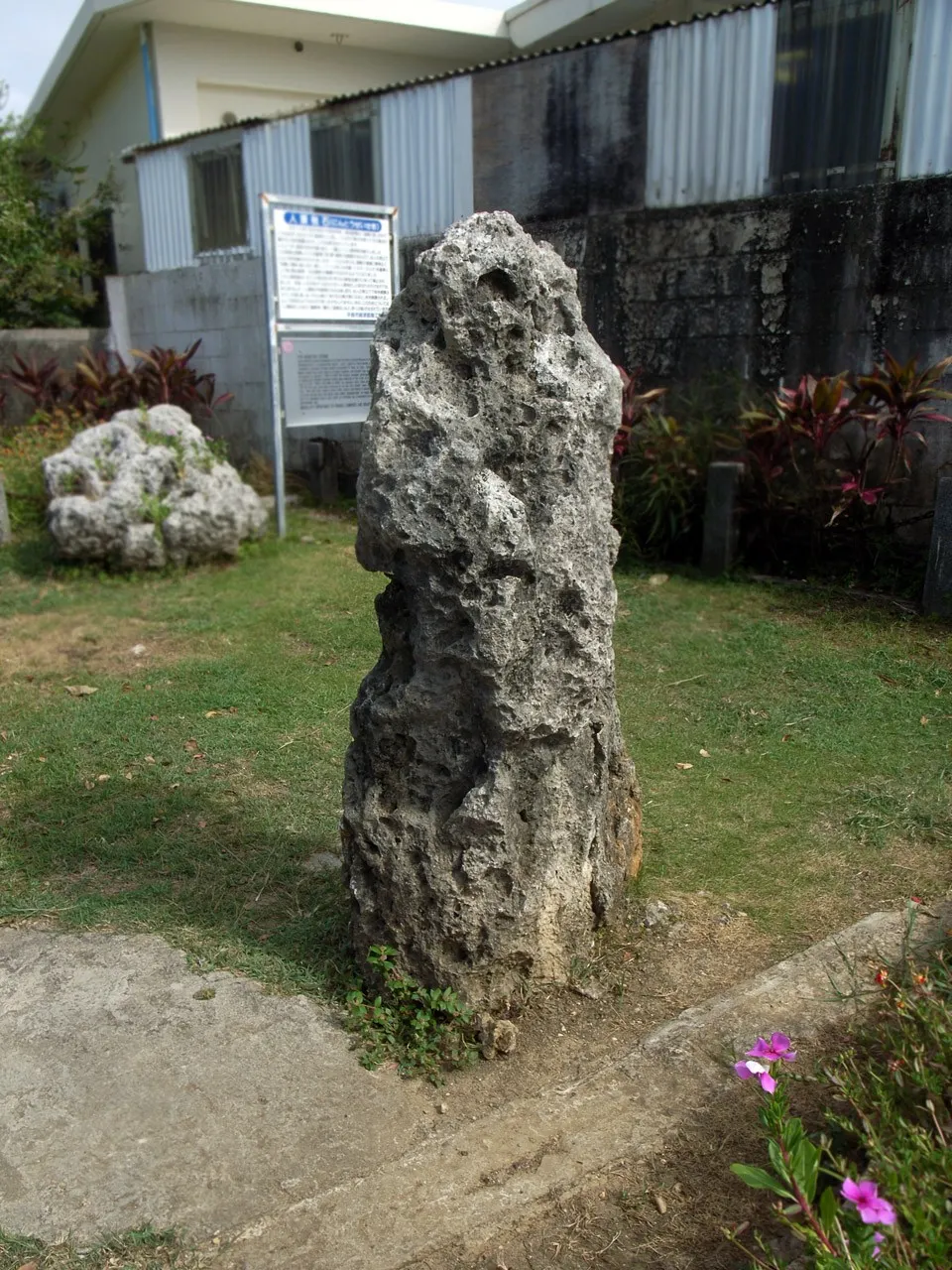
Near the port stands a plain upright stone, 143 centimetres tall. The story attached to it — grow taller than the stone and you owe the kingdom tax — may be legend. The tax itself was brutally real.
Read the story →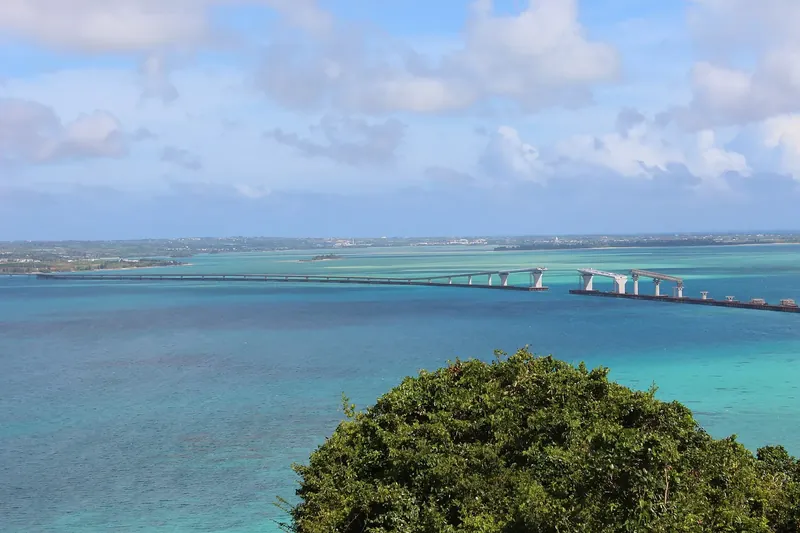
Miyako is not one island but a small archipelago, and within living memory its neighbours were a boat ride away — or cut off entirely when the sea got up. Then, over 23 years, three bridges changed what the word “island” means here.
Read the story →