
Home / Miyakojima / Culture
Culture & history · MiyakojimaThe poll-tax stone
A 143cm stone and the 266-year tax that shaped everything on this island
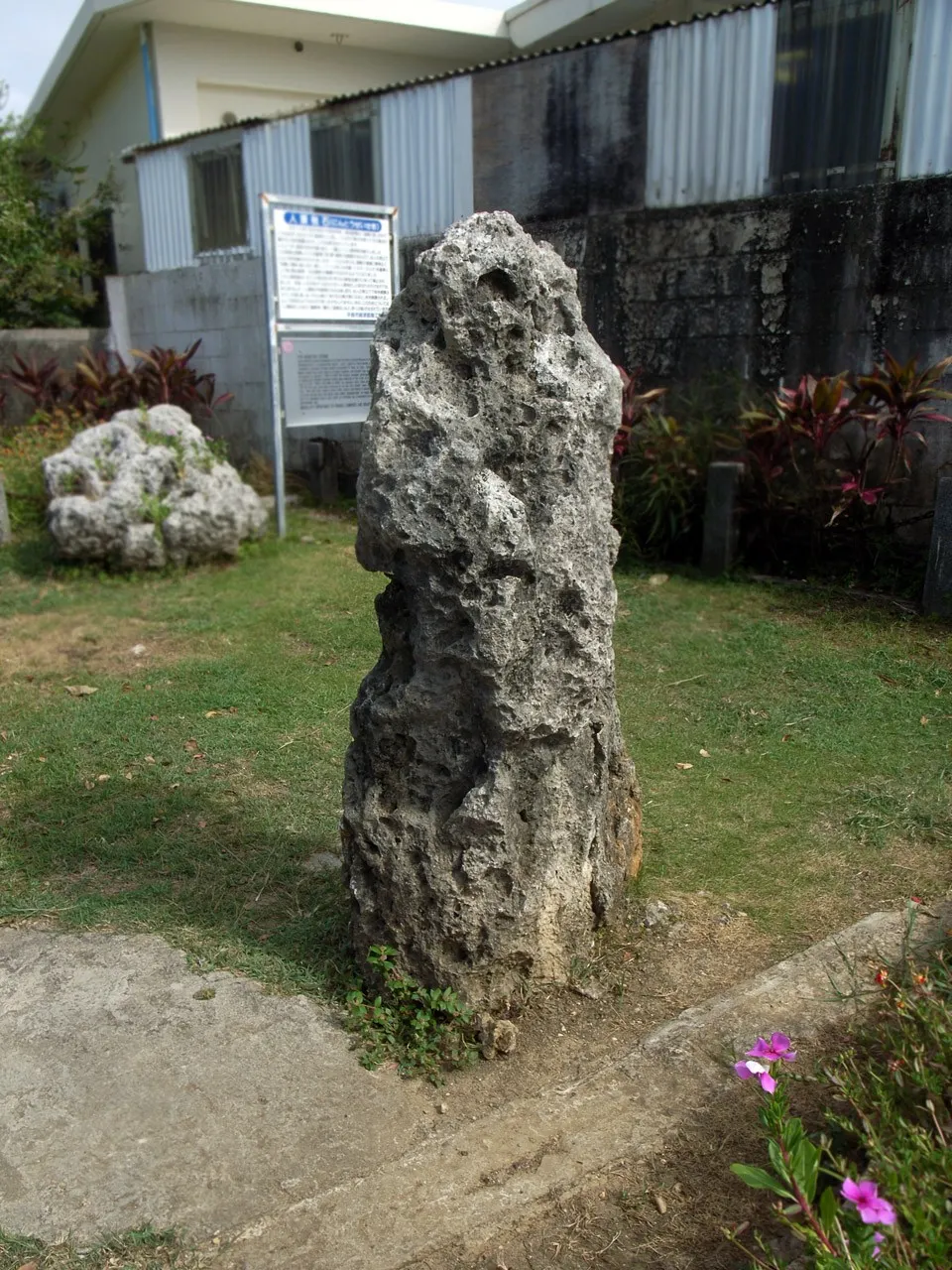
Near the port stands a plain upright stone, 143 centimetres tall. The story attached to it — grow taller than the stone and you owe the kingdom tax — may be legend. The tax itself was brutally real.
From 1637 to 1903, the islands of Miyako and Yaeyama paid the jintozei — a head tax levied per person rather than per harvest. It was imposed by the Ryukyu kingdom under pressure from Satsuma, the samurai domain that had invaded Ryukyu in 1609 and squeezed it for revenue. Men paid in grain, women in woven cloth, regardless of drought, typhoon or death in the family.
The cloth half of the tax has a name you can still buy: Miyako jofu, ramie cloth so fine it takes weeks per bolt, born as a tax obligation and now a protected craft that sells for kimono prices. The island’s most refined product began as its heaviest burden.
The stone and the abolition
The Nintozeiseki stone in Hirara is the tax’s folk memorial — the measuring-post of the story every island child learns. Historians doubt it was ever really used that way, and the guide owes you that doubt. What is documented is the ending: island farmers, helped by a remarkable outsider — a mainland businessman named Nakamura — petitioned the imperial parliament directly, and the tax died in 1903, two and a half centuries old.
Walk past it on the way from your ship. It is five minutes from the quay, costs nothing, and explains more about Miyako than any beach can.
FAQ
What was the jintozei head tax?
A per-person tax paid by the Miyako and Yaeyama islands from 1637 to 1903 — men in grain, women in woven ramie cloth — imposed by the Ryukyu kingdom under pressure from the Satsuma domain. It lasted 266 years and shaped the island’s crafts, demography and folklore.
Was the poll-tax stone really used to measure taxpayers?
Probably not — historians treat the measuring-post story as folk memory rather than documented practice. The stone stands anyway, five minutes from the port, as the island’s chosen monument to a tax that was all too documented.
More from Miyakojima
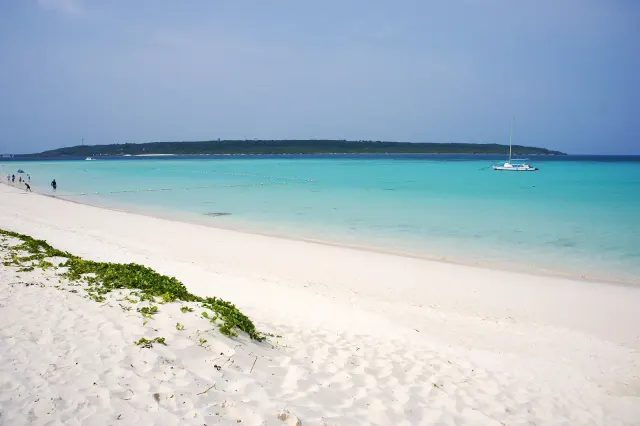
Why the clearest water in Japan is a fact of geology, not a tourist-board adjective
Read →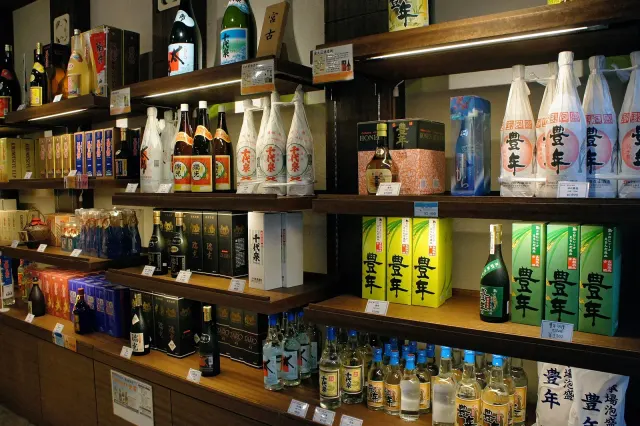
The island’s drinking ritual — and how a visitor survives it with dignity
Read →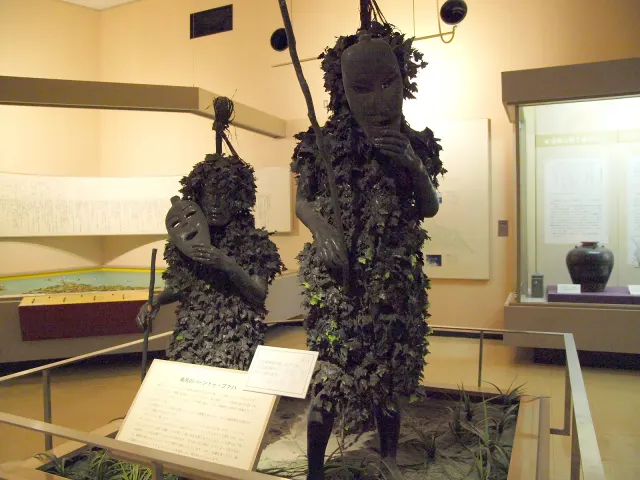
Masked spirits smear a village with mud for luck — a UNESCO-listed ritual that is not a show
Read →
How a scattered island group stitched itself together — ending sea-lane school runs and midnight ferry births
Read →