
Home / Miyakojima / Culture
Culture & history · MiyakojimaPaantu, the mud gods
Masked spirits smear a village with mud for luck — a UNESCO-listed ritual that is not a show
One evening a year in the north of the island, three figures come out of a sacred well wearing masks, vines and a full-body coat of stinking mud — and everything they touch is blessed.
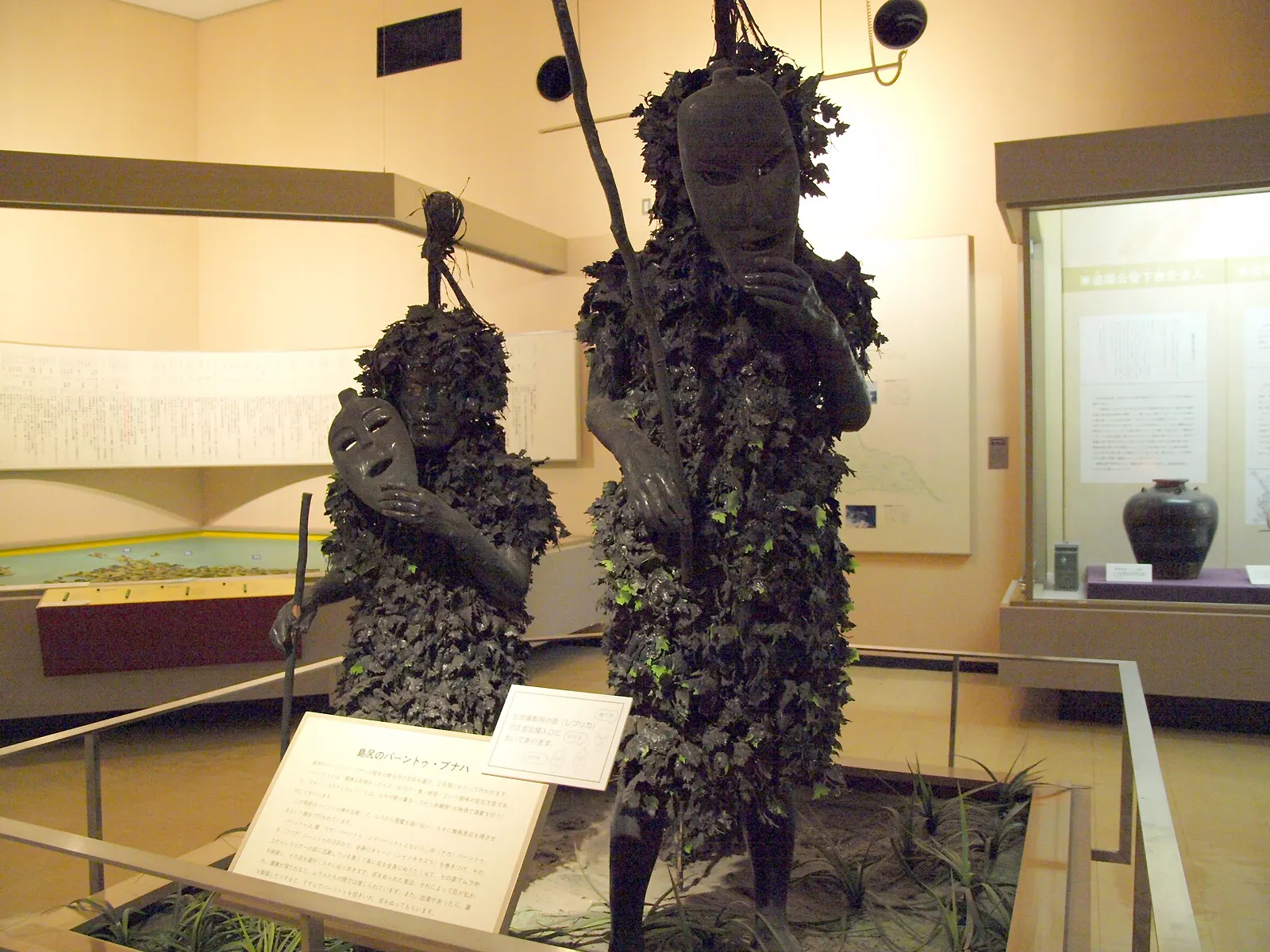
In Shimajiri, on Miyako’s north coast, the Paantu arrive at dusk: young men transformed into visiting spirits, coated in mud from the bottom of a sacred well, faces hidden behind wooden masks. They walk the village and smear mud on houses, cars, police officers, grandmothers and — especially — babies. The mud drives out misfortune; a smeared baby is a protected baby.
This is not folklore theatre. It is a living ritual of one small community, listed by UNESCO in 2018 among Japan’s Raiho-shin — the visiting-deity traditions that include Akita’s Namahage. The date is set by the lunar calendar and announced only shortly in advance.
The honest note
Paantu has had real friction with tourism: visitors who came for photos and complained about ruined clothes — missing that ruined clothes are the entire blessing. The village has at times restricted attendance. If you happen to be on the island when it falls, go only with humility, expect mud, and thank the spirit. If not, the masks in the city museum tell the story respectfully year-round.
It is also the sharpest lens on this island: a place that looks like a beach resort from the ship rail and is, underneath, one of the oldest continuous ritual landscapes in Japan.
FAQ
Can tourists see the Paantu ritual?
Only if your visit happens to coincide — the date follows the lunar calendar and is announced shortly beforehand, and the village has at times limited outside attendance after friction with photographers. If you go: expect mud on your clothes and treat it as the blessing it is. Otherwise, the city museum shows the masks year-round.
What does UNESCO listing mean for Paantu?
In 2018 it was inscribed as one of Japan’s Raiho-shin visiting-deity rituals, alongside Akita’s Namahage. The listing recognises a living community practice — it does not turn it into a scheduled show, which is exactly the point.
More from Miyakojima
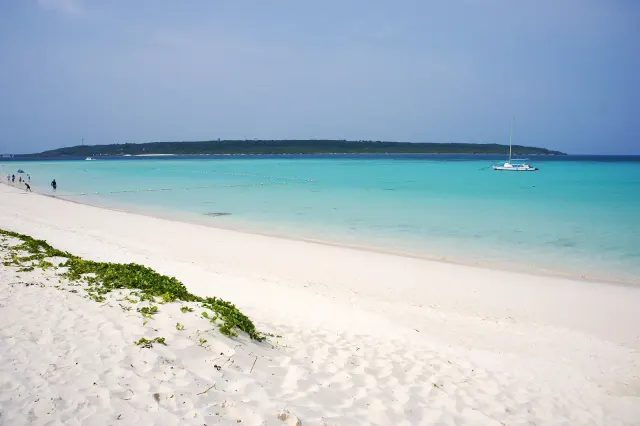
Why the clearest water in Japan is a fact of geology, not a tourist-board adjective
Read →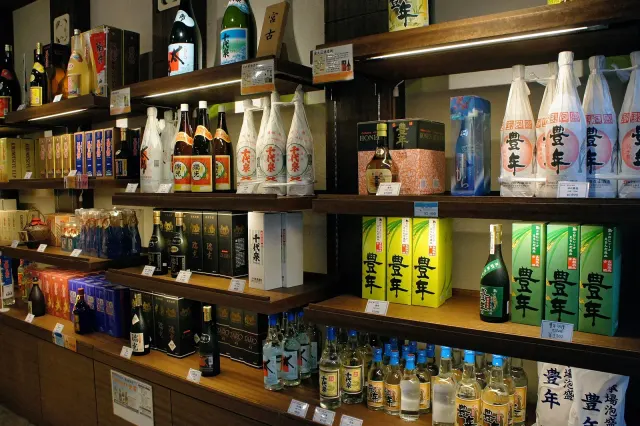
The island’s drinking ritual — and how a visitor survives it with dignity
Read →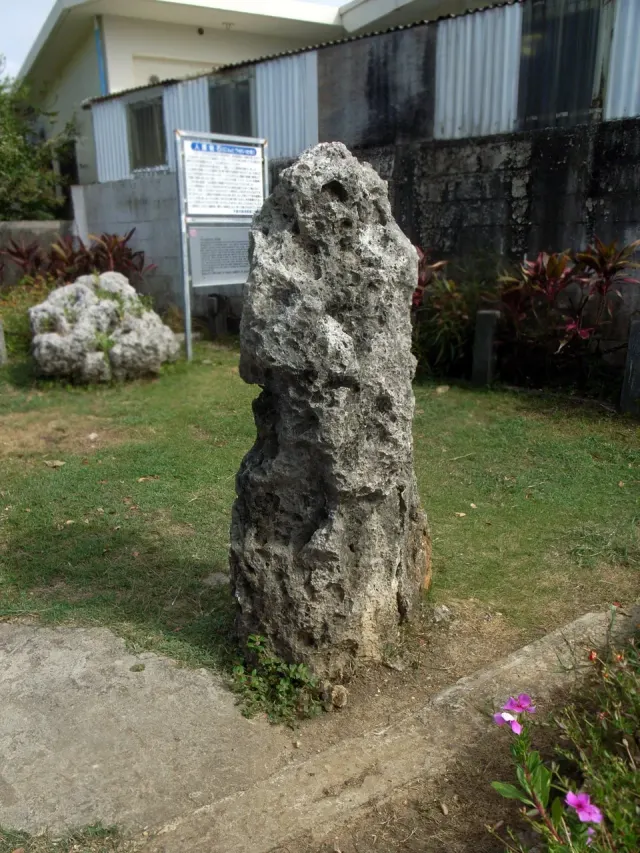
A 143cm stone and the 266-year tax that shaped everything on this island
Read →
How a scattered island group stitched itself together — ending sea-lane school runs and midnight ferry births
Read →