
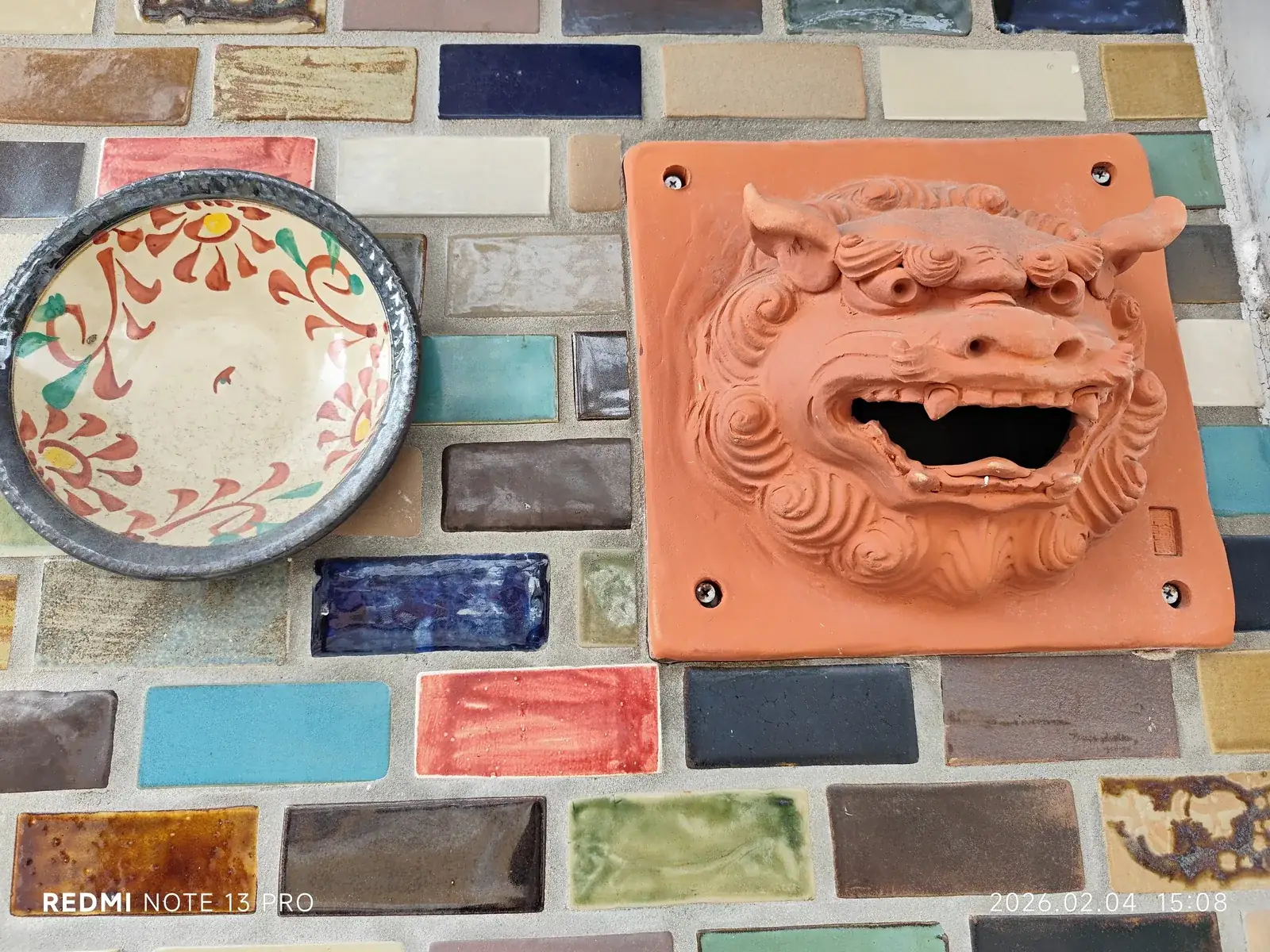
Tsuboya
Potters on the same street since 1682
In 1682 the Ryukyu kingdom gathered three separate kiln communities onto one street to concentrate the craft. The street is still there and so are the potters — about two hundred metres of workshops and shops in the middle of a modern city, with a surviving climbing kiln at the top.
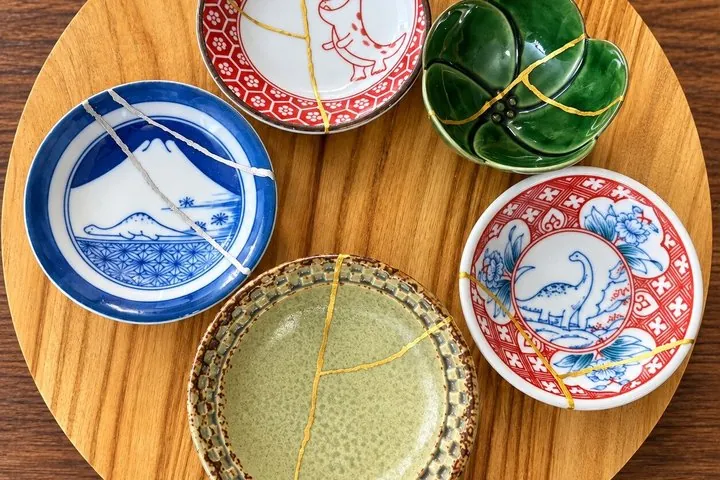
Okinawan pottery is thick, heavily glazed and completely unlike mainland ceramics: awamori flasks, fermentation jars, and shisa — the lion-dog roof guardians that sit in pairs on buildings all over this prefecture, one mouth open to take in fortune and one closed to keep it.
Five things the plaques won't tell you
- Walk it after Kokusai-dori, never before. The souvenir street is a disappointment in the other order.
- Buy shisa in pairs. A single one is half a guardian and every Okinawan who sees it will know.
- The stone-paved back lanes off the main street are where the older workshops are.
- Ask before photographing inside a workshop. Most will say yes and then show you what they are doing.
- Pieces are heavy. Buy at the end of the day, not the start.
Okinawan pottery is thick, heavily glazed and completely unlike mainland ceramics: awamori flasks, fermentation jars, and shisa — the lion-dog roof guardians that sit in pairs on buildings all over this prefecture, one mouth open to take in fortune and one closed to keep it.
Guided days from Naha
Booked before you sail — there is no tour desk at the pier. Booking through these links supports the site.
More in Naha
Questions people ask here
What is Tsuboya yachimun street?
A two-hundred-metre street in central Naha where the Ryukyu kingdom consolidated its pottery kilns in 1682. Potters still work there, a historic climbing kiln survives, and a pottery museum explains the craft (closed for renovation from 1 September 2026 to 31 March 2027). Yachimun is simply the Okinawan word for pottery.
What should I buy in Tsuboya?
Shisa roof guardians, in pairs — one with an open mouth to take in fortune and one closed to keep it. Also karakara awamori flasks and everyday bowls, which are thick, heavily glazed and unlike anything from mainland Japan. Buy at the end of the day; the pieces are heavy.