Pick your hours and you get a finished day — every step timed from the gangway and back, and each route says how much room it leaves you before all-aboard. Swap anything you don't fancy.
Round trips are measured from the gangway and include getting back. Two stops in the same direction overlap, so a real day usually comes in under the total you see, never over it.
① From the Wakasa terminal: a shuttle to Kokusai-dori runs on some calls — check as you disembark
Otherwise: walk ~20 min, or taxi ~5 min
A ¥240 trial shuttle (~every 30 min) ran until at least March 2026; the 2026–27 prefectural programme (to 16 Feb 2027) runs shuttles only for participating lines. Treat it as a bonus, not a plan.
The one rule: be back on board 60 minutes before all-aboard — every day above already banks it.Phones auto-switch to local time, but all-aboard runs on ship time. Check the daily programme's clock, not your lock screen.More to pick from on the Naha guide and theTop 10.
MY SHIP DAY — fill this in before you walk off
Ship
Date
Docked at (berth)
All-aboard (SHIP time)
My deadline = all-aboard − 60 min
Last shuttle back
Phones auto-switch to local time; all-aboard runs on ship time. Write both if they differ.
GETTING AROUND — the facts that don't change by day (today's times: ship's program or Google Maps)
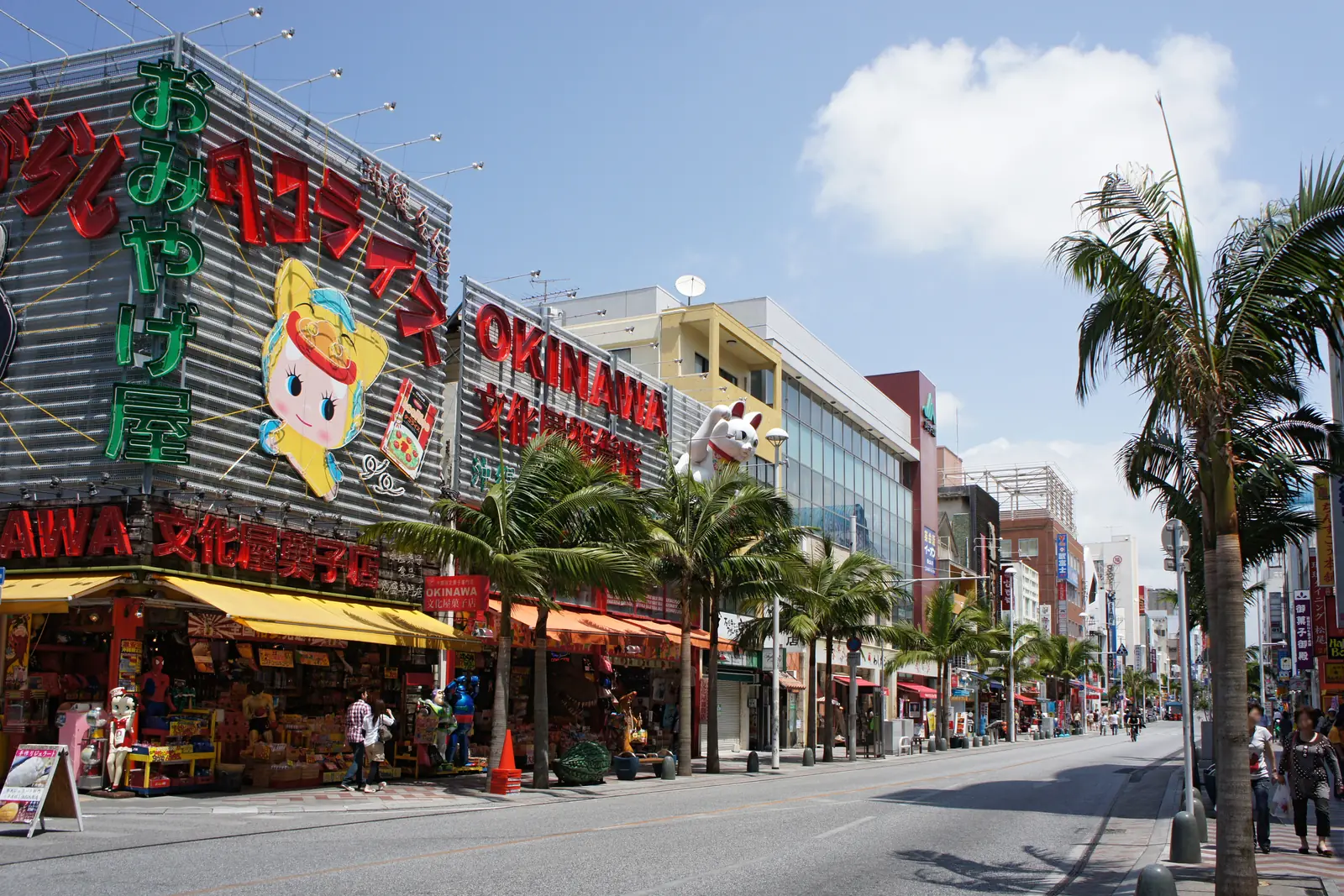
Kokusai-dori: ① From the Wakasa terminal: a shuttle to Kokusai-dori runs on some calls — check as you disembark Otherwise: walk ~20 min, or taxi ~5 min Fare Shuttle fare set per call when running.
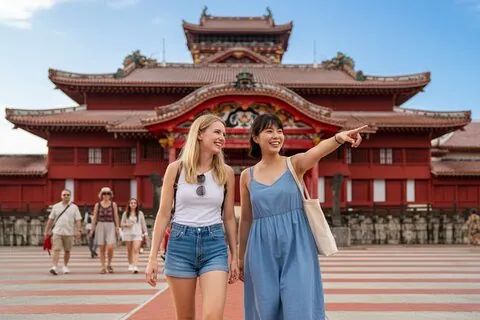
Shuri Castle: ① Get to Kencho-mae or Asahibashi station (short taxi, or ~25 min walk) ② Yui Rail monorail to Shuri — ~16 min from Kencho-mae, ~18 from Asahibashi Fare ¥320. every 8 min weekday middays (4–6 at peaks), every 10 min at weekends.
From the Shinko berth: ① The 2nd Cruise Berth at Shinko has no public transport: ship shuttle where one runs, or taxi ② Kokusai-dori is ~10 min by taxi
SHOW THIS TO A TAXI DRIVER — 運転手さんへ
Please take me back to the cruise ship (Naha port)
クルーズ船乗り場までお願いします
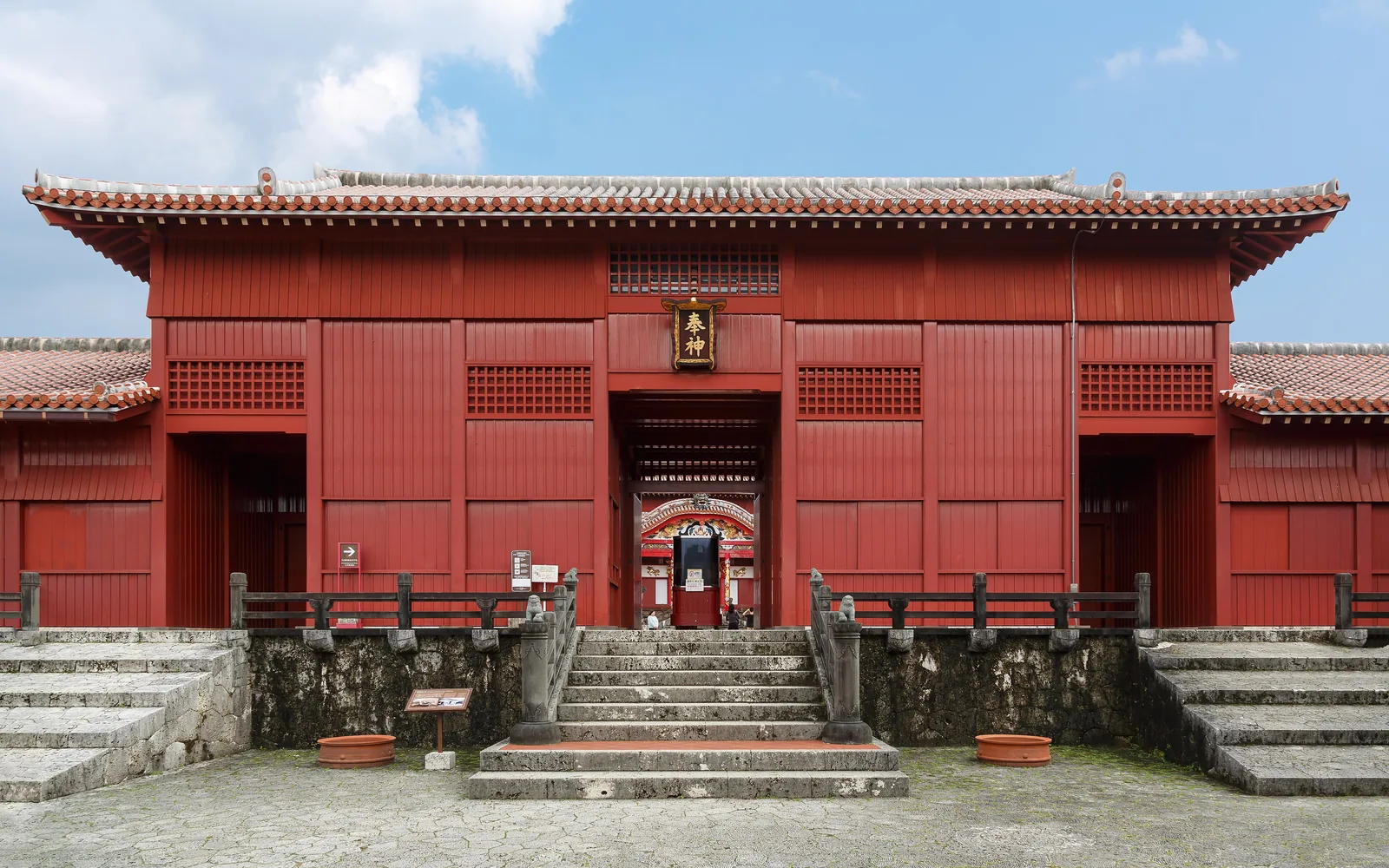
Shuri Castle and the rebuild
首里城
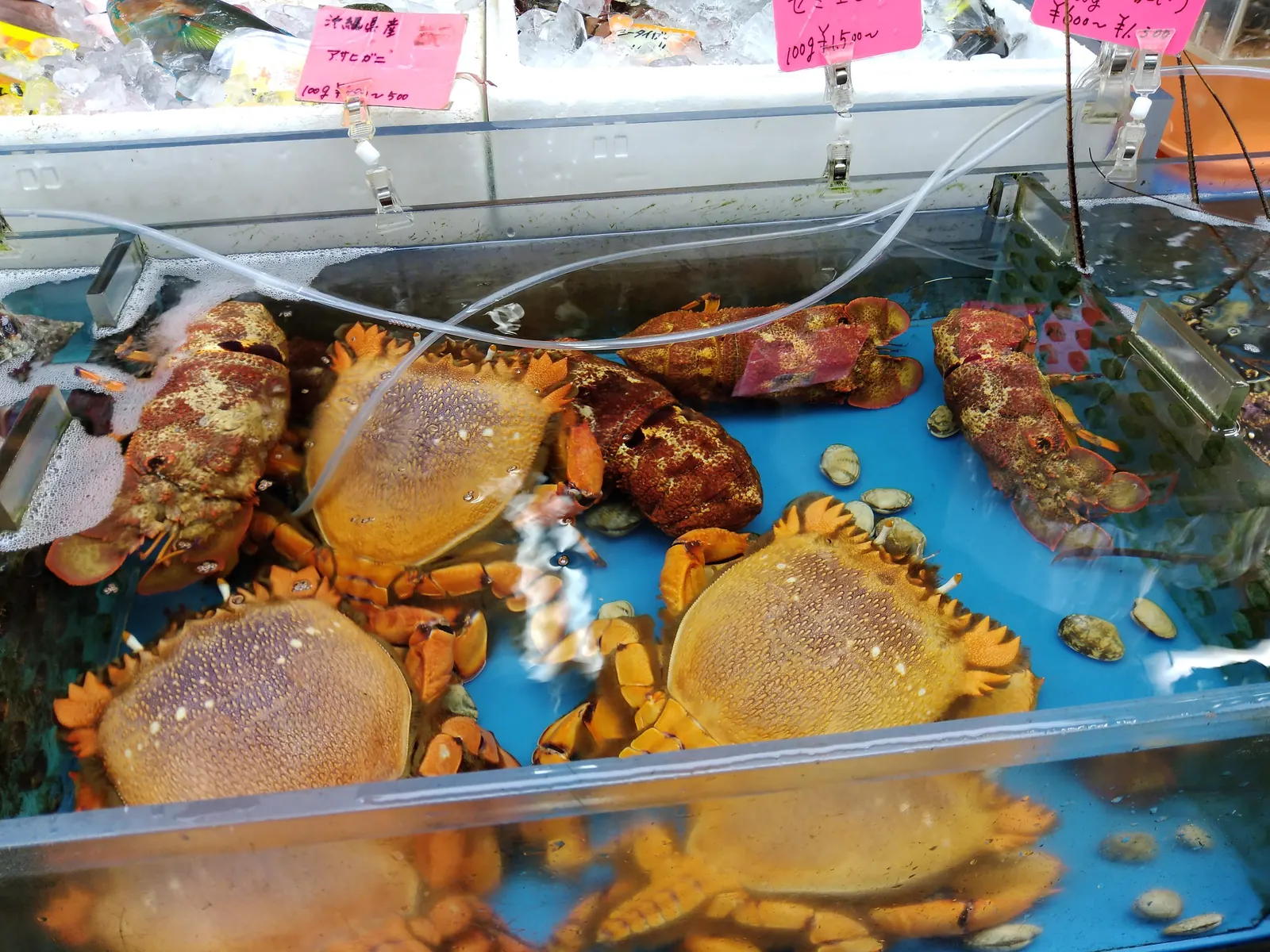
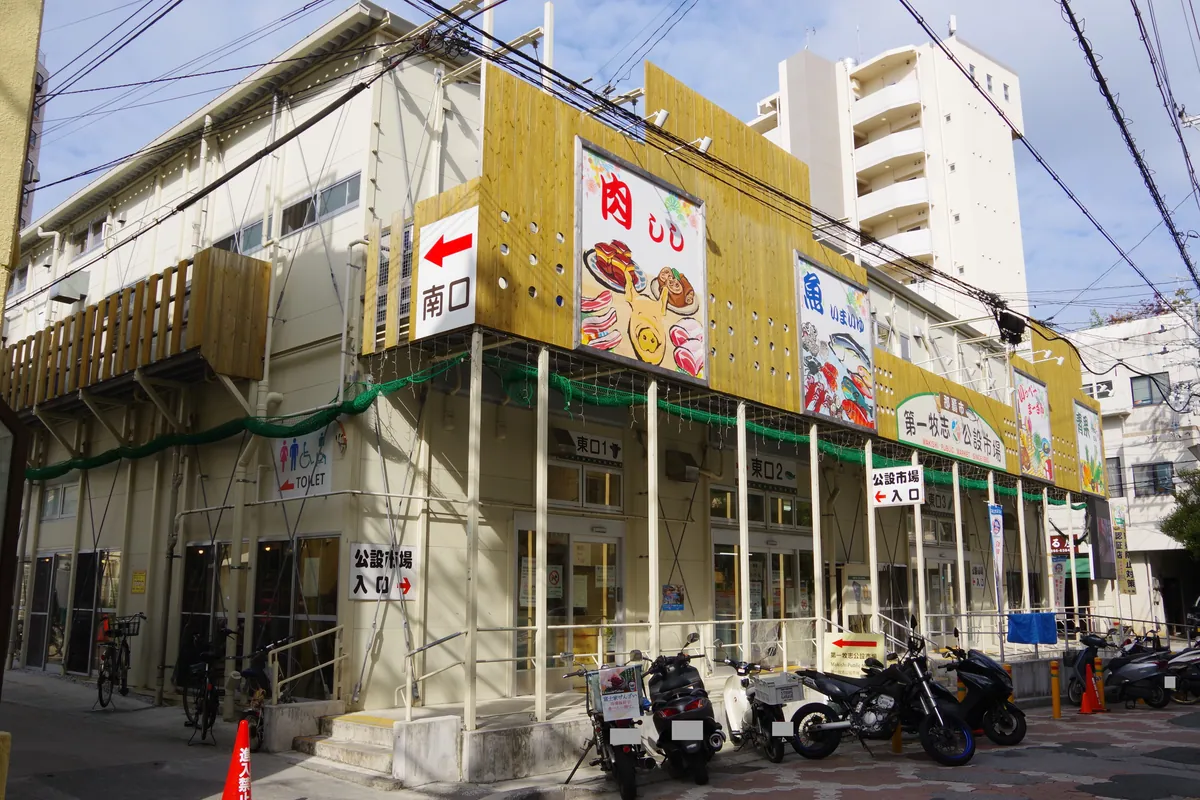
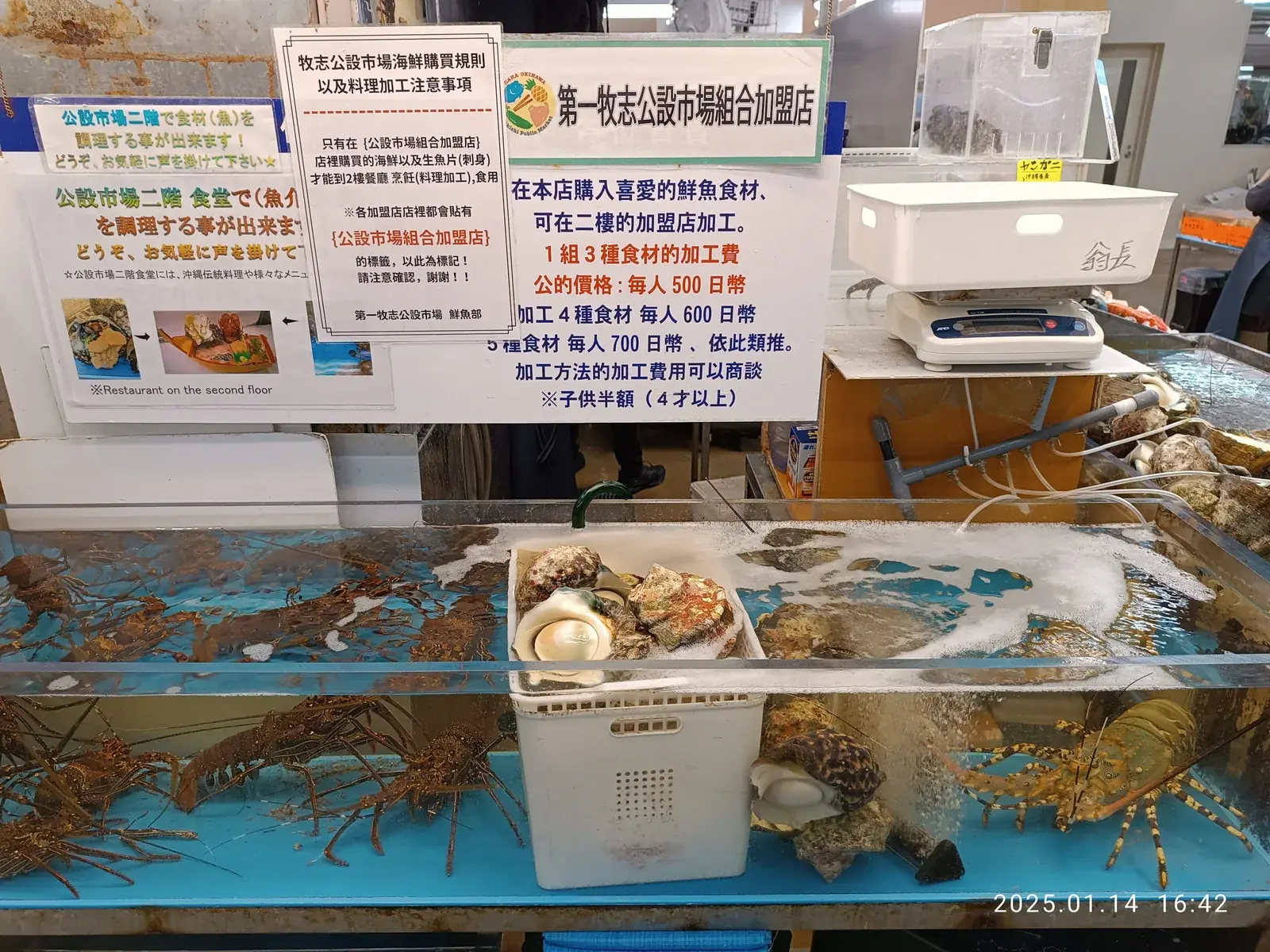
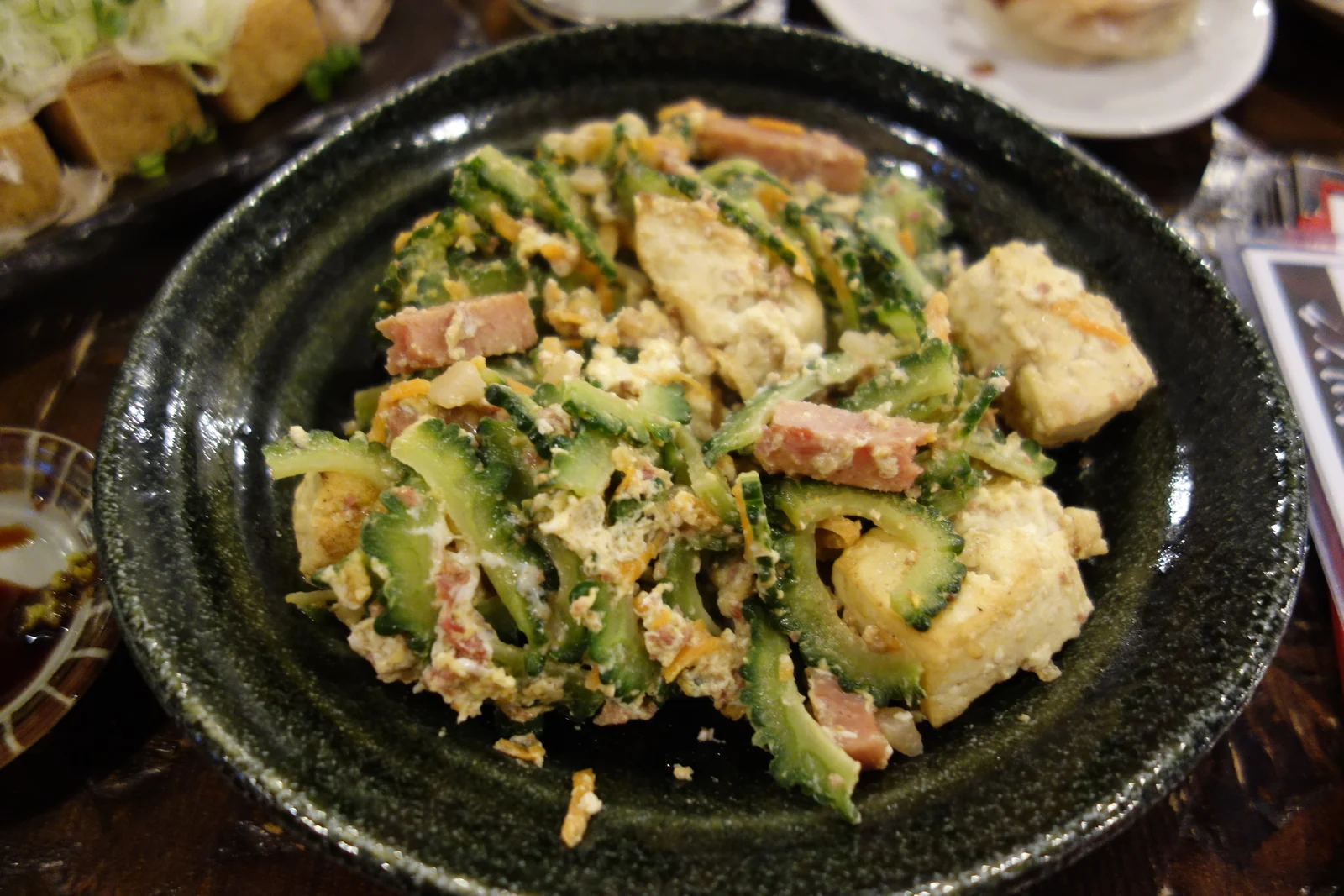
Buy downstairs, eat upstairs at Makishi
牧志公設市場
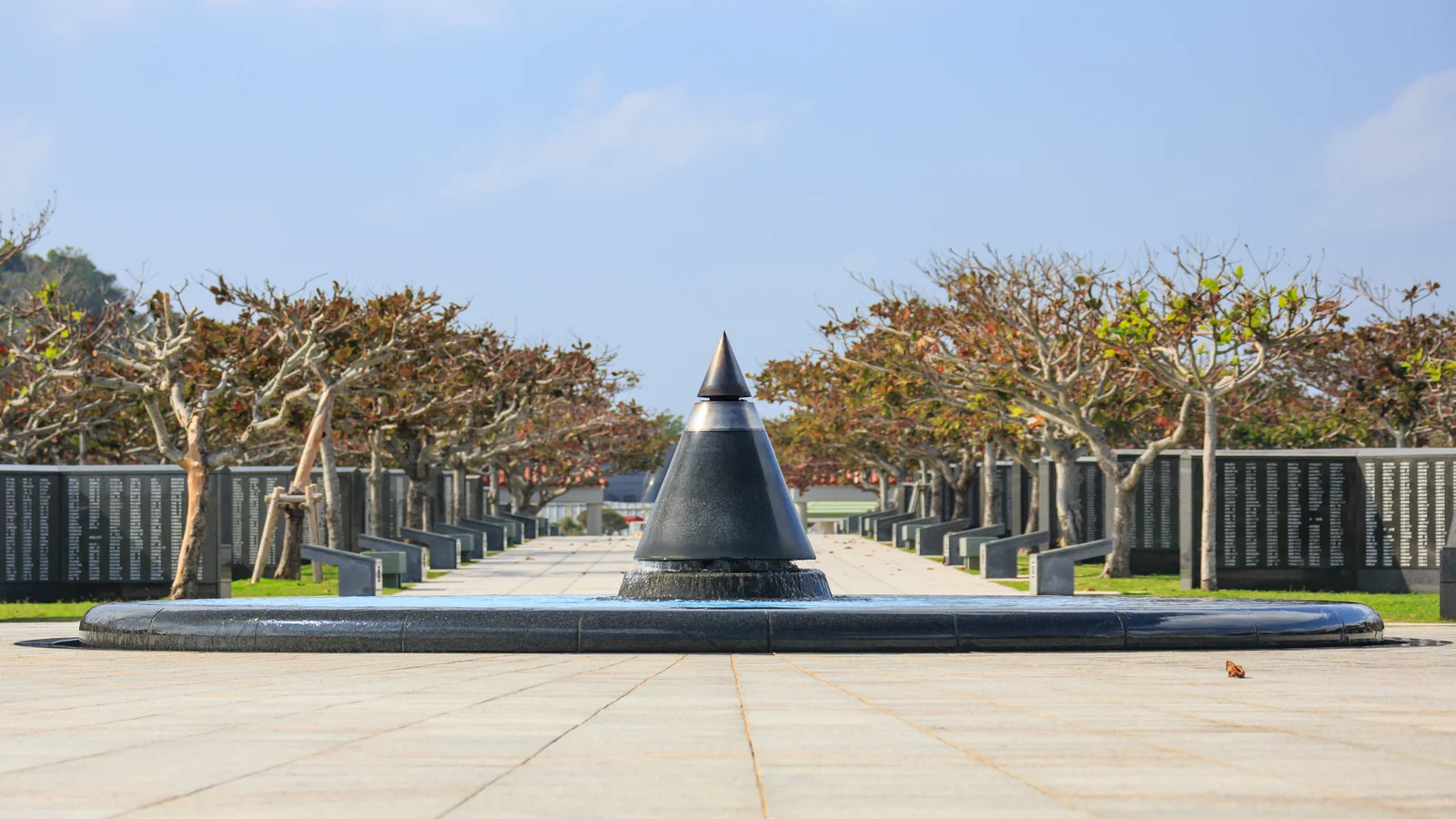
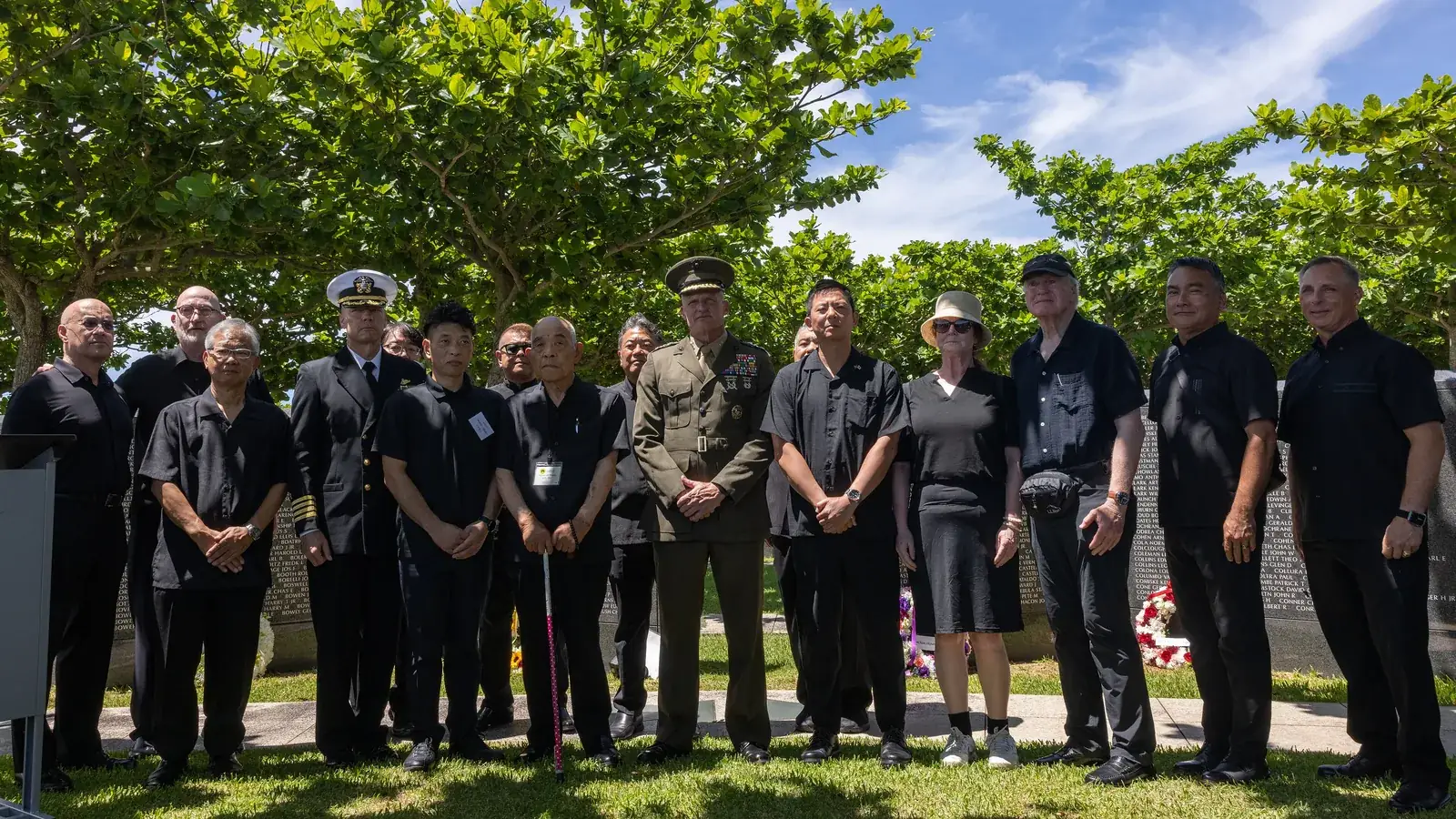
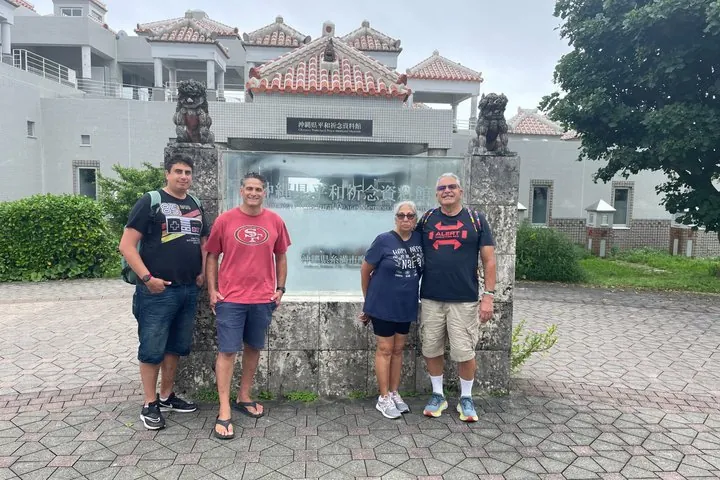
Peace Memorial Park & Himeyuri
沖縄県平和祈念公園
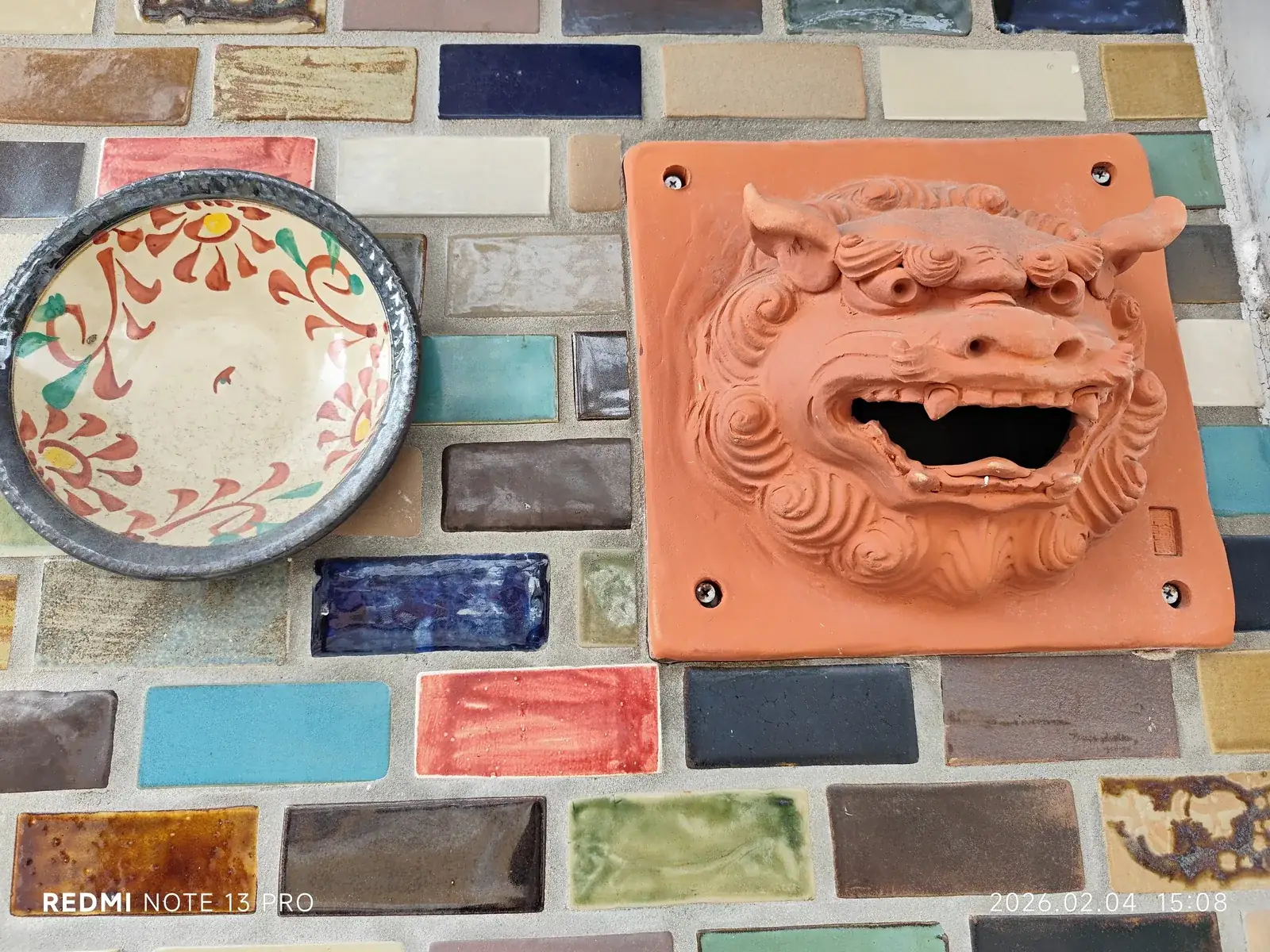
Shisa on Tsuboya yachimun street
壺屋やちむん通り
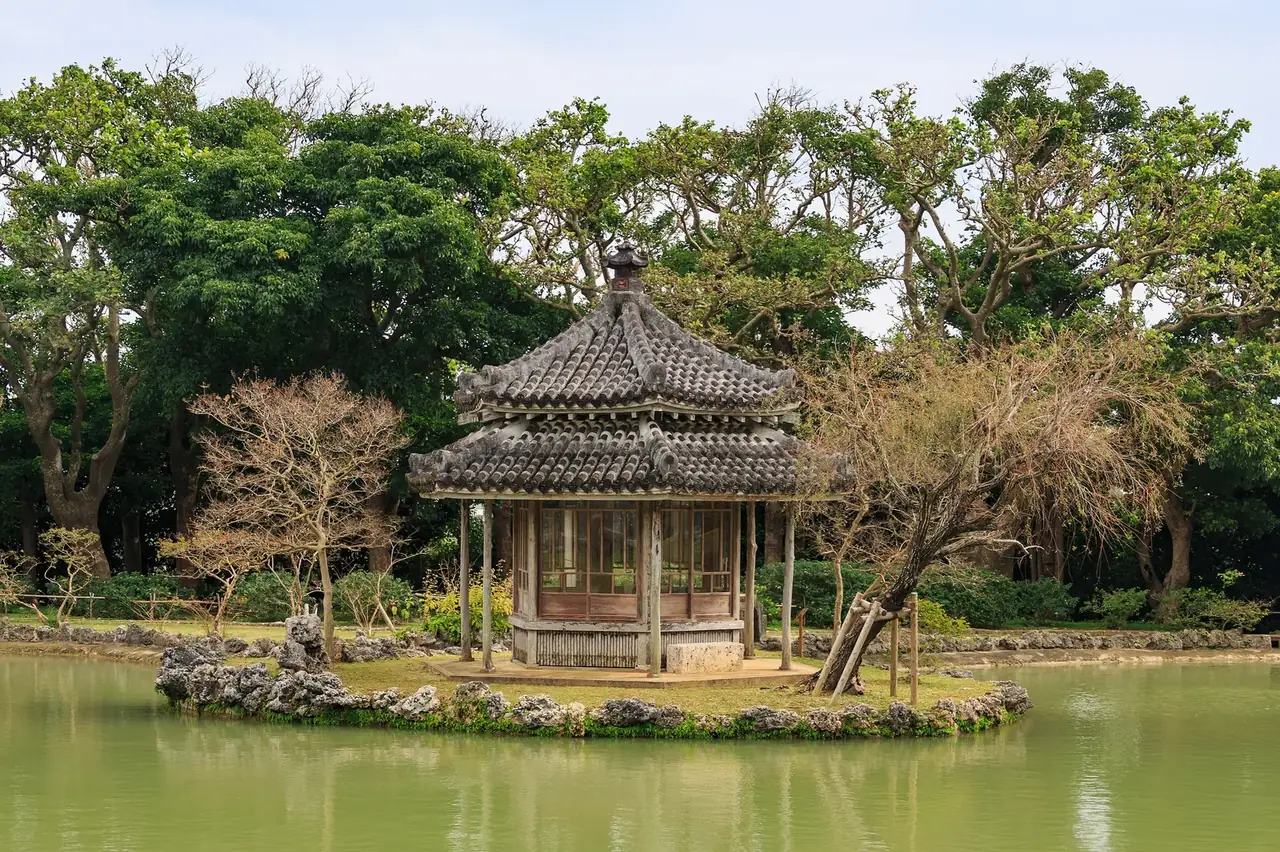
Shikinaen royal garden
識名園
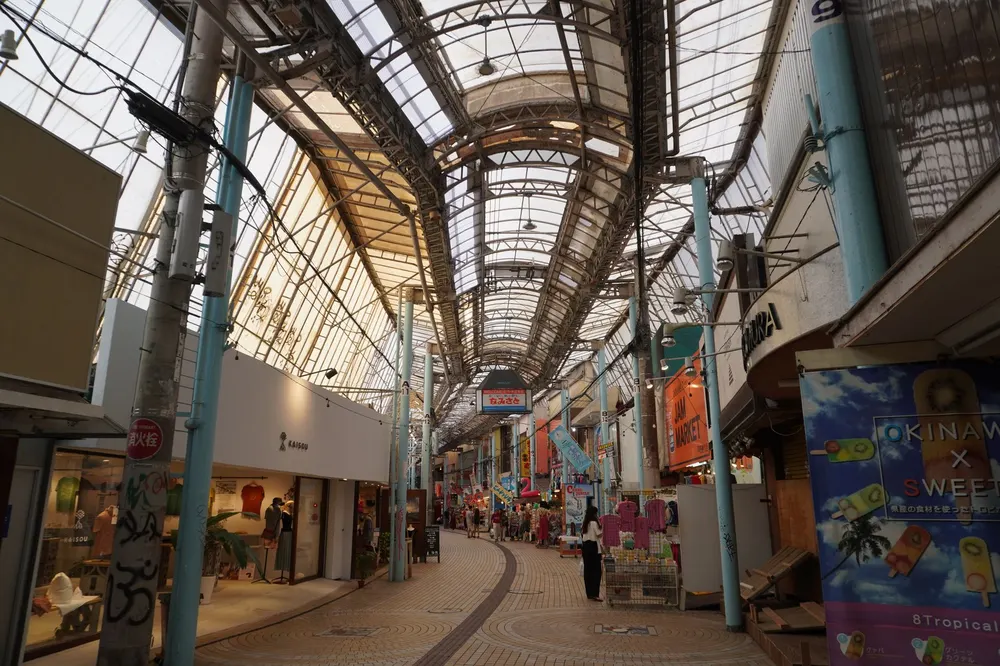
Kokusai-dori, then one block sideways
国際通り
Point at a line. Taxis are metered and honest; tipping is not expected in Japan.
THE TWO-MINUTE PORT TALK — read aloud at breakfast
Ryukyu. Okinawa became a Japanese prefecture in 1879. Before that it was a kingdom for 450 years, with its own king, its own languages, its own diplomacy — and a foreign policy of paying tribute to China while being militarily controlled by a Japanese domain, simultaneously, for two and a half centuries.
Eighty-two days. The Battle of Okinawa ran from 1 April to 22 June 1945 and killed something on the order of two hundred thousand people. Roughly half were Okinawan civilians — about a quarter of everyone living on the island. The memorial that commemorates them lists the dead of every nationality, on both sides, without distinction.
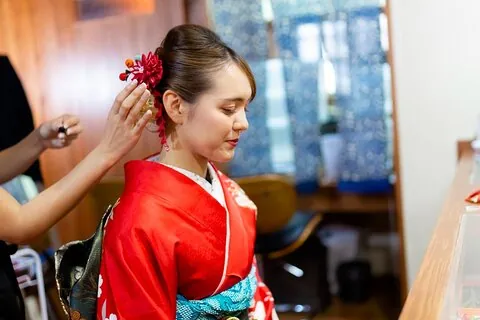
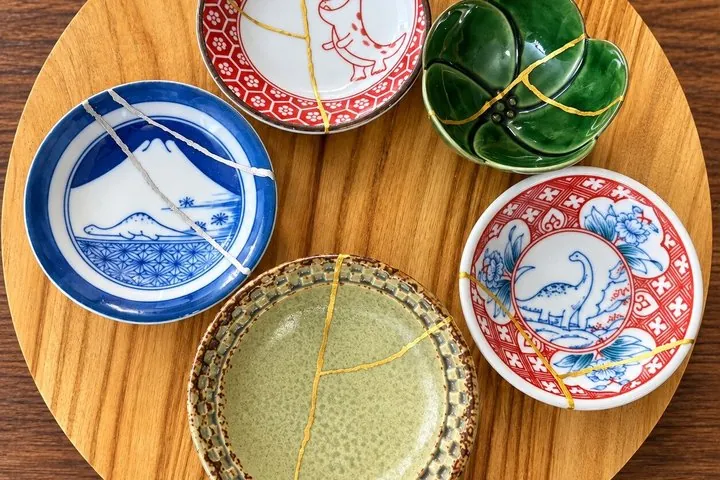
Yachimun and bingata. The kingdom gathered its scattered kilns onto one Naha street in 1682 and they are still there. And its court developed a dyeing method — stencil, rice paste, mineral pigment, tropical colour — that no other part of Japan produced and no other part of Japan could have produced.
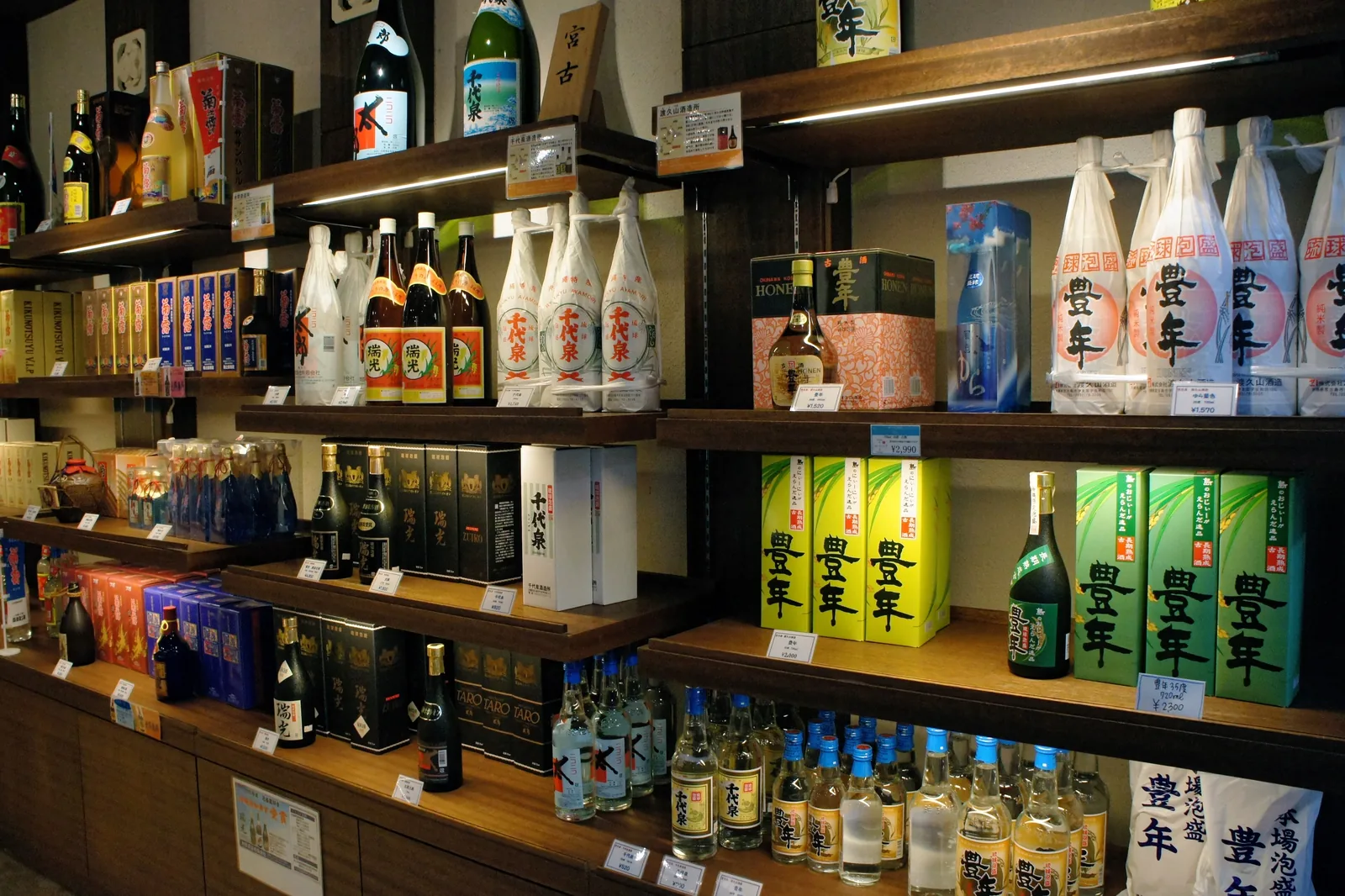
Awamori. Okinawa's spirit is not shochu and it is not sake. It is distilled from long-grain Thai rice using a black mould that grows nowhere else in Japan, it has been made here for around six hundred years, and the good stuff is aged in clay for decades.
The one rule: be back on board 60 minutes before all-aboard — every plan above already banks it. · Free guide: port-of-japan.com/naha/ · By Takumi Yamada, Tokyo, Japan