Tap a photo to see it large. 4 photographs, each credited.
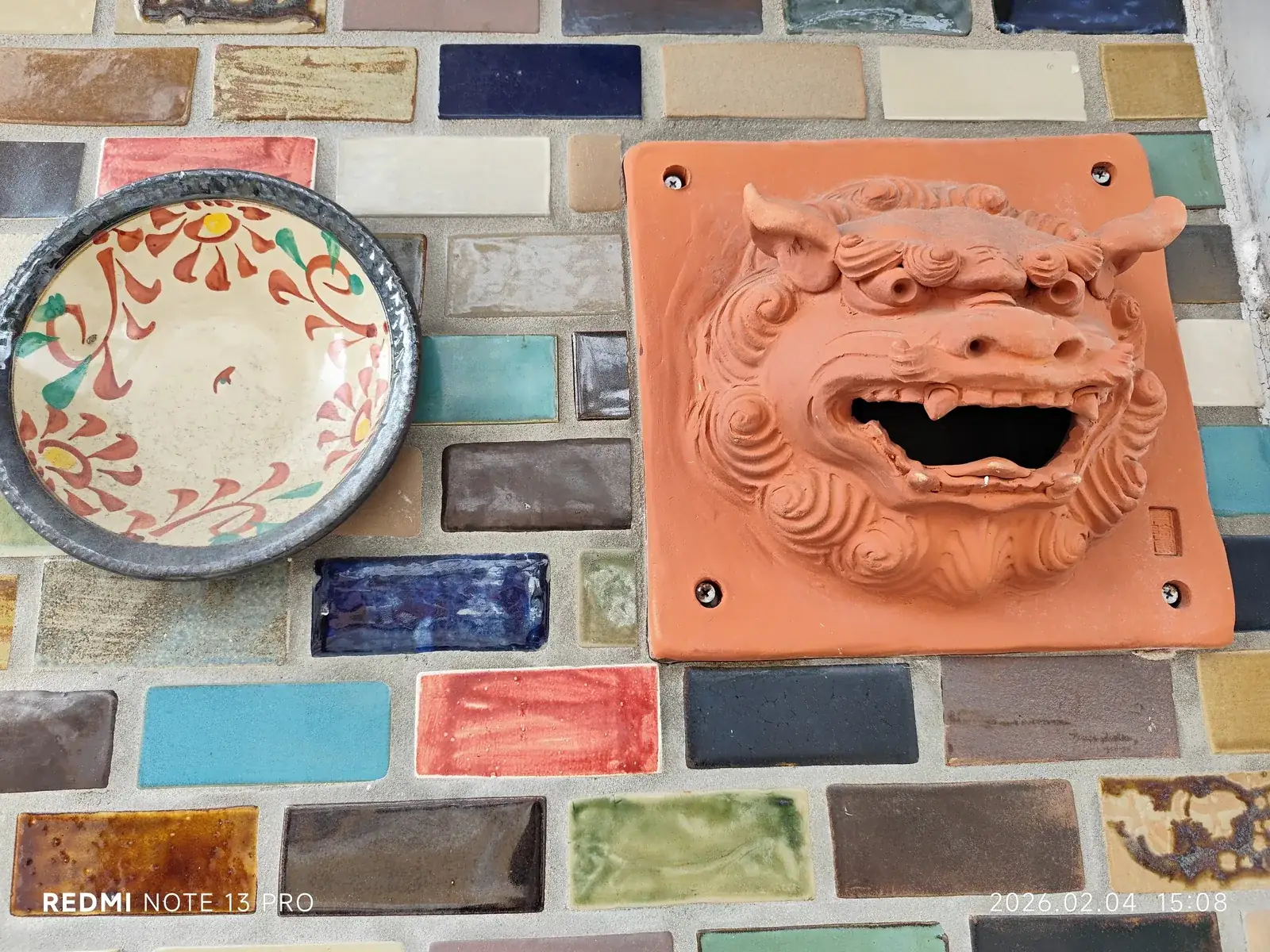
Potters have worked this street since 1682, when the kingdom gathered its kilns here. Buy shisa in pairs — one mouth open to take in fortune, one closed to keep it. A single one is half a guardian.
Pottery on one street since 1682, and a dye technique that exists nowhere else
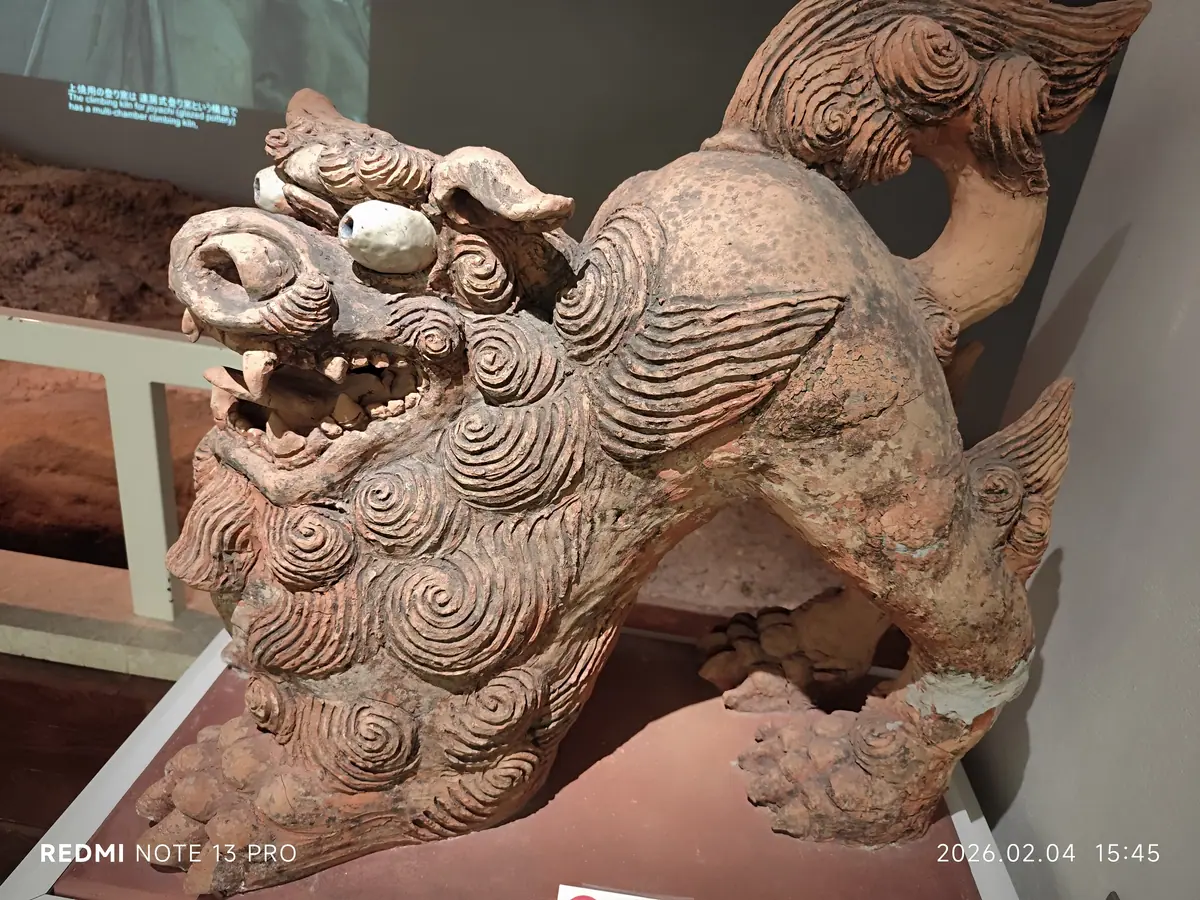
Tsuboya has been Okinawa's pottery quarter since 1682, when the kingdom gathered its kilns into one place. Yachimun is the local word for the ware: thick, glazed, and often shaped into shisa, the lion-dogs that sit on Okinawan roofs in pairs, one mouth open and one shut.
The kingdom gathered its scattered kilns onto one Naha street in 1682 and they are still there. And its court developed a dyeing method — stencil, rice paste, mineral pigment, tropical colour — that no other part of Japan produced and no other part of Japan could have produced.
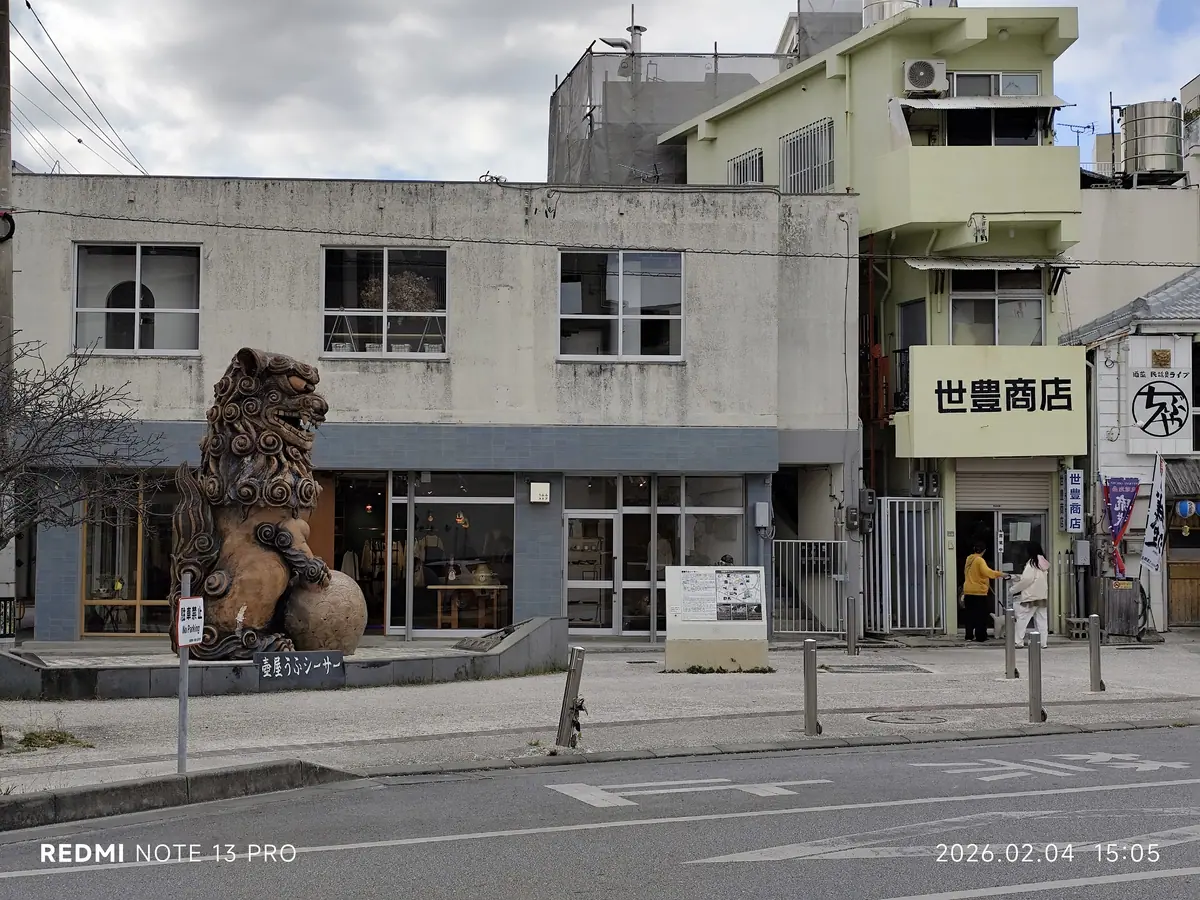
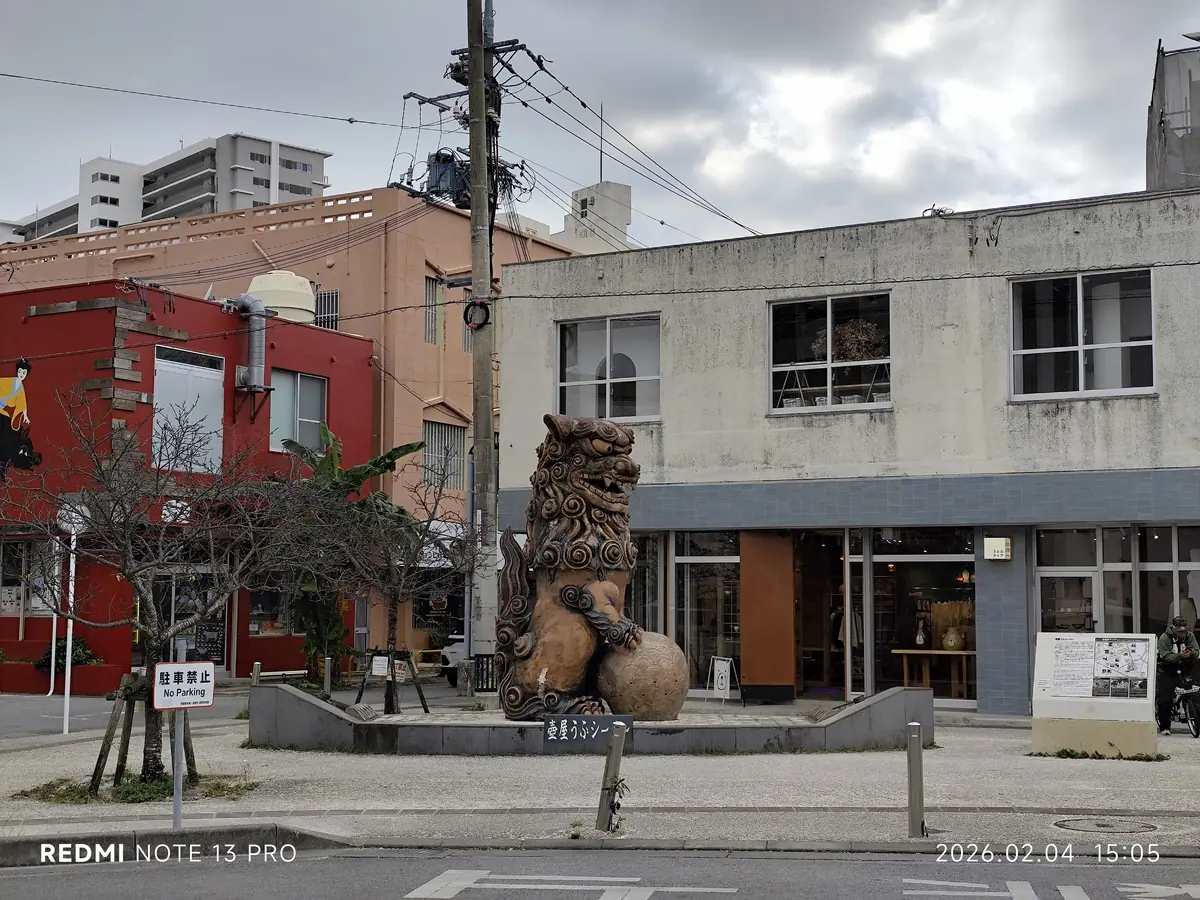
In 1682 the Ryukyu kingdom gathered three separate kiln communities onto one street to concentrate the craft. The street is still there and so are the potters — about two hundred metres of workshops and shops in the middle of a modern city, with a surviving climbing kiln at the top.
Okinawan pottery is thick, heavily glazed and completely unlike mainland ceramics: awamori flasks, fermentation jars, and shisa — the lion-dog roof guardians that sit in pairs on buildings all over this prefecture, one mouth open to take in fortune and one closed to keep it.
One district, still working
The brightest yellow belongs to the royal house
Along with almost everything else
From surviving fragments and memory
Walk Tsuboya yachimun street after Kokusai-dori, not before. And buy shisa in pairs.
Both pins on one map, so the distance is a fact rather than a feeling.
Counted from the moment you step off the gangway. The hour before all-aboard is not in this bar; it is already set aside.
5 minutes each way is the honest figure for 5 min from makishi, not the optimistic one. If your ship is late, cut the 50 min in the middle. Never cut the hour at the end.
Each of these still lands you back aboard with the hour to spare on a 6-hour stop ashore.
A two-hundred-metre street in central Naha where the Ryukyu kingdom consolidated its pottery kilns in 1682. Potters still work there, a historic climbing kiln survives, and a pottery museum explains the craft. Yachimun is simply the Okinawan word for pottery.
Shisa roof guardians, in pairs — one with an open mouth to take in fortune and one closed to keep it. Also karakara awamori flasks and everyday bowls, which are thick, heavily glazed and unlike anything from mainland Japan. Buy at the end of the day; the pieces are heavy.
Each one is a finished day we have walked and timed, with this stop in it. Read the route rather than assembling it yourself.
Each of these still lands you back aboard with the hour to spare.
 2 hr 30 min for both
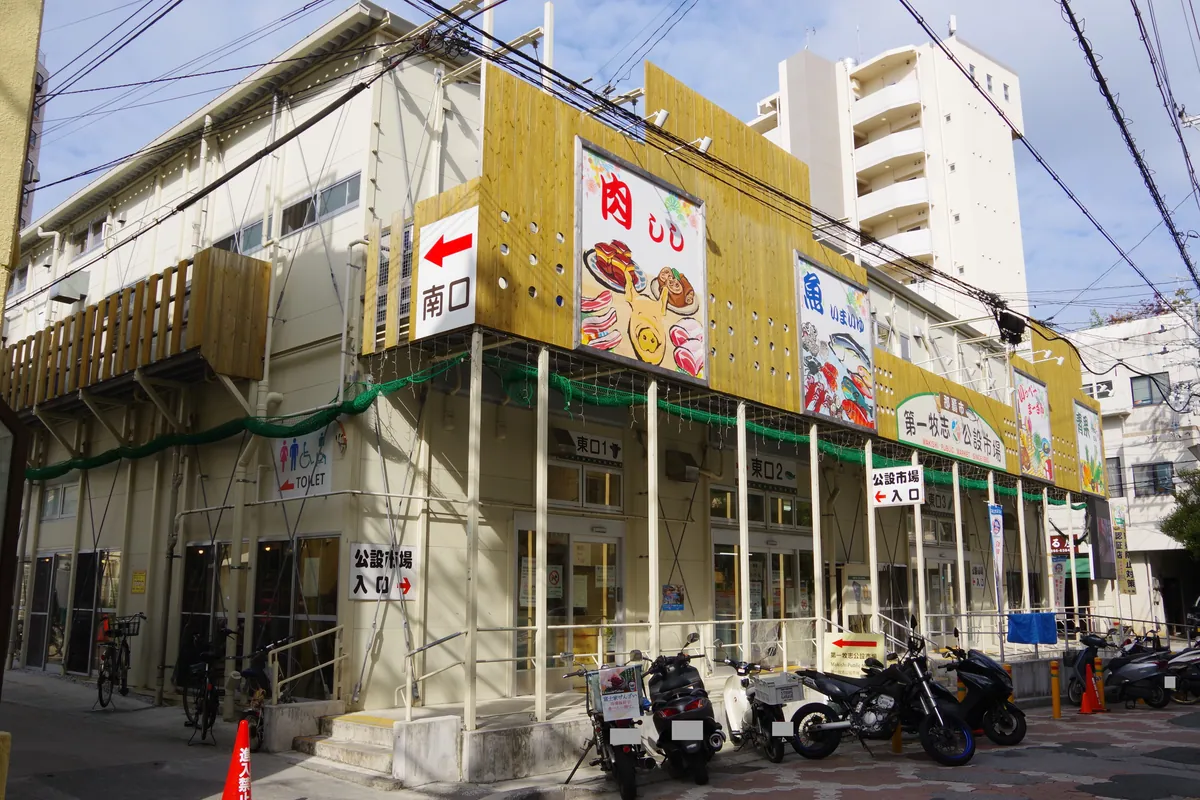
Okinawa's reef fish are the wrong colours — electric blue, parrot green, hard red.
See the detail →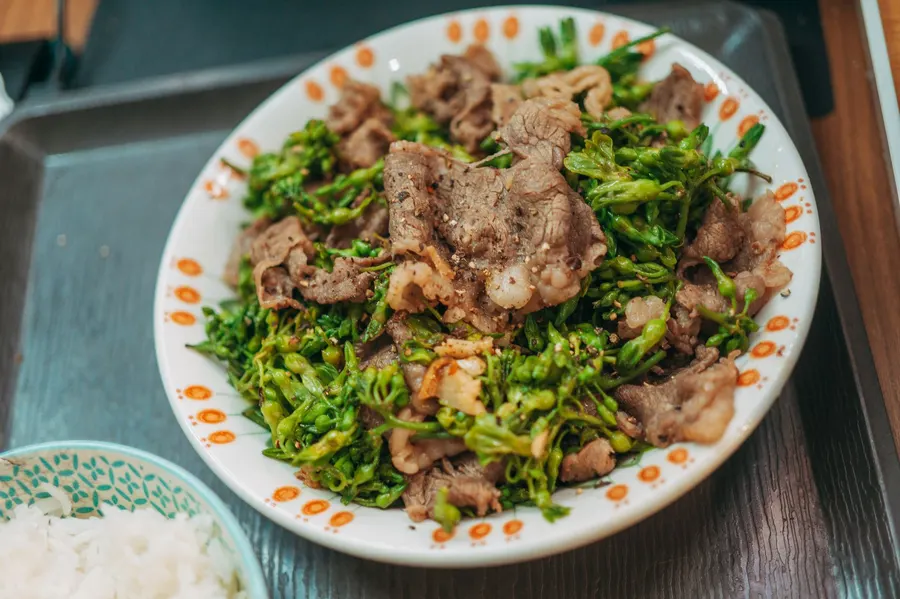 2 hr 30 min for both
Bitter melon stir-fried with tofu, egg and pork, and thick wheat noodles in pork-and-bonito broth that contain no buckwheat at all.
See the detail →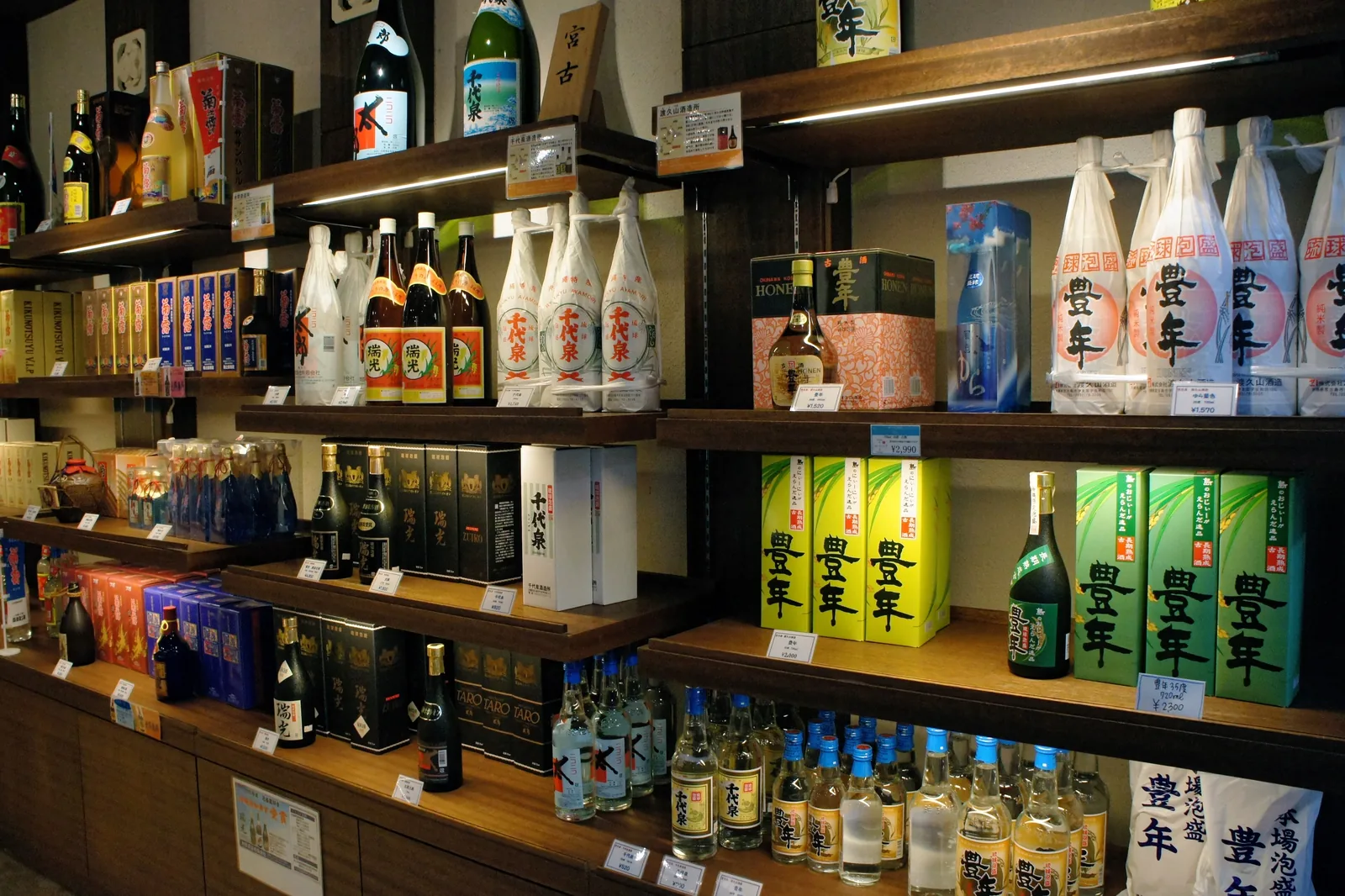 2 hr 30 min for both
Six hundred years old, distilled from Thai rice with a black mould, and aged in clay.
See the detail →No typing needed — jump straight in:
Just docked? — the gangway toolStart from your shipThe ride from every berthAsk the editorGlossary