10 things to do in Otaru
Ranked by one question: if you had a single call here, what would you regret missing? Every entry carries the round-trip time from the berth.
The canal, on foot from the ship
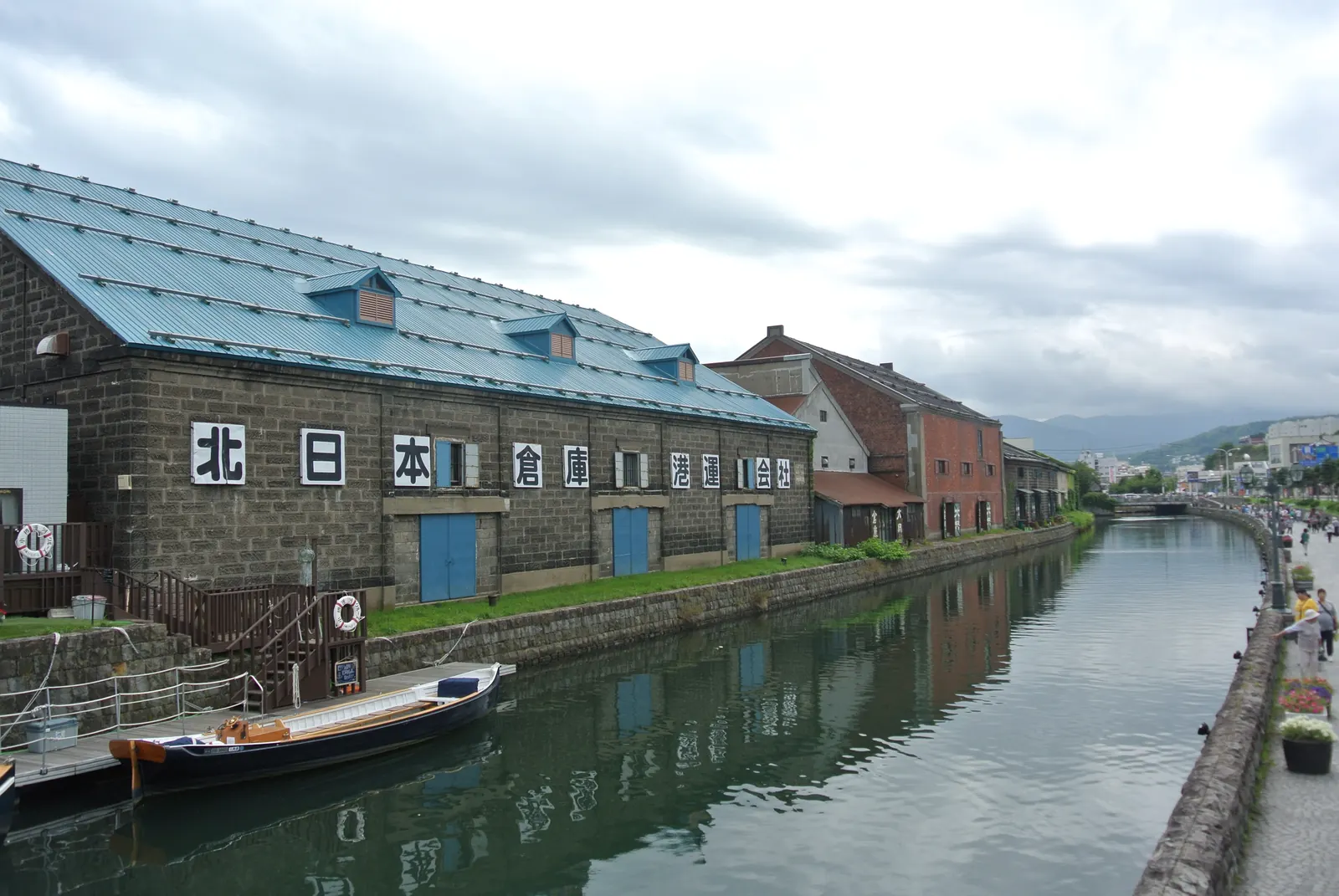
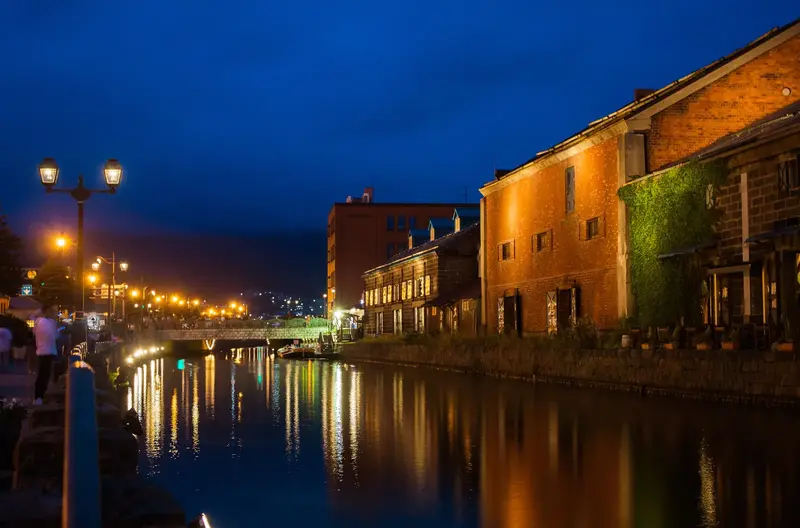
Finished in 1923 on reclaimed land so barges could unload straight into the warehouses. The city condemned it for a road in the 1960s; citizens fought for a decade and saved half. You are walking beside the half that won the argument.
10 min walkFull guide: The canal →Sushi on Sushiya-dori
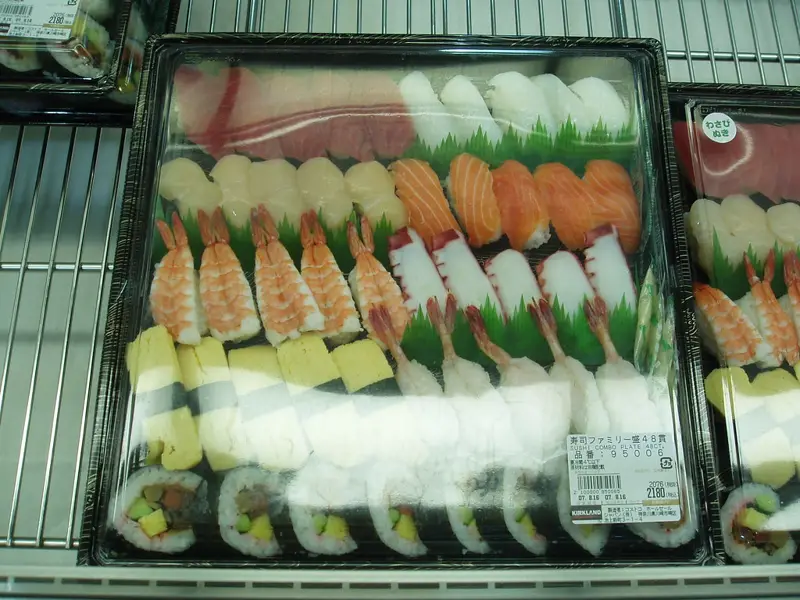
A whole street of counters in a town that has lived on cold water for a century. Order the seasonal board rather than the picture menu — in autumn that means salmon roe and in winter it means the best uni in Japan.
15 min walkGoogle Maps →Sakaimachi street
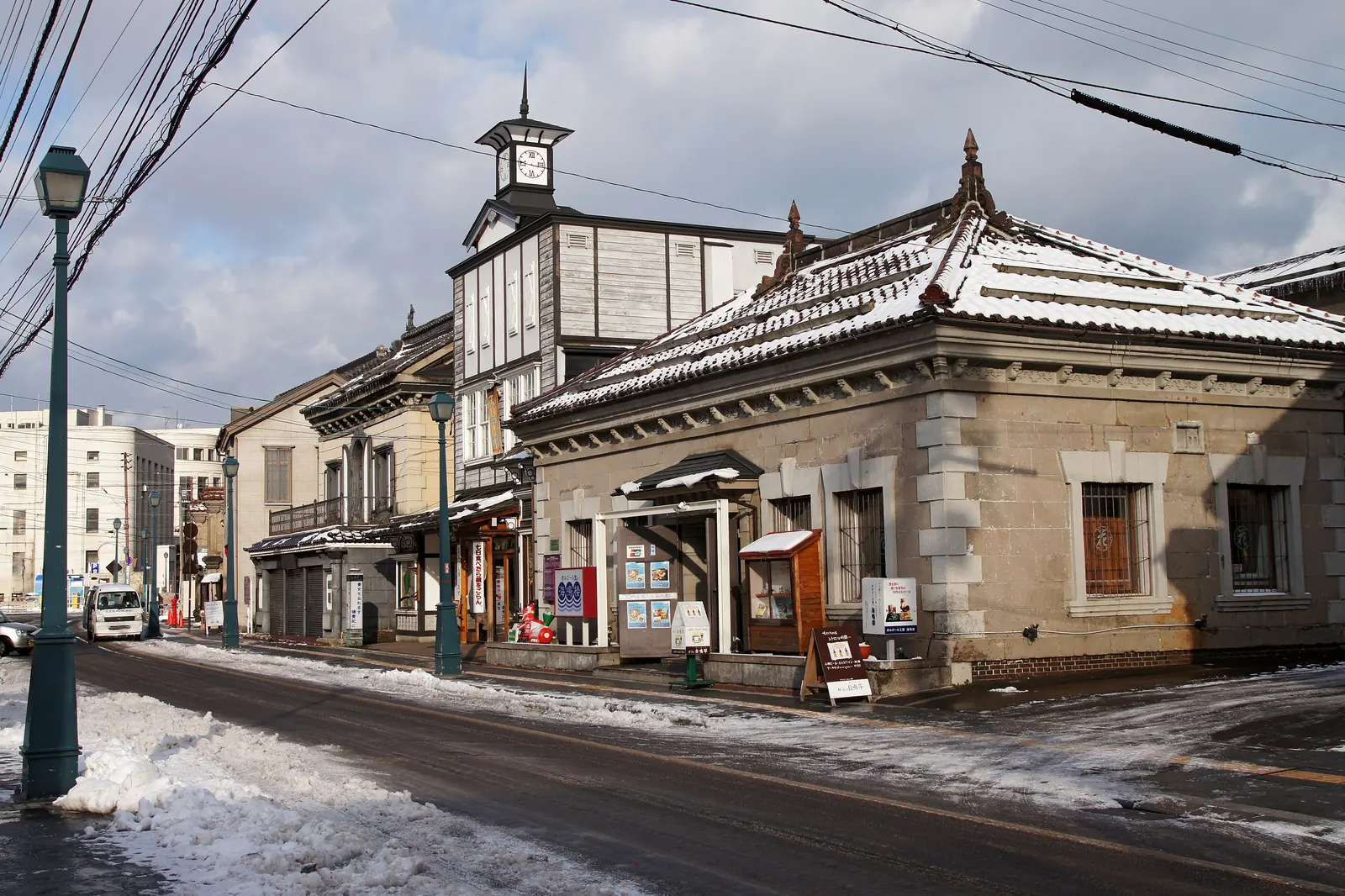
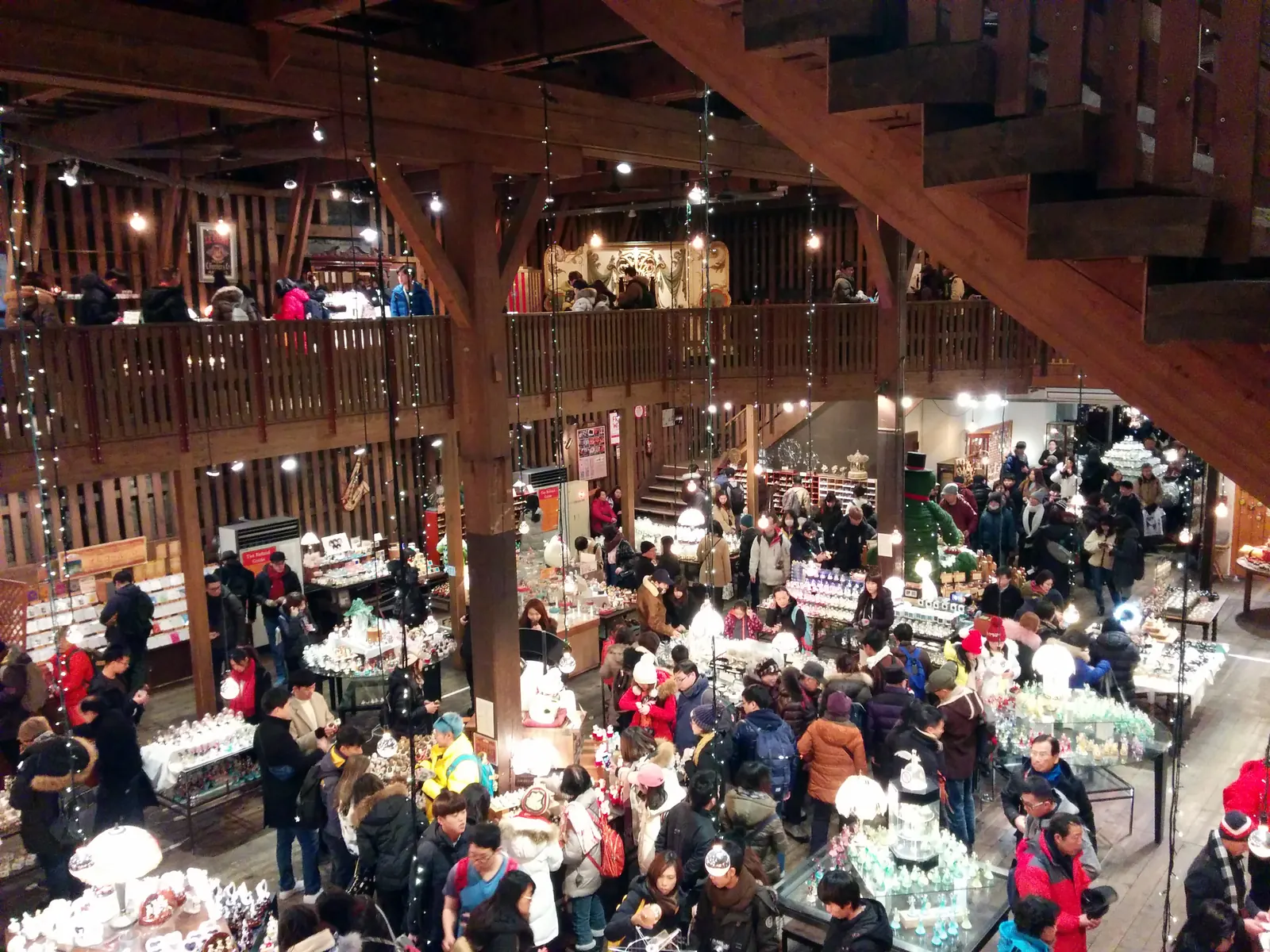
A kilometre of former merchant houses now holding glassworks, music-box makers and more soft-serve than any street needs. It is touristy and it is also genuinely beautiful, which is an unusual combination.
20 min walkFull guide: Sakaimachi →Build your own bowl at Sankaku Market
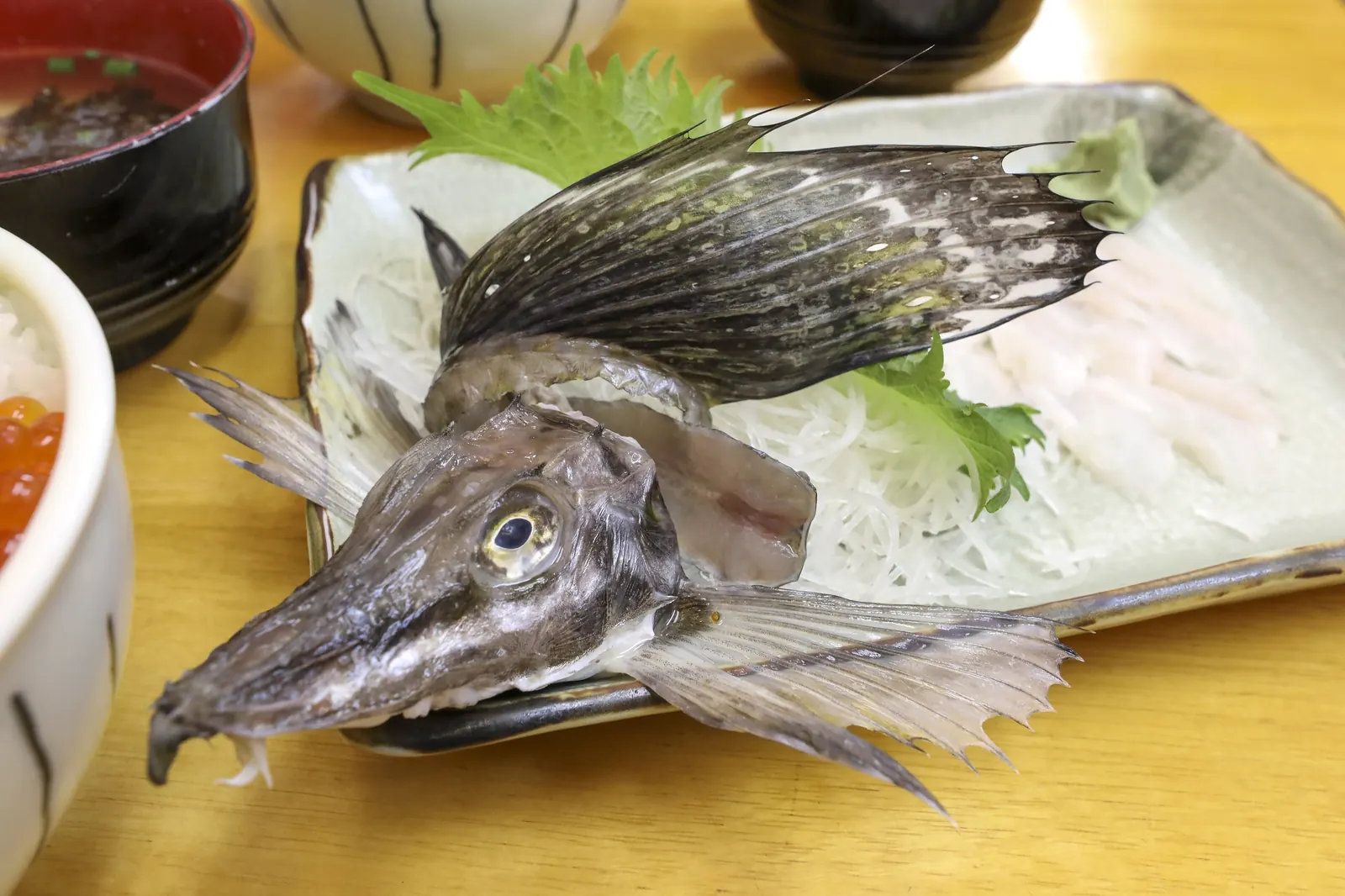
Seventeen stalls wedged beside the station on a triangular plot. Point at scallop, uni, crab and salmon roe and they build the bowl over rice in front of you. Cheaper and better than anything with a view.
15 min walkFull guide: Sankaku Market →The Wall Street of the North
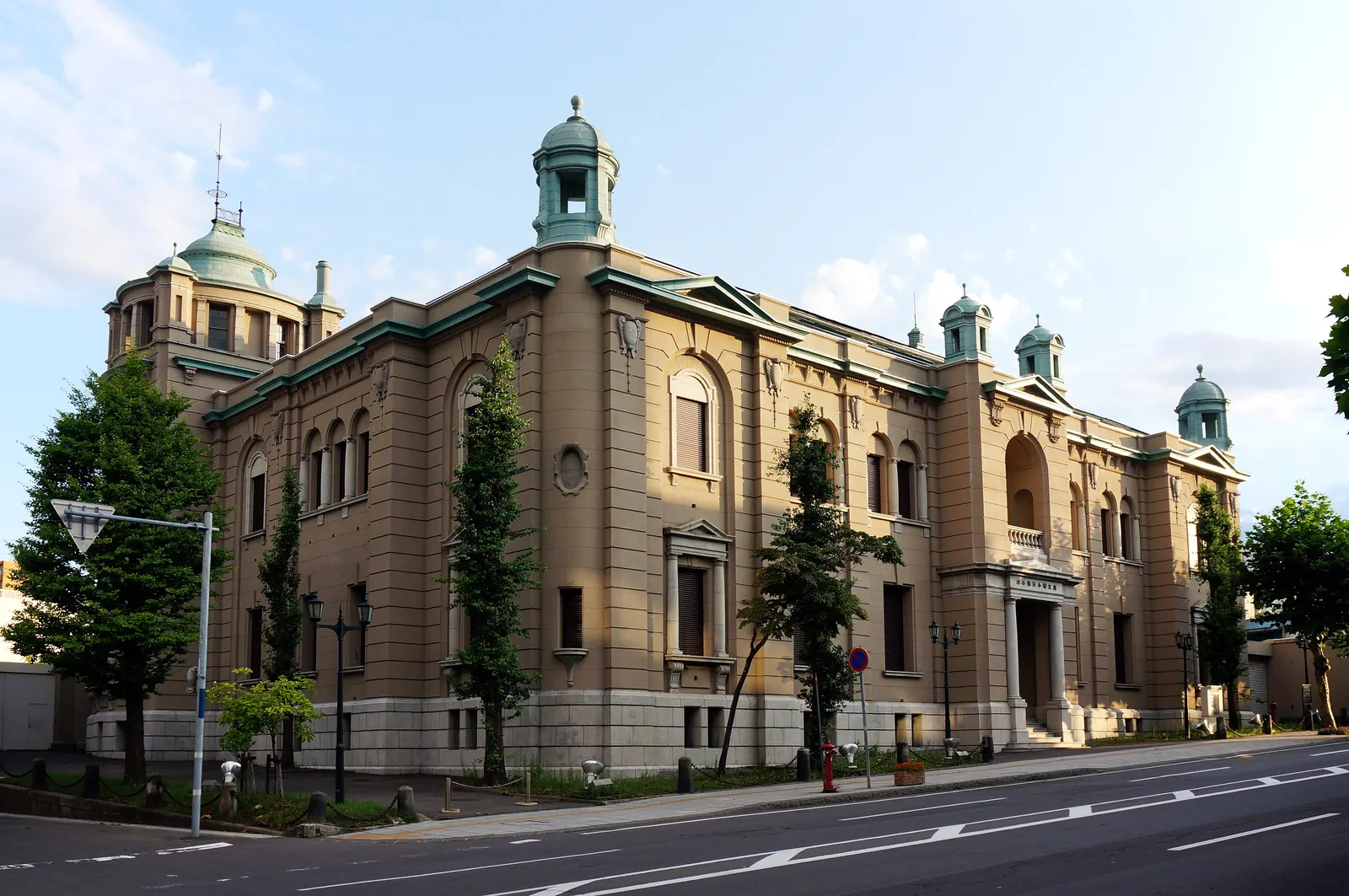
When the herring were running, Otaru was the financial centre of Hokkaido and Nichigin-dori held branch after branch in cut stone. The Bank of Japan building is now a free museum, and the street is the clearest evidence of how much money passed through.
WalkGoogle Maps →Glass, from fishing floats
The glassworks began making floats for herring nets and oil lamps for a town without electricity. When plastic and power arrived they had a workshop, a skill and no product — so they made ornaments instead, and the industry survived.
20 min walkFull guide: Sakaimachi →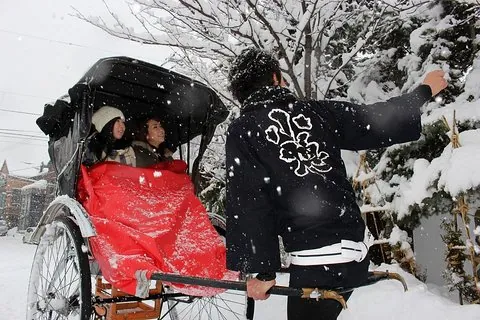
Rickshaw through the old town
Thirty minutes at strolling pace past the canal warehouses and the old shipping-line office. The operator lists the narration in Japanese only, so treat it as the ride and the view rather than the history lesson. It fits even the shortest call.
Yoichi whisky distillery
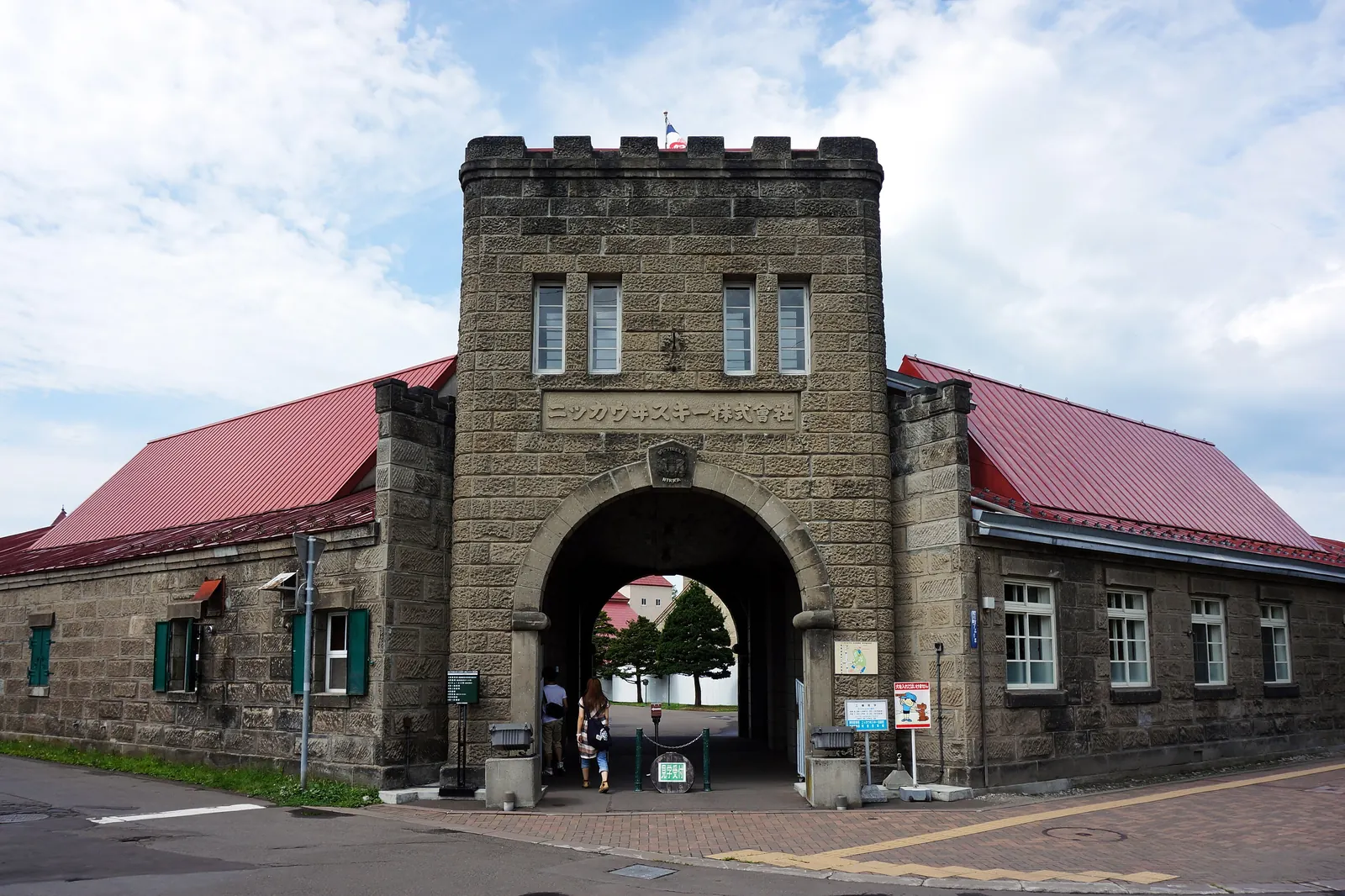
Masataka Taketsuru learned distilling in Scotland in 1918, married a Scot named Rita Cowan, came home and chose Yoichi because the weather reminded him of Speyside. Founded 1934, still coal-fired direct distillation, and the house he lived in is on site.
Train ~25 minFull guide: Nikka Yoichi Distillery →Mount Tengu at dusk
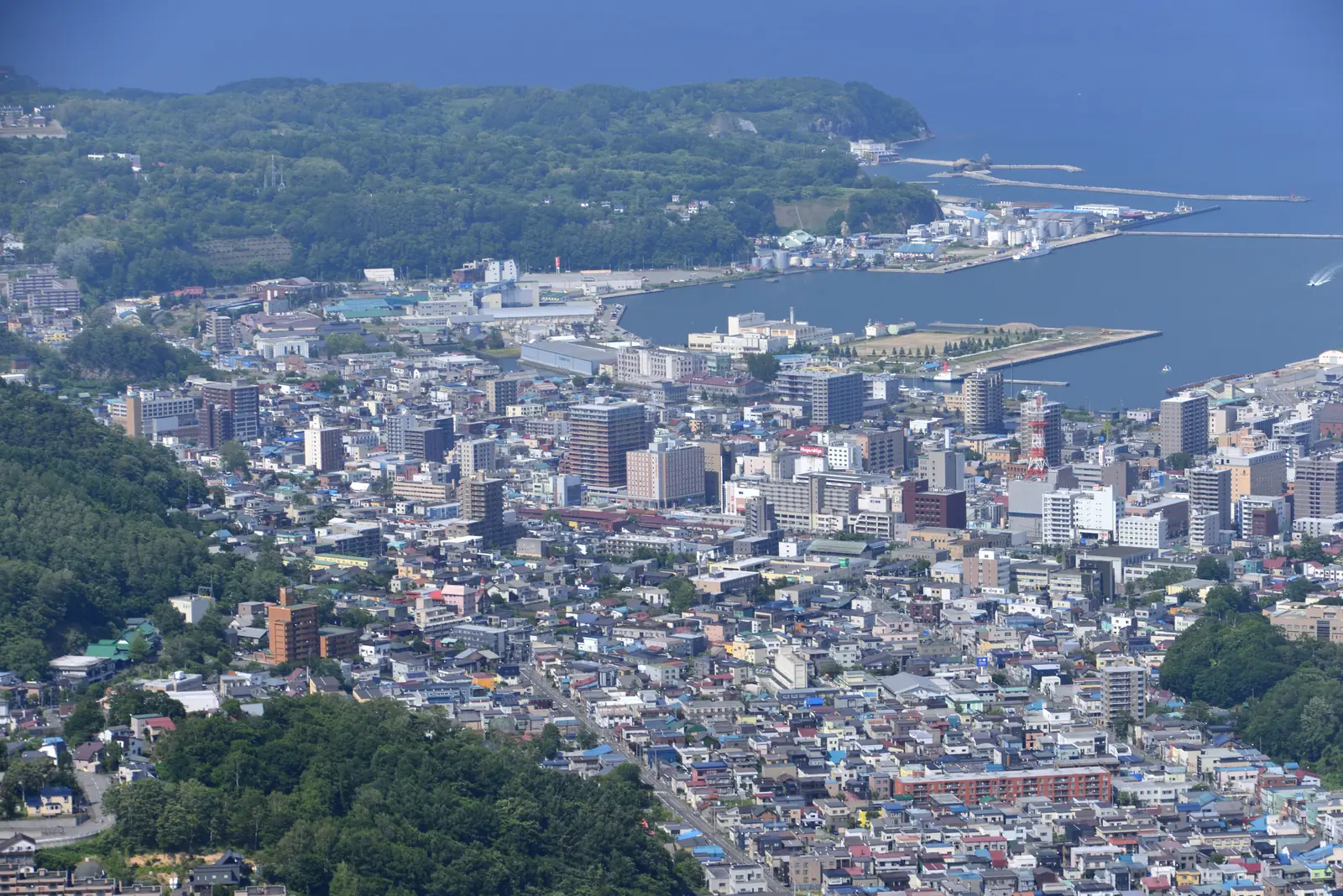
One of Hokkaido’s three great night views, over the harbour and your own ship. Only works on a late stay, and only in clear weather — in cloud the ropeway delivers you to a grey wall.
Bus + ropewayFull guide: Mount Tengu ropeway →Sapporo, on a long call
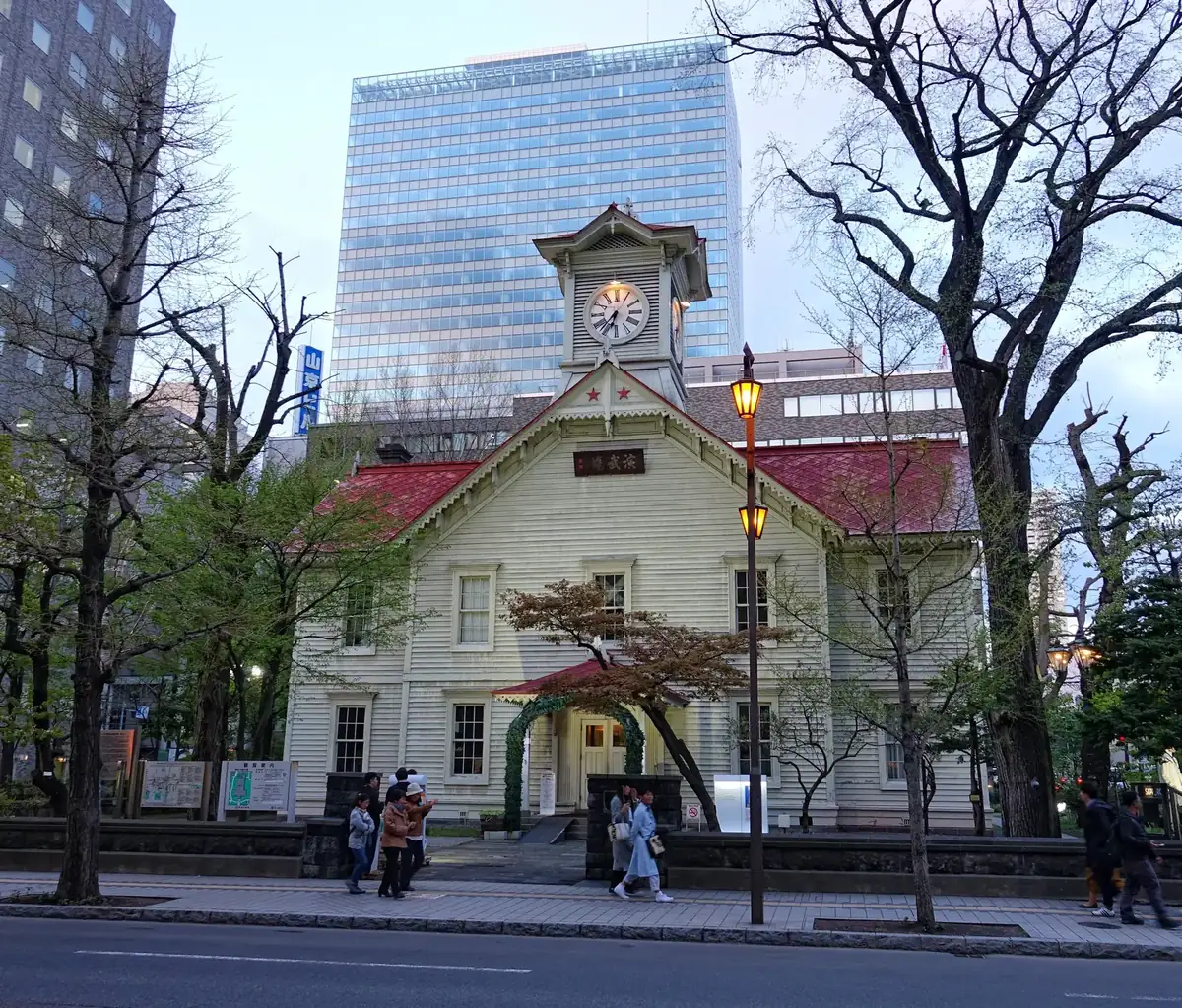
Forty minutes by train. Odori Park, the beer museum in a Meiji brick brewery, and a basement alley of miso ramen. It is a real city and a real day — but it costs you Otaru, which is the better town.
JR ~40 minFull guide: Sapporo day trip →