Pick your hours and you get a finished day — every step timed from the gangway and back, and each route says how much room it leaves you before all-aboard. Swap anything you don't fancy.
On an 8-hour stop that leaves 1 hr spare — the full hour this site recommends, and then some.
+0:00
Walk to Otaru Station
~15 minutes
+0:30
Train to Yoichi
~25 minutes along the coast
+1:05
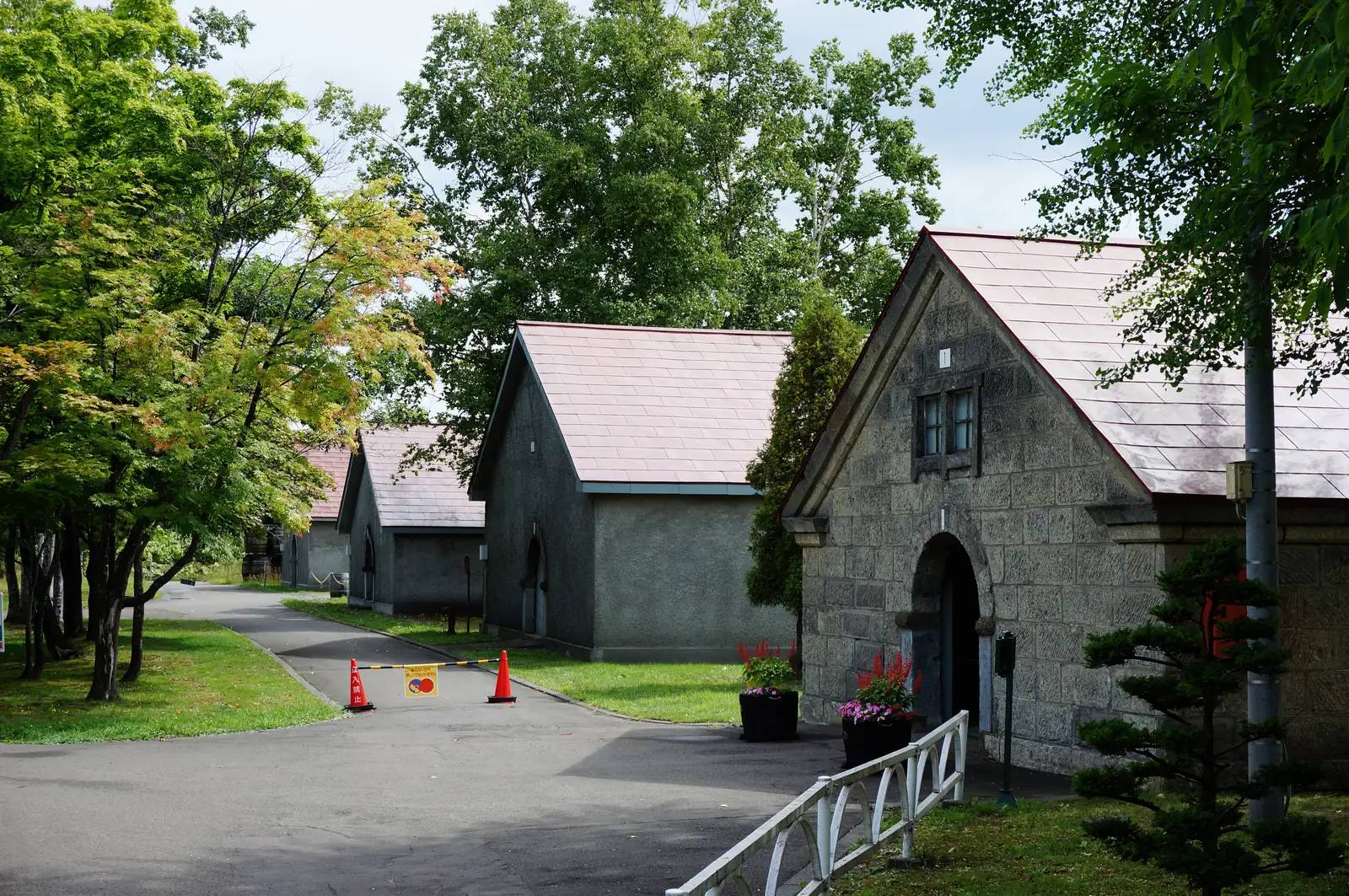
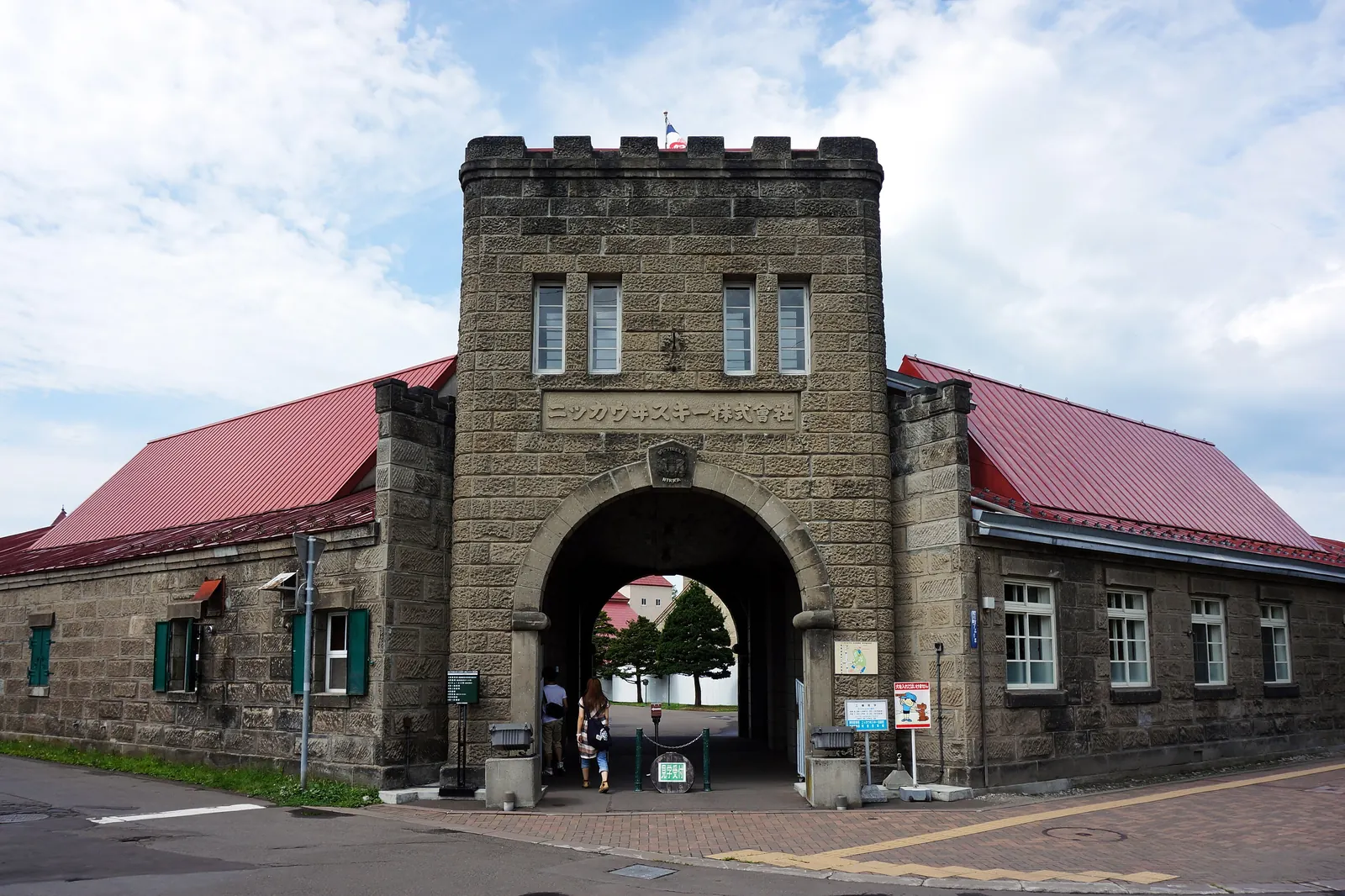
Nikka Yoichi distillery (booked slot)
Founded 1934 by Masataka Taketsuru — tours are free but require advance reservation on Nikka’s site
+2:45
Tasting, and the Taketsuru residence
He chose Yoichi because the weather reminded him of Scotland. It does
+3:30
Train back to Otaru
+4:30
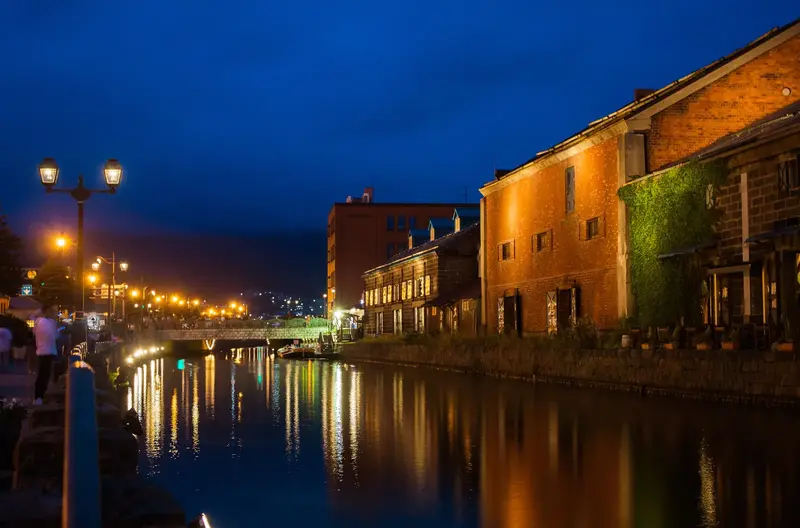
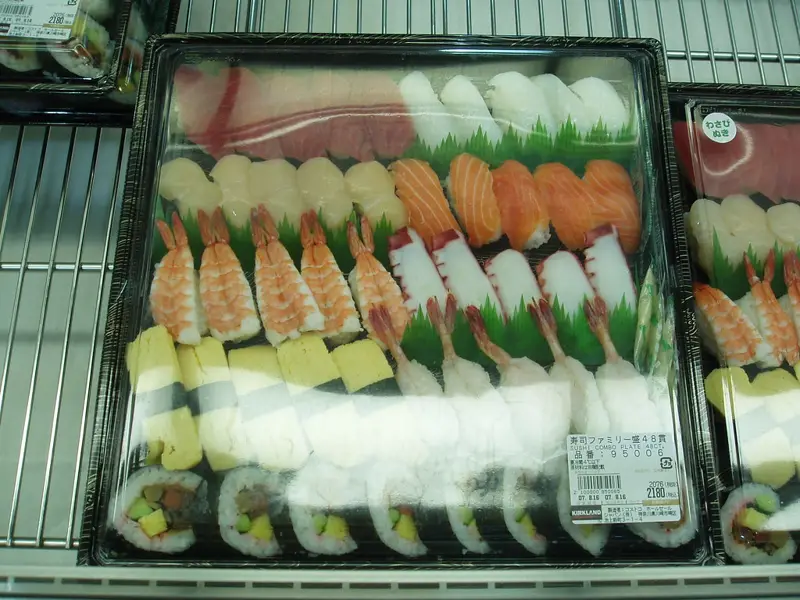
Sushi, then the canal at dusk
+6:30
Walk back to Wharf No.3
~15 minutes — the same walk you made this morning
Running late? Trains to Yoichi are not frequent. Photograph the return timetable on the platform before you leave Otaru.
Transport spend: ¥940 pp return (JR ¥470 each way). The museum, paid tasting bar and shop need no booking; the free guided tour does (up to 4 weeks ahead) and is in Japanese only. Map, photos and what you will see at each stop →
Rainy day ashore · 4 hr door to door
The rainy-day Otaru
Wet weather, and Hokkaido rain is cold
On a 6-hour stop that leaves 2 hr spare — the full hour this site recommends, and then some.
+0:00
Walk to Sankaku Market
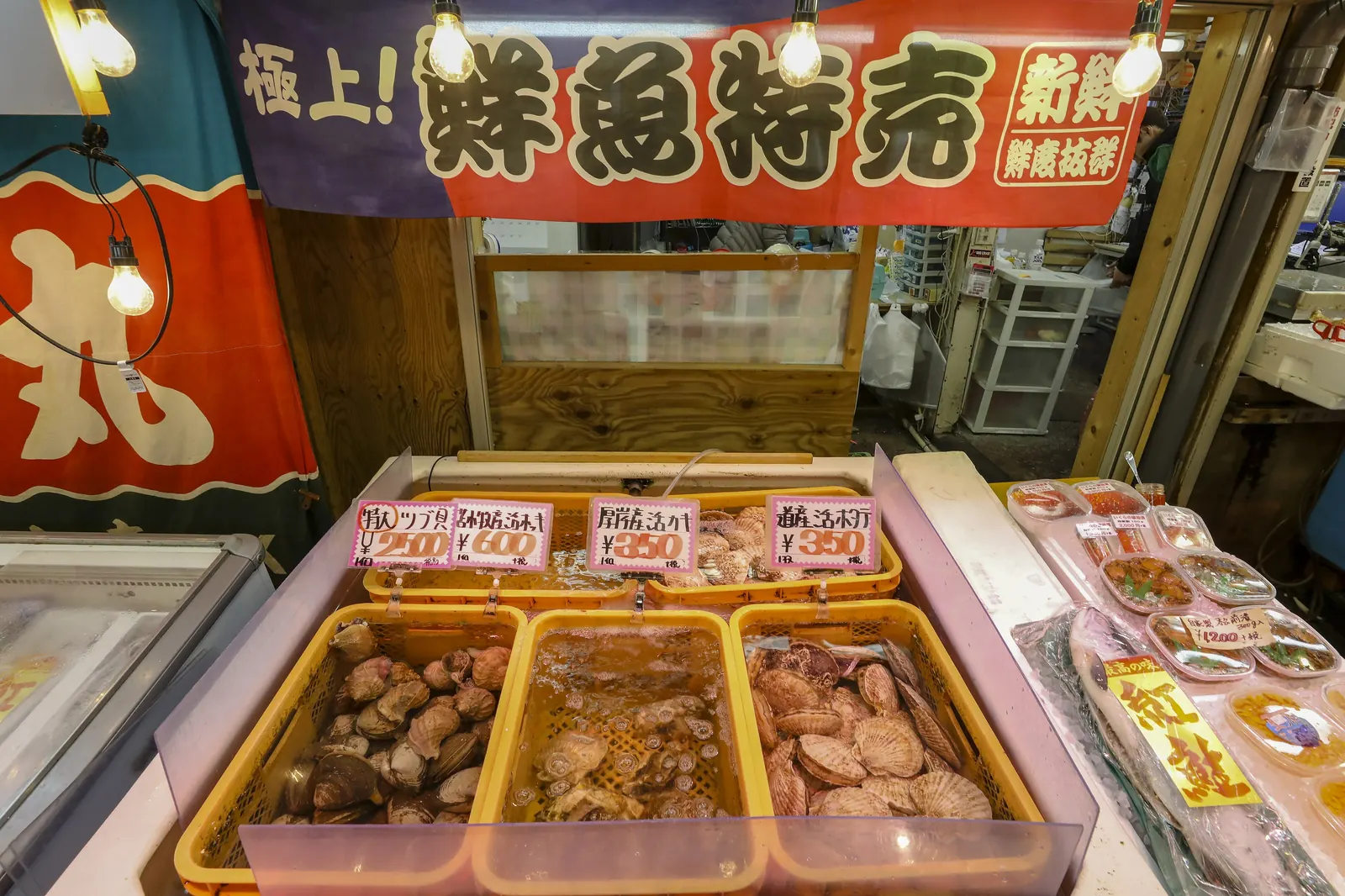
Covered, warm, and fifteen minutes from the ship
+0:30
A seafood bowl and hot tea
The correct response to Hokkaido weather
+1:15
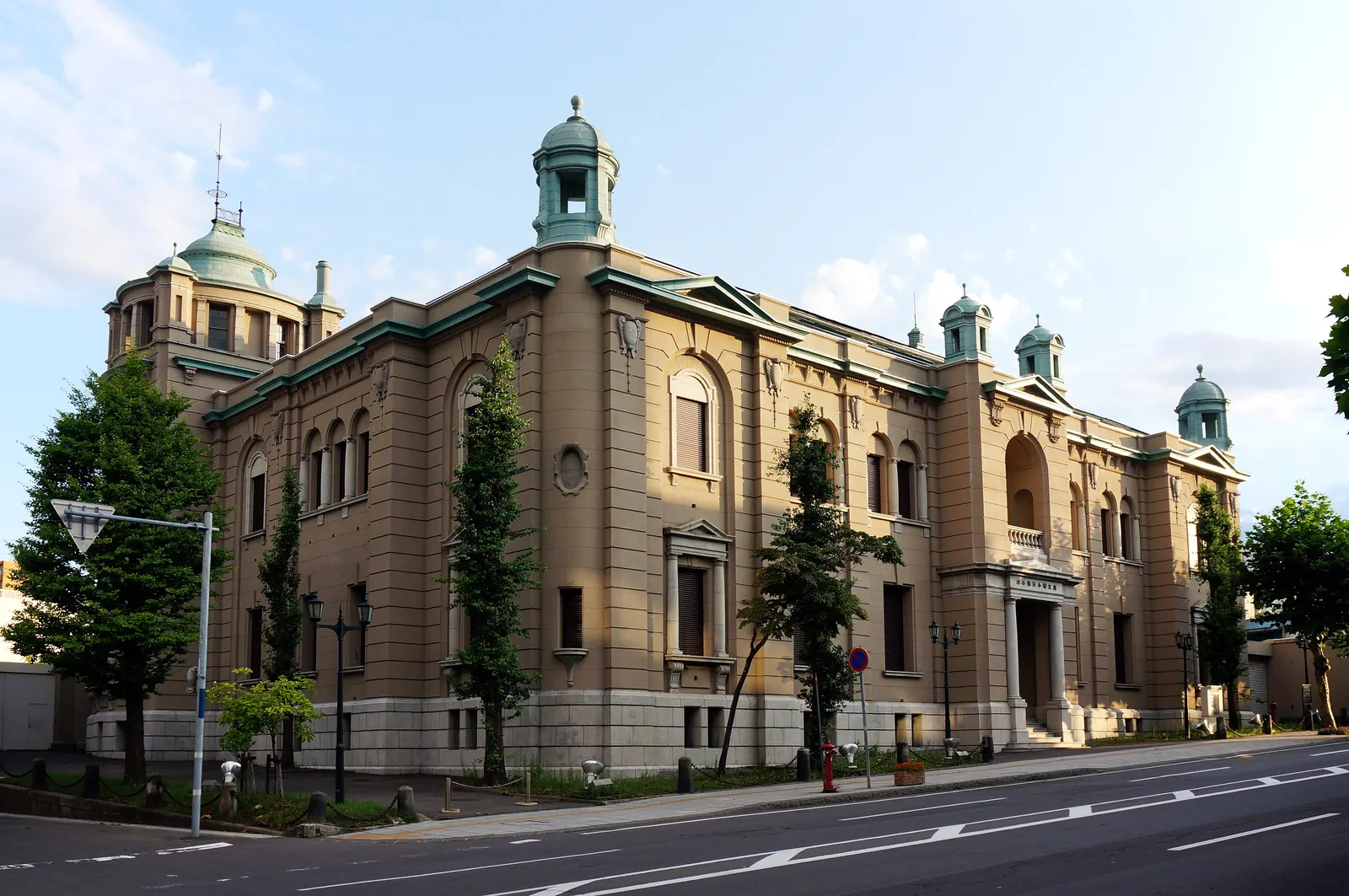
The Bank of Japan Otaru Museum
Free, indoors, and the herring-money story told properly
+2:15
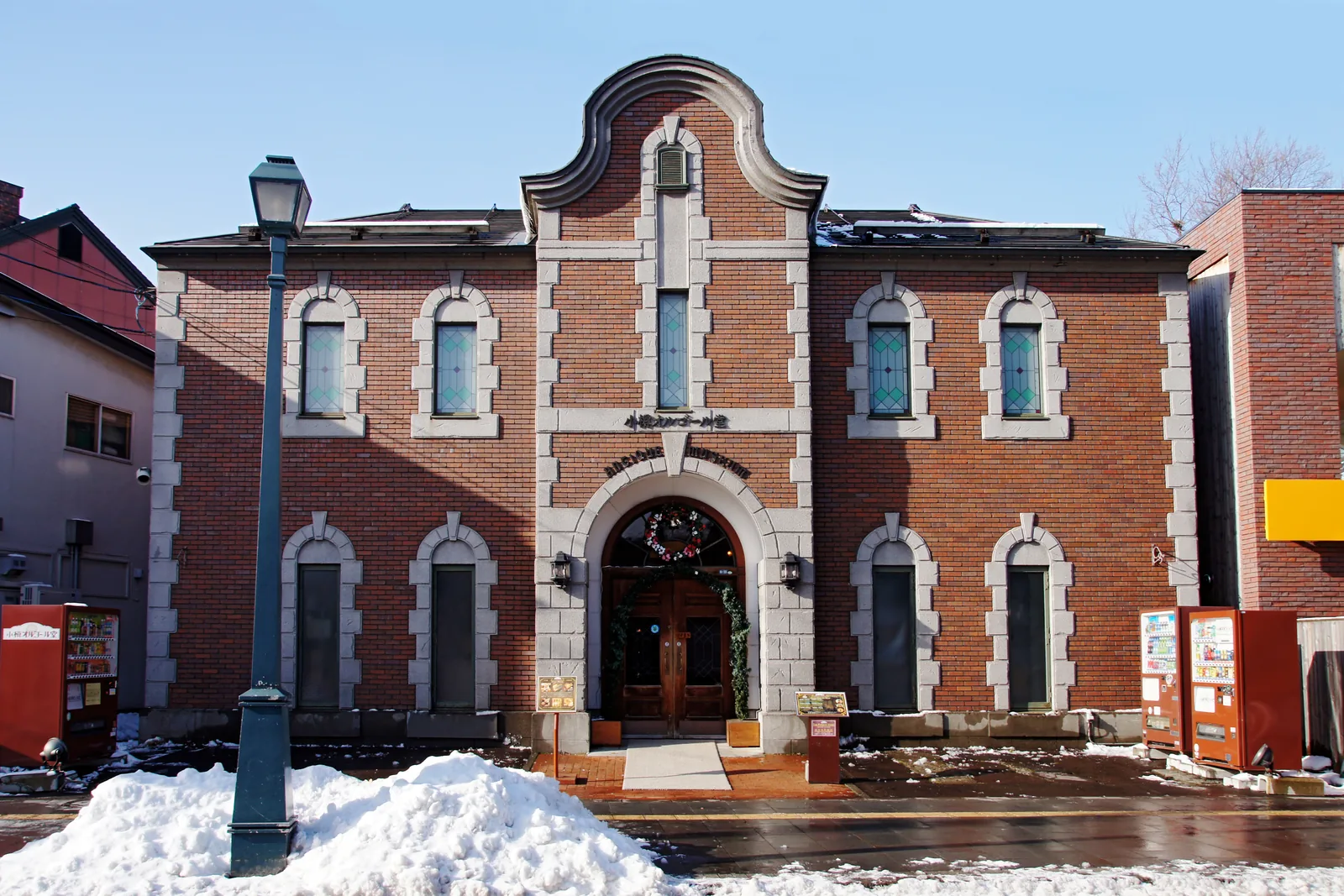
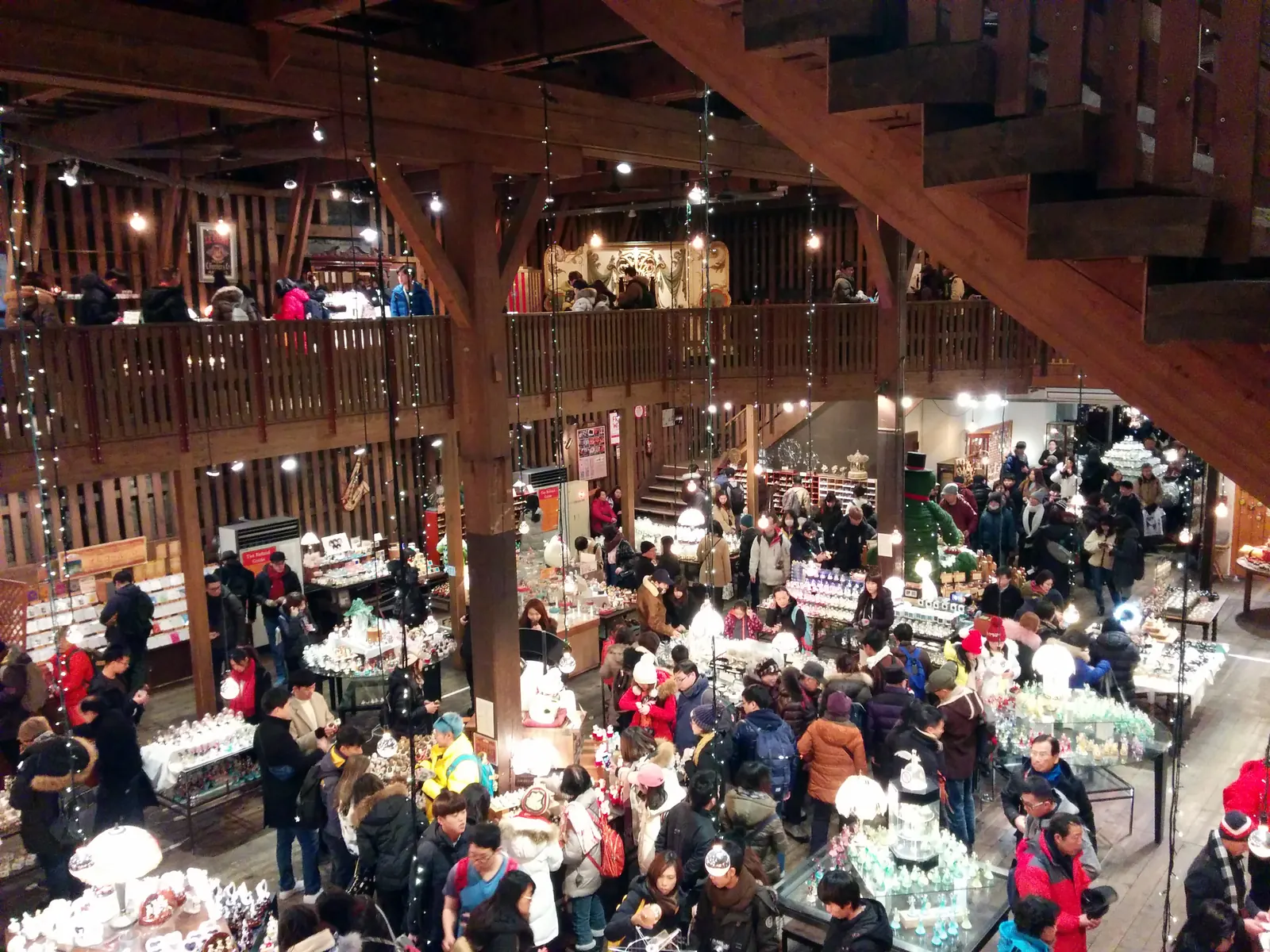
Music Box Museum and Kitaichi Glass
Both large, both indoors, both on Sakaimachi
+3:30
Back to the ship
Running late? Mount Tengu in cloud is a ropeway to a grey wall. Skip it without hesitation.
Round trips are measured from the gangway and include getting back. Two stops in the same direction overlap, so a real day usually comes in under the total you see, never over it.
The one rule: be back on board 60 minutes before all-aboard — every day above already banks it.Phones auto-switch to local time, but all-aboard runs on ship time. Check the daily programme's clock, not your lock screen.More to pick from on the Otaru guide and theTop 10.
MY SHIP DAY — fill this in before you walk off
Ship
Date
Docked at (berth)
All-aboard (SHIP time)
My deadline = all-aboard − 60 min
Last shuttle back
Phones auto-switch to local time; all-aboard runs on ship time. Write both if they differ.
GETTING AROUND — the facts that don't change by day (today's times: ship's program or Google Maps)
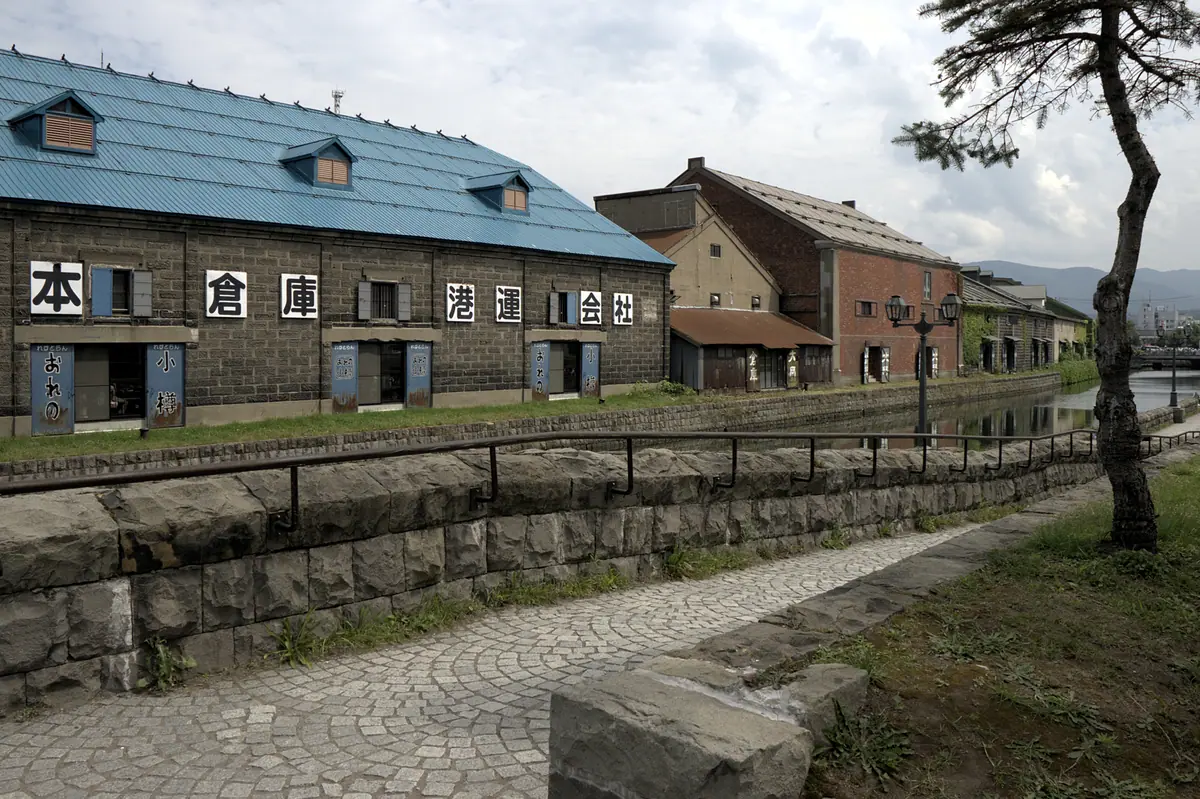
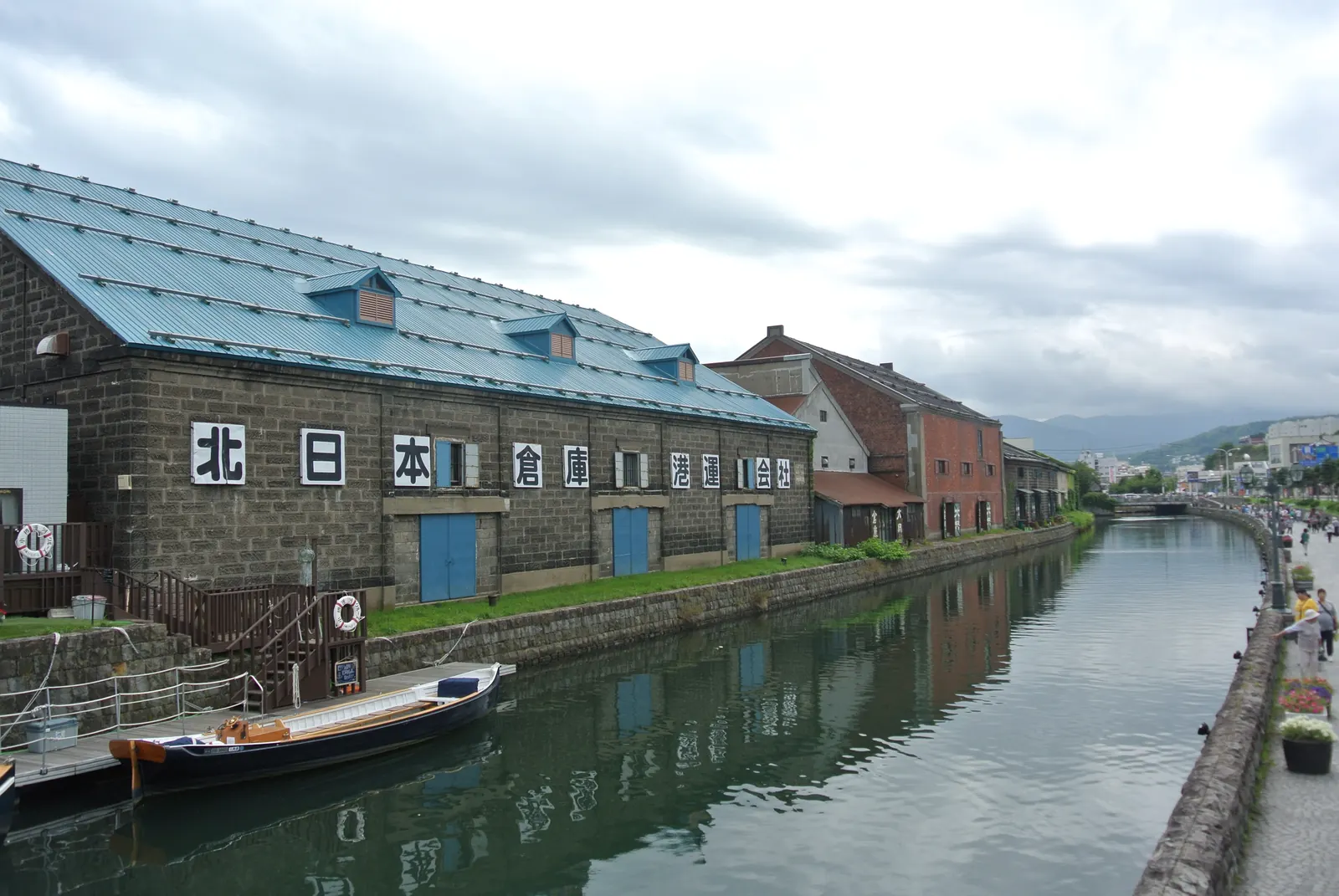
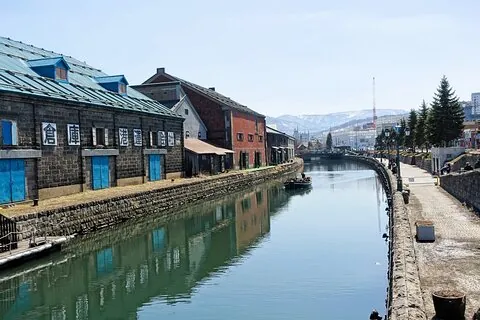
Canal & Sakaimachi street: Walk from Wharf No.3 — the canal is ~7–10 min, Sakaimachi ~20 min
Tenguyama ropeway: ① Chuo Bus route 9 (Tenguyama Ropeway line) from Otaru Station-mae terminal, stand 4 — ~17–20 min Fare ¥240 flat (day pass ¥800). 2–3 an hour.
SHOW THIS TO A TAXI DRIVER — 運転手さんへ
Please take me back to the cruise ship (Otaru port)
クルーズ船乗り場までお願いします
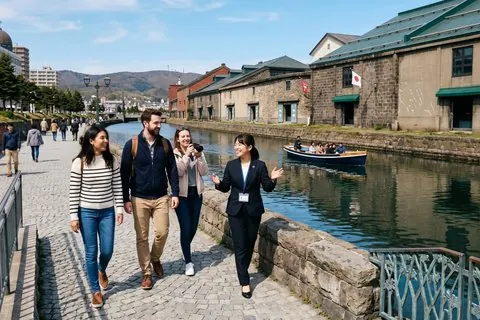
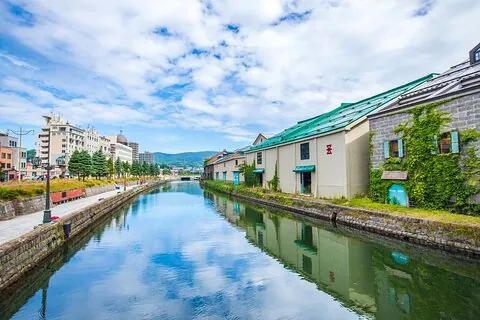
The canal, on foot from the ship
小樽運河
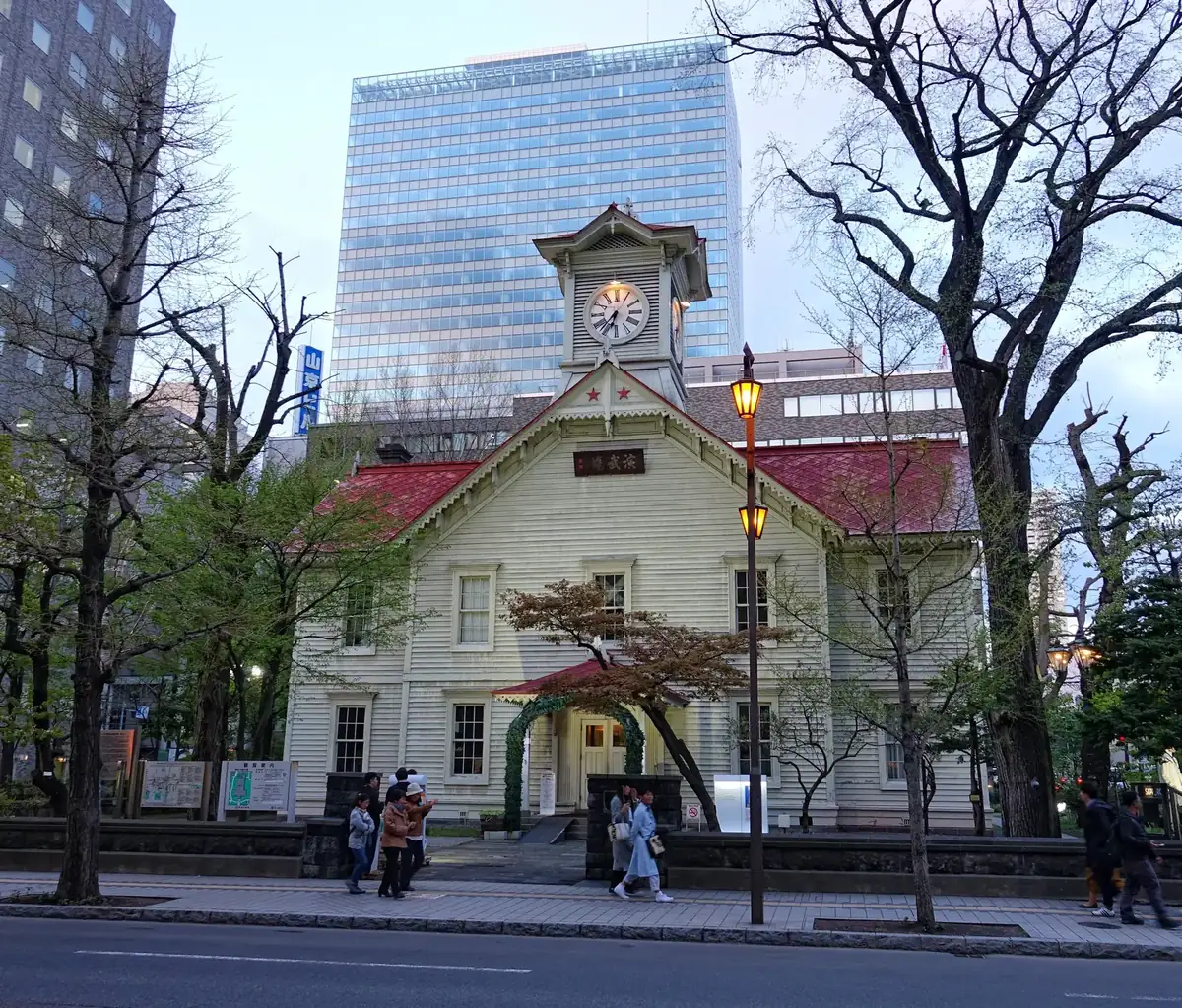
Sapporo, on a long call
札幌
Point at a line. Taxis are metered and honest; tipping is not expected in Japan.
THE TWO-MINUTE PORT TALK — read aloud at breakfast
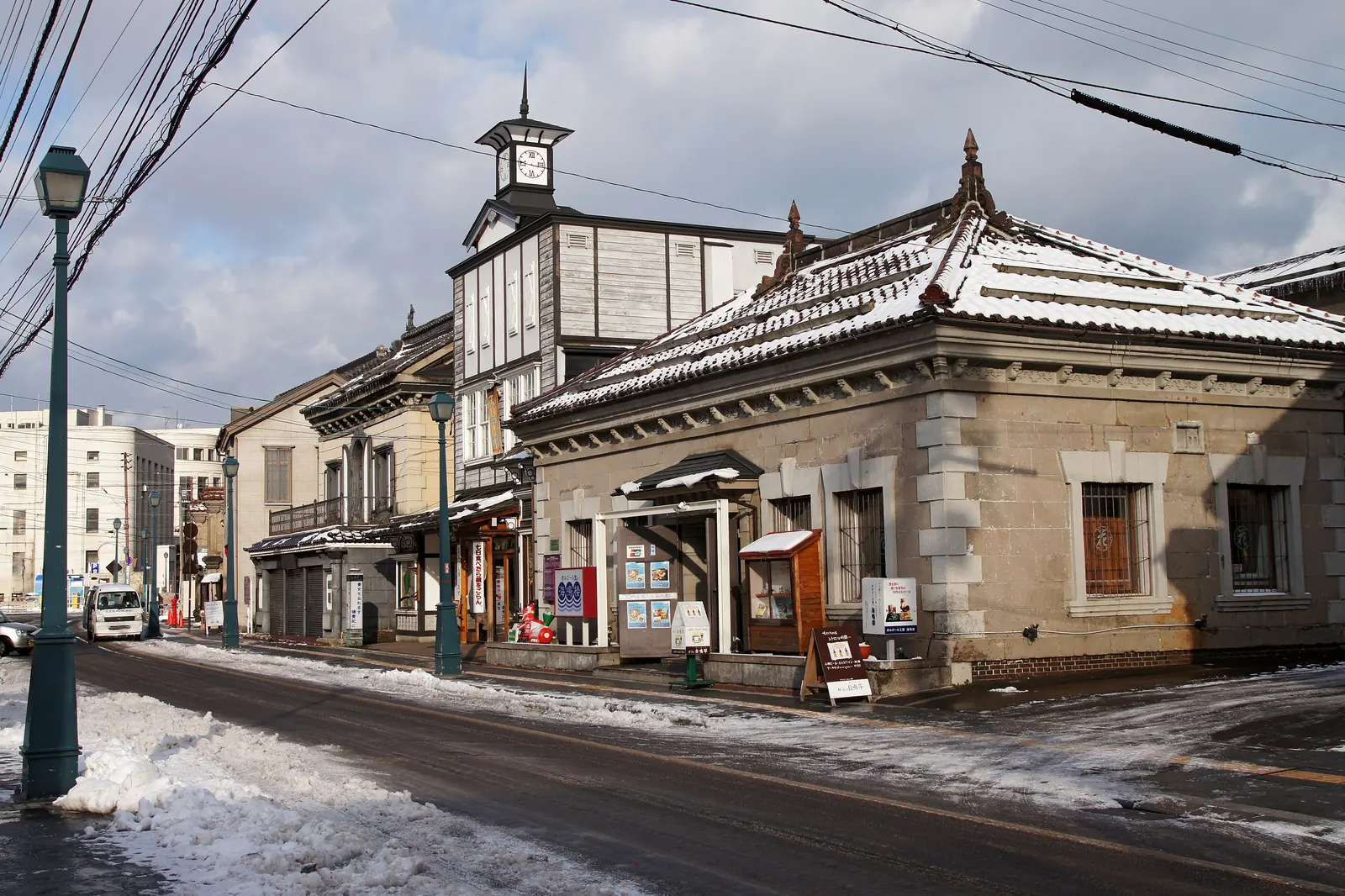
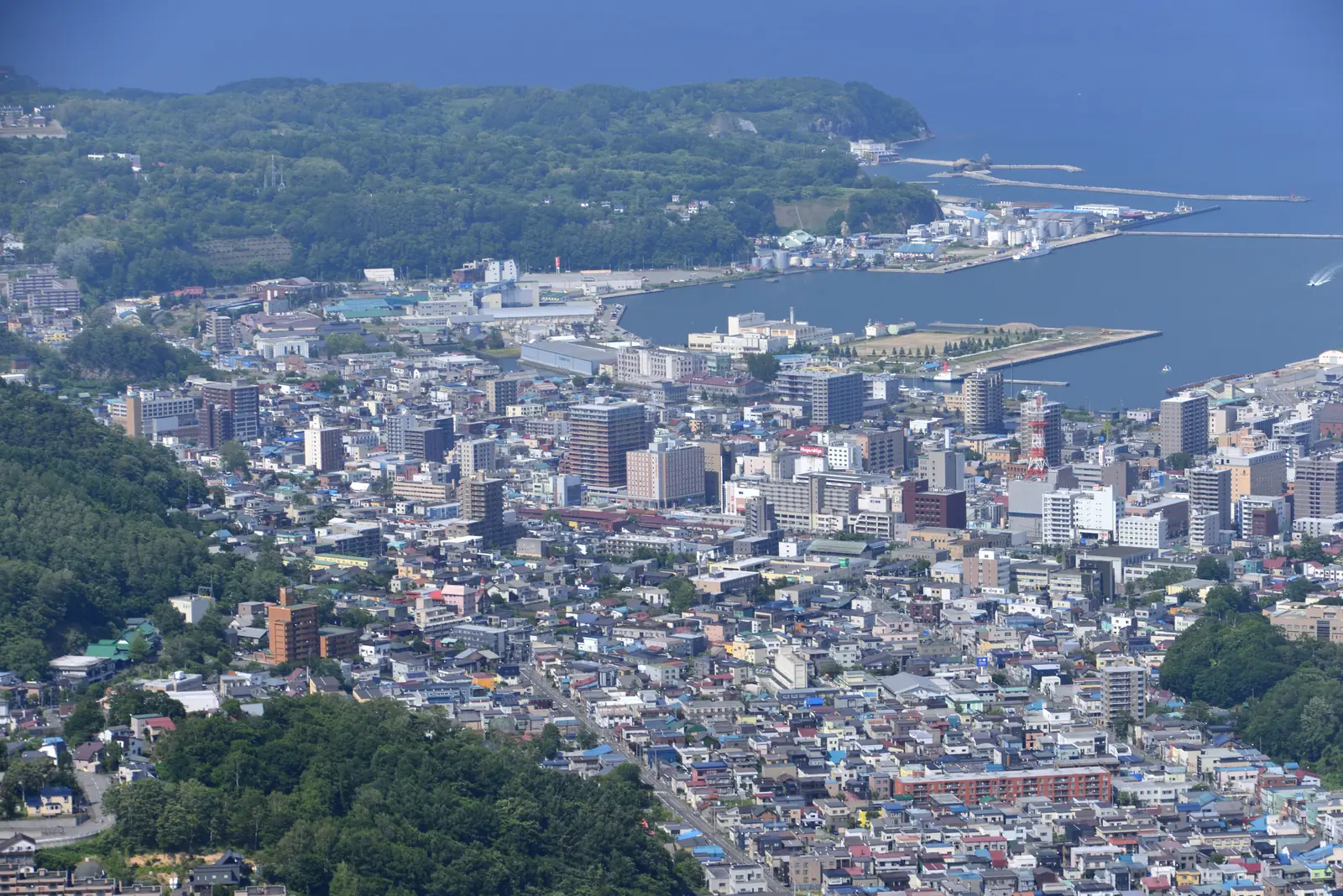
When the herring came. For a few decades either side of 1900, herring arrived on this coast in numbers that turned the sea white. Otaru became the financial centre of Hokkaido, built a street of stone banks, and then the fish simply did not come back.
Ten years over a ditch. By 1966 the canal was a stagnant, foul-smelling relic of an industry that had ended, and the city proposed filling it in for a six-lane road. What followed was one of the first and fiercest citizens’ preservation campaigns in modern Japan, and it lasted more than a decade.
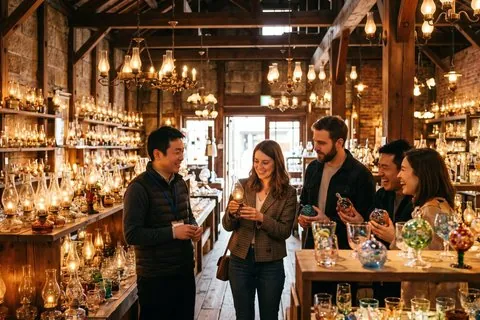
From fishing floats to lamps. Otaru’s glassworks were founded to make two things: floats to hold up herring nets, and oil lamps for a town with no electricity. Plastic killed the first and the power grid killed the second. The workshops survived by making things nobody needed at all.
Yoichi. In 1918 a young Japanese chemist enrolled at Glasgow University to learn how whisky was actually made. He came home with a notebook, a Scottish wife, and a conviction that Japan’s whisky should be made somewhere cold and grey — which is why the distillery is twenty-five minutes from this port.
The one rule: be back on board 60 minutes before all-aboard — every plan above already banks it. · Free guide: port-of-japan.com/otaru/ · By Takumi Yamada, Tokyo, Japan