Tap a photo to see it large. 3 photographs, each credited.
The glassworks began making floats for herring nets and oil lamps for a town without electricity. When plastic and power arrived they had a workshop, a skill and no product — so they made ornaments instead, and the industry survived.
An industry that survived by losing both of its products
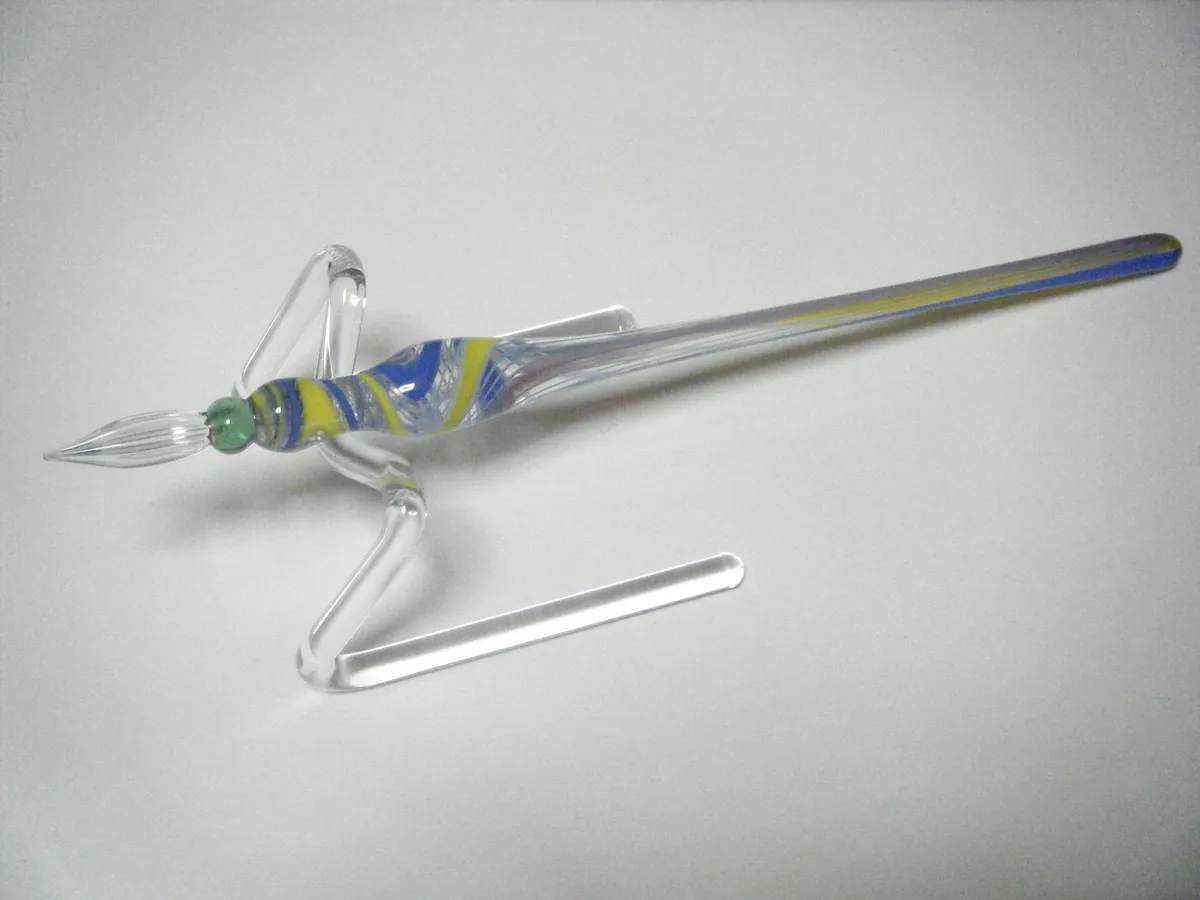
Otaru's glassworks were founded to make two things: floats to hold up herring nets, and oil lamps for a town without electricity. Plastic killed the first and the grid killed the second, so the workshops turned to ornament. An accident of obsolescence became the craft the town is now known for.
Otaru’s glassworks were founded to make two things: floats to hold up herring nets, and oil lamps for a town with no electricity. Plastic killed the first and the power grid killed the second. The workshops survived by making things nobody needed at all.
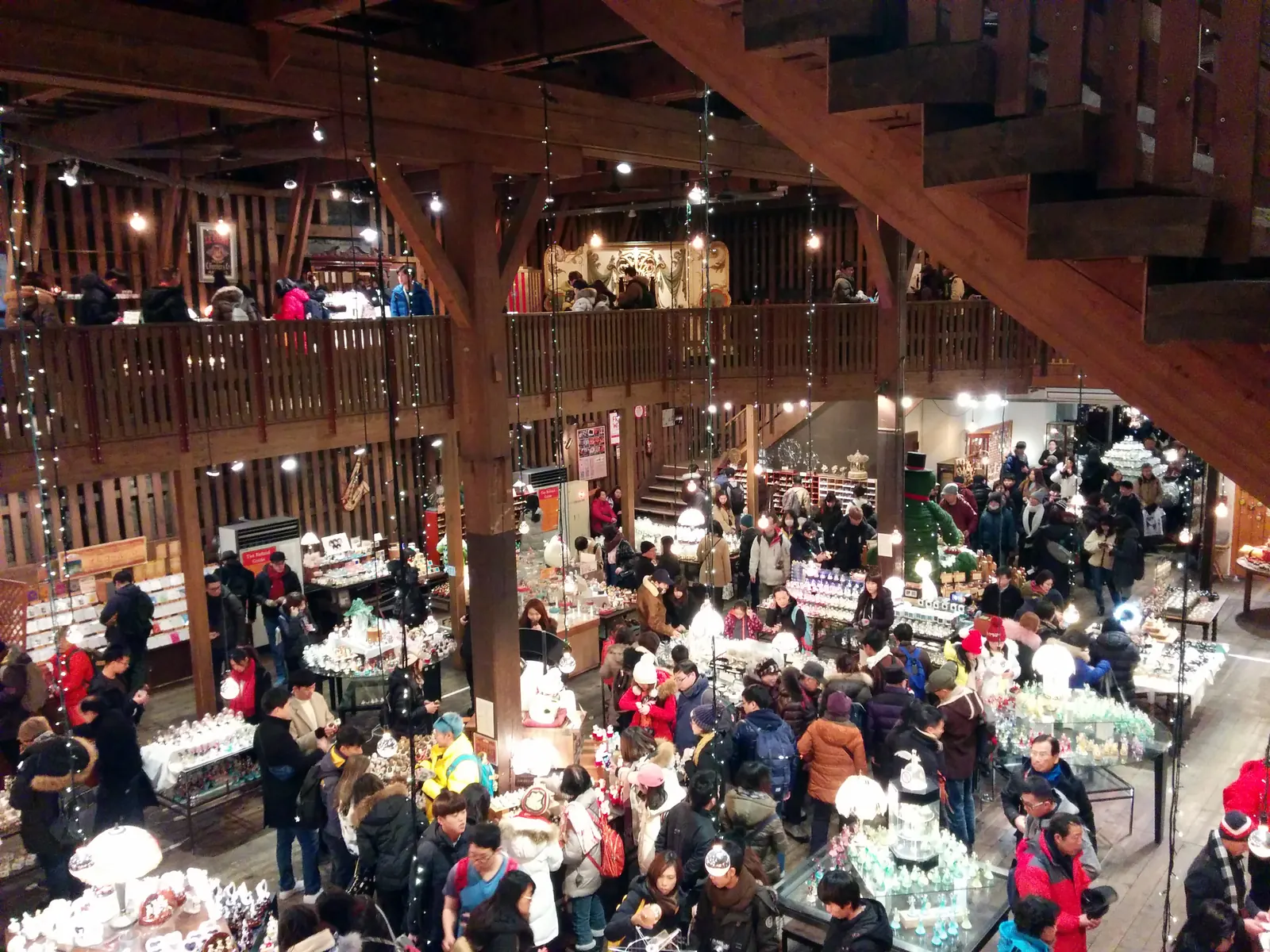
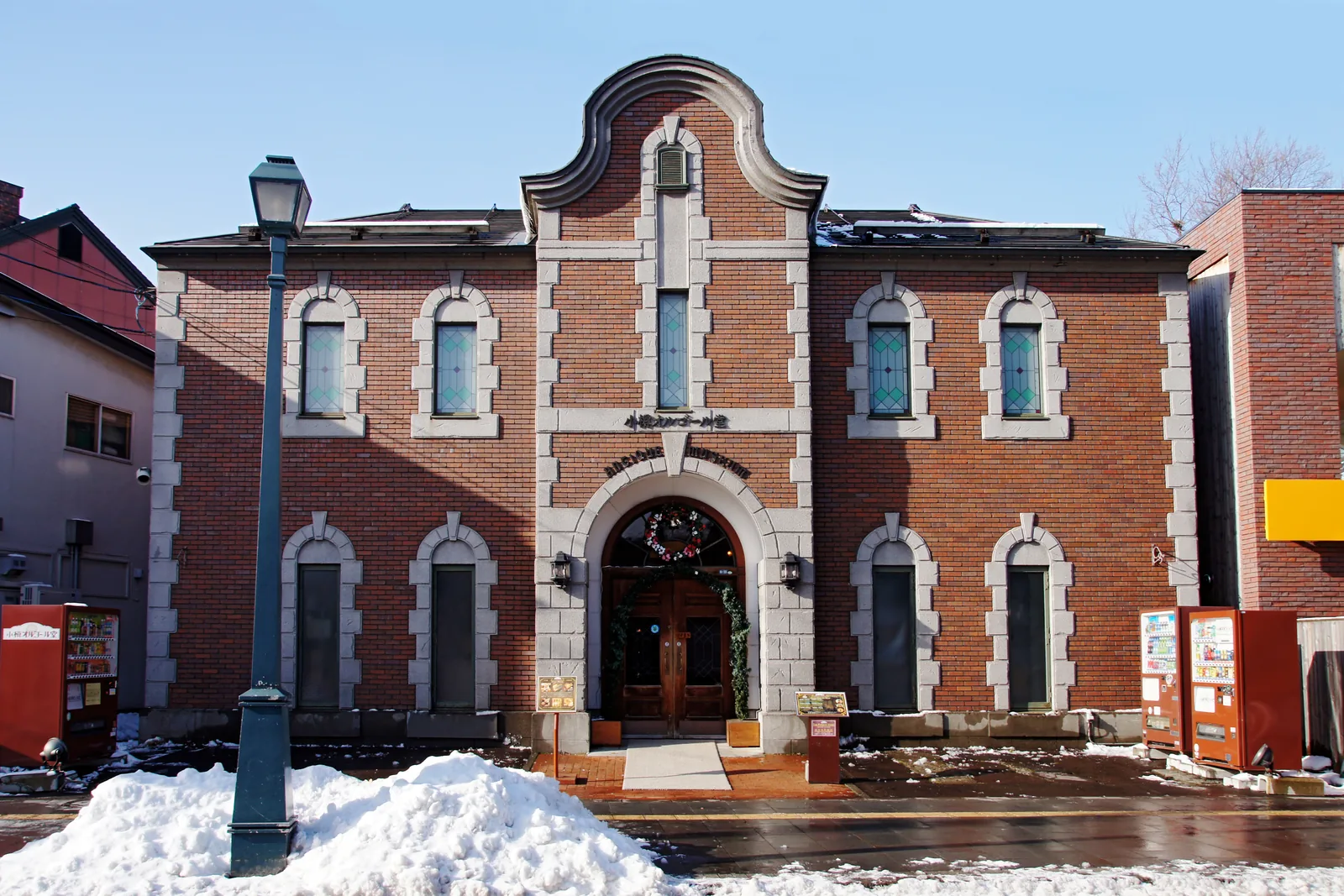
About a kilometre of stone and brick merchant houses from the herring decades, now holding glassworks, music-box makers, patisseries and a great deal of soft-serve. It is unashamedly a shopping street and it is also one of the best-preserved Meiji commercial streetscapes in Hokkaido.
The glass industry is the interesting part. Kitaichi began around 1901 making floats for herring nets and oil lamps for a town with no electricity. Plastic floats and electric light destroyed both products — so the workshop turned to ornament, and an accident of obsolescence became the thing Otaru is now known for.
Net floats and kerosene lamps, in volume
The workshops keep the furnaces
Skill without a market finds a new one
It sounds every fifteen minutes
Order coffee at Kitaichi Glass No.3 and sit under the oil lamps. Twenty minutes, and the best value on the street.
Both pins on one map, so the distance is a fact rather than a feeling.
Counted from the moment you step off the gangway. The hour before all-aboard is not in this bar; it is already set aside.
20 minutes each way is the honest figure for 20 min walk, not the optimistic one. If your ship is late, cut the 1 hr 20 min in the middle. Never cut the hour at the end.
Each of these still lands you back aboard with the hour to spare on a 6-hour stop ashore.
Because the industry started with fishing. Workshops here made glass floats for herring nets and oil lamps for a town without electricity. Plastic floats and electric light killed both products, so the workshops turned to decorative glass — and an accident of obsolescence became the craft the town is now known for.
About a kilometre, roughly twenty minutes on foot from the cruise berth, and it takes ninety minutes to walk properly with stops. Walk the whole length — the far end is quieter and the workshops there are better than the first two hundred metres.
Each one is a finished day we have walked and timed, with this stop in it. Read the route rather than assembling it yourself.
Each of these still lands you back aboard with the hour to spare.
 3 hr for both
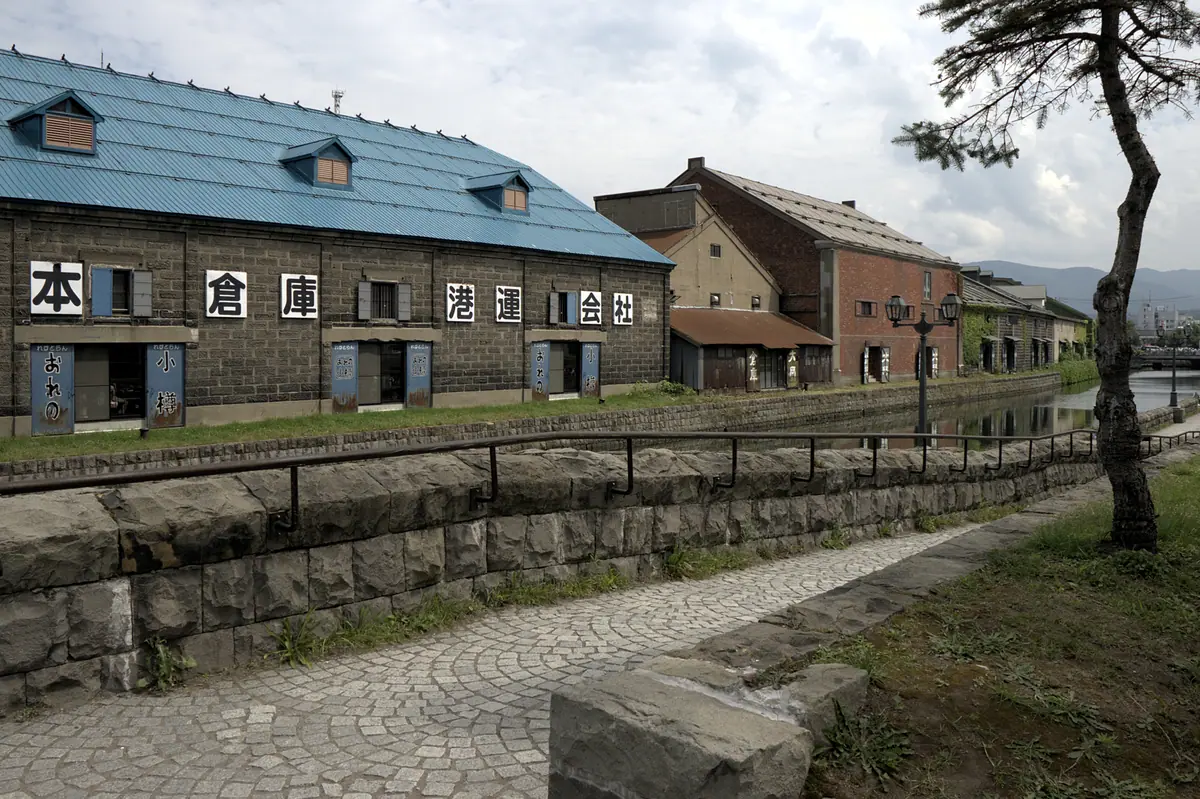
Finished in 1923 on reclaimed land so barges could unload straight into the warehouses.
See the detail →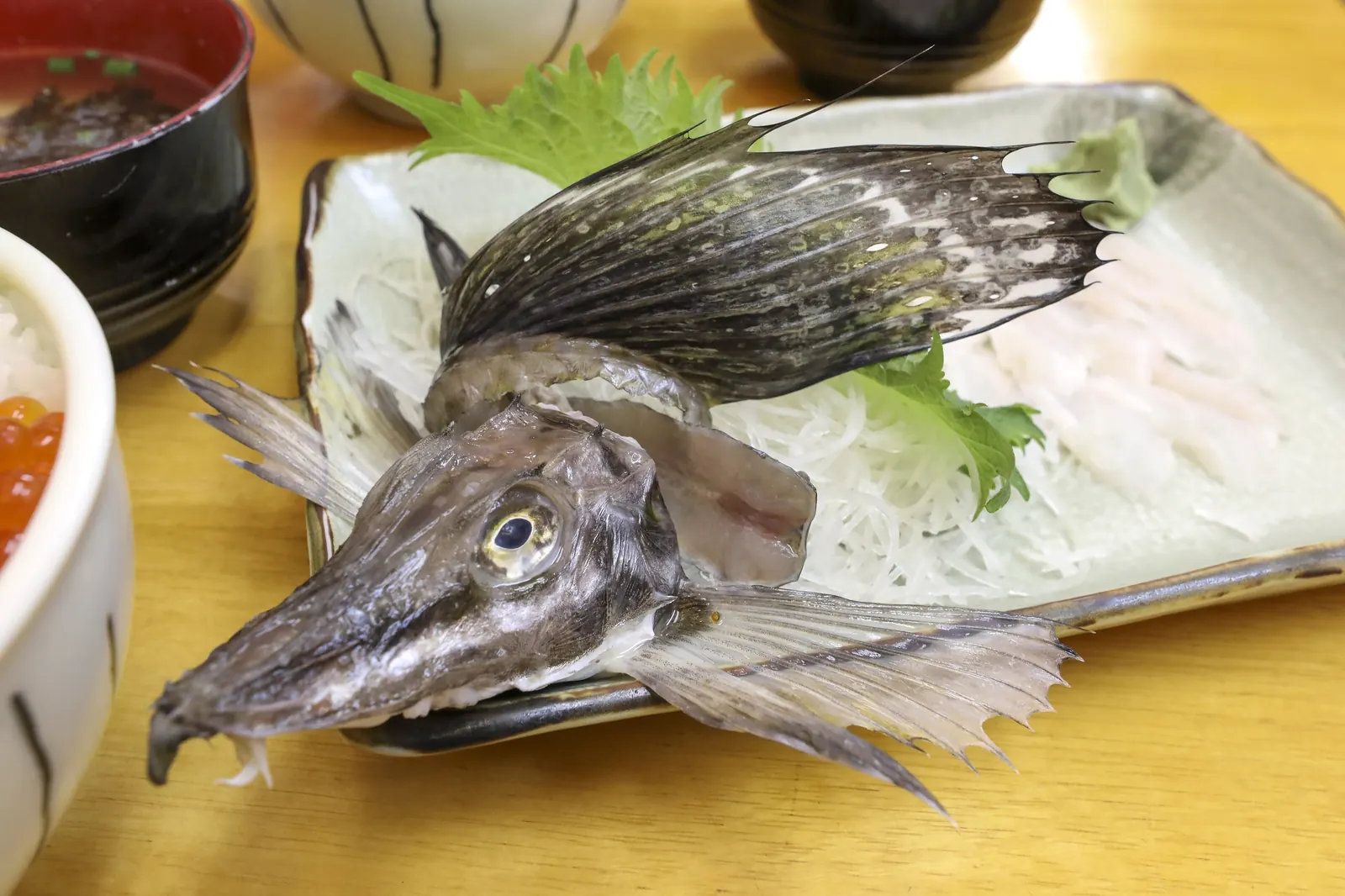 3 hr 30 min for both
Seventeen stalls wedged beside the station on a triangular plot.
See the detail →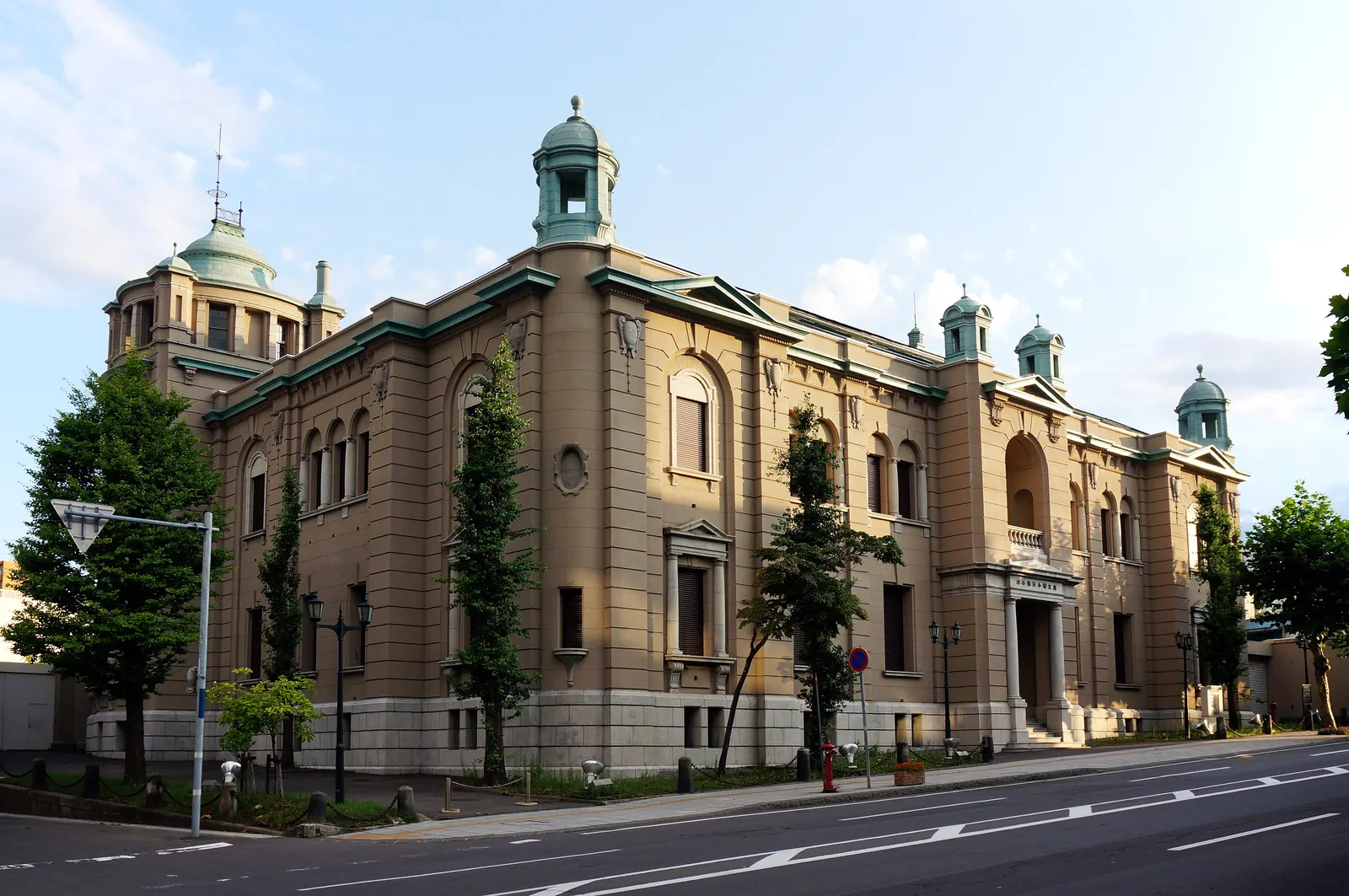 3 hr 30 min for both
When the herring were running, Otaru was the financial centre of Hokkaido and Nichigin-dori held branch after branch in cut stone.
See the detail →No typing needed — jump straight in:
Just docked? — the gangway toolStart from your shipThe ride from every berthAsk the editorGlossary