Updated 1 October 2026 · 36 official and operator sources · Researched from official timetables, operators and the port authority · Takumi Yamada
Otaru is a port you can do entirely on foot. Every cruise call since 2024 has used No.3 Wharf, about 500 m and 5–10 minutes' walk from the canal, and the whole old town — the canal, the stone bank buildings, Sakaimachi's glass and music-box shops, a sushi counter for lunch — fills a typical 10-hour call without a single ticket. The one decision is whether to give up half of that for Nikka's whisky distillery at Yoichi, 24 minutes away by train. It fits an 8-hour call or longer, but only on the 9:36 train out and the 12:37 back, because no train leaves Yoichi for Otaru between 10:23 and 12:37. Sapporo is 33–35 minutes away and fits too, but it trades Otaru's day for a city's.
Your call, your day
What fits the time your ship gives you?
Pick your ship from the official Otaru schedule — or just the hours you have — and this page picks the plan and the tours that fit, with the hour before all-aboard already set aside.
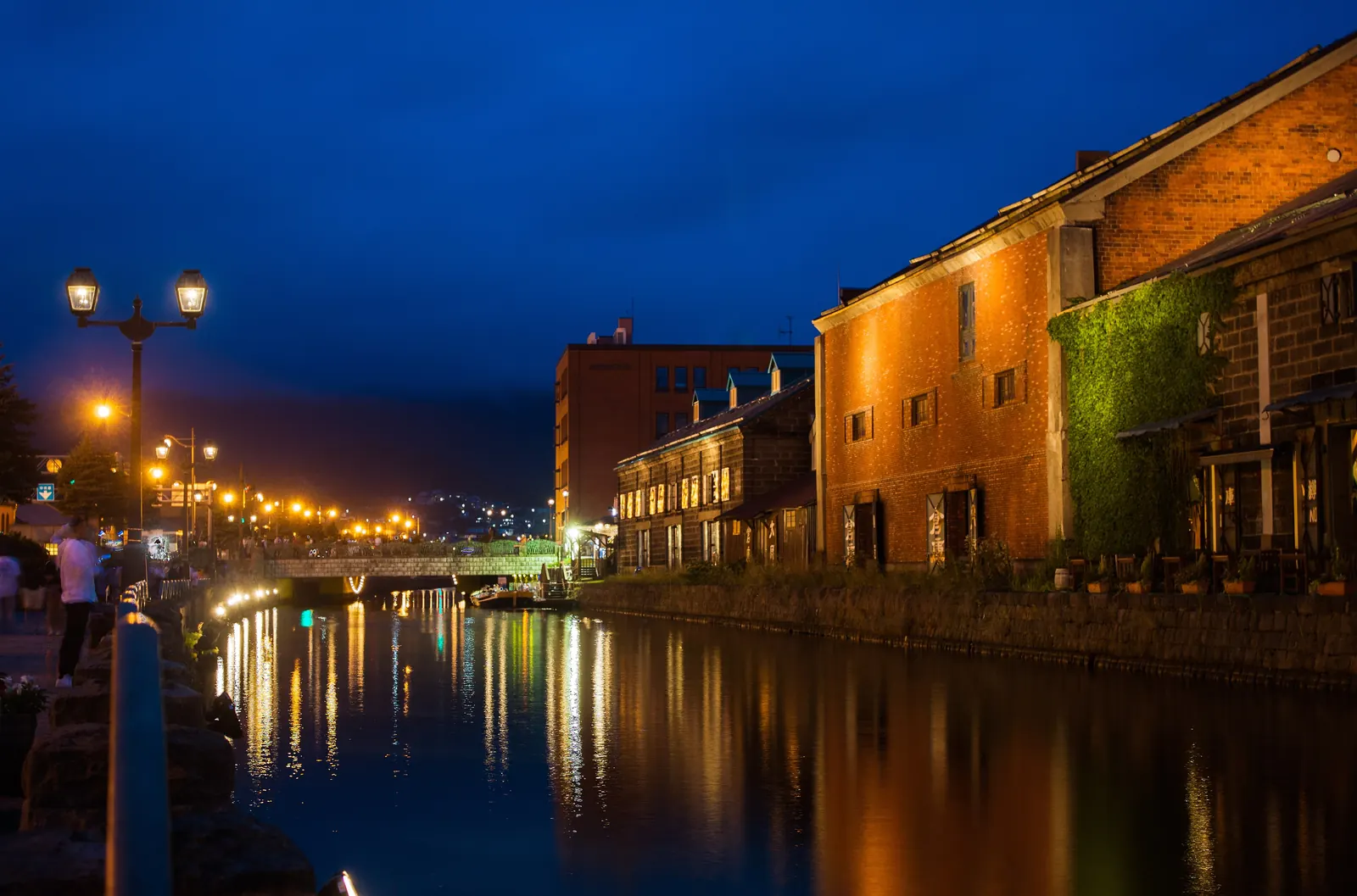
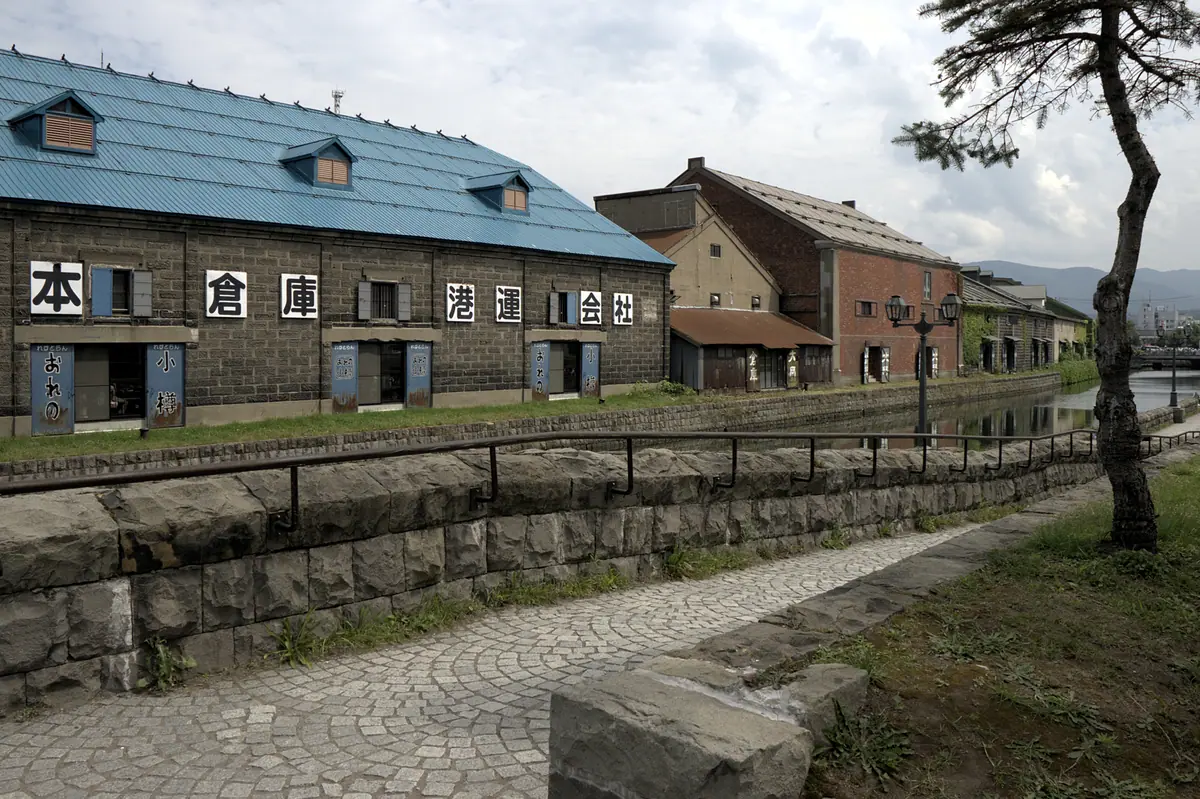
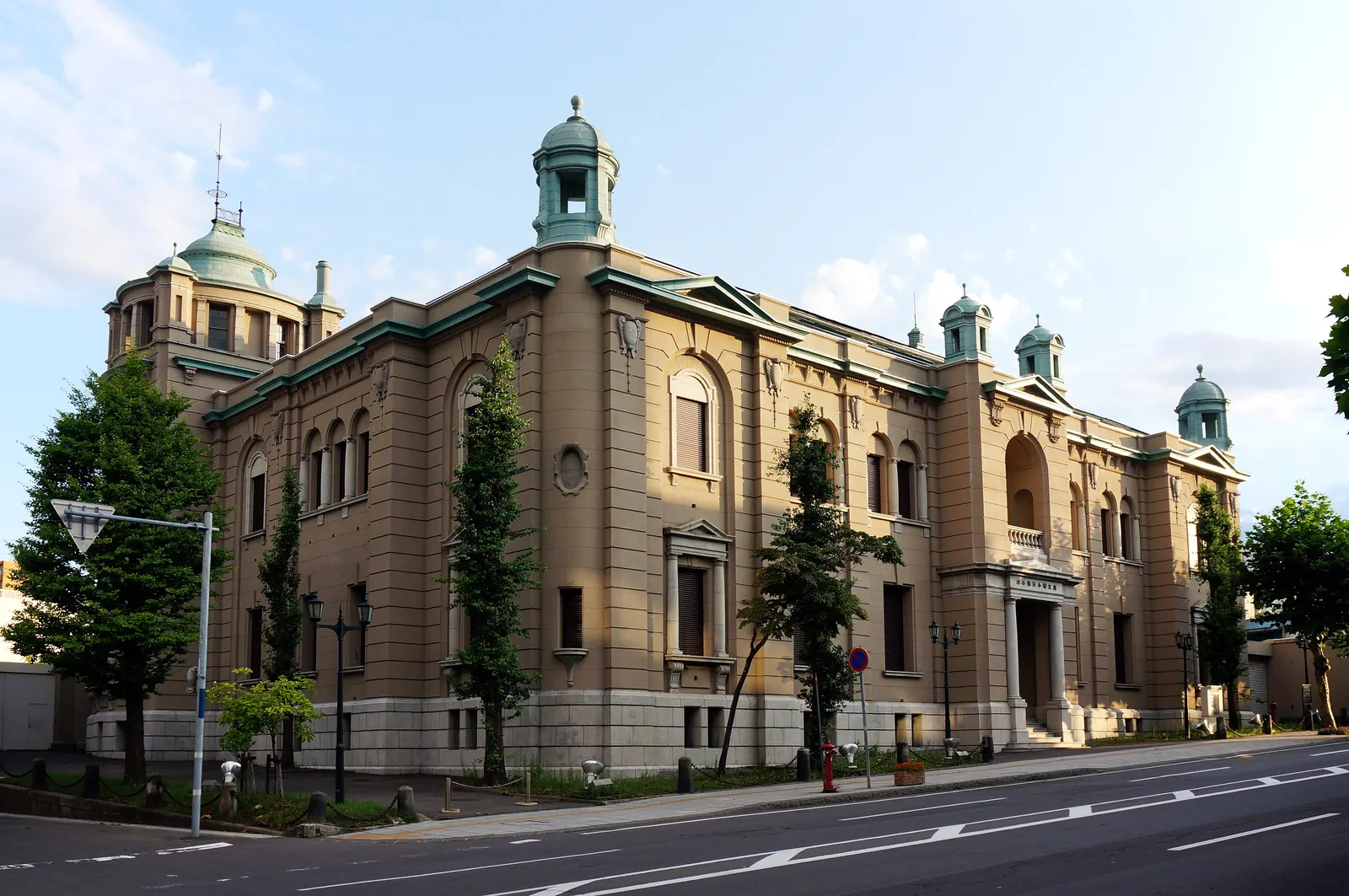
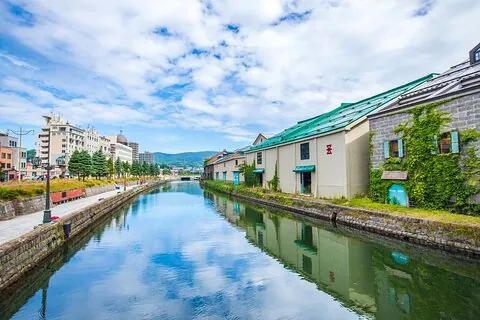
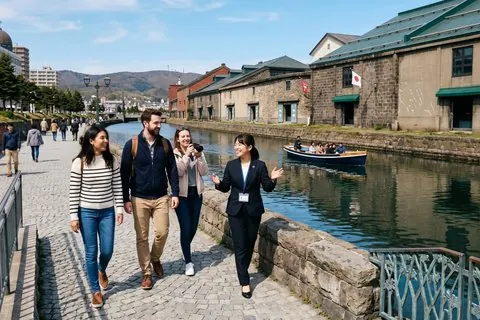
A 1,140 m canal of 1923, half its width filled in for a road in 1986 after a dispute that lasted more than ten years, and the half that survived lined with stone warehouses and 63 gas lamps. Behind it is the old bank street, Nichigin-dori, with the Bank of Japan's 1912 branch, now a free museum.
From the shipOn foot from No.3 Wharf: about 500 m and 5 minutes by the official figure, 10–11 minutes to Chuo-bashi or Asakusa-bashi by our map estimate. Free and always open.
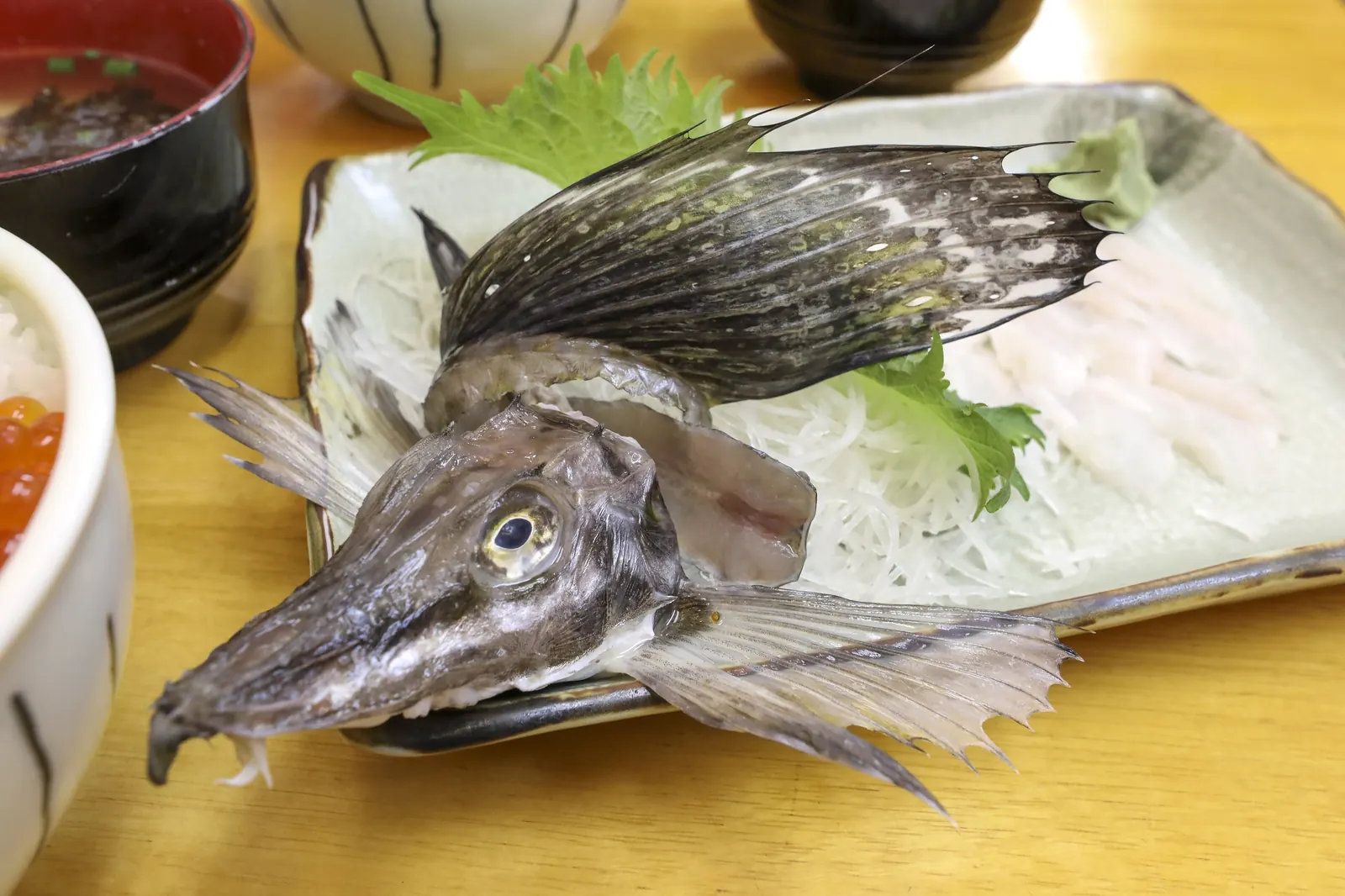
Otaru's sushi street, Sushiya-dori, and the counters around it serve fish from the cold northern sea, and Sankaku Market beside the station builds seafood bowls from 7:00. The two best-known counters take credit cards and have English menus or staff.
From the shipSankaku Market: about 20 minutes on foot from the ship, beside JR Otaru Station. Sushiya-dori: a 3–4-minute taxi from the station; Isezushi is 7 minutes' walk from it.
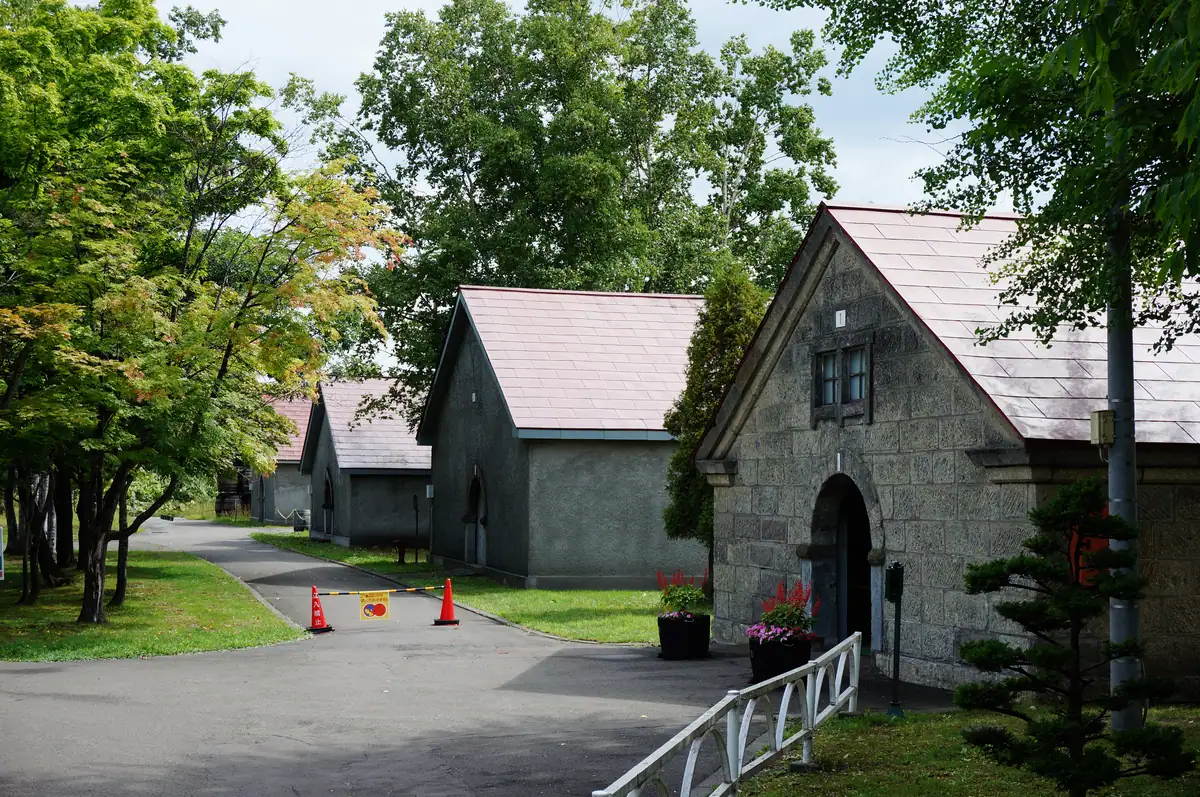
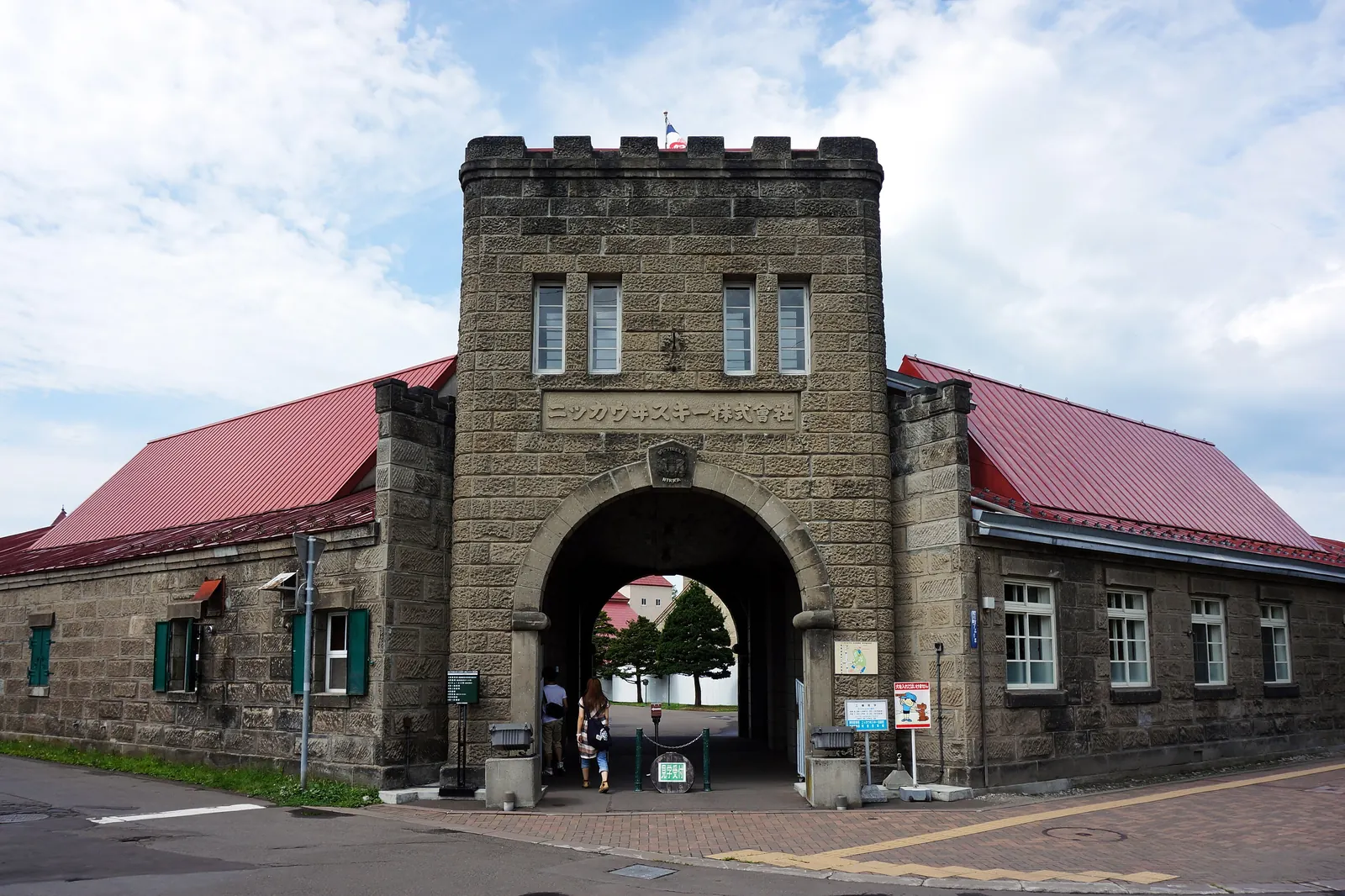
Nikka's distillery at Yoichi, with a museum, a paid tasting bar with distillery-only bottlings, a shop and a restaurant, all open without a booking. Only the free guided tour needs a reservation, and it is given in Japanese.
From the shipJR from Otaru to Yoichi, 24–25 minutes and ¥470, then 5 minutes on foot. Take the 9:36 out and the 12:37 back: there is no return train between 10:23 and 12:37.
Otaru was a herring and shipping port, and its stone warehouses and bank buildings still line the streets. Its canal, built out into the sea and finished in 1923, was nearly filled in for a road. After a dispute that lasted more than ten years, half its width was paved over in 1986 and half was kept, with a promenade and 63 gas lamps. That surviving half is the reason most people come.
The port makes it easy. Every cruise call since 2024 has tied up at No.3 Wharf, about 500 m from the canal, and the old town — canal, bank street, the glass and music-box shops of Sakaimachi, the sushi counters — is a walk from the gangway. You can spend a whole day here without a ticket, a timetable or a taxi.
What Otaru is not: a day of big-name monuments. It is a small, handsome town that rewards a slow walk and a long lunch. The one reason to leave it is Nikka's Yoichi distillery, 24 minutes up the coast by train, and it fits a normal call only if you respect a gap in the train timetable. Sapporo, Hokkaido's capital, is 33–35 minutes the other way. This guide is built from the City of Otaru's call schedule and records, the national port sheet, JR Hokkaido's timetables for the remaining call dates, and the sights' own published hours, checked on 30 September 2026.
First: which berth are you at?
Almost certainly No.3 Wharf. The city lists two cruise wharves, but only one has been used since the big-ship berth opened in 2024.
No.3 Wharf, Berths 16–17 (every call since 2024)
Katsunai Wharf, Berths 2–3 (not used since 2023)
Where
Minato-machi, next to the canal
Chikko, on the east side of the port beside the ferry terminal
Terminal
Otaru Port Cruise Terminal: toilets, Wi-Fi, a currency-exchange machine, a temporary tourist desk in English and Japanese on ship days. No kiosk or vending machine
No terminal; toilets only, no Wi-Fi
On foot
Canal about 500 m, 5–10 minutes; JR Otaru Station about 15 minutes
Canal 3 km, about 10 minutes by car; JR Otaru-Chikko Station 20 minutes on foot
Taxis
A pool for three cars
A pool for 30
The official records are clear. In 2024 all 32 calls used No.3 Wharf. In 2025 all 33 did, one of them at Berth 14 because it was the second ship that day. All 19 calls of 2026 are listed at Berths 16–17. The last Katsunai calls were in 2023: nine of that year's 22, and they included the largest ships — Diamond Princess, Queen Elizabeth, Westerdam — not just small ones, as some pages claim. No.3 Wharf now takes ships up to the 140,000-ton class.
If your daily programme ever says Katsunai, you will need the ship's bus or a taxi into town. Either way, the port area is a restricted zone under international security rules: keep your cruise card with you to get back in.
Getting from the No.3 Wharf terminal into Otaru
Walk. The national port sheet says no shuttle is needed, none is published, and the taxi pool holds only three cars. The town is small and the canal is flat; the station is uphill of it.
To
How
Time
Cost
The canal (nearest bank)
On foot
5 min by the official figure; 10–11 min to Chuo-bashi or Asakusa-bashi by our map estimate
Free
Sakaimachi and Kitaichi Glass No.3
On foot, along the canal then inland
about 20 min (our estimate)
Free
Orgel-do and the steam clock
On foot, the south end of Sakaimachi
about 22 min (our estimate)
Free
JR Otaru Station and Sankaku Market
On foot, uphill
15 min by the city's figure, 19–20 by ours
Free
Sapporo
JR Rapid Airport from Otaru Station
33–35 min
¥800
Yoichi
JR from Otaru Station
24–25 min, every 60–90 min
¥470
Tenguyama ropeway
Chuo Bus route 9 from Otaru Station, stand 4
about 20 min, 2–3 an hour
¥240
City buses cost ¥240 a ride anywhere in the city, and a day pass is ¥800 from the Chuo Bus window at the Otaru Station-mae terminal; showing it at the Tenguyama ropeway gets you a discount. Carry coins, as we could not confirm that the buses take IC cards. Taxis: we could not obtain the official Otaru tariff, so we do not quote fares; the distances are short, 1.4 km to the station and 4.4 km to the ropeway, about 8 minutes, by our estimate. If you cannot walk far, ask the ship whether it runs a bus.
Tourist information: the temporary desk at the terminal on ship days; offices at Asakusa-bashi and at Unga Plaza by Chuo-bashi on the canal; and the Sakaimachi-dori office (9:00–18:00 every day, English, Wi-Fi, wheelchair accessible). The JR ticket office at Otaru Station opens 7:00–19:00.
Yoichi is the one trip out of town that fits a normal call, and the train timetable decides whether it fits yours.
The train. JR from Otaru to Yoichi takes 24–25 minutes and costs ¥470, not the fifty minutes some pages suggest. Departures from Otaru: 8:06, 9:36, 10:59, 12:24, 13:49. Back from Yoichi: 8:53, 10:23, 12:37, 13:43, 15:02, 16:01. The gaps are 60–90 minutes, and there is no train from Yoichi between 10:23 and 12:37. Buy a paper ticket; we could not confirm that IC cards work at Yoichi.
The pair that works. Out on the 9:36 (arriving 10:00), back on the 12:37 (arriving 13:01) gives you about two and a half hours at the distillery, 5 minutes' walk from the station. Ship to ship it is about 4–4.5 hours, so it fits an 8-hour call exactly and a 10-hour call with the old town added.
The fallback. Miss the 12:37 and the 13:43 arrives at Otaru at 14:09 — fine on a 10-hour call, too late on 8. Never plan on the 15:02 for a 17:00 sailing.
By car. The distillery puts Otaru about 30 minutes away by road. We do not quote a taxi fare.
On a 6-hour call Yoichi does not fit. On Viking Orion's overnight, give it the first day, when the 9:36 and 12:37 work as above; on the second morning, when you must be back by 12:30, only the 8:06 out and the 10:23 back fit, which leaves about an hour at the distillery after it opens at 9:15.
The Nikka Yoichi distillery: how to do it well
The distillery is open 9:15–16:15, last admission 15:30, and closes 23 December–7 January and on 11 June. There are two ways in, and much of what is written about it confuses them:
The casual visit — free, no booking. Enter by the Shop Entrance for the Nikka Museum, the paid tasting bar (9:15–16:15, last order 16:00) with bottlings sold only at the distillery, the shop, and Rita's Kitchen restaurant (10:00–15:50, last order 15:20). You cannot enter the production buildings on this route. This is what almost every cruise passenger will do.
The guided tour — free, with a tasting of up to three whiskies, by reservation only, and conducted in Japanese. Bookings open four weeks ahead for groups of one to nine, and same-day places sometimes appear. Enter by the Main Gate. Book it only if you read or speak Japanese, or simply want to walk among the stills.
Allow at least an hour and a half on site. Lockers cost ¥100, refunded. The tasting bar is the reason to go if you care about whisky; the museum fills the rest of the visit.
The canal and the old town: how to do it well
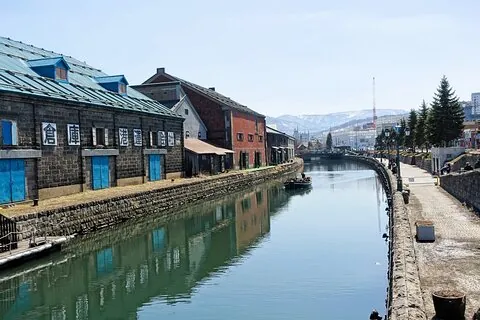
The canal is free and always open, 1,140 m long, 20 m wide along the harbour road and still its original 40 m in the North Canal, the quieter northern end with moored boats and the 1906 former NYK Otaru Branch (¥300, 9:30–17:00, closed on Tuesdays). The classic view is from Asakusa-bashi; the canal cruise and tourist office are at Chuo-bashi. Walk it first thing: the town is empty before 9:00, when most shops open. The gas lamps come on at sunset and burn until midnight, and the warehouses are lit until 22:30 — but sunset is about 17:15 on 3 October and 17:00 on 12 October, so on a day call you will not see them.
Nichigin-dori, inland from the canal, is the "Wall Street of the North". The Bank of Japan Otaru Museum occupies the 1912 branch designed by Tatsuno Kingo and Nagano Uheiji: free, 9:30–17:00 from April to November, closed on Wednesdays, with a smartphone audio guide (bring earphones). Give it 45 minutes. Next door, the Otaru Art Base spreads over five buildings including the Nitori Museum of Art: ¥1,200 for the Nitori Museum of Art, ¥3,500 for all five, cards accepted, 9:30–17:00 from May to October and closed on the 4th Wednesday.
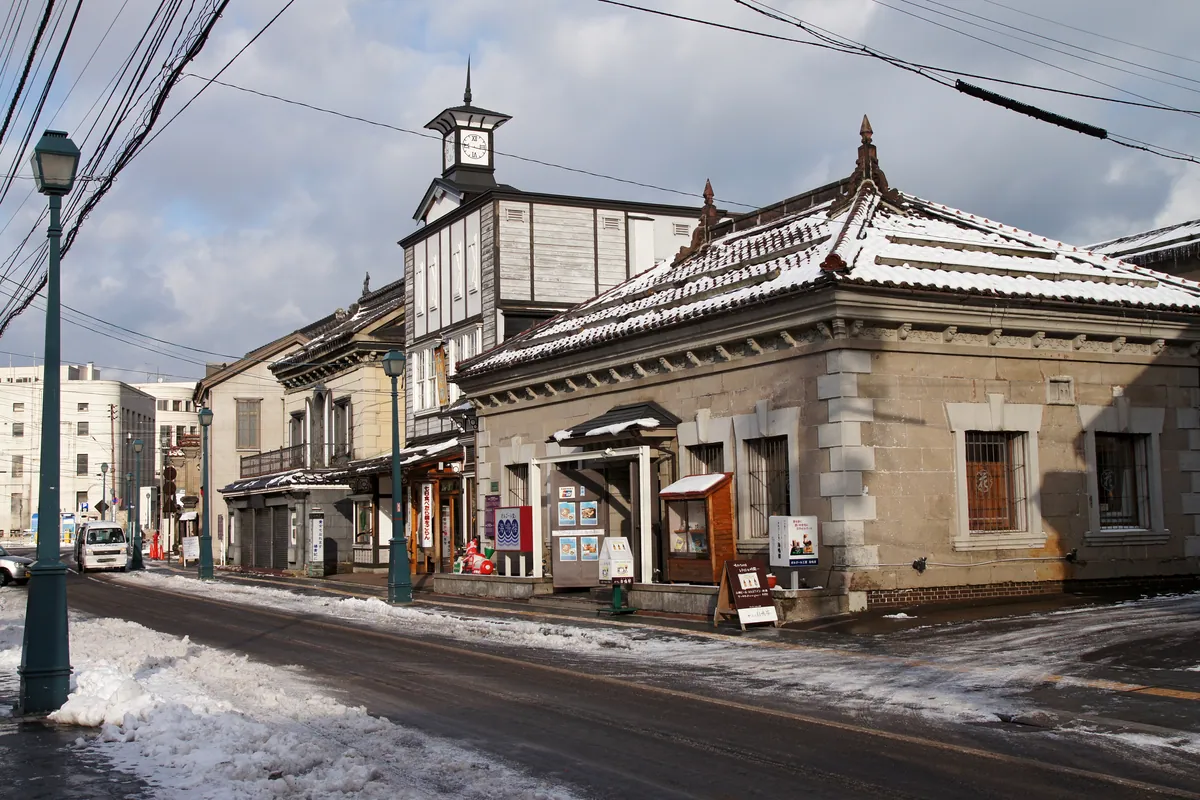
Sakaimachi runs south for about a kilometre of former merchant houses, now glassworks, sweet shops and souvenir stores, mostly open 9:00–18:00. Three stops matter:
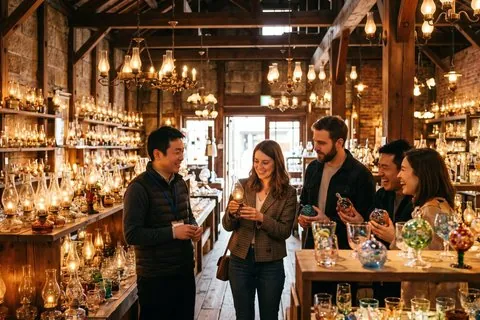
Kitaichi Glass No.3, in an 1891 warehouse (9:00–18:00, every day). Inside, Kitaichi Hall is lit by 167 oil lamps, lit by hand at 9:00–9:30; you can watch. Hot food only on Thursdays, Saturdays and Sundays, drinks otherwise.
The Otaru Orgel-do main building at the Märchen crossroads: a 1915 brick building of a former rice merchant holding about 38,000 music boxes in 3,200 kinds. Free to enter (it is a shop), 9:00–18:00, English and Chinese spoken.
The steam clock outside it, by Raymond Saunders, the maker of the 1977 Gastown clock in Vancouver; Otaru's was installed on 25 June 1994 and sounds every 15 minutes.
LeTAO's main shop across the crossroads (9:00–18:00) is where Otaru's cheesecake comes from. Allow 1.5–2 hours for Sakaimachi end to end.
Sankaku Market, beside JR Otaru Station and about 20 minutes' walk from the ship, opens at 6:00 (its eateries at 7:00) every day, and is the place for a seafood bowl built to order — breakfast before a train, or the quick lunch on a short call. Its 16 shops, six of them eateries, sell crab, sea urchin, scallops and fish; prices vary by stall. The market is listed as wheelchair accessible.
For sushi at a counter, the two best-known names both take cards:
Counter
Where
Hours
Closed
Cards
Masazushi main shop
Sushiya-dori; 3–4 min by taxi from the station
11:00–15:00 (last order 14:30), 17:00–21:00
Wednesdays
Visa, Mastercard; English menu and staff
Isezushi
Inaho, 7 min on foot from JR Otaru
11:30–15:00 (orders to 14:30), 17:00–21:00; may close early when fish runs out
Wednesdays and the 1st and 2nd Tuesdays
Visa, Mastercard, JCB, Amex
Takeno Sushi
Sakaimachi
11:00–16:00, 17:00–21:00
Thursdays
Ask
Shikama Sushi
Hanazono, 15 min from JR Otaru
11:00–15:00 on weekdays, 17:00–21:00
Tuesdays
Ask
Isezushi is closed on Tuesday 13 October 2026, the second day of Viking Orion's overnight; Shikama too. Masazushi is open on all three remaining call days.
The best things to do in Otaru on a port day
Our full list, with the time each takes from the berth, is on the Otaru top 10. In brief:
Fits 07:00–17:00 at No.3 Wharf — the commonest day call here (Carnival Luminosa on Saturday 3 October 2026) — and works on 8 hours if you drop the canal cruise. Shift every time by your arrival.
No trains, no taxis, no tickets except a boat: the canal first while it is empty, the oil lamps being lit at Kitaichi Hall, the music-box end of Sakaimachi, the Bank of Japan's old branch and a sushi lunch. Times assume a 07:00 arrival and 17:00 departure, so all-aboard 16:30 and our target back at the gangway 15:30.
07:30Off the ship and walk to the North Canal, the part that kept its original 40 m width, with moored boats and the 1906 former NYK Otaru Branch beside it (its interior opens at 9:30, ¥300, closed on Tuesdays).
08:00Walk the canal promenade south past the stone warehouses to Asakusa-bashi, the classic view. At this hour the town is quiet and most shops open at 9:00.
08:35Continue on foot into Sakaimachi, about 20 minutes from the wharf by our map estimate, to Kitaichi Glass No.3, an 1891 warehouse.
09:00Kitaichi Hall: watch the 167 oil lamps being lit (9:00–9:30) over a coffee. Hot food is served only on Thursdays, Saturdays and Sundays (orders 11:00–14:50); other days, drinks.
09:30Sakaimachi south to the Märchen crossroads: the 1915 Orgel-do main building with about 38,000 music boxes (free, 9:00–18:00), the steam clock that sounds every 15 minutes, and LeTAO for cheesecake.
10:45Walk back north through Sakaimachi to Nichigin-dori, the old bank street, and the Bank of Japan Otaru Museum (1912; free, 9:30–17:00, closed on Wednesdays). Give it 45 minutes.
12:00Sushi lunch: Masazushi's main shop on Sushiya-dori (11:00–15:00, last order 14:30, closed on Wednesdays) or Isezushi (11:30–15:00, closed on Wednesdays and the 1st and 2nd Tuesdays). Both take Visa and Mastercard.
13:15Check in at the canal cruise office at Chuo-bashi 15 minutes before the 13:30 sailing: 40 minutes on the water, ¥1,800, cards accepted. Book online up to an hour ahead.
14:15Off the boat (about 14:10) and walk back to the ship, about 0.7 km and 10 minutes from Chuo-bashi by our map estimate.
14:30Back at the gangway, an hour ahead of the 15:30 target. If you have time before boarding, the Otaru Museum Canal Hall, in the old Otaru Warehouse, covers herring fishing and the old trading ships.
Yoichi whisky and the old town: an 8-to-10-hour call
Fits 07:00–17:00 (Carnival Luminosa, 3 October 2026) with time to spare, and 08:00–16:00 exactly; the train times are the same on the remaining call dates. Not on 6 hours.
The distillery by train in the morning, the canal and Sakaimachi in the afternoon. The day is built around two trains, the 9:36 to Yoichi and the 12:37 back, because there is no train from Yoichi between 10:23 and 12:37. Times assume a 07:00–17:00 call, target back at the gangway 15:30.
07:30Off the ship and walk to the canal, 5–10 minutes. Asakusa-bashi and Chuo-bashi before the crowds, with the warehouses in morning light.
08:40Walk up Chuo-dori to Sankaku Market beside JR Otaru Station, about 20 minutes from the wharf in all. Eateries open at 7:00, the market at 6:00, every day.
09:00A seafood bowl at Sankaku, or save your appetite for the distillery's restaurant. Buy a paper ticket to Yoichi (¥470) at the station; the ticket office opens at 7:00.
09:36JR train Otaru → Yoichi, arriving 10:00. Then 5 minutes on foot to the distillery; use the Shop Entrance for a visit without a booking.
10:05Nikka Yoichi Distillery: the Nikka Museum, the paid tasting bar (9:15–16:15) and the shop; lunch at Rita's Kitchen from 10:00. If you booked the free guided tour, it is in Japanese and starts from the Main Gate. Lockers ¥100, refunded.
12:37JR train Yoichi → Otaru, arriving 13:01. Do not miss it: the next is 13:43.
13:05Walk down from the station to the Bank of Japan Otaru Museum (10 minutes; free, closed on Wednesdays), then along Nichigin-dori into Sakaimachi and Kitaichi Glass No.3.
14:55Walk back along the canal to No.3 Wharf, about 20 minutes from Kitaichi by our map estimate.
15:15Back at the gangway, 15 minutes ahead of the 15:30 target and 75 minutes before all-aboard.
Sapporo for the morning: an 8-to-10-hour call
Fits 07:00–17:00 with about three and a half hours in Sapporo, and 08:00–16:00 with about two and a half. Best for passengers who have seen Otaru before, or who want the city's shops more than the canal.
Sapporo is a different city, not an excursion from Otaru, and going there gives up most of what makes this port worth the stop. If you go anyway, go early and come back on a fixed train. Times assume 07:00–17:00, target back at the gangway 15:30.
07:30Off the ship. Walk to JR Otaru Station, 15 minutes by the city's figure, closer to 20 by our map estimate, and uphill.
07:55Breakfast at Sankaku Market beside the station, open from 6:00 (eateries from 7:00).
08:33Local train to Sapporo, arriving 9:20 (¥800), or wait for the Rapid Airport 9:22, arriving 9:56. IC cards work between Otaru and Sapporo; the U-seat reserved car is ¥1,000 extra and not needed.
09:30Sapporo Clock Tower (¥350), then the centre on foot: about three and a half hours in the city in all.
13:30Rapid Airport from Sapporo, arriving at Otaru 14:04. Trains leave Sapporo on the hour and the half hour.
14:05Walk down from Otaru Station through the old town to the wharf, about 20 minutes.
14:25Back at the gangway, 65 minutes ahead of the 15:30 target.
How to think about your hours
Work backwards from the ship. Your all-aboard time is usually 30 minutes before departure (check the daily programme), you want to be back at the gangway an hour before that, and the first half hour after arrival goes on getting off. So the time you can actually use is the call length minus about two hours. At Otaru that time goes a long way, because none of it is spent on transfers.
Call
Usable
From No.3 Wharf
If your ship is at Katsunai
4 hours
about 2
The canal, Asakusa-bashi and Chuo-bashi, plus one of: the Bank of Japan museum, a 30-minute rickshaw or the 40-minute canal cruise.
A taxi to the canal and back, and little else.
6 hours
about 4
The old town on foot: canal, Bank of Japan museum, Sakaimachi, Orgel-do and the steam clock, Kitaichi, back along the canal. Not Yoichi.
The canal and Sakaimachi by taxi.
8 hours
about 6
The old town unhurried with a sushi lunch; or Yoichi on the 9:36 and 12:37 plus a walk back through town; or about 2.5 hours in Sapporo.
The old town, with the ship's bus or a taxi both ways.
10 hours
about 8
Yoichi in the morning and Sakaimachi in the afternoon; or the whole old town plus the canal cruise; or 3.5 hours in Sapporo.
Yoichi or the old town, not both.
Overnight
a day and a half
Everything: Yoichi one morning, the old town, and Tenguyama at dusk on the evening in port.
—
Overnights are common here: 8 of 2026's 19 calls stayed at least one night, and the commonest day call was 10 hours. The season's last call, Viking Orion, arrives at 08:00 on Monday 12 October (a national holiday) and sails at 14:00 on Tuesday 13 October — so back at the gangway by 12:30 on the second day, when the former NYK building, the Otaru Museum Main Hall, Isezushi and Shikama are closed. See the Otaru cruise calendar for the full schedule.
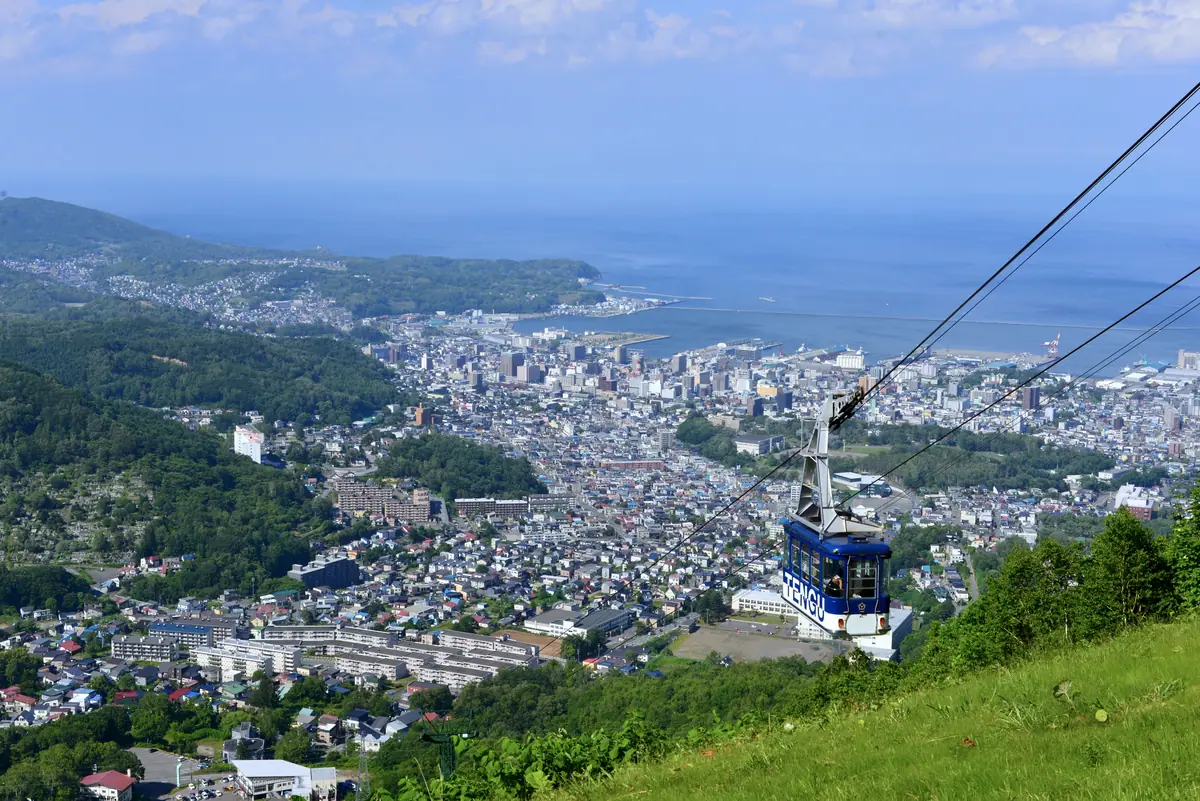
Tenguyama on an overnight. Take Chuo Bus route 9 from stand 4 at Otaru Station (about 20 minutes, ¥240, two or three an hour), or a taxi of about 8 minutes. The ropeway runs every 12 minutes, up until 20:48 and down until 21:00 in the summer season to 3 November 2026, ¥1,800 return; cards and e-money accepted. The summit is about 530 m, and the operator counts its night view among Hokkaido's three best. Sunset on 12 October is about 17:00. We could not confirm the time of the last bus down, so check it at the station before you go up. Allow 1.5–2 hours from the station, and skip it if the summit is in cloud.
Tours worth booking, by how many hours you have
Every pick opens our own page first — what the operator actually includes, who should skip it, and which upcoming Otaru calls it fits. Prices are the operator's "from" price as of 26 Sep 2026.
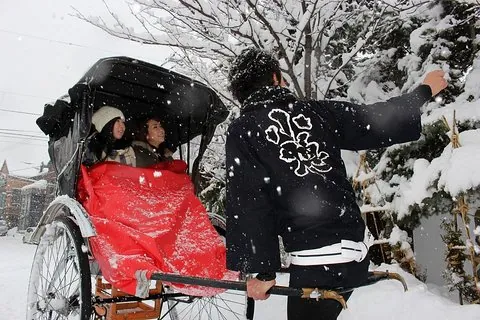
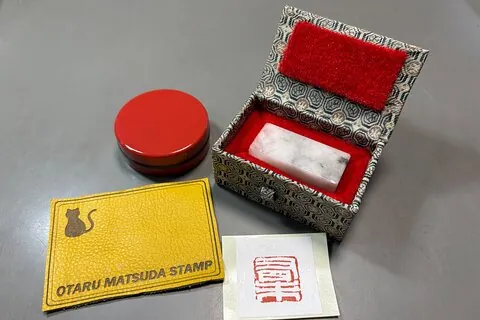
4h+The canal by rickshaw, or an hour at a workbench
On a short call, walk the canal yourself and add one of these. The canal cruise (40 minutes, ¥1,800, booked direct with the operator) is the other easy add-on.
Everything these guides show you is within walking distance of No.3 Wharf, and our model day covers it free. What you pay for is the story and someone who handles the Japanese.
Tours are booked through Viator (a Tripadvisor company). If you book, we may earn a small commission at no extra cost to you. It never decides what we recommend — which is why each tour page has a "think twice" note.
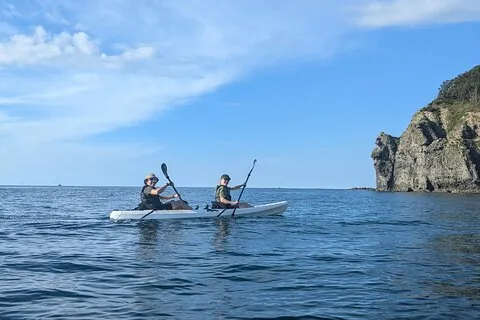
About the return to the ship. None of the seven Otaru tours in the catalogue promises in writing to return you to the ship by a set time. Only 452423P42 lists a port or station pickup; the others meet you in town. That matters less here than elsewhere, because the walking tours and the rickshaw all stay in the old town, 10–20 minutes on foot from No.3 Wharf; only the kayak tour at Shioya takes you out of it. The fixed 10:15–14:15 walk (6614P98) is the easiest to plan around; for the others, tell the guide your all-aboard time when you meet and agree to be back at the gangway an hour before it.
Money, cards and the practical stuff
Otaru is card-friendlier than most small Japanese ports, and many of its best sights are free.
Place
Pay with
JR Otaru–Sapporo
IC card (Kitaca, Suica and others) or cash; ¥800
JR Otaru–Yoichi
Buy a paper ticket; ¥470
City buses
¥240 in cash; carry coins
Canal cruise
Visa, Mastercard, JCB, Amex, UnionPay
Otaru Art Base
Visa, Mastercard, JCB, Amex, UnionPay
Tenguyama ropeway
Credit cards and e-money (the ropeway-and-aquarium set ticket is cash only)
Kitaichi Glass No.3, LeTAO
Visa, JCB, UnionPay (LeTAO also Mastercard)
Masazushi, Isezushi
Cards accepted
Canal, Bank of Japan museum, Orgel-do main building
Free
The terminal has a currency-exchange machine. For cash, the nearest convenience store is a FamilyMart about 600 m from the wharf, near Asakusa-bashi; the main Otaru Post Office is about 850 m away in the bank district, and a 7-Eleven about 950 m (straight-line distances). Japan Post and 7-Eleven machines generally accept foreign cards. Keep some yen for market stalls and bus fares.
Tipping: none is expected. Japan's national tourism organisation says tipping is not common in restaurants, cafés, bars, taxis or hotels; a private guide may accept a gratuity as thanks, given in an envelope, but it is optional.
Closing days against the call dates. On Saturday 3 October everything in this guide is open, and Kitaichi Hall serves hot food. On Monday 12 October, a national holiday, the old town is open, but Kitaichi Hall serves drinks only. On Tuesday 13 October the former NYK building, the Otaru Museum Main Hall, Isezushi and Shikama Sushi are closed. On any Wednesday the Bank of Japan museum, Masazushi and Isezushi are shut.
When to go: seasons and crowds
The season. Otaru's 2026 cruise season ran from 29 March to 13 October; 2025's from 6 February to 26 October. There are no winter calls in 2026.
October, when the last ships call, averages highs of 15.9 °C and lows of 7.9 °C, with 123 mm of rain. Bring a warm layer for the canal in the morning; the first snow days of the year can come in October.
Summer. August averages 25.6 °C and September 22.3 °C, but they are also the wettest months of the season, at about 131 mm each.
Typhoons come near Hokkaido about twice a year, most often in August and September — fewer than anywhere further south.
Winter. January brings 157 cm of snow on average. The Otaru Snow Light Path lights the canal in February, but no ships call then in 2026.
Tenguyama is closed from 4 to 27 November 2026 between its summer and winter seasons.
Rain plan: all indoors and walkable — Sankaku Market, the Bank of Japan museum (not Wednesdays), the Otaru Art Base, the Orgel-do main building, Kitaichi Glass No.3 and its hall, the LeTAO café, and the Otaru Museum Canal Hall.
We could not find official crowd figures for Otaru. Kitaichi Hall's seating is first-come, and space is limited.
What other guides get wrong about Otaru
Things you will read about Otaru elsewhere — in older port guides, forum posts and some cruise-line pages — set against what the official source says today.
You may read
What the official source says
Source
The Tenguyama Ropeway costs ¥840 one way or ¥1,400 return.
The summer fare (25 April–3 November 2026) is ¥1,080 one way and ¥1,800 return, and the winter return is ¥2,000; the ropeway is closed between the two seasons, from 4 to 27 November. Cards and e-money are accepted.
A reserved U-seat on the Rapid Airport to Sapporo is only ¥520 extra.
The U-seat reserved car costs ¥1,000 on top of the fare (¥800 with a ticketless seat reservation). The unreserved cars cost the ¥800 fare alone, so the reserved seat is not needed for a 33–35-minute ride.
Believing old guides about the berth.Material written before 2024 says big ships dock at Katsunai, 3 km east with no terminal. Since the big-ship berth at No.3 Wharf opened in 2024, every call has used No.3, 5–15 minutes on foot from the canal. If your daily programme does say Katsunai, you need a taxi or the ship's bus.
Planning Yoichi around a train that does not exist.No train leaves Yoichi for Otaru between 10:23 and 12:37, and the 15:02 back is too late for a 17:00 sailing. Go on the 9:36 and come back on the 12:37; the 13:43 is your fallback.
Expecting an English distillery tour — or thinking you cannot go without one.Nikka's free guided tour is in Japanese and must be booked, up to four weeks ahead. The museum, paid tasting bar, shop and restaurant need no booking at all; walk in through the Shop Entrance.
Paying for a seat you do not need to Sapporo.The Rapid Airport's unreserved cars cost the ¥800 fare and nothing more. The reserved U-seat is ¥1,000 extra, not the ¥520 some pages still print. Local trains take 45–53 minutes against 33–35 for the rapid.
Arriving on the closing day.The Bank of Japan museum shuts on Wednesdays; the former NYK building and the Otaru Museum Main Hall on Tuesdays; Masazushi and Isezushi on Wednesdays, Isezushi also on the 1st and 2nd Tuesdays — including Tuesday 13 October 2026, the second day of Viking Orion's overnight.
Planning on the canal lamps on a day call.The gas lamps come on at sunset, about 17:15 on 3 October and 17:00 on 12 October, and most day calls sail at 17:00. The lamp-lit canal is for overnights and late departures.
Counting on a taxi at the terminal.The No.3 Wharf taxi pool holds three cars. On a big-ship morning, walk: the canal is 5–10 minutes away and the station rank about 1.4 km.
Arriving at Kitaichi Hall too late.The 167 oil lamps are lit between 9:00 and 9:30 only, and hot food is served only on Thursdays, Saturdays and Sundays. Go first thing, not after lunch.
Researched from official timetables, operators and the port authority. Every time and fare in this guide was checked against the sources listed above on 1 October 2026; where we had to estimate (a walk, a taxi in traffic), the text says so. Timetables change — if you find one that has, tell us and we will fix it.
Quick answers
Otaru cruise port questions
Where do cruise ships dock in Otaru?
At No.3 Wharf, Berths 16–17, in Minato-machi beside the Otaru Port Cruise Terminal, about 500 m from the canal. Ships tie up alongside, so Otaru is not a tender port. Every call in 2024, 2025 and 2026 used No.3 Wharf, almost all at Berth 16. The city also lists Katsunai Wharf, 3 km east with no terminal, which took nine calls in 2023, including the largest ships, but has had none since. If your daily programme ever says Katsunai, you need the ship's bus or a taxi.
What is at the Otaru cruise terminal?
Toilets, Wi-Fi, a currency-exchange machine for dollars and other currencies, and a temporary tourist desk in English and Japanese on ship days. The Otaru Port Cruise Terminal on No.3 Wharf has no kiosk or vending machine, so buy water in town: the nearest FamilyMart is about 600 m away near Asakusa-bashi. The wharf is a restricted zone under international port-security rules, so keep your cruise card to get back in. The taxi pool holds three cars, and the canal is a 5–10-minute walk.
How far is the Otaru canal from the cruise terminal?
About 500 m, 5 minutes on foot by the national port sheet's figure; our map estimate puts Chuo-bashi and Asakusa-bashi at 10–11 minutes. Downtown is about 1 km and 15 minutes, and JR Otaru Station about 15 minutes, uphill. No shuttle is needed, and the walk to the canal is flat.
Is there a shuttle bus or a taxi from the Otaru cruise port?
No shuttle is published, and the national port sheet says none is needed from No.3 Wharf because the canal is about 500 m away. The wharf's taxi pool holds only three cars, so expect a queue on a big-ship morning; JR Otaru Station, with its taxi rank, is about 1.4 km away. We could not obtain the official Otaru taxi tariff, so we do not quote fares, but the old town's sights are all within about 2.5 km. Your ship may run its own bus; check the daily programme.
Is Otaru walkable from the cruise ship?
Entirely. The canal is 5–10 minutes away, Sakaimachi and Kitaichi Glass about 20, the Orgel-do music-box hall and steam clock about 22, and JR Otaru Station with Sankaku Market about 20. A whole 10-hour call can be spent on foot, without a ship's excursion, a ticket or a taxi.
What are the best things to do in Otaru on a cruise stop?
Five, all within about 20 minutes' walk of the ship: the canal from Asakusa-bashi to the North Canal (free); the Bank of Japan Otaru Museum on the old bank street (free, closed on Wednesdays); Sakaimachi's glass and music-box shops, with the Orgel-do and the steam clock at its south end; a sushi lunch or a seafood bowl at Sankaku Market; and the 40-minute canal cruise (¥1,800). On 8 hours or more, Nikka's Yoichi distillery, 24 minutes away by train, is the one trip out of town worth the time.
How much of Otaru can I see on a 6- or 8-hour port call?
Take about two hours off the call for getting off and being back an hour before all-aboard. On 6 hours you have about 4: the whole old town on foot — canal, bank street, Sakaimachi, the Orgel-do — but not Yoichi. On 8 hours, about 6: the old town unhurried with a sushi lunch, or Yoichi on the 9:36 train and the 12:37 back plus a walk through town. On 10 hours, both: back at the ship about 15:15 on a 07:00–17:00 call. On 4 hours, the canal plus one extra.
How do I get from the Otaru cruise port to Sankaku Market, and when does it open?
About 20 minutes on foot, 1.5 km inland and uphill by Chuo-dori; the market is a minute from JR Otaru Station. It opens at 6:00, its eateries at 7:00, and closes about 17:00, every day of the year. It has 16 shops, six of them places to eat, selling crab, sea urchin, scallops and fish, and the eateries build seafood bowls over rice to order. Prices vary by stall. It is listed as wheelchair accessible, and makes a good breakfast before a train to Yoichi or Sapporo.
Where can I eat sushi near the Otaru cruise port?
About 25–30 minutes from the ship by our estimate. Isezushi is 7 minutes' walk from JR Otaru Station, itself about 20 minutes from No.3 Wharf; Masazushi's main shop on Sushiya-dori is 3–4 minutes by taxi from the station. Both open for lunch at 11:00 or 11:30, close on Wednesdays (Isezushi also on the 1st and 2nd Tuesdays) and take Visa and Mastercard; Masazushi has English menus and staff. Takeno Sushi in Sakaimachi closes on Thursdays. For a quicker meal, Sankaku Market's stalls serve seafood bowls from 7:00.
How do I get from the Otaru cruise port to Sakaimachi and the music box museum?
On foot, about 20 minutes to Kitaichi Glass No.3 and 22 minutes to the Otaru Orgel-do main building and the steam clock at the Märchen crossroads, by our map estimate: along the canal, then inland, on the flat. By car it is about 2 km. The Orgel-do holds about 38,000 music boxes in a 1915 brick building and is free to enter, 9:00–18:00; the steam clock sounds every 15 minutes; LeTAO's cheesecake shop is across the crossroads. Allow 1.5–2 hours for Sakaimachi end to end.
How do I get from the Otaru cruise port to the Nikka Yoichi distillery?
Walk 15–20 minutes to JR Otaru Station and take the train to Yoichi: 24–25 minutes, ¥470, then 5 minutes on foot. Trains run every 60–90 minutes. Take the 9:36 (arriving 10:00) and come back on the 12:37 (arriving 13:01); no train leaves Yoichi between 10:23 and 12:37. Allow about 4–4.5 hours ship to ship, so it needs a call of 8 hours or more. Buy a paper ticket.
Do I need a reservation to visit the Nikka Yoichi distillery?
No. The Nikka Museum, the paid tasting bar, the shop and Rita's Kitchen restaurant are open without a booking, 9:15–16:15 with last admission at 15:30. Only the free guided tour with tasting needs a reservation, up to four weeks ahead, and it is conducted in Japanese. The distillery closes 23 December–7 January and on 11 June.
How do I get from Otaru to Sapporo, and how much is it?
JR from Otaru Station: the Rapid Airport takes 33–35 minutes and costs ¥800 (IC cards accepted); the reserved U-seat car is ¥1,000 extra. Local trains take 45–53 minutes for the same fare. The Kōsoku Otaru-gō highway bus costs ¥730 and takes about an hour. On a 07:00–17:00 call, the last safe train back is the 14:30 from Sapporo. Going gives up most of Otaru's own day, so it suits passengers who have seen Otaru before.
How much does the Otaru canal cruise cost?
¥1,800 for the 40-minute day cruise and ¥2,000 at night, from the office at Chuo-bashi, 10 minutes' walk from the ship. Day sailings leave every 30 minutes from 10:00 to 17:00 in October; check in 15 minutes before, and book online up to an hour ahead. Visa, Mastercard, JCB, Amex and UnionPay are accepted.
Can I see the Otaru canal lit up at night on a cruise?
Only on an overnight or a departure after about 18:00. The canal's 63 gas lamps come on at sunset, about 17:15 on 3 October and 17:00 on 12 October, and burn until midnight; the warehouses are lit until 22:30. Most day calls sail at 17:00, so you will be on board. On an overnight, add the night canal cruise (¥2,000, sailings 17:30–20:00 in October) or the Tenguyama ropeway, whose night view the operator ranks among Hokkaido's three best.
Can I go up Mount Tengu from the cruise port?
Yes, on a long call. Chuo Bus route 9 leaves Otaru Station stand 4 two or three times an hour and takes about 20 minutes (¥240); a taxi from the wharf is about 4.4 km and 8 minutes by our estimate. The ropeway costs ¥1,800 return until 3 November 2026 and runs up until 20:48, so the night view suits overnight calls. It is closed from 4 to 27 November 2026.
What is the best tour from the Otaru cruise port?
For the commonest 10-hour call, the private four-hour walk 6614P98, 10:15–14:15 from the JR Otaru Station ticket gate, which has you back at the ship about 14:35, nearly an hour inside our target. For a choice of stops, the licensed-guide half day 92136P187; for a short call, a 30-minute rickshaw along the canal. None of the Otaru tours promises in writing to return you to the ship, but all except the kayak stay within 20 minutes' walk of it.
Should I tip in Otaru?
No. Japan's national tourism organisation says tipping is not common in restaurants, cafés, bars, taxis or hotels, so the sushi counters, the canal cruise and the rickshaw runners do not expect one. A private guide or interpreter used to overseas visitors may accept a gratuity as thanks, but it is optional. If you give one, put the cash in an envelope; small envelopes are sold at convenience stores and 100-yen shops.
Do I need cash in Otaru?
Less than in most Japanese ports. The canal cruise, the Otaru Art Base, the Tenguyama ropeway, Kitaichi Glass No.3, LeTAO, Masazushi and Isezushi take cards; the canal, the Bank of Japan museum and the Orgel-do main building are free. Carry coins for city buses (¥240) and some yen for market stalls. The terminal has a currency-exchange machine; the nearest FamilyMart is about 600 m away and the main post office, whose machines generally take foreign cards, about 850 m.
What is the weather like in Otaru for a cruise call?
October averages highs of 15.9 °C and lows of 7.9 °C with 123 mm of rain, and the first snow days of the year can come that month, so bring a warm layer for the canal in the morning. August averages 25.6 °C and September 22.3 °C, but they are the wettest months of the season, at about 131 mm each. Typhoons come near Hokkaido about twice a year. On a wet day, stay indoors on foot: Sankaku Market, the Bank of Japan museum, the Art Base, the Orgel-do and Kitaichi Glass No.3.
Is Otaru manageable with limited mobility or a wheelchair?
Mostly. The canal is about 500 m from No.3 Wharf, and the walk along it to Sakaimachi is on the flat; JR Otaru Station and Sankaku Market are about 1.4 km away and uphill. Sankaku Market and the Sakaimachi-dori tourist office are listed as wheelchair accessible. The wharf's taxi pool holds only three cars, so if you cannot walk far, ask the ship whether it runs a bus, or book a private walk whose listing is flagged wheelchair accessible, such as 6614P98, and ask for taxis between stops.
Which cruise ships call at Otaru, and when is the next one?
The City of Otaru lists 19 calls in 2026, all at No.3 Wharf, 8 of them overnight. The remaining two are Carnival Luminosa on Saturday 3 October 2026 (07:00–17:00) and Viking Orion from 08:00 on Monday 12 October to 14:00 on Tuesday 13 October, the last call of the season. Asuka II, Viking Venus, Costa Serena and Westerdam also called in 2026. No 2027 schedule has been published yet; see our Otaru cruise calendar.