
Ten years over a ditch
What a town does when the thing that made it rich is gone
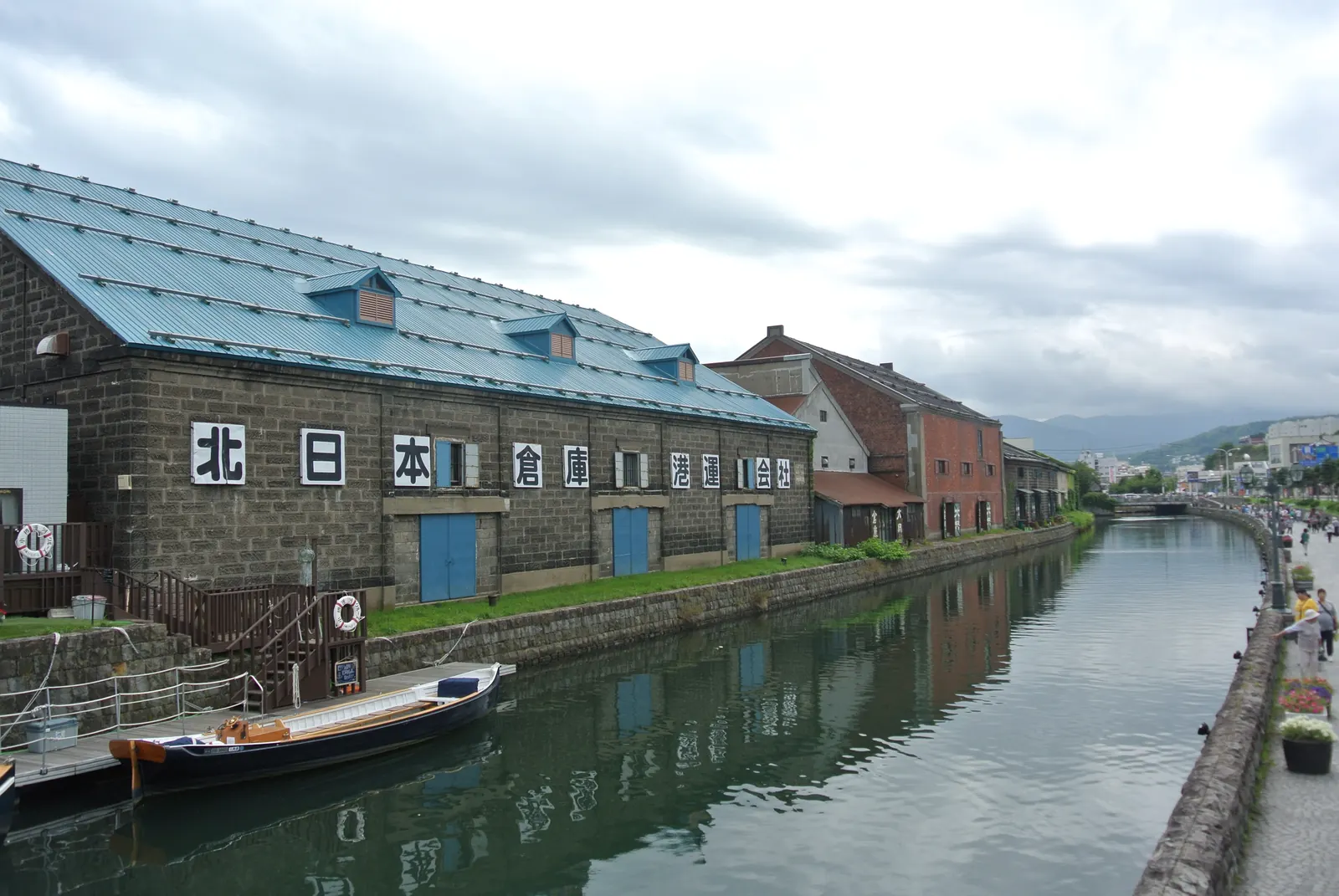
By 1966 the canal was a stagnant, foul-smelling relic of an industry that had ended, and the city proposed filling it in for a six-lane road. What followed was one of the first and fiercest citizens’ preservation campaigns in modern Japan, and it lasted more than a decade.
The canal was finished in 1923 and obsolete within about forty years. Lorries replaced barges, the warehouses emptied, and what was left was 1,140 metres of stagnant water in the middle of a town losing population.
The city’s plan was rational: fill it, build the road, move traffic. Almost every Japanese city was doing the equivalent in the 1960s, and almost all of them succeeded.
The people who objected
A preservation society formed in the 1970s and refused to go away. They argued that the canal and the warehouses were the only thing that made Otaru distinguishable from anywhere else — an argument that in 1973 sounded eccentric and now sounds obvious.
They held surveys, ran photographic exhibitions, and organised what became known as the Port Festival to make the case in public. The dispute ran for over a decade and split the town.
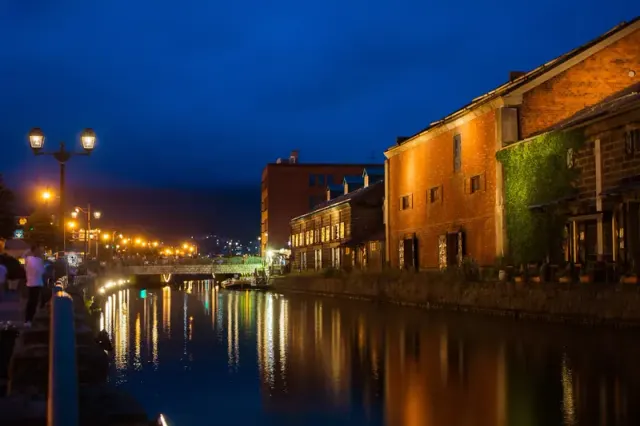
Nobody won. The settlement was to fill half the canal for a narrower road and keep the other half, landscaped, with gas lamps and a promenade. Both sides called it a defeat.
And it turned out to be the whole future
The road opened in the 1980s. The remaining half of the canal became the image of Otaru, and tourism became the industry that replaced herring, coal and shipping.
It is worth being precise about the irony: the compromise everyone was unhappy with is now the reason several million people a year come here. Had the preservationists lost completely, Otaru would be a road. Had they won completely, the town might have had a canal and no visitors — the promenade the city built as a consolation is a large part of why people walk it.
How it happened
- 1923The canal is completed
1,140 m, for barges to warehouse doors
- 1960sObsolete, stagnant, and condemned for a road
As in almost every Japanese city
- 1970sA preservation society forms and refuses to fold
Surveys, exhibitions, a festival
- 1980sThe compromise: half filled, half kept
Both sides call it a defeat
- nowThe surviving half is the town’s entire image
And tourism replaced the industries that left
Where this becomes real on your port day
Stand where the promenade meets the road. That line is where a ten-year argument ended.
The vocabulary of the fight
- Unga 運河
- Canal. Completed 1923; half of it survives.
- Hozon undō 保存運動
- A preservation movement. Otaru’s is among Japan’s most famous.
- Ishizukuri sōko 石造倉庫
- The stone warehouses. Built for herring, kept for the view.
- Gasutō ガス灯
- The gas lamps, installed as part of the settlement.
FAQ
Why did Otaru nearly lose its canal?
Because it was obsolete. Lorries replaced barges within forty years of completion, the warehouses emptied, and by the 1960s the city proposed filling all 1,140 metres for a six-lane road — as most Japanese cities were doing with their waterways at the time.
Who saved the Otaru canal?
A citizens’ preservation society formed in the 1970s that fought the city for more than a decade with surveys, exhibitions and a public festival. Neither side won: the settlement filled half the canal for a narrower road and kept the other half with a landscaped promenade. That compromise is now the image the town lives on.
More from Otaru
Thirty years of absurd wealth, and then the fish stopped
Read →
An industry that survived by losing both of its products
Read →
A chemist went to Scotland, married a Scot, and came back to build this
Read →
Why a town of 100,000 has more sushi bars than it can possibly need
Read →