
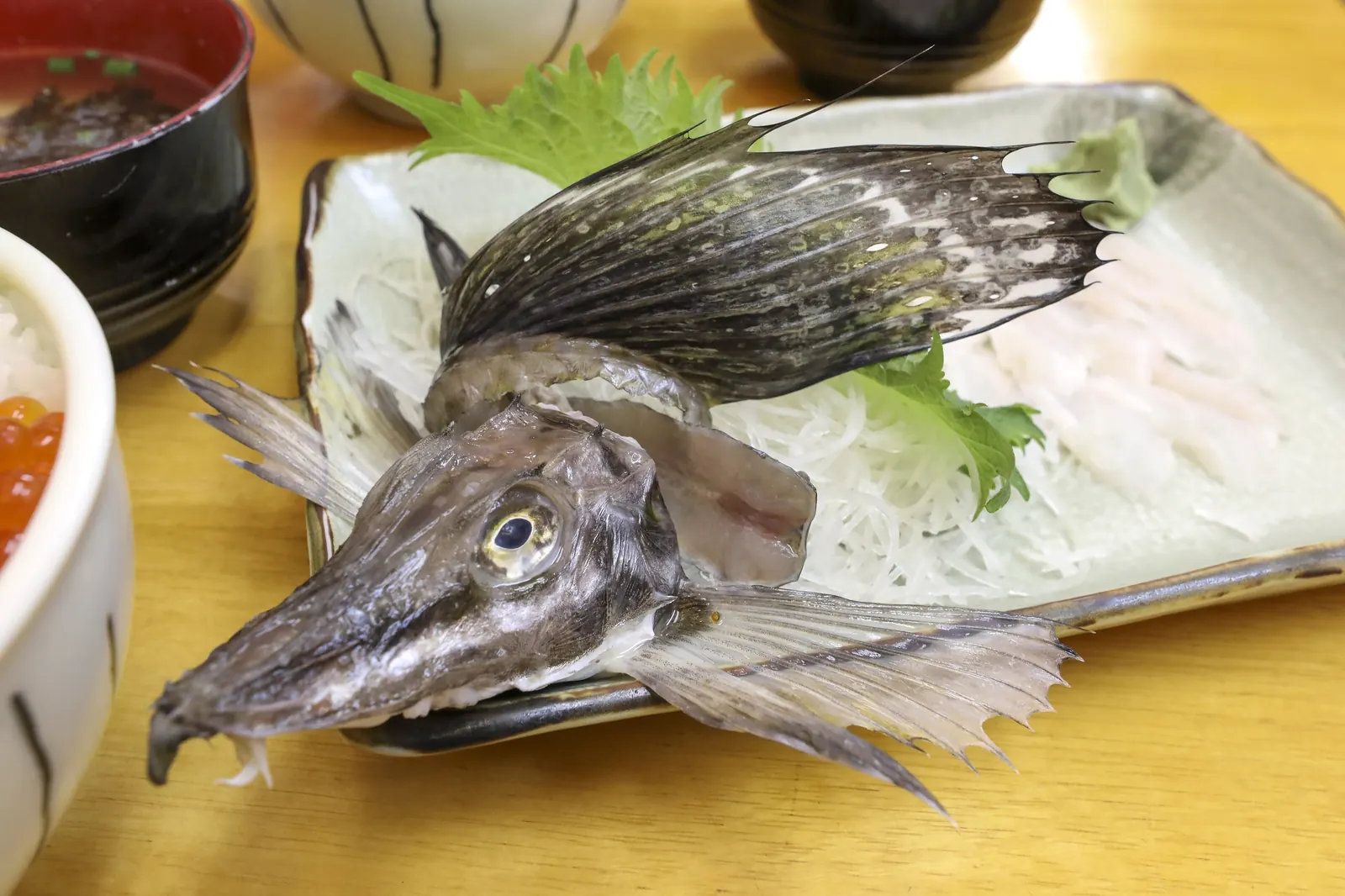
A street of counters
Why a town of 100,000 has more sushi bars than it can possibly need
Otaru has a street officially named Sushiya-dori and more sushi counters than a town of 100,000 has any right to. That ratio is not an accident of tourism — it is what happens when a fishing port gets rich and then stops being rich.
The raw material is the first half of the answer. The sea off western Hokkaido is cold, and cold water means slow-growing fish with more fat: uni, hotate scallop, ikura salmon roe, hokke, botan ebi, and in winter kegani hair crab.
The second half is the money. During the herring decades Otaru had merchants, bankers and shipping agents entertaining clients, and entertaining meant counters. The infrastructure of expensive eating was built for business, not for visitors.
When the business left, the counters stayed — and a town with too many sushi bars and not enough bankers became a town where sushi is unusually good and unusually competitive.
How to order without guessing
Ignore the photo menu. Ask for omakase or point at the seasonal board — honjitsu no osusume, today’s recommendation — and let the chef work.
Say what you do not eat, once, at the start. Then eat each piece the moment it is put down: the chef has judged the rice temperature and the time since it was cut, and photographing it for two minutes undoes that.
The cheaper, arguably better option
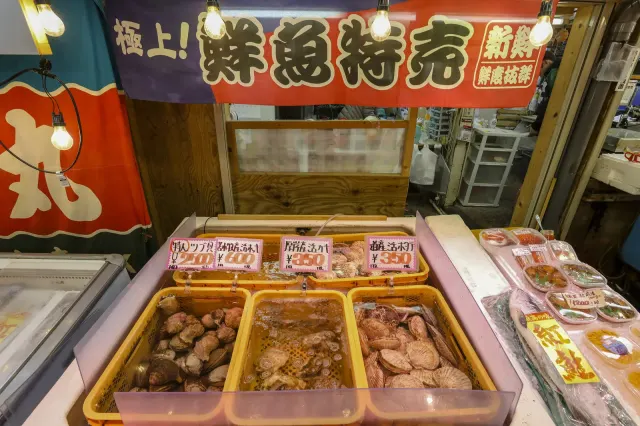
Sankaku Market, beside the station, does the same fish as a kaisen-don — a bowl over rice — for a third of the price. You point at what is on ice and they build it in front of you.
A counter dinner is craft; a market bowl is ingredient. On a port day where you are spending your one meal, the market is the honest recommendation and the counter is the indulgence. Both are correct.
What is in season
Summer: uni is at its peak and it is the best in Japan. Autumn: salmon and ikura. Winter: scallop, hair crab, and cod milt if you are brave. Spring: herring, in the small quantities that still come.
How it happened
- herring eraMerchants and bankers entertain on counters
The infrastructure of expensive eating
- 1950s–The money leaves; the counters stay
Too many sushi bars, not enough bankers
- todaySushiya-dori, and dozens of counters
In a town of about 100,000
- alwaysCold water, slow fish, more fat
Uni in summer, crab in winter
Where this becomes real on your port day
Market bowl if it is your one meal; counter omakase if it is the indulgence. Both are the right answer.
The vocabulary of the table
- Omakase おまかせ
- "I leave it to you." The correct order at a counter.
- Kaisen-don 海鮮丼
- Sliced fish over rice. A third the price, and honest.
- Bafun uni バフンウニ
- The smaller, sweeter sea urchin. Worth the difference here.
- Kegani 毛ガニ
- Hair crab. Winter, and Hokkaido’s own.
FAQ
Why does Otaru have so much sushi?
Cold water and old money. The sea off western Hokkaido produces exceptional uni, scallop, salmon roe and crab; and during the herring boom the town’s merchants and bankers entertained on sushi counters. When the money left, the counters stayed — leaving a town of about 100,000 people with far more sushi counters than it can possibly need.
Is Sankaku Market better than a sushi counter in Otaru?
It is different and cheaper. The market serves the same fish as a bowl over rice for about a third of the price, built in front of you. A counter is craft; a bowl is ingredient. If this is your one meal of the port day, the market is the honest recommendation.
More from Otaru
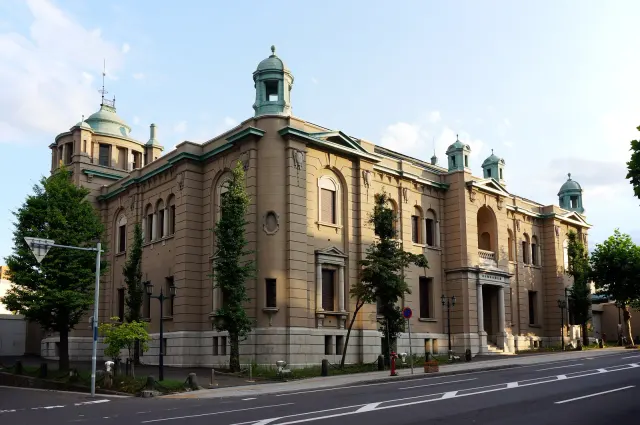
Thirty years of absurd wealth, and then the fish stopped
Read →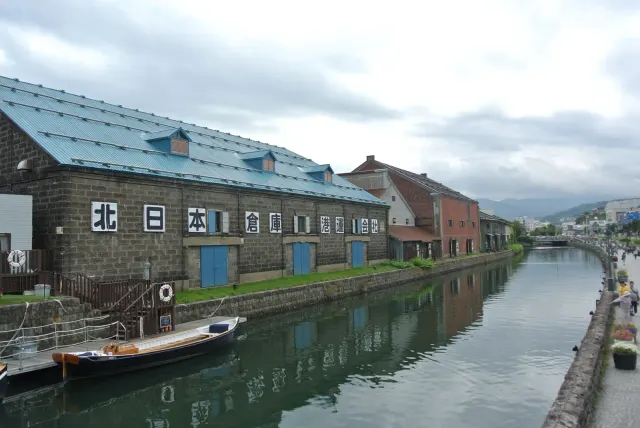
What a town does when the thing that made it rich is gone
Read →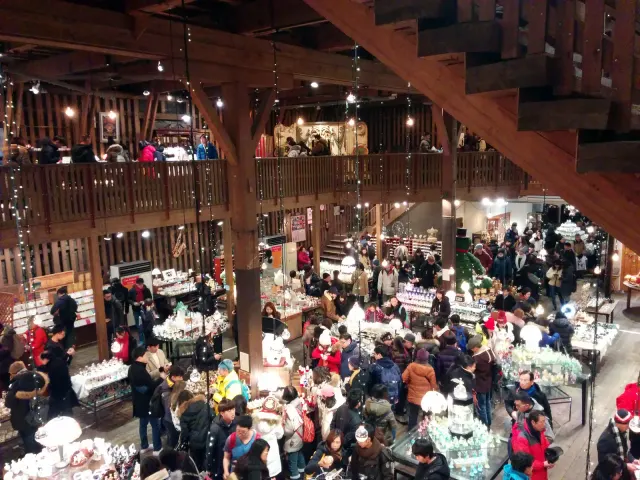
An industry that survived by losing both of its products
Read →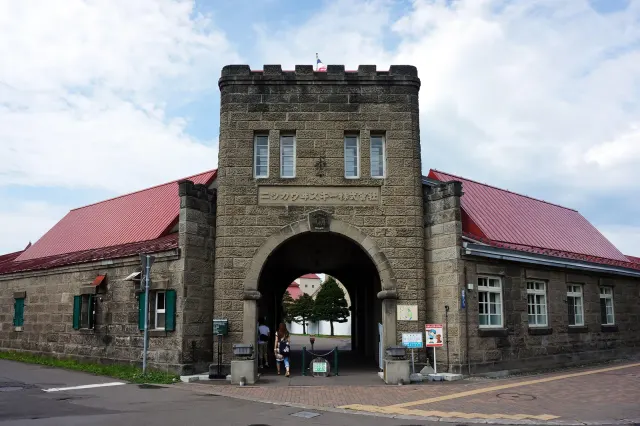
A chemist went to Scotland, married a Scot, and came back to build this
Read →