
When the herring came
Thirty years of absurd wealth, and then the fish stopped
For a few decades either side of 1900, herring arrived on this coast in numbers that turned the sea white. Otaru became the financial centre of Hokkaido, built a street of stone banks, and then the fish simply did not come back.
The spawning runs were called kunimi — the sea going milky white for kilometres as the herring spawned. Catches across Hokkaido peaked around the turn of the twentieth century at a scale that is difficult to picture now.
Most of it was not eaten. It was boiled down for oil and pressed into fertiliser cake, shipped south to the cotton and indigo fields of Honshu. Herring from this coast fertilised the agriculture of half of Japan.
What that money built
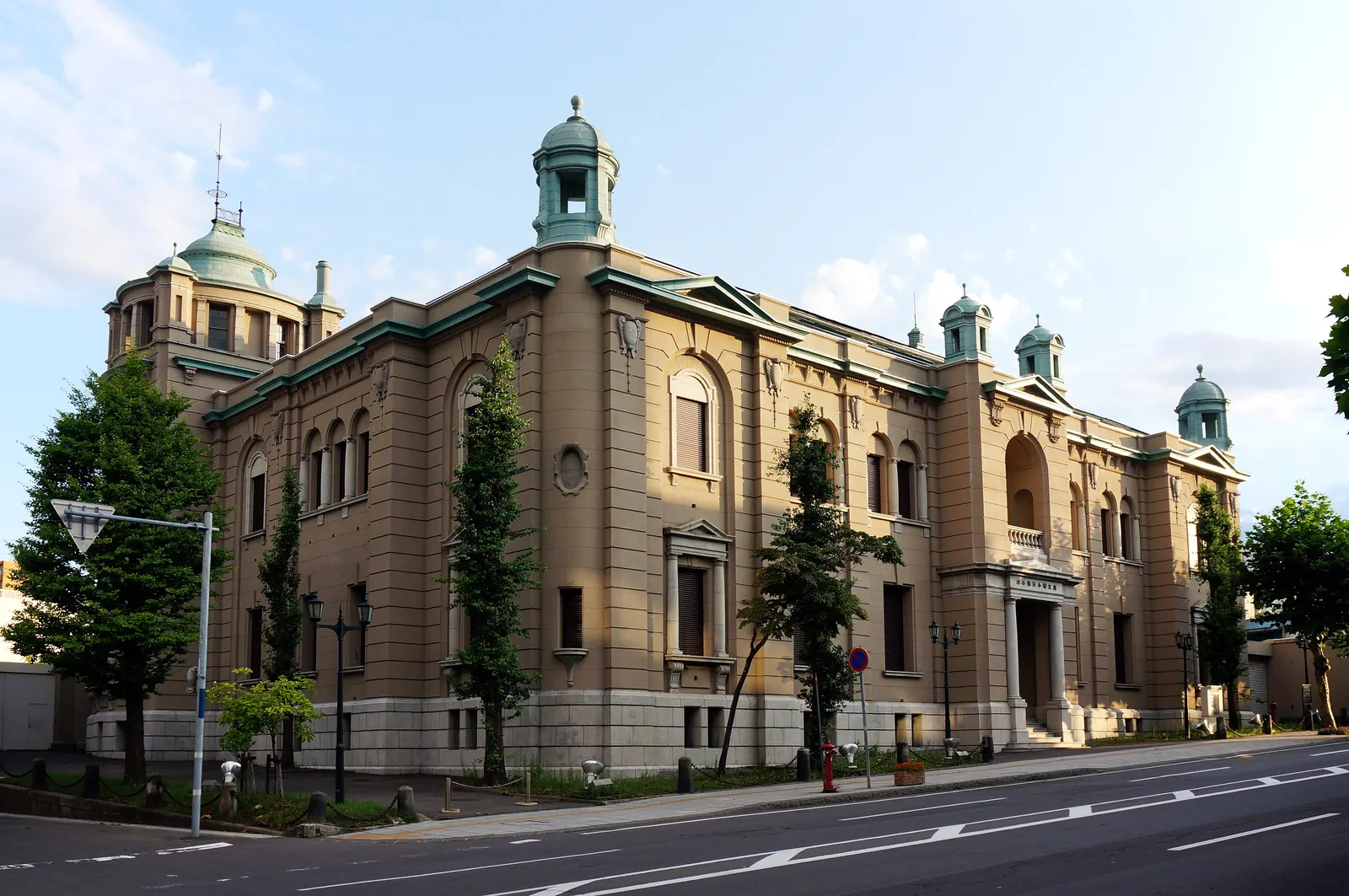
Otaru became the port through which Hokkaido’s coal, timber and fish left, and the money came back as banks. Nichigin-dori held branch after branch in cut stone, and the town was called the Wall Street of the North. The Bank of Japan built a branch here in 1912; it is now a free museum.
Along the coast, the fishery owners built nishin goten — herring mansions — enormous timber houses where the owner’s family lived at one end and a hundred seasonal labourers slept in tiers at the other, under the same roof.
The catch collapsed through the 1950s and never recovered. Overfishing, changing sea temperatures, or both — the argument is not settled. The herring simply stopped arriving.
And then it was over
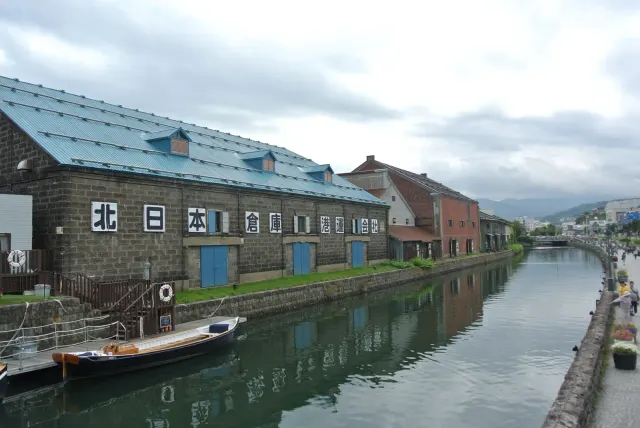
The banks left. The warehouses emptied. The canal, finished in 1923 to serve barges, became derelict within a generation. By the 1960s Otaru was a shrinking town with an oversupply of beautiful stone buildings nobody needed.
That is precisely why it looks the way it does. A town that had kept growing would have knocked them down.
How it happened
- 1800sThe herring runs turn the sea white
Boiled for oil, pressed into fertiliser, shipped south
- ~1900Otaru becomes Hokkaido’s financial centre
The "Wall Street of the North"
- 1912The Bank of Japan opens a branch here
Now a free museum
- 1923The canal is completed
Barges to warehouse doors
- 1950sThe catch collapses
And never returns
- 1960s–A shrinking town of beautiful empty buildings
Which is why they are still standing
Where this becomes real on your port day
Walk Nichigin-dori and read the buildings as a bank statement. That street is what herring money looked like.
The vocabulary of the herring
- Nishin 鰊
- Herring. The whole economy, for about fifty years.
- Nishin goten 鰊御殿
- A herring mansion. Owner at one end, a hundred labourers at the other.
- Kita no Wall Street 北のウォール街
- The Wall Street of the North. Nichigin-dori, in stone.
- Sōran Bushi ソーラン節
- The hauling song every Japanese child learns. It is about this coast.
FAQ
Why was Otaru so wealthy?
Herring. For a few decades either side of 1900 the spawning runs on this coast were enormous, and most of the catch was boiled for oil and pressed into fertiliser shipped to Honshu. Otaru became the port that money passed through, and built a street of stone banks known as the Wall Street of the North.
What happened to the Hokkaido herring?
The catch collapsed through the 1950s and never recovered — attributed to overfishing, changing sea temperatures, or both, and still argued about. The banks left, the warehouses emptied and the canal went derelict, which is precisely why so many beautiful buildings are still standing: a town that kept growing would have replaced them.
More from Otaru
What a town does when the thing that made it rich is gone
Read →
An industry that survived by losing both of its products
Read →
A chemist went to Scotland, married a Scot, and came back to build this
Read →
Why a town of 100,000 has more sushi bars than it can possibly need
Read →