PORT OF JAPAN
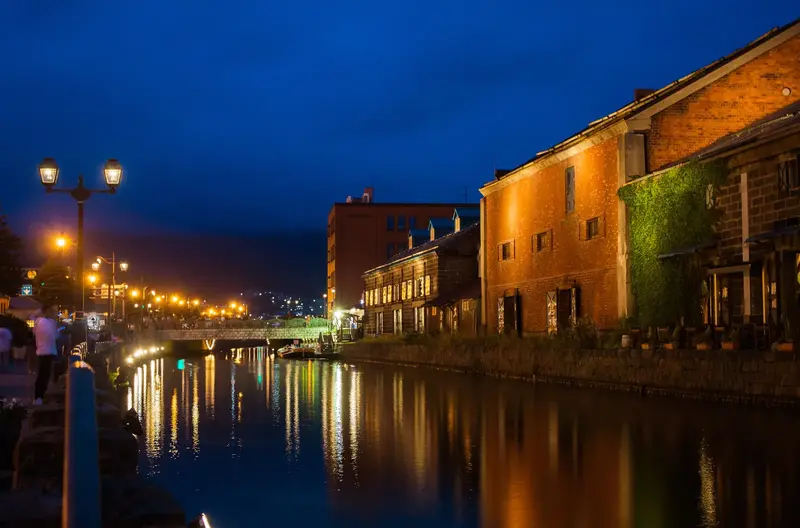
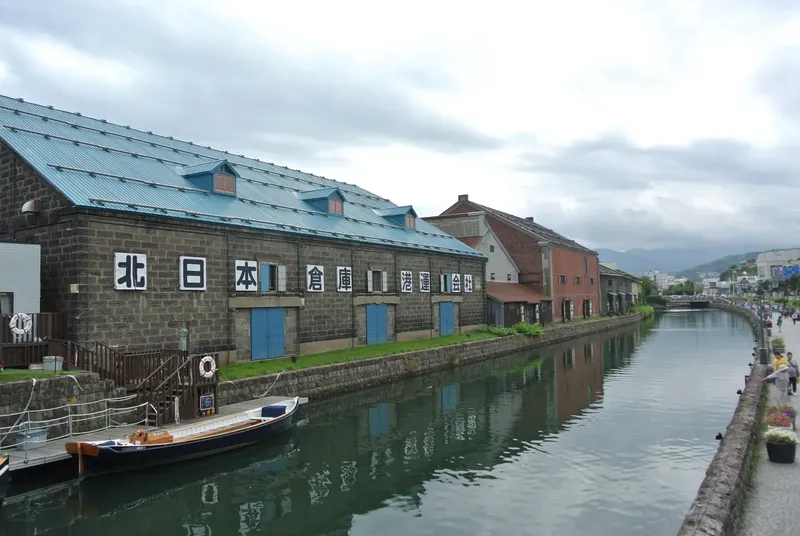
The Otaru canal lined with stone warehouses

Home / Ports / Otaru / Culture

Culture & history · Otaru

Why Otaru is Otaru

The things that happened here and only here, told properly, then tied to what you can see, taste and book while your ship waits.

Photo: Tan Wei Liang Byorn / CC BY-SA 4.0
What Otaru is

Otaru in 5 stories

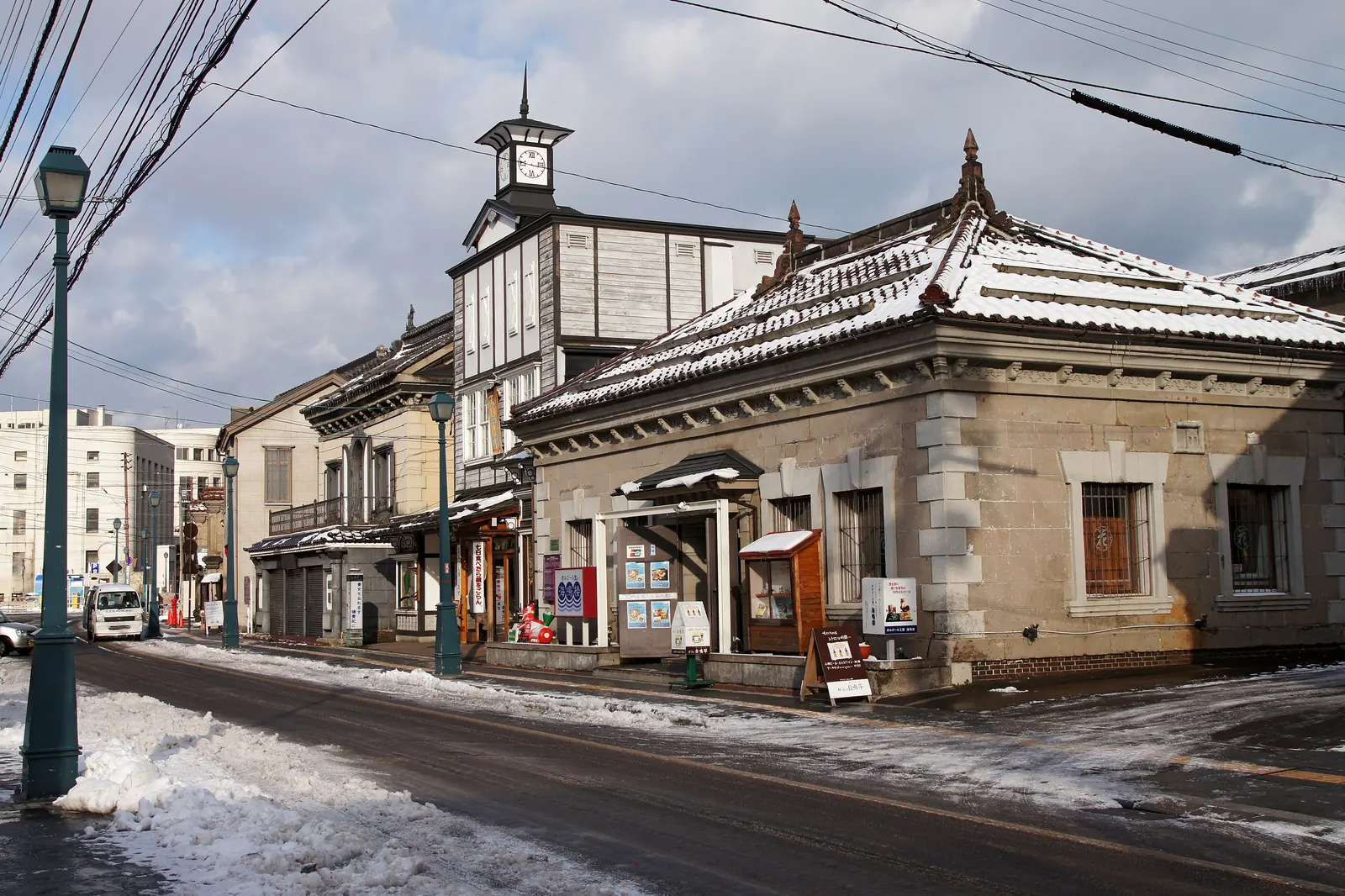
Otaru is a harbour town of 100,000 in Hokkaido that for thirty years around 1900 was the richest town on the island, built on herring. Then the herring stopped coming, and what was left is unusually beautiful: a 1923 canal of stone warehouses and 63 gas lamps, stone banks, and glass workshops. Every call since 2024 has used No.3 Wharf, five to ten minutes' walk from the canal, with a whole street of sushi counters in the old town.

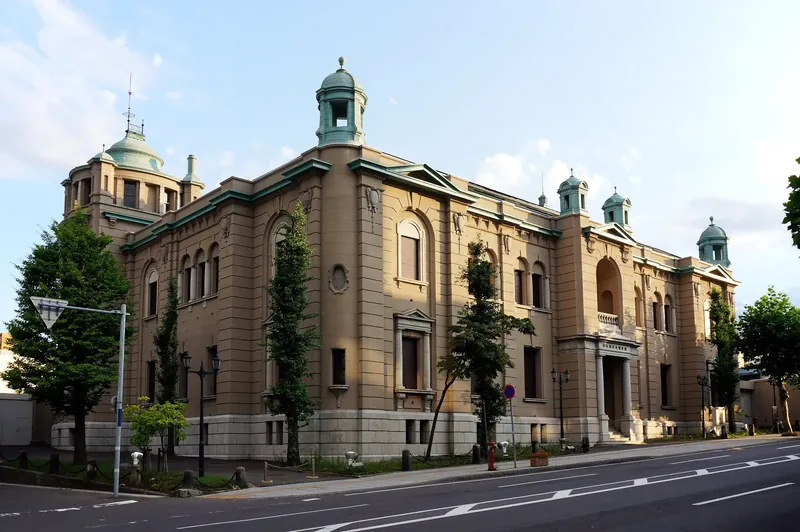
The former Bank of Japan Otaru branch in cut stone
01 · The money

When the herring came

For a few decades either side of 1900, herring arrived on this coast in numbers that turned the sea white. Otaru became the financial centre of Hokkaido, built a street of stone banks, and then the fish simply did not come back.

Read the story →
The Otaru canal with its stone warehouses and gas lamps
02 · The fight

Ten years over a ditch

By 1966 the canal was a stagnant, foul-smelling relic of an industry that had ended, and the city proposed filling it in for a six-lane road. What followed was one of the first and fiercest citizens’ preservation campaigns in modern Japan, and it lasted more than a decade.

Read the story →
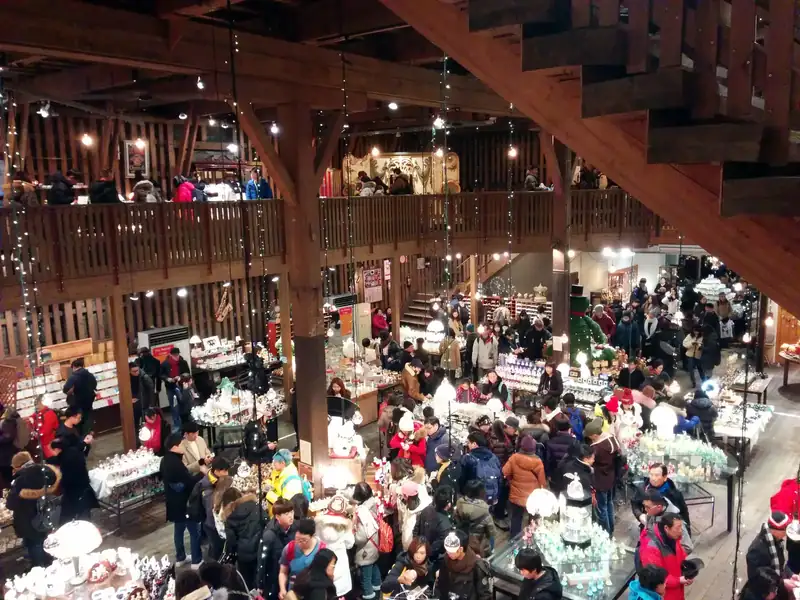
Inside the Otaru Music Box Museum
03 · The craft

From fishing floats to lamps

Otaru’s glassworks were founded to make two things: floats to hold up herring nets, and oil lamps for a town with no electricity. Plastic killed the first and the power grid killed the second. The workshops survived by making things nobody needed at all.

Read the story →
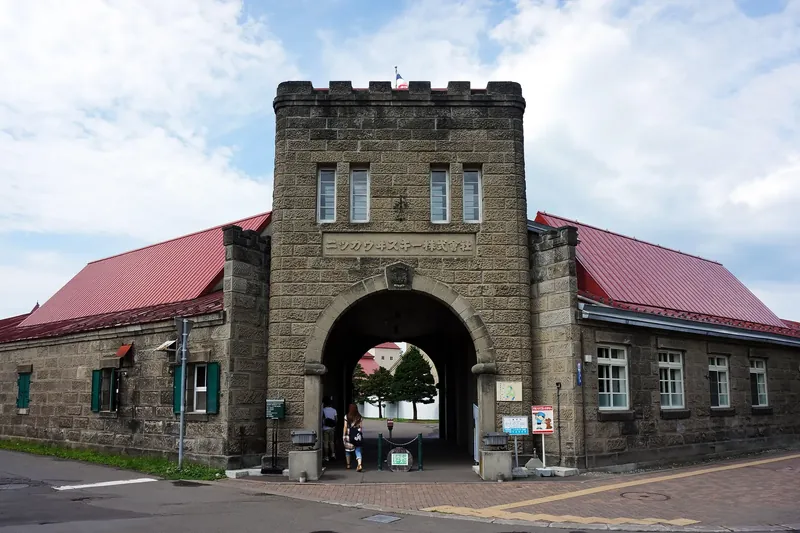
The Nikka Whisky distillery at Yoichi, Hokkaido
04 · The whisky

Yoichi

In 1918 a young Japanese chemist enrolled at Glasgow University to learn how whisky was actually made. He came home with a notebook, a Scottish wife, and a conviction that Japan’s whisky should be made somewhere cold and grey — which is why the distillery is twenty-five minutes from this port.

Read the story →
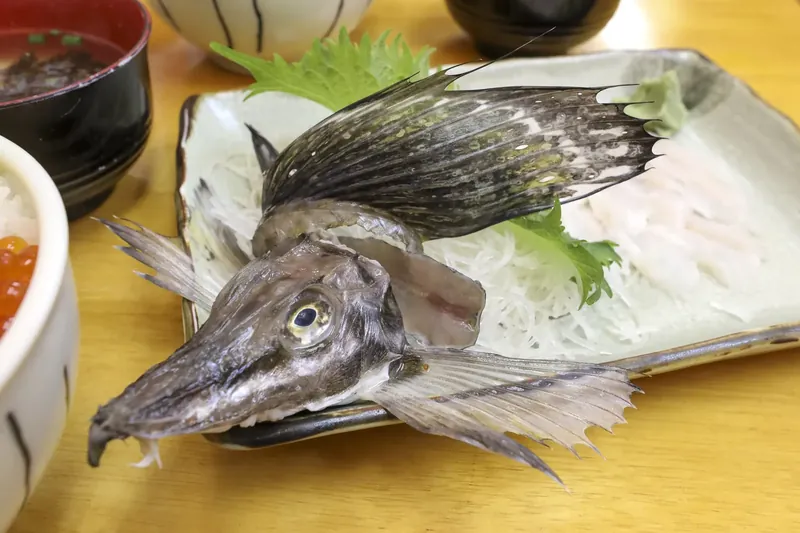
A seafood bowl at Sankaku Market, Otaru
05 · The table

A street of counters

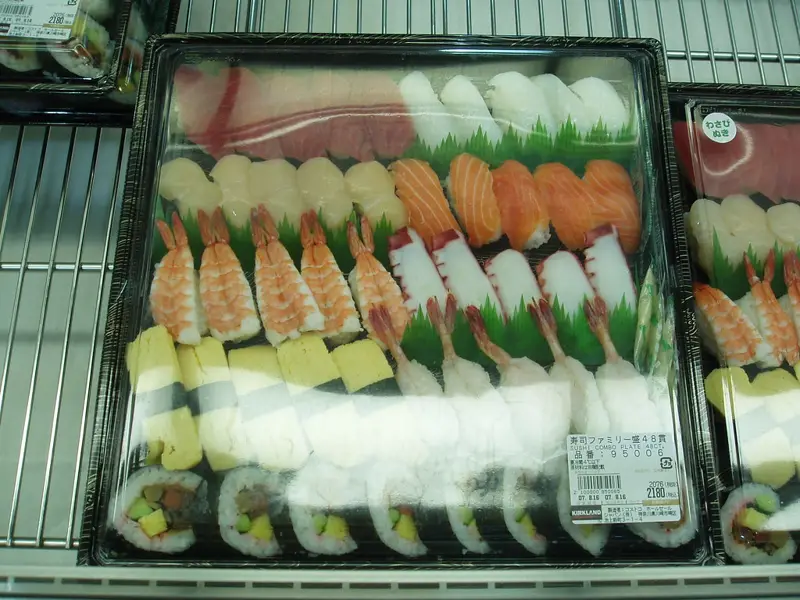
Otaru has a street officially named Sushiya-dori and more sushi counters than a town of 100,000 has any right to. That ratio is not an accident of tourism — it is what happens when a fishing port gets rich and then stops being rich.

Read the story →
The year in Otaru

When to come, and what you'll find

Cruise seasons run spring to autumn, but the port changes underneath them.

AprilLate cherry blossom, and the thaw

Blossom reaches Hokkaido at the very end of the month. The canal is at its bleakest and emptiest just before.

MayThe season opens

Mild, dry, long daylight, and the first cruise calls. The best walking weather of the year.

JuneGreen and comfortable

Hokkaido has no rainy season worth the name. This is the quiet sweet spot.

JulyWarm, and uni at its peak

Sea urchin season. Order it at Sankaku and do not economise.

AugustPeak visitors, peak light

Warm without the humidity of the main islands. Busy on Sakaimachi.

SeptemberSalmon and ikura arrive

The clearest air of the year and the start of the autumn table.

OctoberAutumn colour and cold water

Excellent walking, excellent seafood, and the coaches thin out.

NovemberCold sets in; crab starts

Hair crab and scallop come into their own. Few ships.

Dec–MarSnow, and the Snow Light Path

Cruise season is over, but February floats candles on the canal. The best the town ever looks.

Read the culture, then plan the clock: the Otaru day plans and the Top 10 turn all of this into a day that ends at the gangway with an hour to spare.