~1h — the round trip from the gangway, with the 60-minute margin kept aside.
Tap a photo to see it large. 9 photographs, each credited.
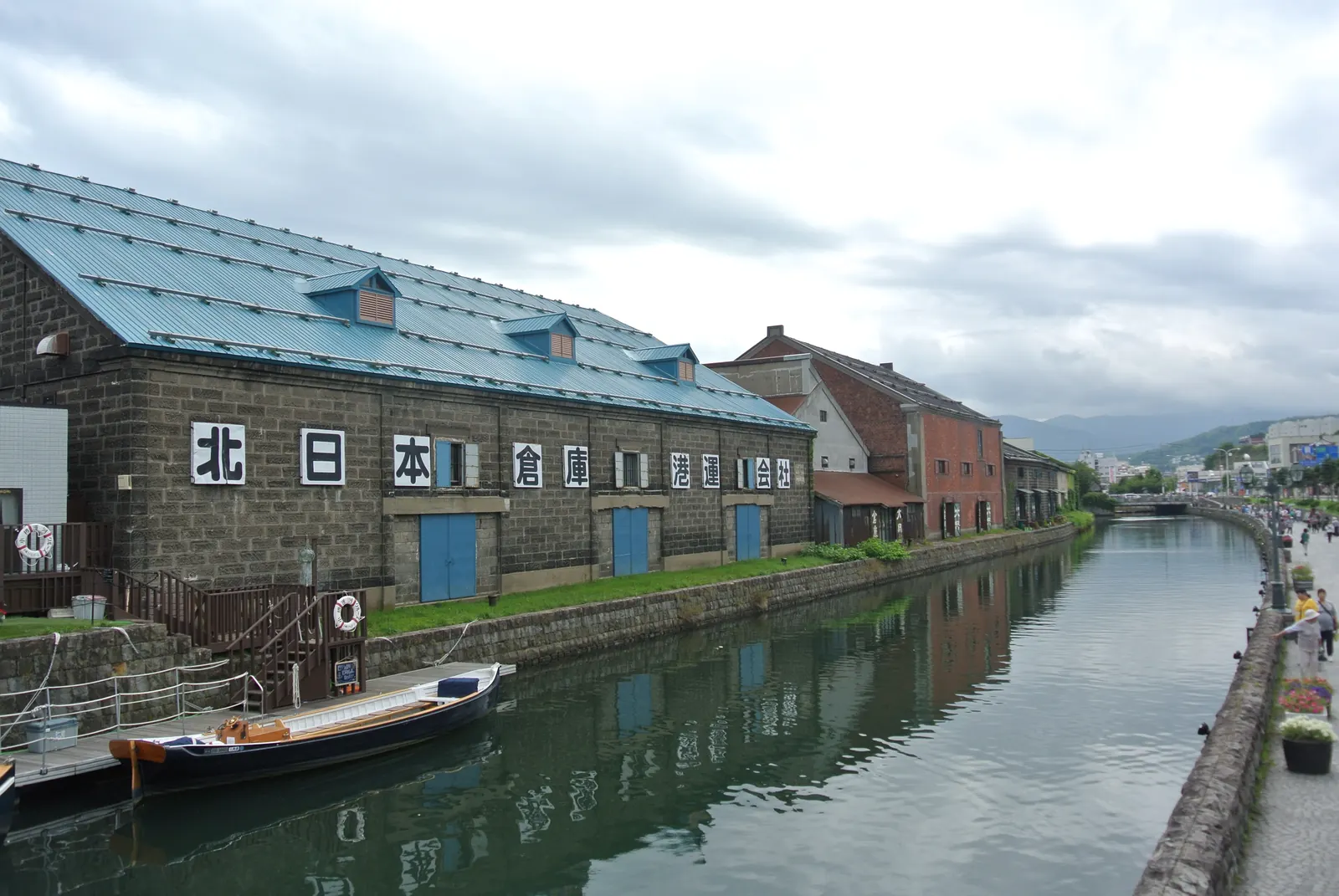
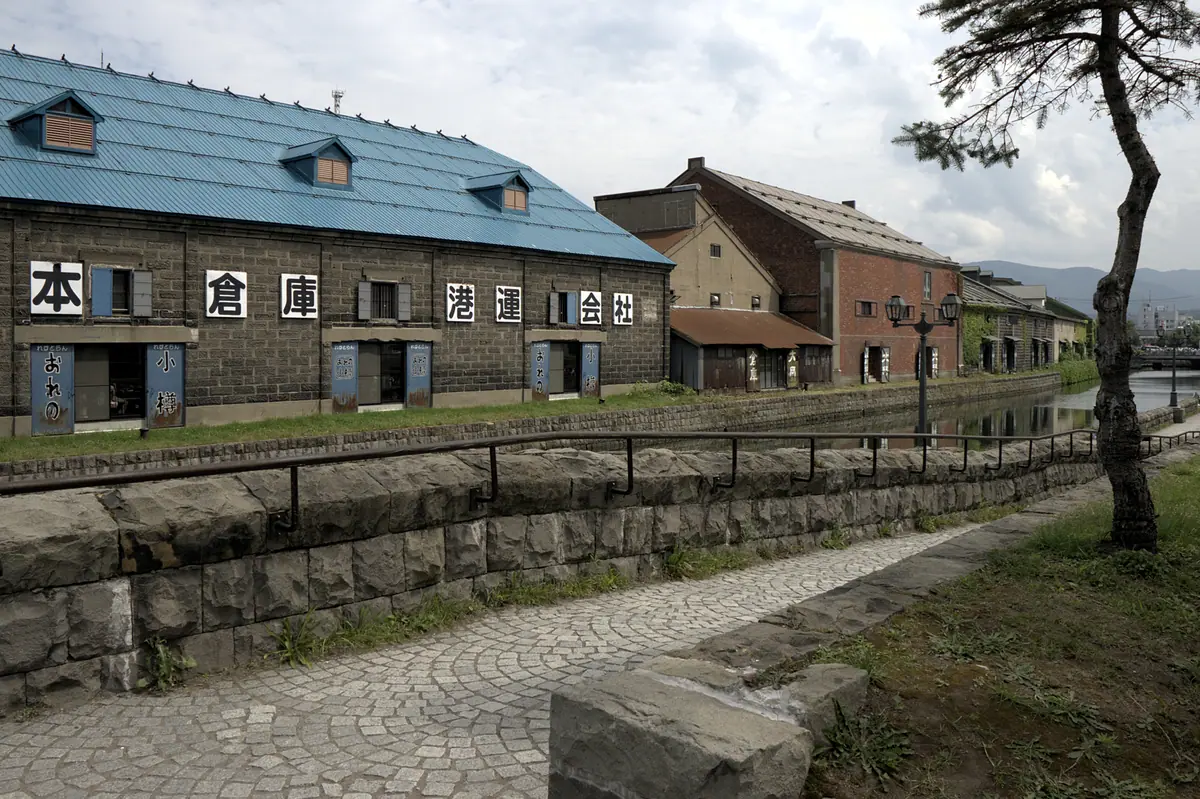
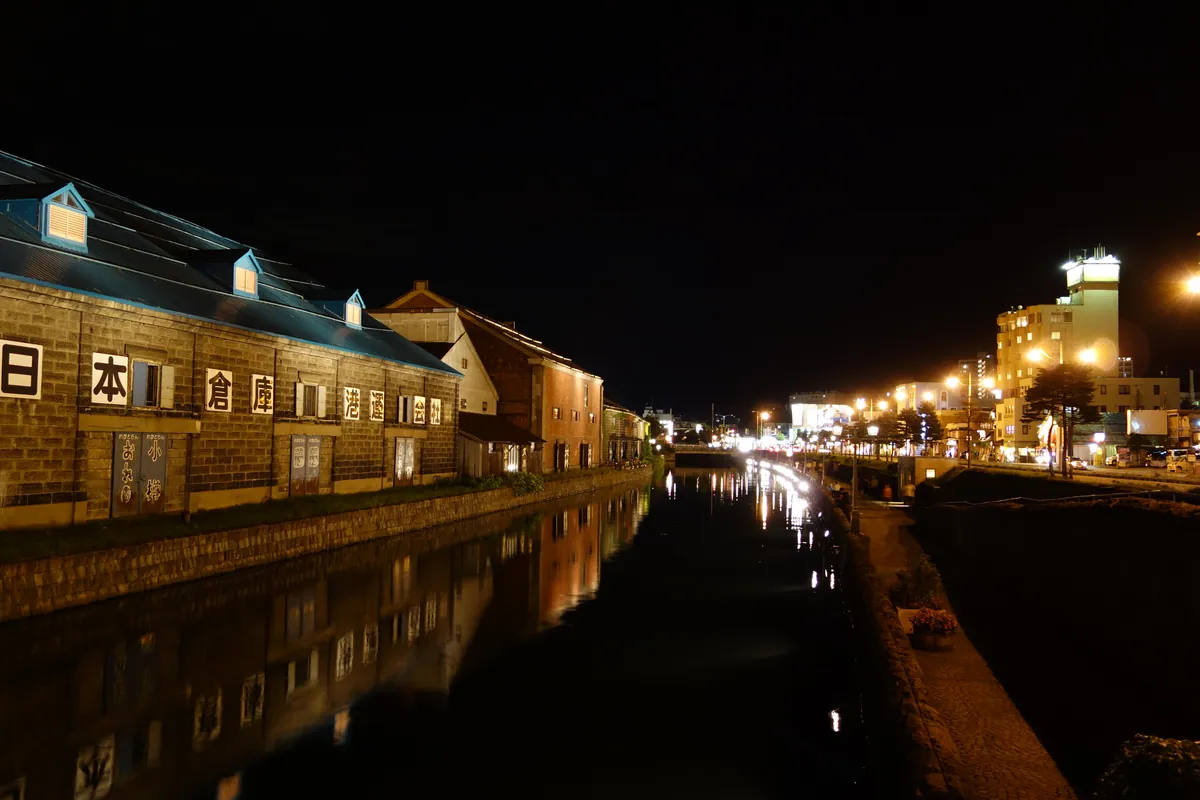
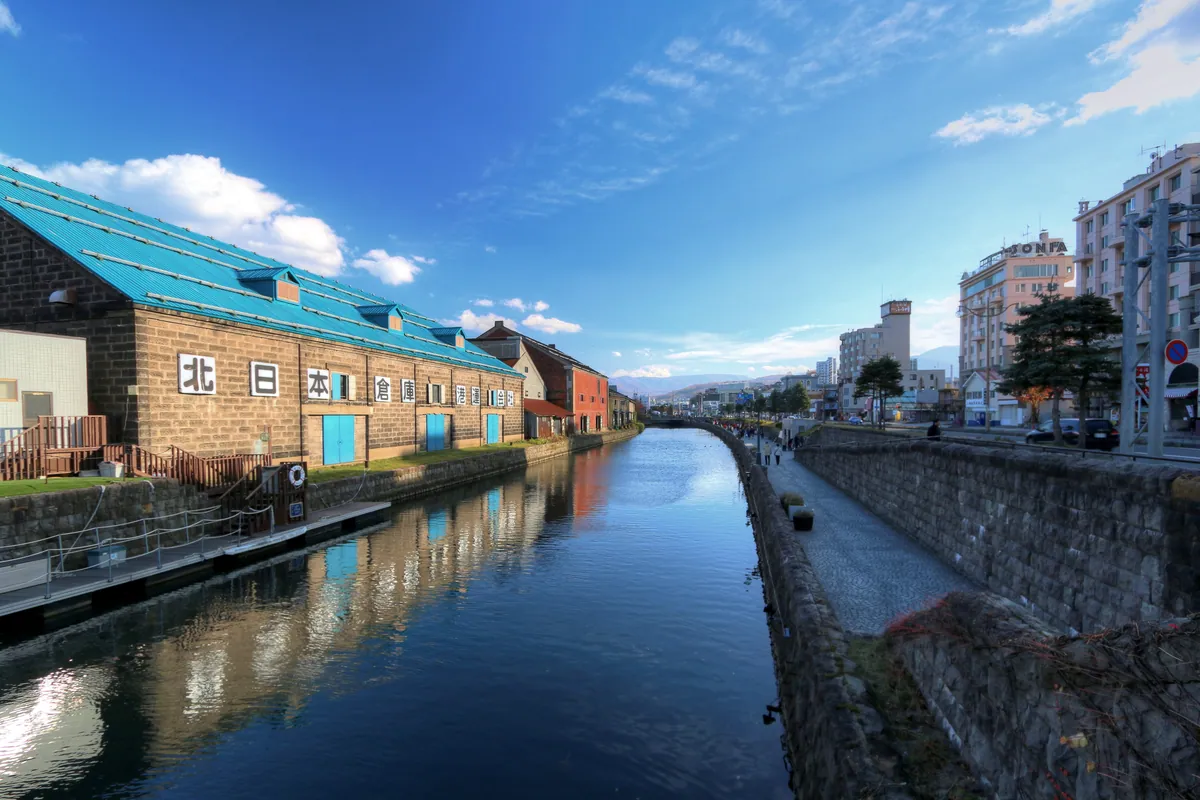
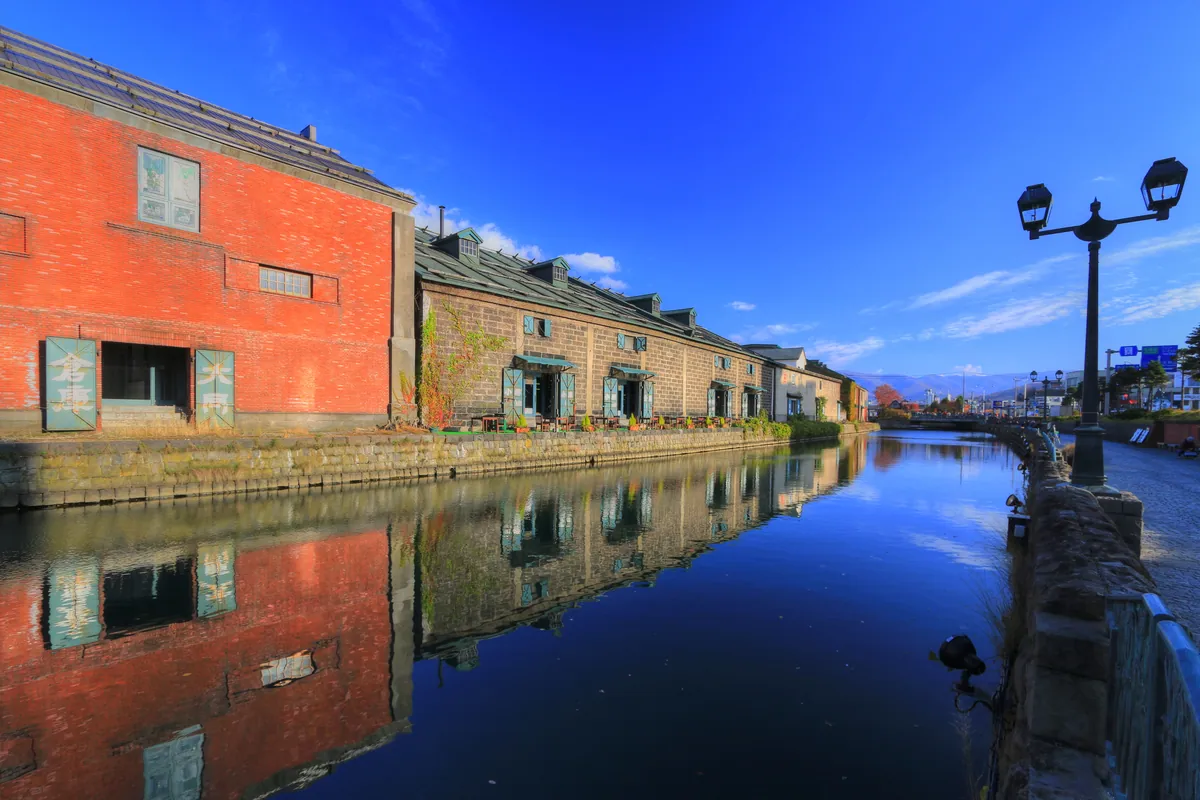
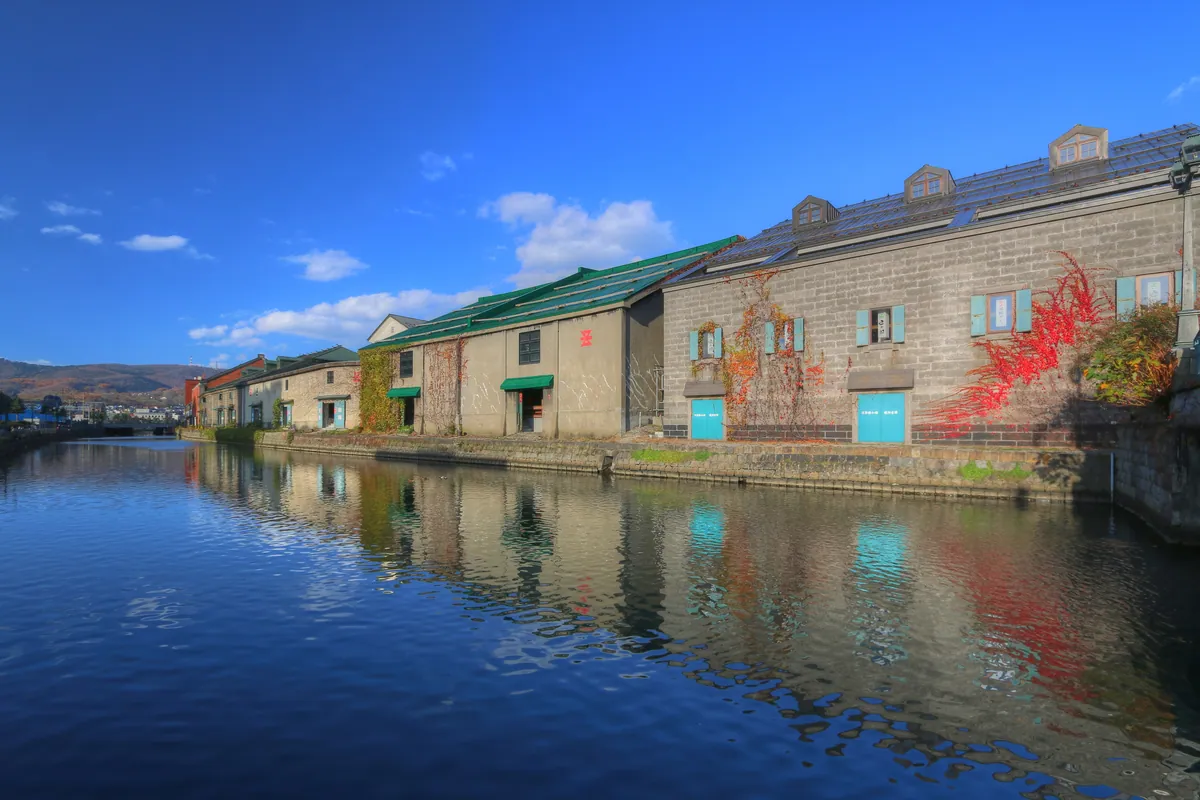
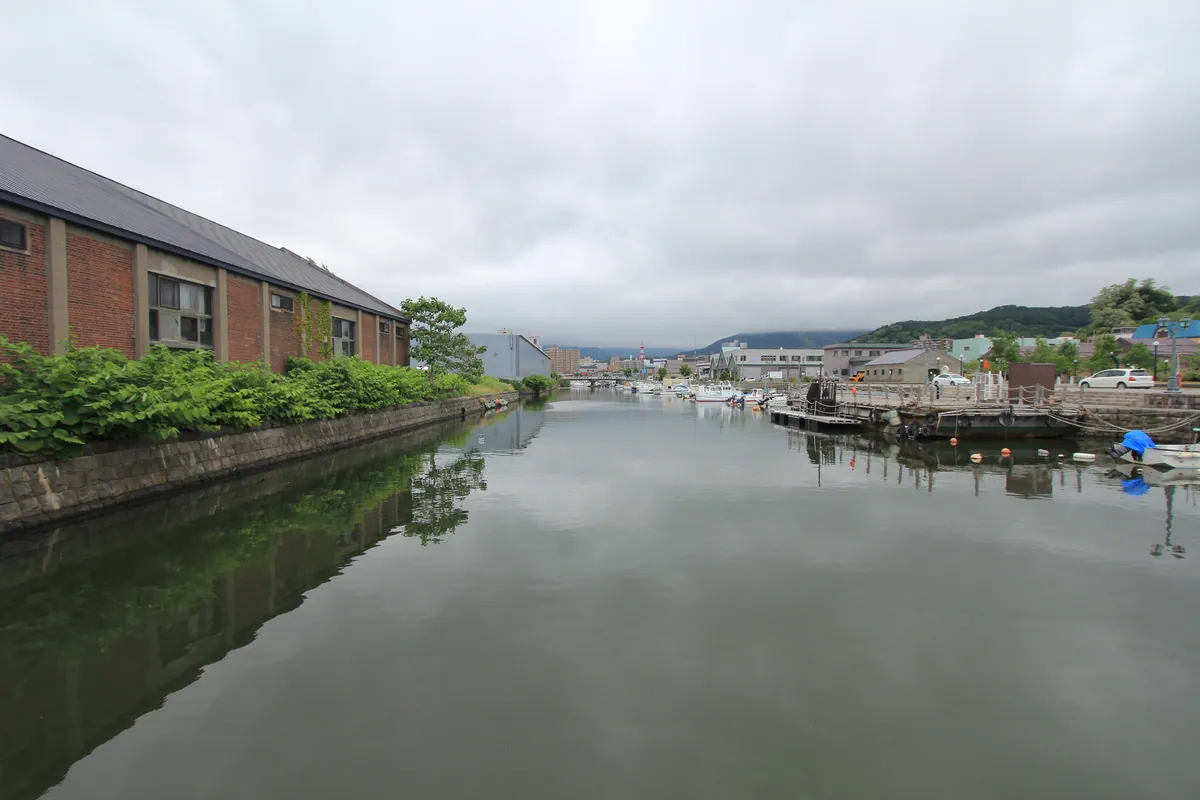
Finished in 1923 on reclaimed land so barges could unload straight into the warehouses. The city condemned it for a road in the 1960s; citizens fought for a decade and saved half. You are walking beside the half that won the argument.
Thirty years of absurd wealth, and then the fish stopped
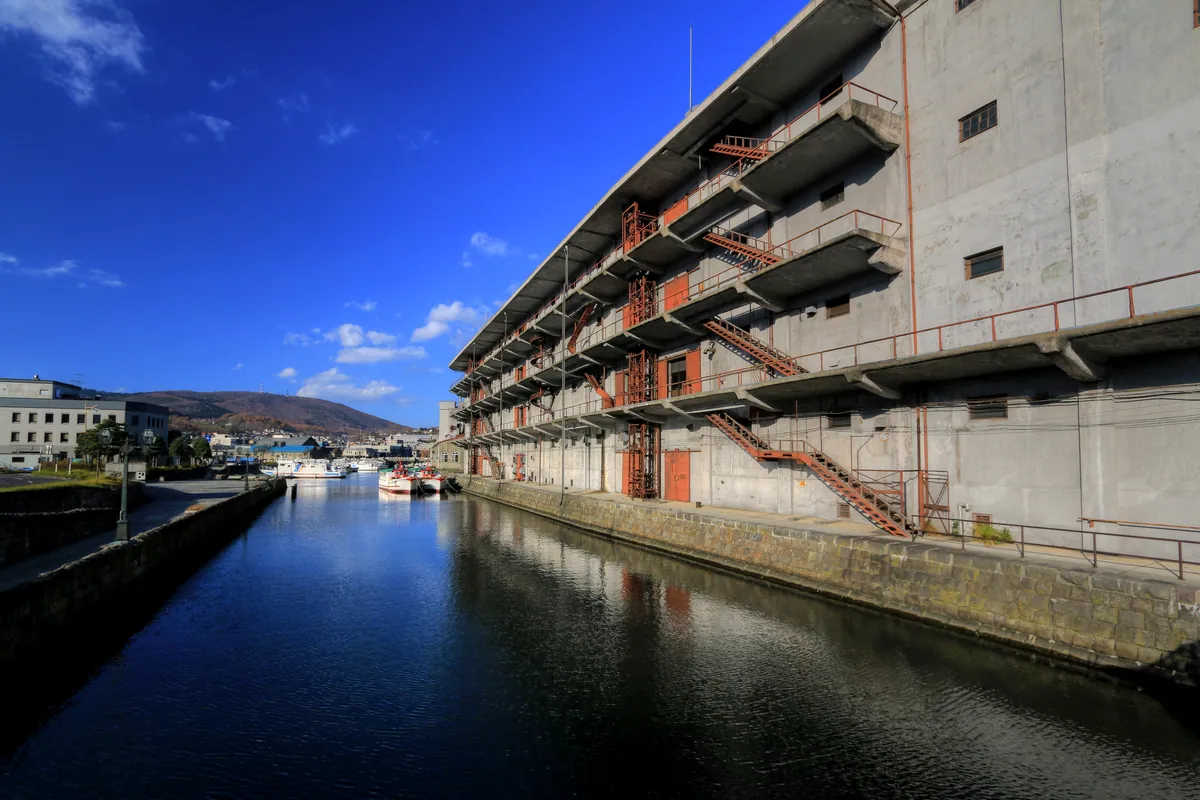
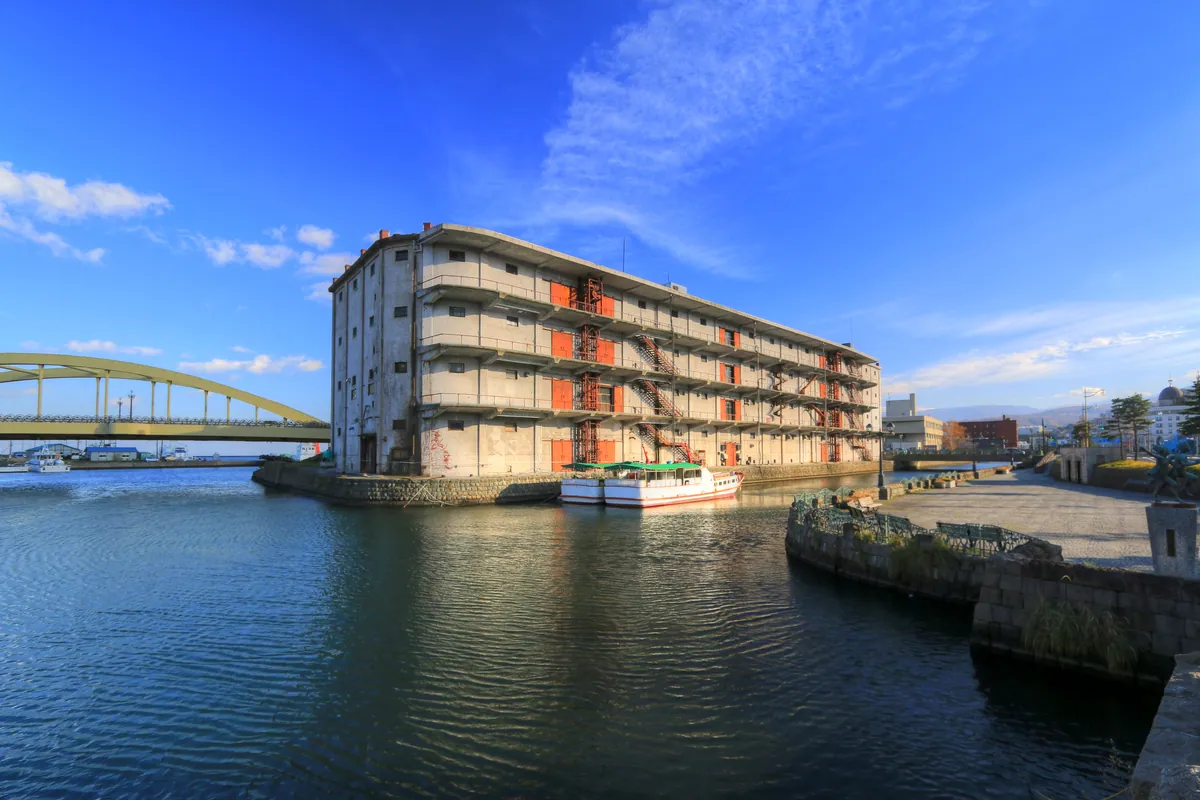
The canal was finished in 1923 so barges could unload ships straight into the warehouses, and it was made by reclaiming the seabed rather than digging inland, which is why it curves. In the 1960s the city voted to fill it in for a road; a ten-year citizens' campaign saved half of it. You are walking beside the half that was saved.
For a few decades either side of 1900, herring arrived on this coast in numbers that turned the sea white. Otaru became the financial centre of Hokkaido, built a street of stone banks, and then the fish simply did not come back.
Finished in 1923 on reclaimed land, so that barges could carry cargo from ships anchored offshore straight to the warehouse doors. That is why the warehouses face the water and why the canal is wide — it was a working quay, not a scenic feature.
When lorries replaced barges the canal became derelict, and in the 1960s the city condemned it for a six-lane road. A citizens’ preservation movement fought for about a decade. The outcome was a compromise nobody loved: half filled in for the road, half kept and landscaped with gas lamps. The half you walk beside is the half that survived the argument.
Boiled for oil, pressed into fertiliser, shipped south
The "Wall Street of the North"
Now a free museum
Barges to warehouse doors
Walk Nichigin-dori and read the buildings as a bank statement. That street is what herring money looked like.
Both pins on one map, so the distance is a fact rather than a feeling.
Counted from the moment you step off the gangway. The hour before all-aboard is not in this bar; it is already set aside.
10 minutes each way is the honest figure for 10 min walk, not the optimistic one. If your ship is late, cut the 40 min in the middle. Never cut the hour at the end.
Each of these still lands you back aboard with the hour to spare on a 6-hour stop ashore.
Ten to fifteen minutes on foot — no shuttle, no taxi, no train. Otaru is one of the very few Japanese cruise ports where the main sight is genuinely walkable from the ship.
Because half of it was filled in. The city condemned the derelict canal for a road in the 1960s, a citizens’ movement fought it for about a decade, and the settlement was to pave half and keep half. The landscaped stretch with gas lamps is the surviving half.
Each one is a finished day we have walked and timed, with this stop in it. Read the route rather than assembling it yourself.
Each of these still lands you back aboard with the hour to spare.
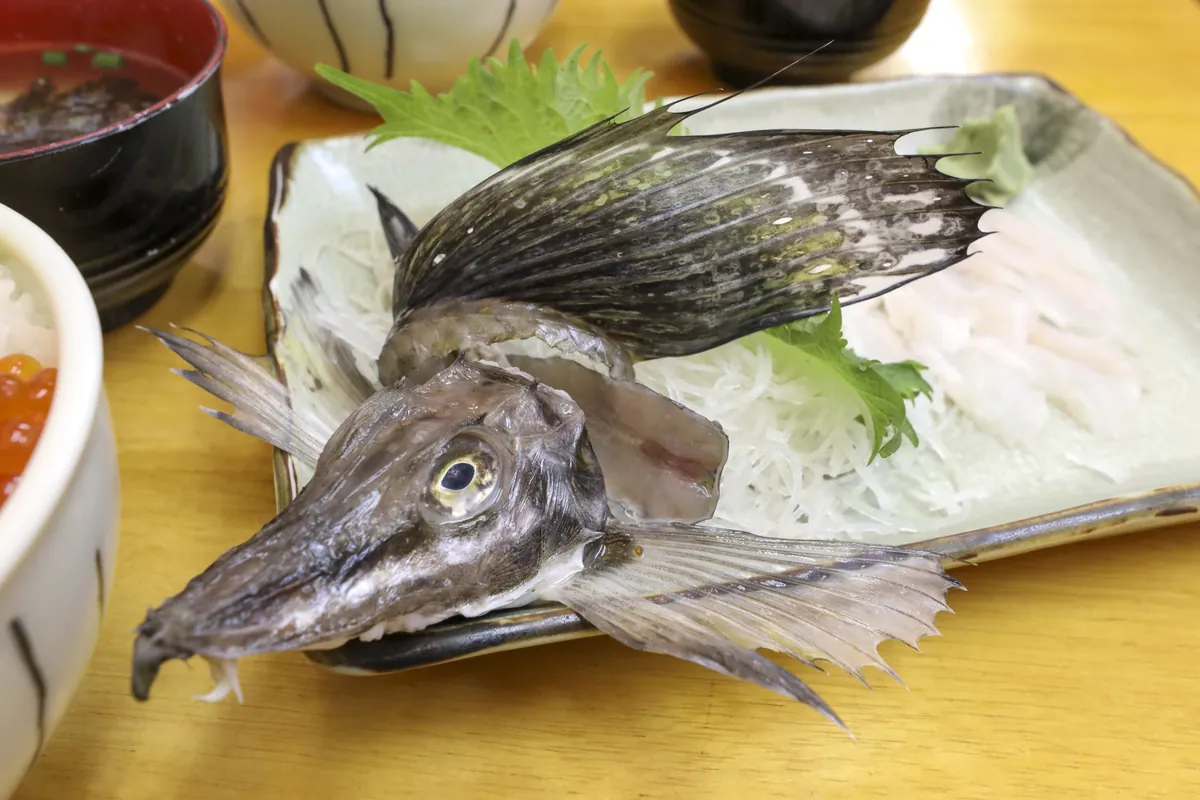 2 hr 30 min for both
Seventeen stalls wedged beside the station on a triangular plot.
See the detail →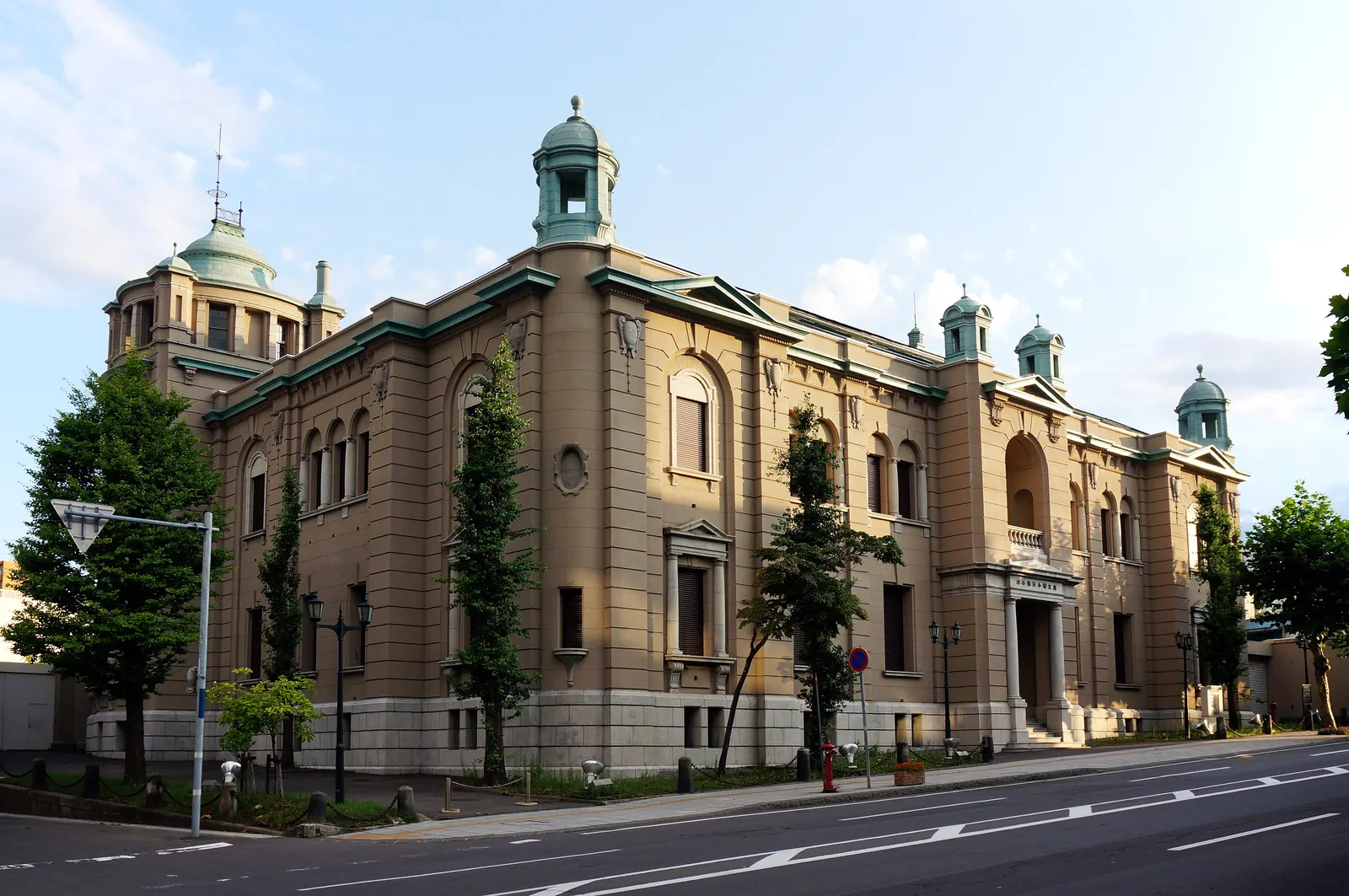 2 hr 30 min for both
When the herring were running, Otaru was the financial centre of Hokkaido and Nichigin-dori held branch after branch in cut stone.
See the detail → 2 hr 30 min for both
Thirty minutes at strolling pace with a runner who narrates.
See the detail →No typing needed — jump straight in:
Just docked? — the gangway toolStart from your shipThe ride from every berthAsk the editorGlossary