~1.5h — the round trip from the gangway, with the 60-minute margin kept aside.
Tap a photo to see it large. 3 photographs, each credited.
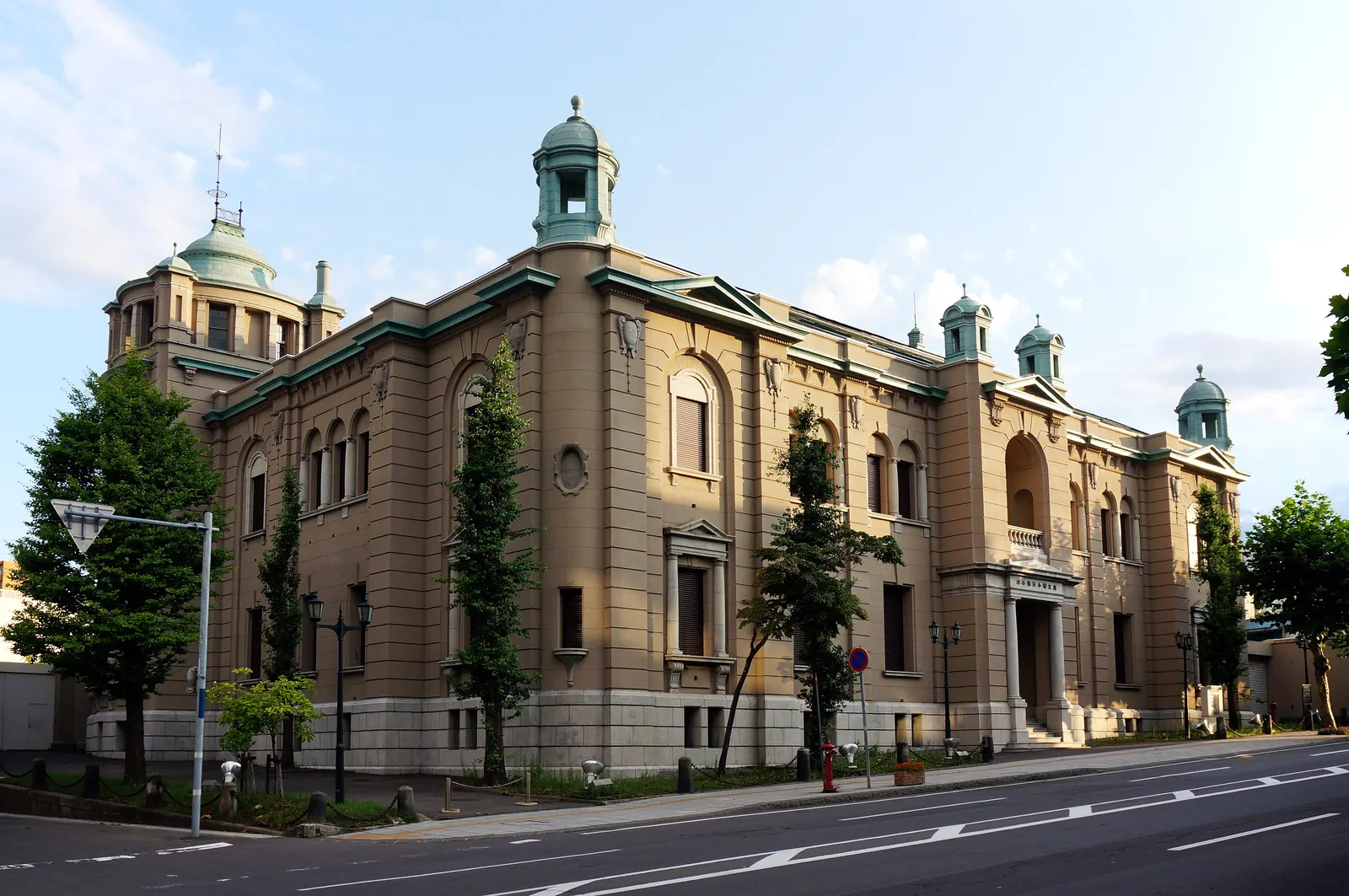
When the herring were running, Otaru was the financial centre of Hokkaido and Nichigin-dori held branch after branch in cut stone. The Bank of Japan building is now a free museum, and the street is the clearest evidence of how much money passed through.
For a few decades either side of 1900 herring arrived on this coast in numbers that turned the sea white, and Otaru became the financial centre of Hokkaido. Twenty-odd banks built on one street in stone, and the Bank of Japan branch of 1912 is the grandest. The fish stopped coming in the 1950s and the street stayed.
Both pins on one map, so the distance is a fact rather than a feeling.
Counted from the moment you step off the gangway. The hour before all-aboard is not in this bar; it is already set aside.
9 minutes each way is the honest figure for walk, not the optimistic one. If your ship is late, cut the 1 hr 12 min in the middle. Never cut the hour at the end.
Each of these still lands you back aboard with the hour to spare on a 6-hour stop ashore.
Each one is a finished day we have walked and timed, with this stop in it. Read the route rather than assembling it yourself.
Each of these still lands you back aboard with the hour to spare.
 2 hr 30 min for both
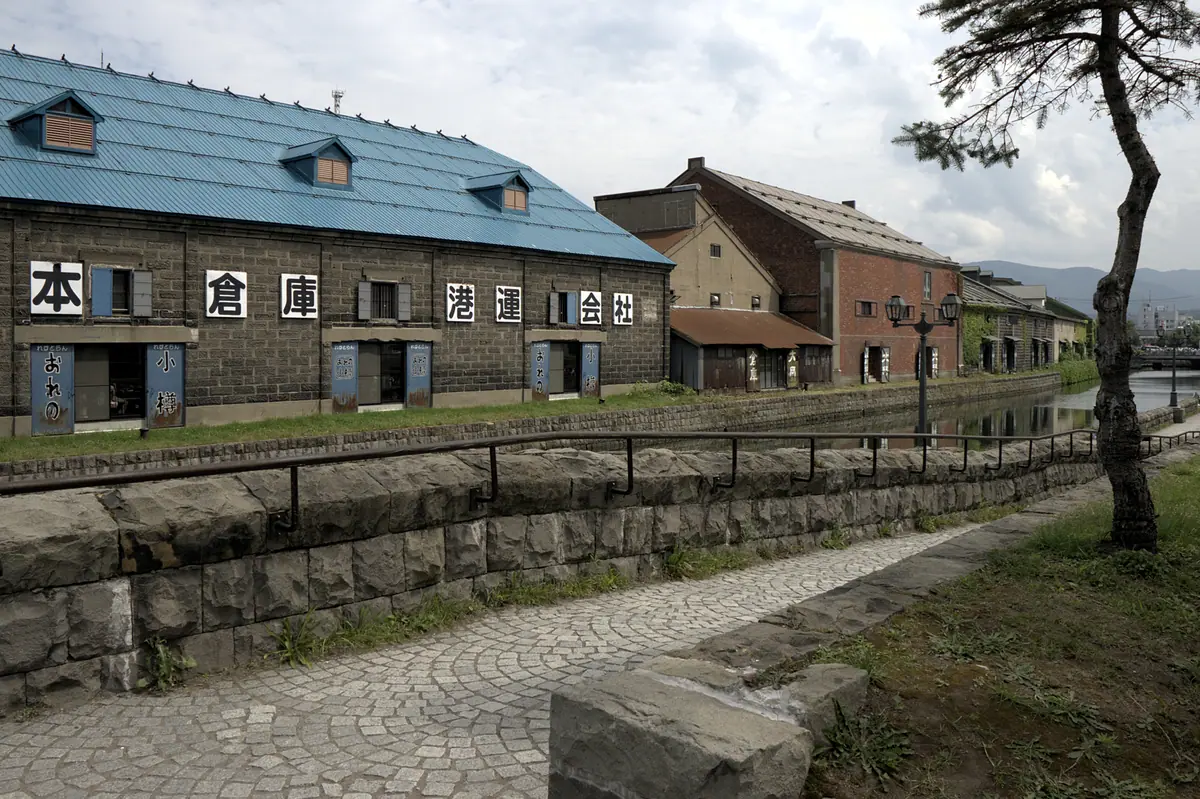
Finished in 1923 on reclaimed land so barges could unload straight into the warehouses.
See the detail →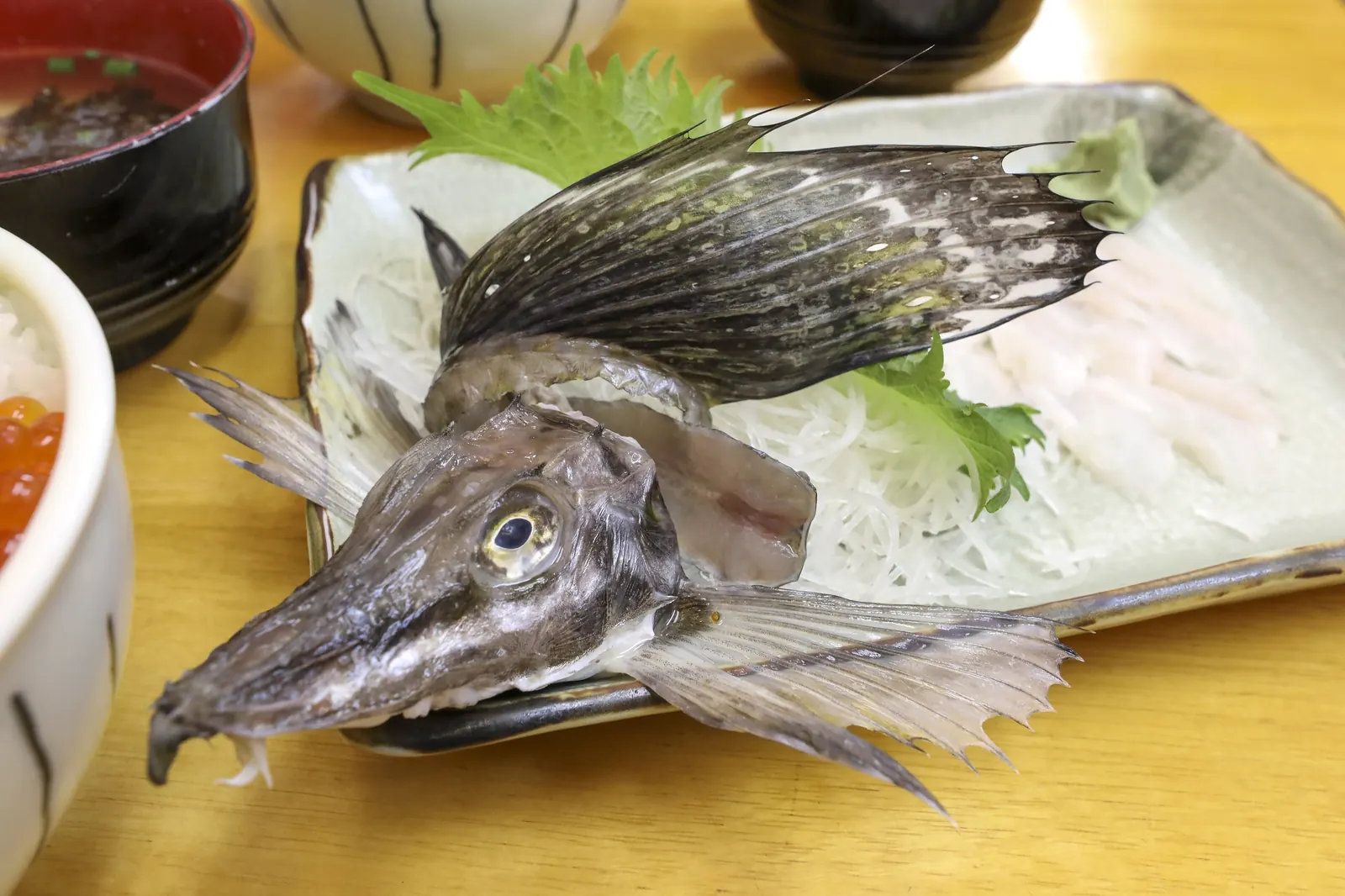 3 hr for both
Seventeen stalls wedged beside the station on a triangular plot.
See the detail → 3 hr for both
Thirty minutes at strolling pace with a runner who narrates.
See the detail →No typing needed — jump straight in:
Just docked? — the gangway toolStart from your shipThe ride from every berthAsk the editorGlossary