~2h — the round trip from the gangway, with the 60-minute margin kept aside.
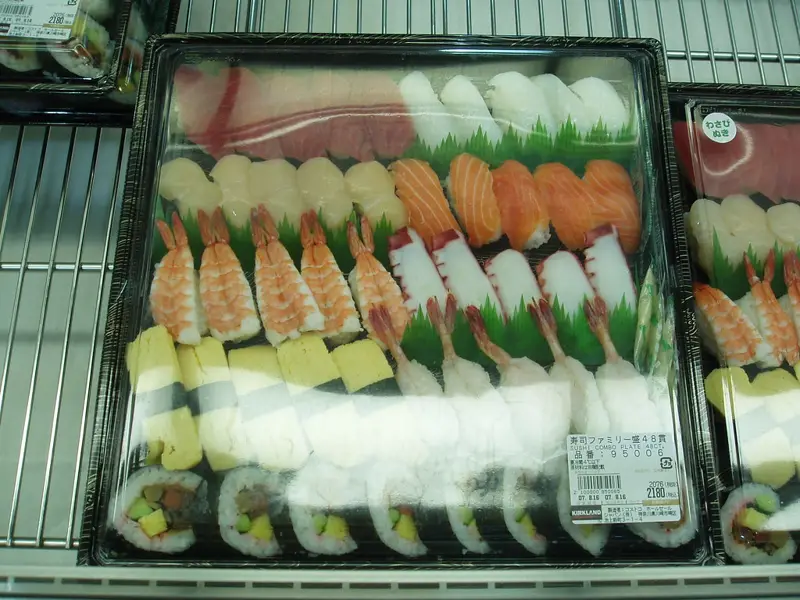
A whole street of counters in a town that has lived on cold water for a century. Order the seasonal board rather than the picture menu — in autumn that means salmon roe and in winter it means the best uni in Japan.
Why a town of 100,000 has more sushi bars than it can possibly need
A town of about 110,000 people supports a street of sushi counters because of herring money and a fishing port. The local habit is to order by what the board says landed, not by a set course, and the counters are small enough that the chef will tell you what to have.
Otaru has a street officially named Sushiya-dori and more sushi counters than a town of 100,000 has any right to. That ratio is not an accident of tourism — it is what happens when a fishing port gets rich and then stops being rich.
The infrastructure of expensive eating
Too many sushi bars, not enough bankers
In a town of about 100,000
Uni in summer, crab in winter
Market bowl if it is your one meal; counter omakase if it is the indulgence. Both are the right answer.
The one the queue agrees on, the one people who live here use instead, and the one nearest your ship. Opening days change; check before you build a day around one.
On Sushiya-dori since 1938, and the shop that made the street a destination. Lunch sets are the sane way in.
Open in Google MapsWhere locals goOtaru Masazushi Zen-an小樽 政寿司 ぜん庵The same house in a quieter room, a short walk off the main street.
Open in Google MapsClosest to the berthSushi Kobo Kurumaya鮨工房 くるまやNearer the canal and the berth, and the kind of counter that will tell you what is good today.
Open in Google MapsCounted from the moment you step off the gangway. The hour before all-aboard is not in this bar; it is already set aside.
15 minutes each way is the honest figure for 15 min walk, not the optimistic one. If your ship is late, cut the 1 hr 30 min in the middle. Never cut the hour at the end.
Each of these still lands you back aboard with the hour to spare on a 6-hour stop ashore.
Each one is a finished day we have walked and timed, with this stop in it. Read the route rather than assembling it yourself.
Each of these still lands you back aboard with the hour to spare.
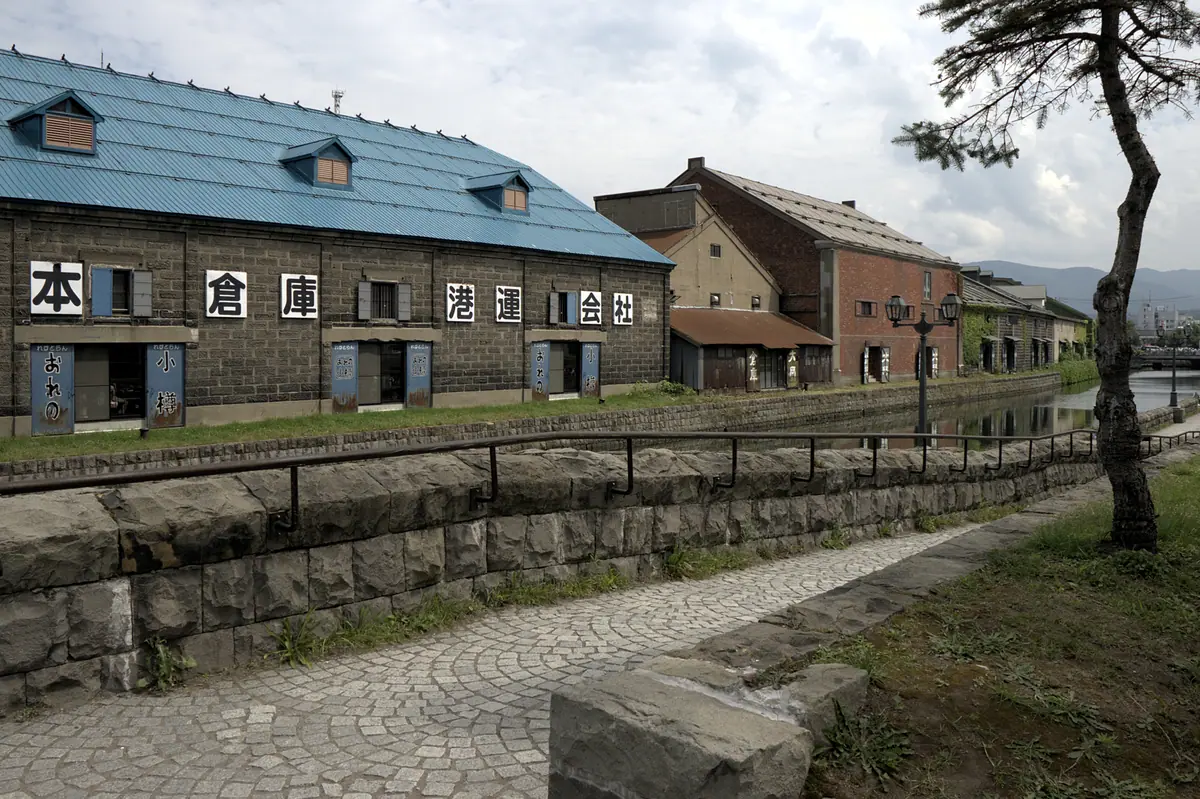 3 hr for both
Finished in 1923 on reclaimed land so barges could unload straight into the warehouses.
See the detail →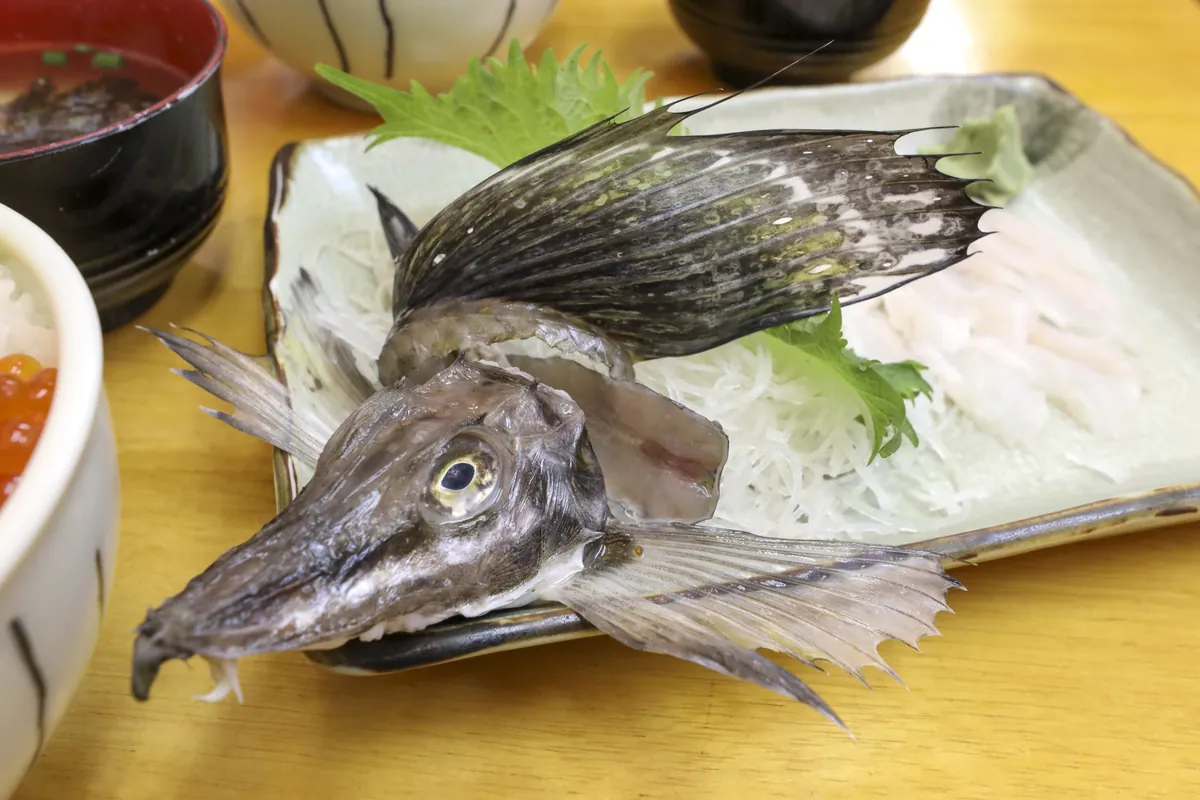 3 hr 30 min for both
Seventeen stalls wedged beside the station on a triangular plot.
See the detail →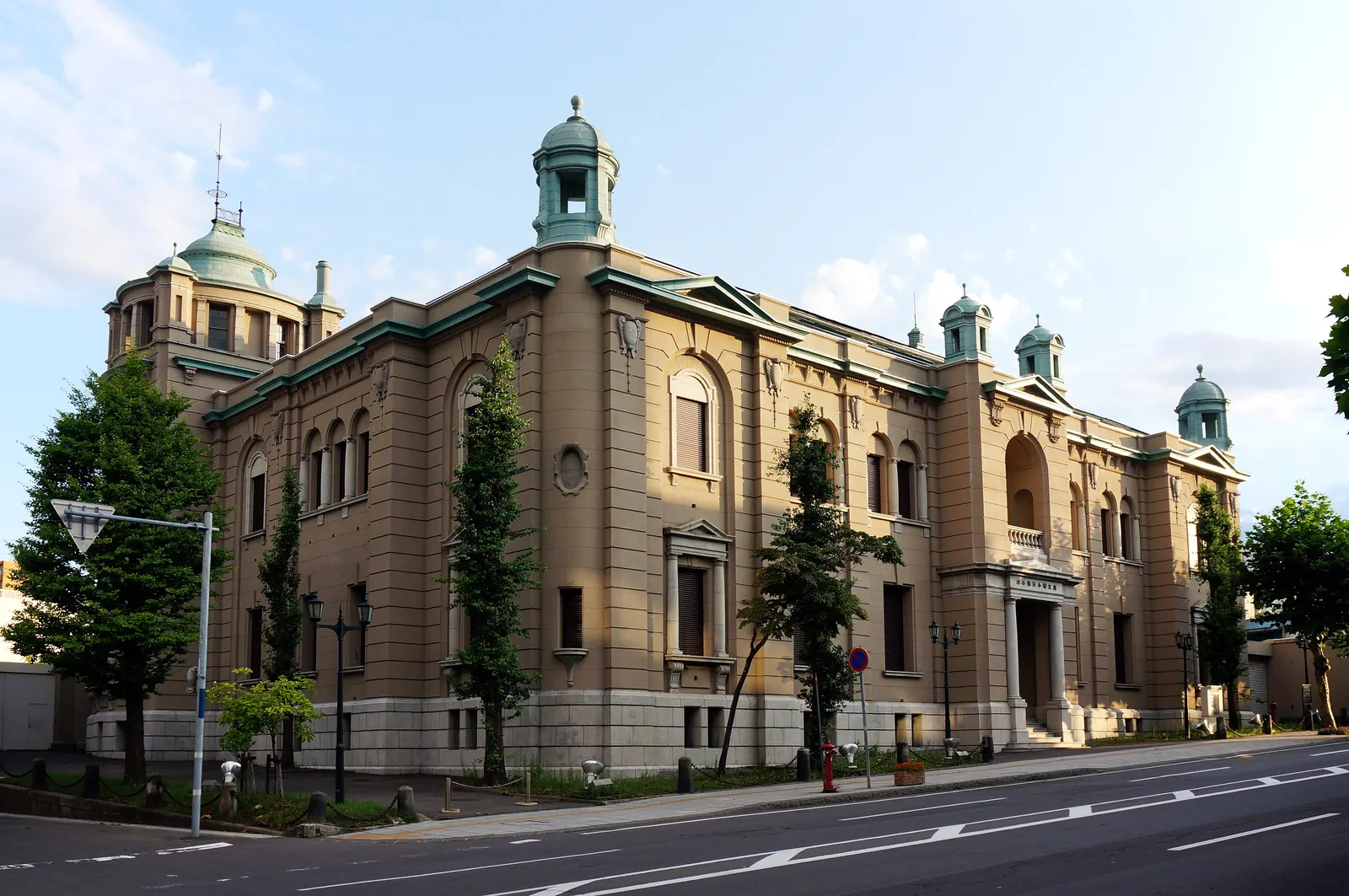 3 hr 30 min for both
When the herring were running, Otaru was the financial centre of Hokkaido and Nichigin-dori held branch after branch in cut stone.
See the detail →No typing needed — jump straight in:
Just docked? — the gangway toolStart from your shipThe ride from every berthAsk the editorGlossary