
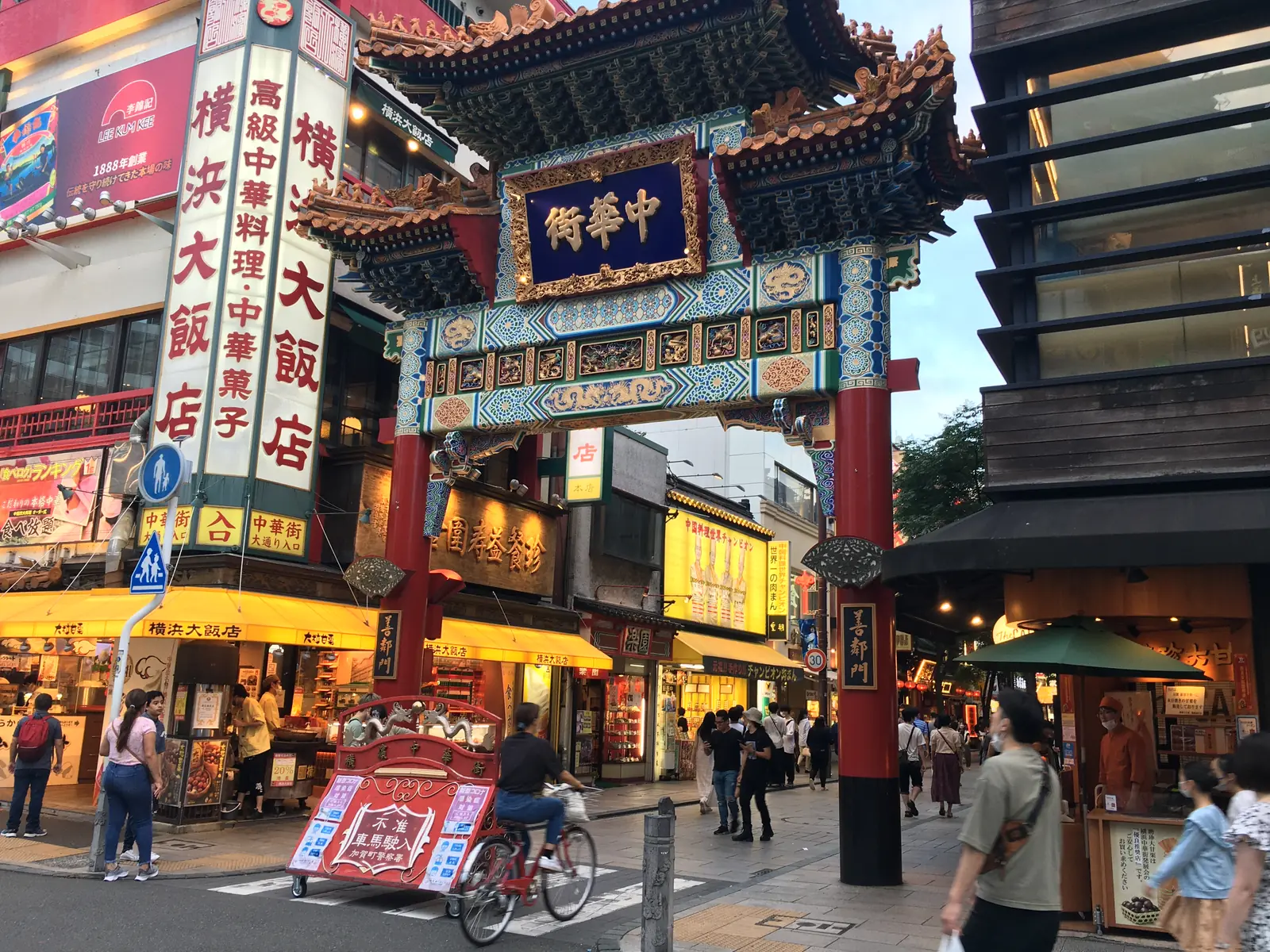
 Photo: Nesnad / CC BY 4.0
Japan's largest Chinatown, and it exists for a specific reason: when the port opened in 1859, Western firms and Japanese merchants could not understand each other, but Chinese clerks could read the same characters as the Japanese. The trading houses brought them, they brought their families, and the quarter has never left.
Ten decorated gates mark it. At the centre is Kanteibyo, a temple to Guan Yu — worshipped as the god of commerce because he was famously incapable of breaking a promise, which is a pointed choice for a district built by middlemen.
Five things the plaques won't tell you
- Do not sit down at the first place with an English menu. This is a walking-and-eating district.
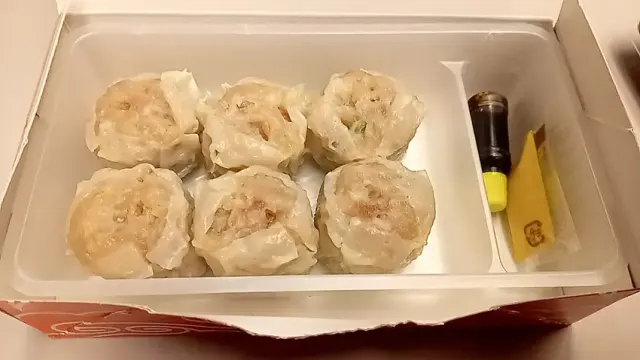
- Butaman from a street steamer, then Kiyoken shumai, then tanghulu. In that order.
- Sanma-men — ramen under a thickened vegetable stir-fry — was invented in Yokohama and is on few tourist menus.
- Chinese New Year, late January or February, brings firecrackers and a lion dance through the shops.
- The gates are worth reading: the four cardinal ones carry the guardian beasts of the compass.
At the centre is Kanteibyo, a temple to Guan Yu — worshipped as the god of commerce because he was famously incapable of breaking a promise, which is a pointed choice for a district built by middlemen.
Guided days from Yokohama
Booked before you sail — there is no tour desk at the pier. Booking through these links supports the site.
 5.0★ · 76 reviews
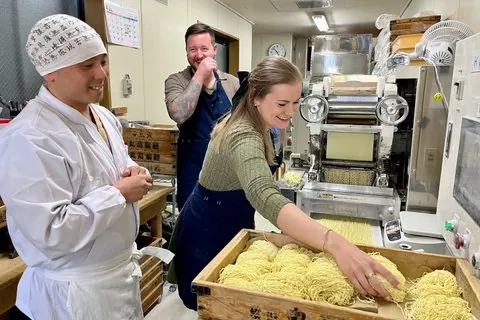
Yokohama Ramen Adventure near Tokyo: From Factory to Home Cooking
From US$162.
Why we list it →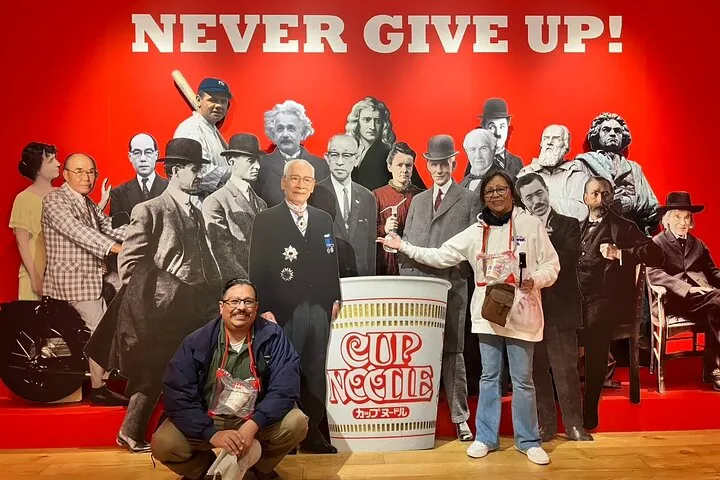 4.9★ · 49 reviews
Yokohama: Guided Cup Noodles Museum Tour & Make Your Own Cup
From US$61.
Why we list it →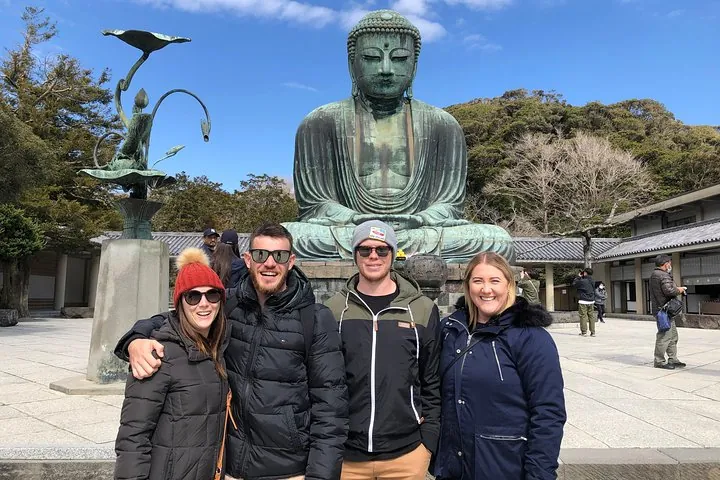 5.0★ · 46 reviews
Kamakura Customized Private Tour in 1 Day, Licensed Guide
From US$152.
Why we list it →More in Yokohama
Questions people ask here
How far is Chinatown from the Yokohama cruise terminal?
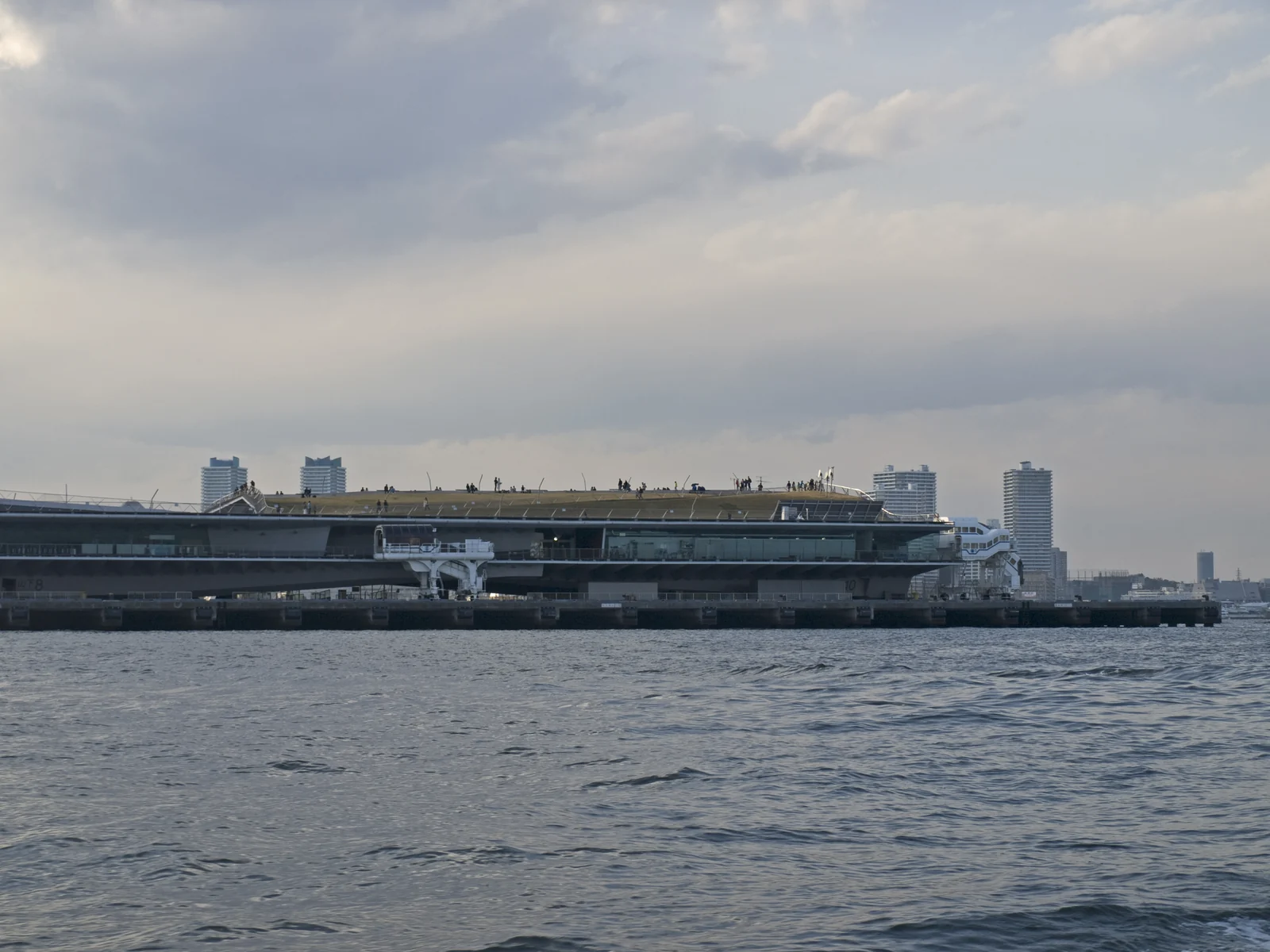
About fifteen minutes on foot from Osanbashi Pier, entirely flat. From Daikoku Pier use the cruise-line shuttle or a taxi. From Shinko Pier it is about 25 minutes on foot.
What is worth eating in Yokohama Chinatown?
Eat standing: butaman pork buns from a street steamer, Kiyoken shumai, and tanghulu candied fruit. If you want the genuinely local dish, look for sanma-men — ramen under a thickened stir-fry of pork and bean sprouts, invented in this city and rarely on tourist menus.