Pick your hours and you get a finished day — every step timed from the gangway and back, and each route says how much room it leaves you before all-aboard. Swap anything you don't fancy.
Round trips are measured from the gangway and include getting back. Two stops in the same direction overlap, so a real day usually comes in under the total you see, never over it.
The one rule: be back on board 60 minutes before all-aboard — every day above already banks it.Phones auto-switch to local time, but all-aboard runs on ship time. Check the daily programme's clock, not your lock screen.More to pick from on the Yokohama guide and theTop 10.
MY SHIP DAY — fill this in before you walk off
Ship
Date
Docked at (berth)
All-aboard (SHIP time)
My deadline = all-aboard − 60 min
Last shuttle back
Phones auto-switch to local time; all-aboard runs on ship time. Write both if they differ.
GETTING AROUND — the facts that don't change by day (today's times: ship's program or Google Maps)
Yokohama Station: ① Walk 7 min to Nihon-odori station — exits 3/4 face the pier ② Minatomirai line to Yokohama Fare ¥230 (IC ¥224). every ~5 min.
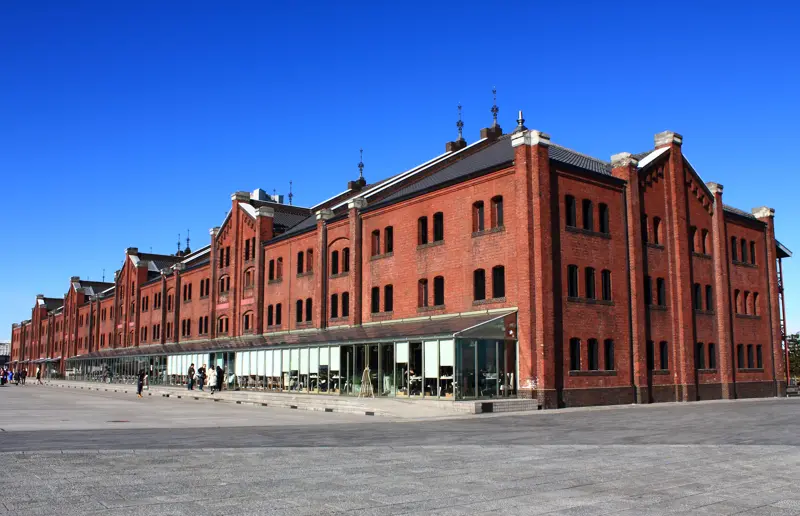
Chinatown & Minato Mirai: Everything is on foot from Osanbashi — Chinatown ~15 min, the Red Brick Warehouses ~15 min, Nihon-odori station 7 min
SHOW THIS TO A TAXI DRIVER — 運転手さんへ
Please take me back to the cruise ship (Yokohama port)
クルーズ船乗り場までお願いします
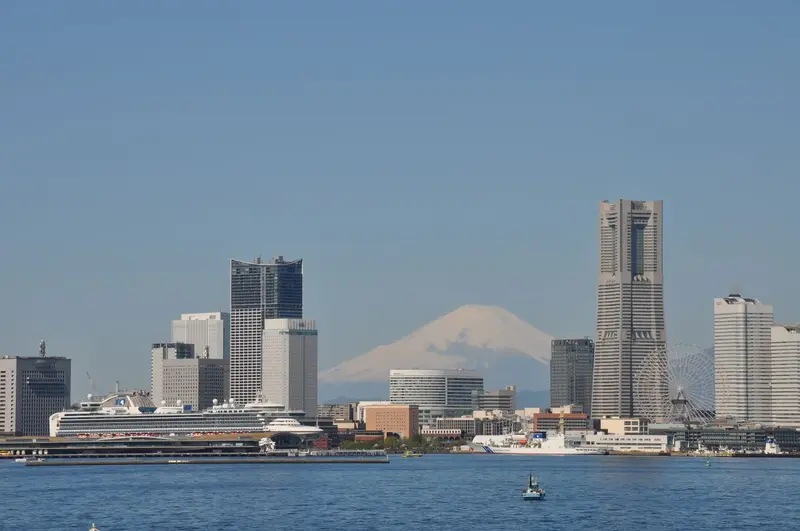
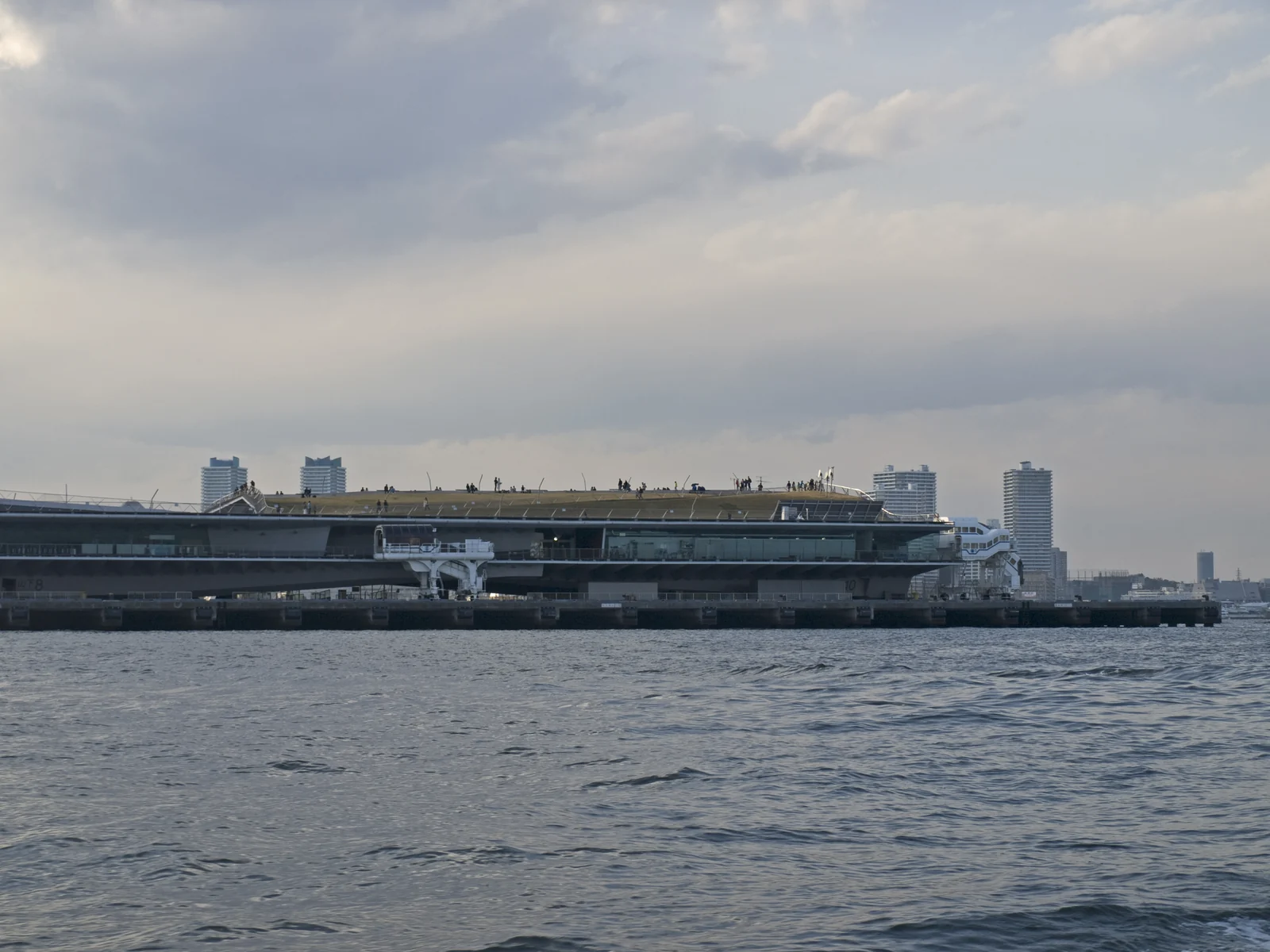
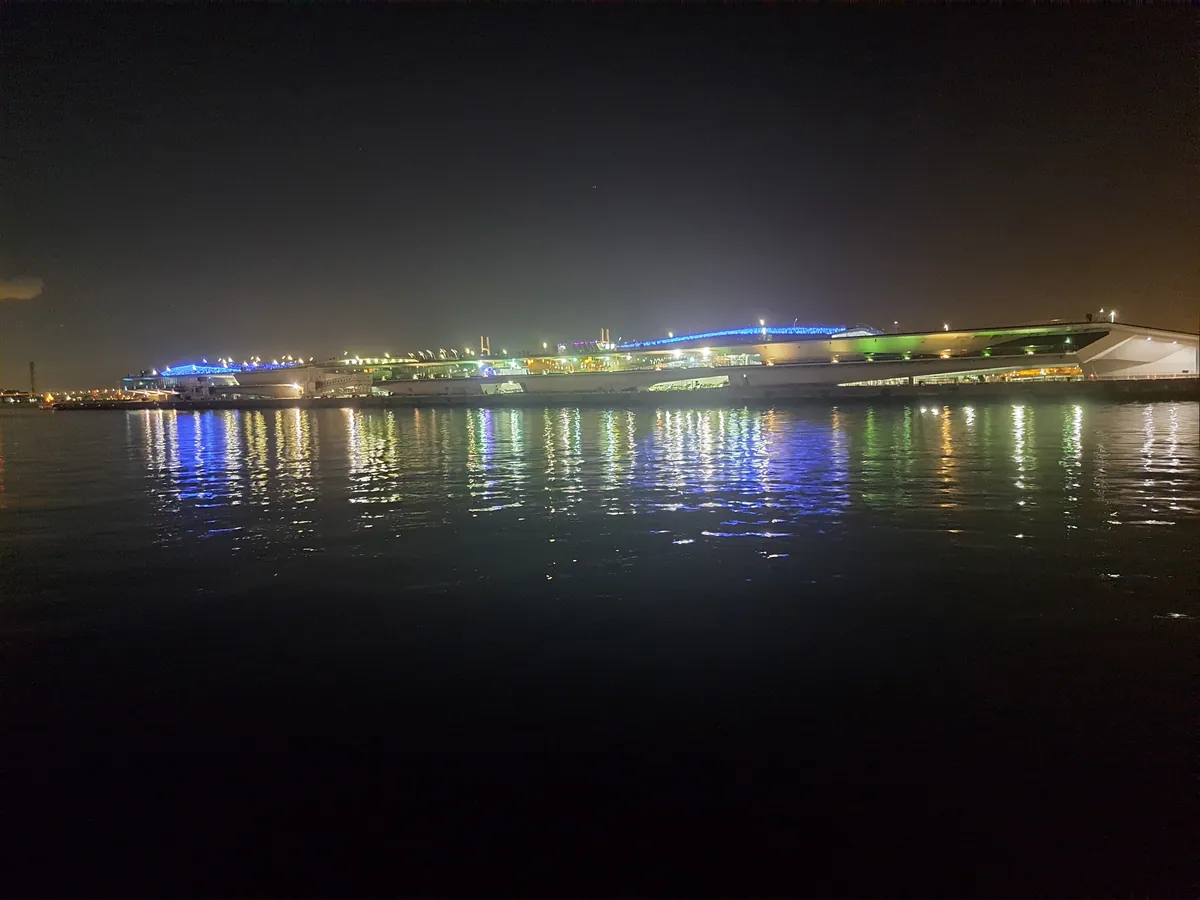
Osanbashi decks & Minato Mirai
大さん橋
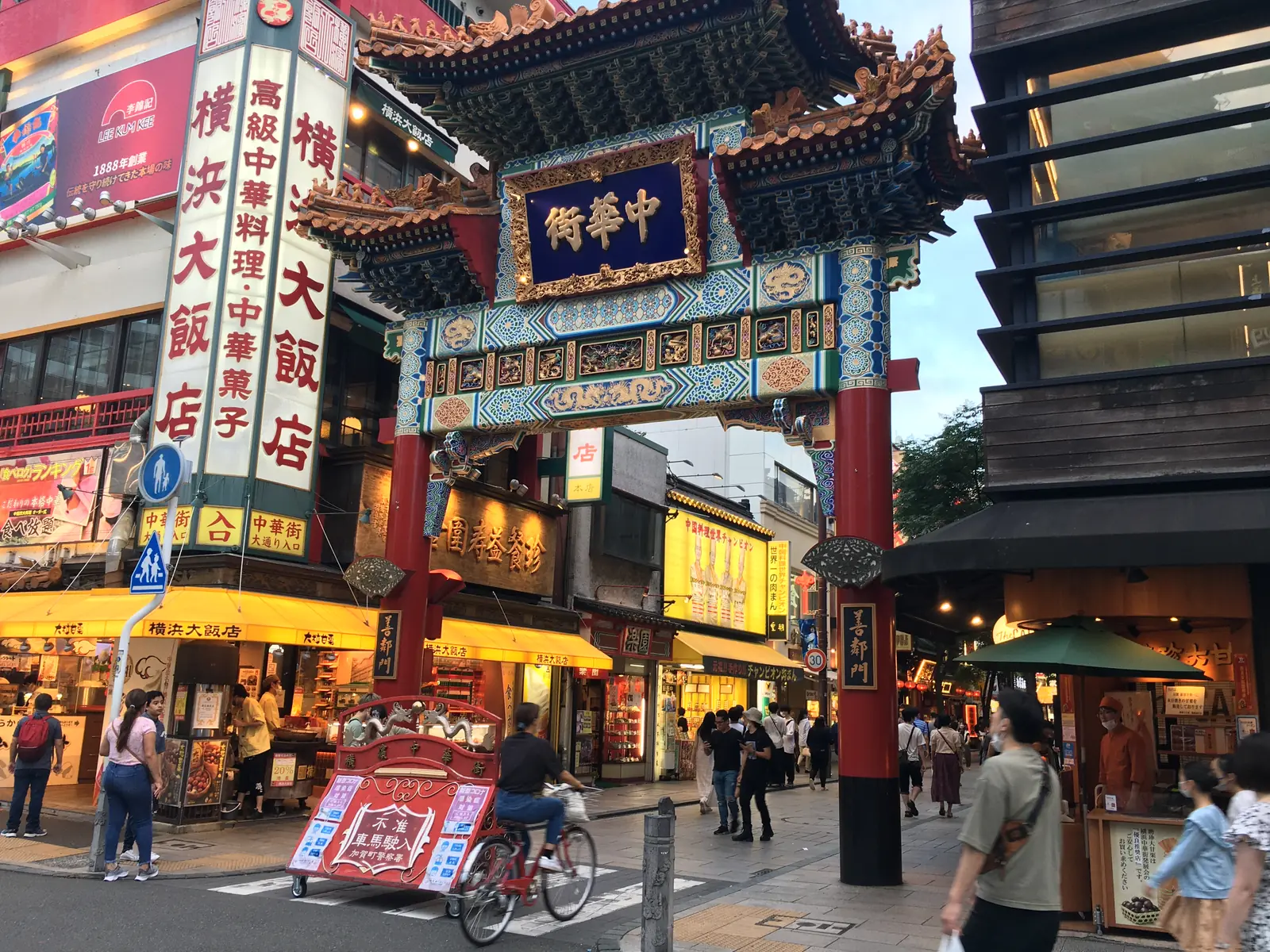
Chinatown, 600 shops deep
横浜中華街
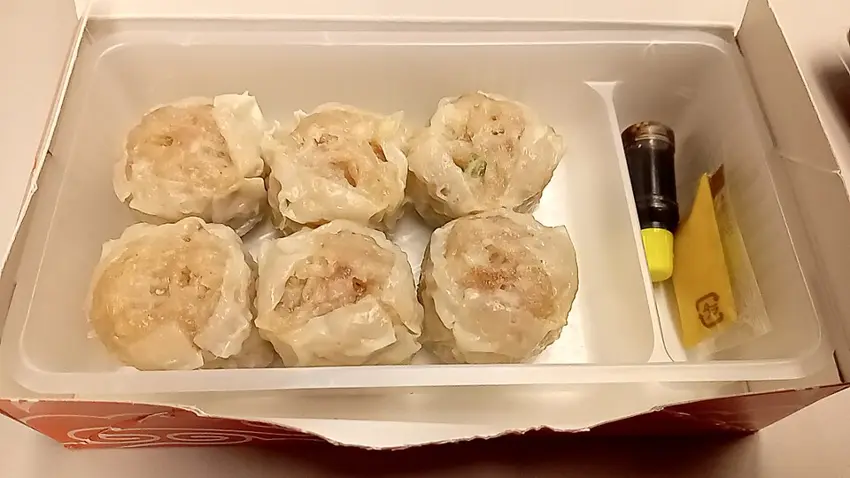
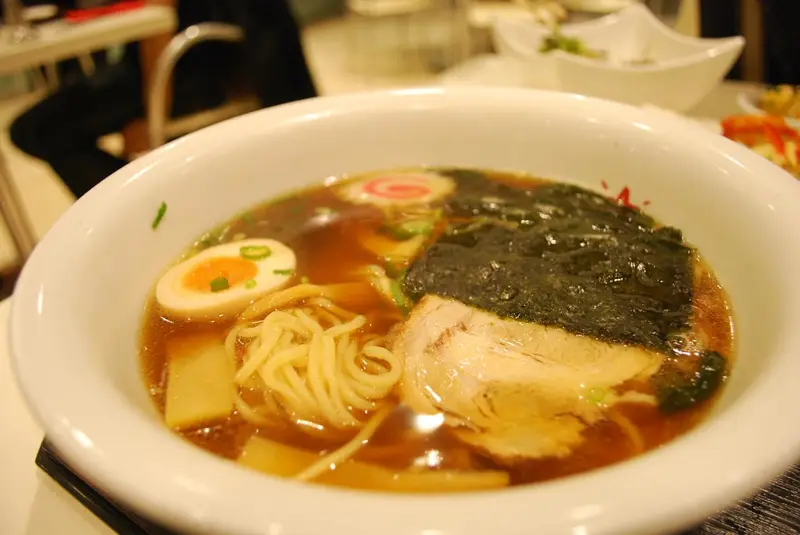
Shumai at Kiyoken
崎陽軒本店
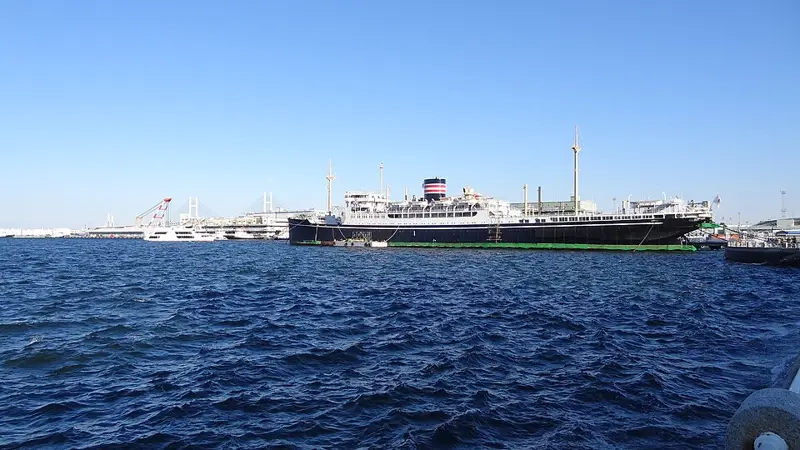
Yamashita Park & Hikawa Maru
山下公園
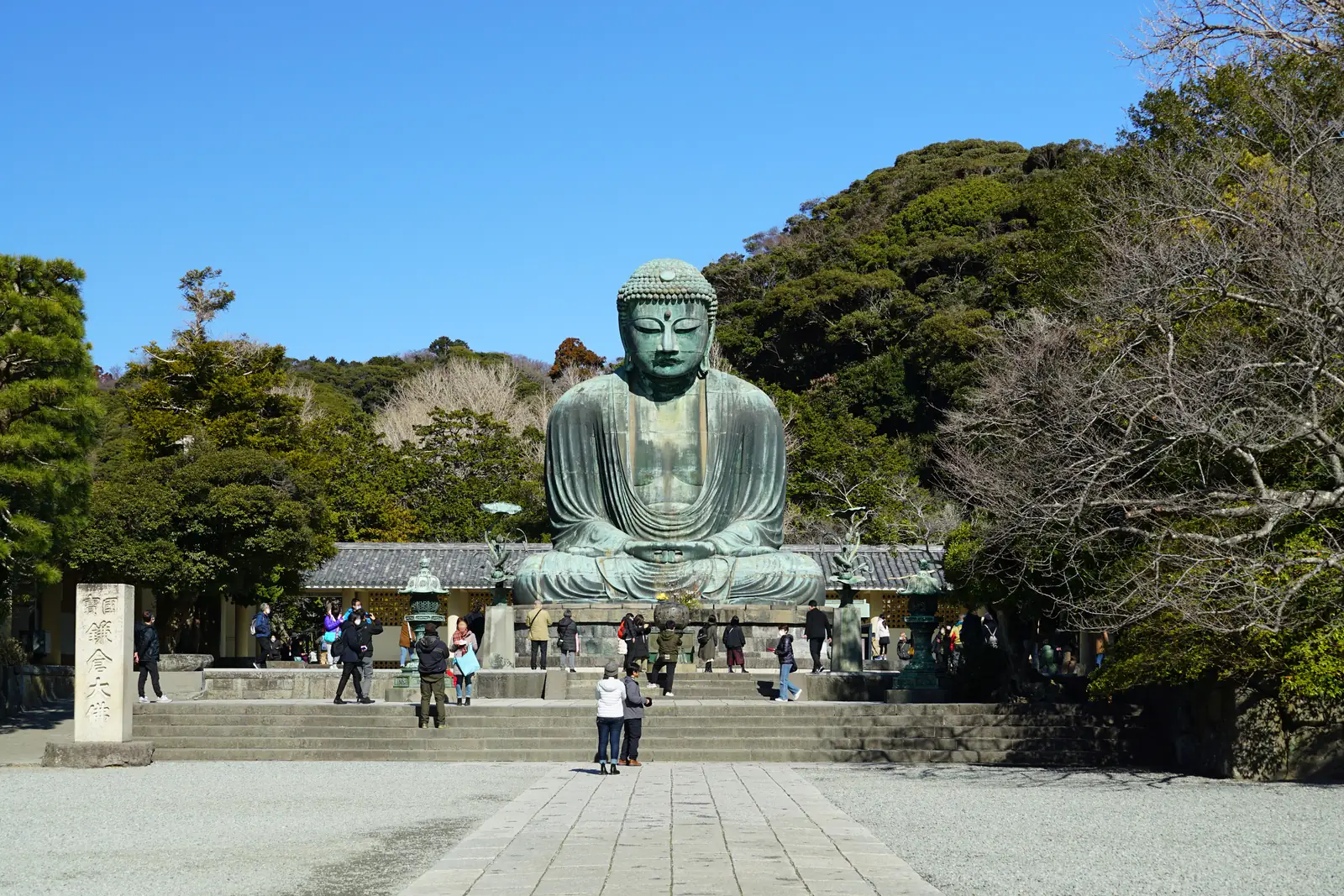
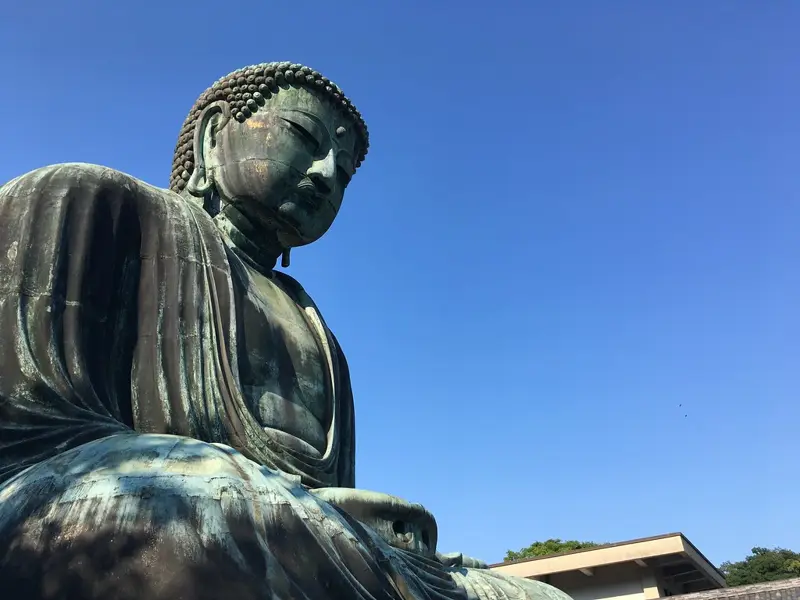
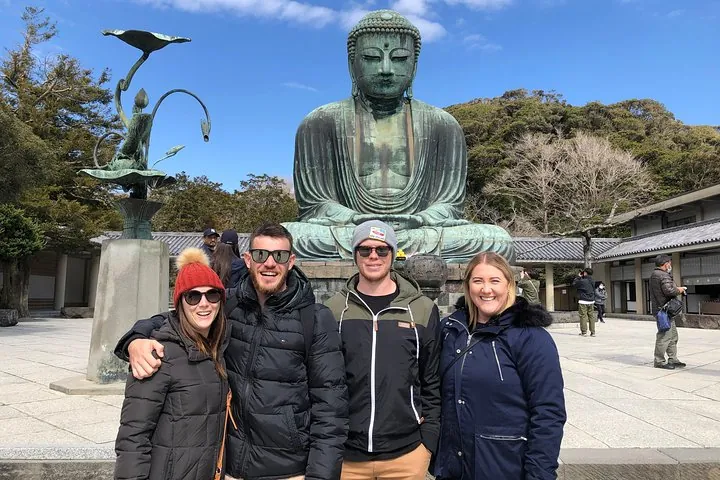
Kamakura Great Buddha
鎌倉大仏
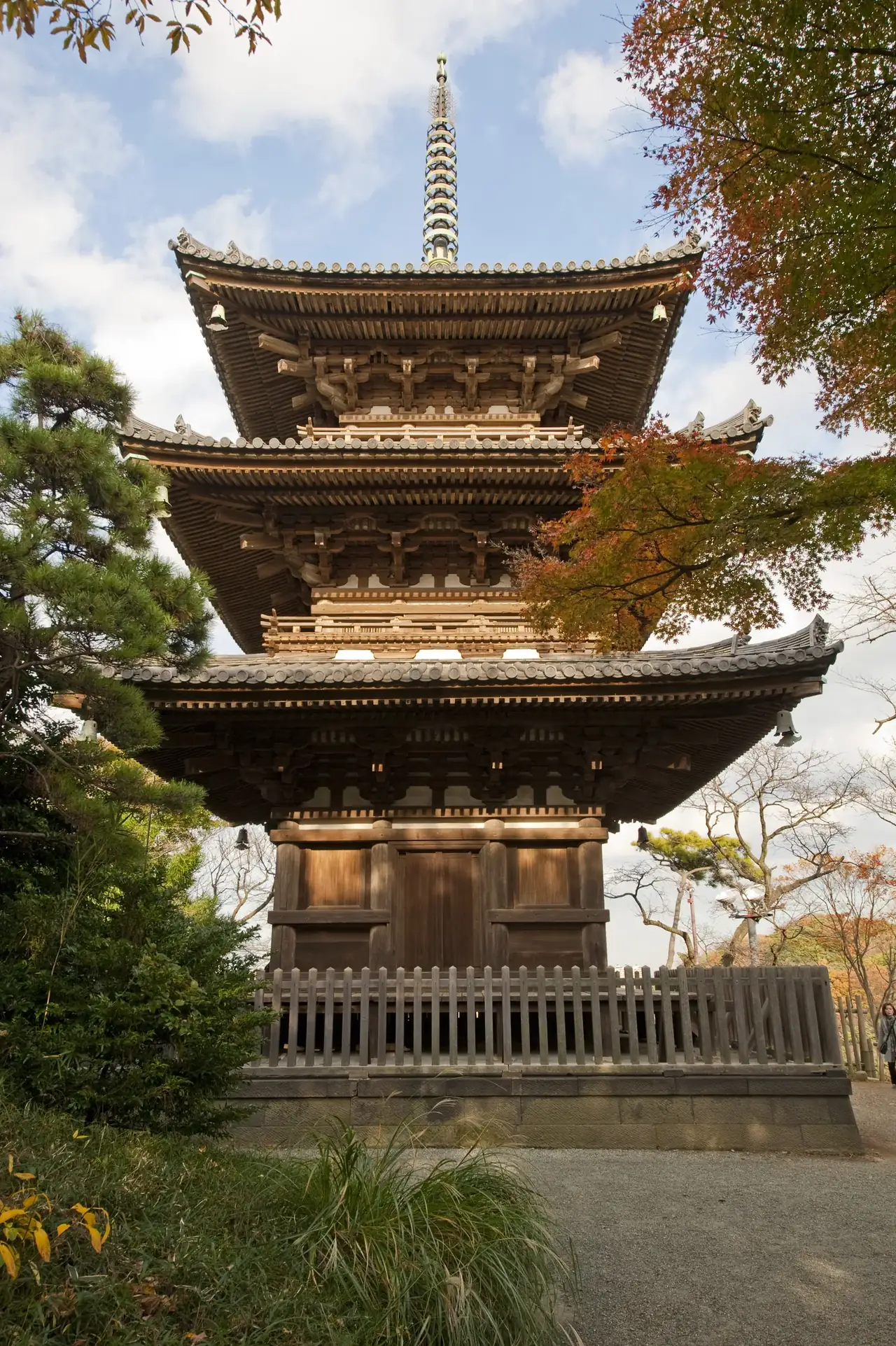
Sankeien garden
三渓園
Point at a line. Taxis are metered and honest; tipping is not expected in Japan.
THE TWO-MINUTE PORT TALK — read aloud at breakfast
The village that became the door. The treaty said Kanagawa. The shogunate built the port at Yokohama instead — a fishing village of about a hundred households, safely off the highway, where foreigners could be watched. It worked, and then it worked far too well.
Where Japan tried everything first. For about forty years, everything foreign entered Japan through one gate. The result is a city where you can still eat, drink and walk through the moment each thing arrived — and several of them were invented here rather than merely imported.
Silk. For half a century, one commodity dominated Japan's exports and one port shipped almost all of it. Silk bought the railways, the warships and the factories — and one silk merchant spent his share on moving ancient buildings into a garden you can walk through.
Chukagai. About five hundred shops and restaurants in roughly a fifth of a square kilometre — the largest Chinatown in Japan and one of the largest in Asia. It exists because when Britain and Japan tried to trade, neither could read the other, and Chinese clerks could read both.
The one rule: be back on board 60 minutes before all-aboard — every plan above already banks it. · Free guide: port-of-japan.com/yokohama/ · By Takumi Yamada, Tokyo, Japan