
 1 / 4
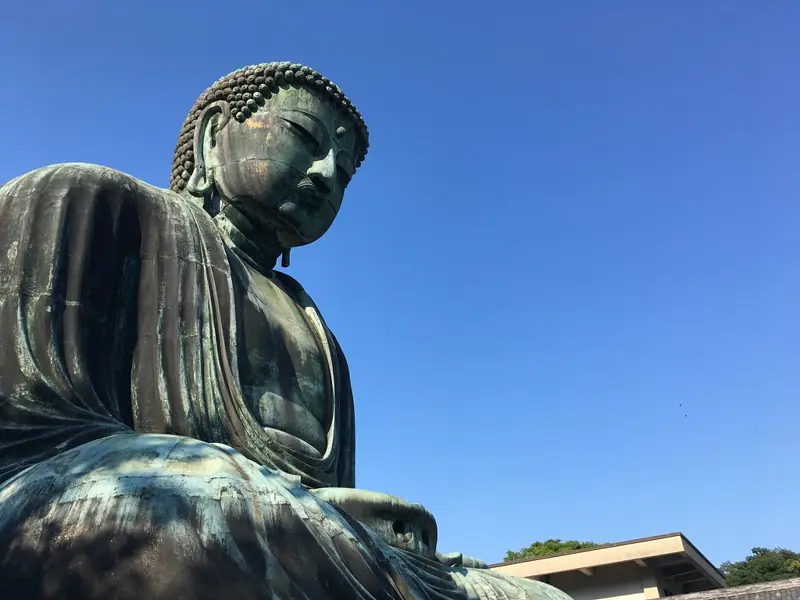
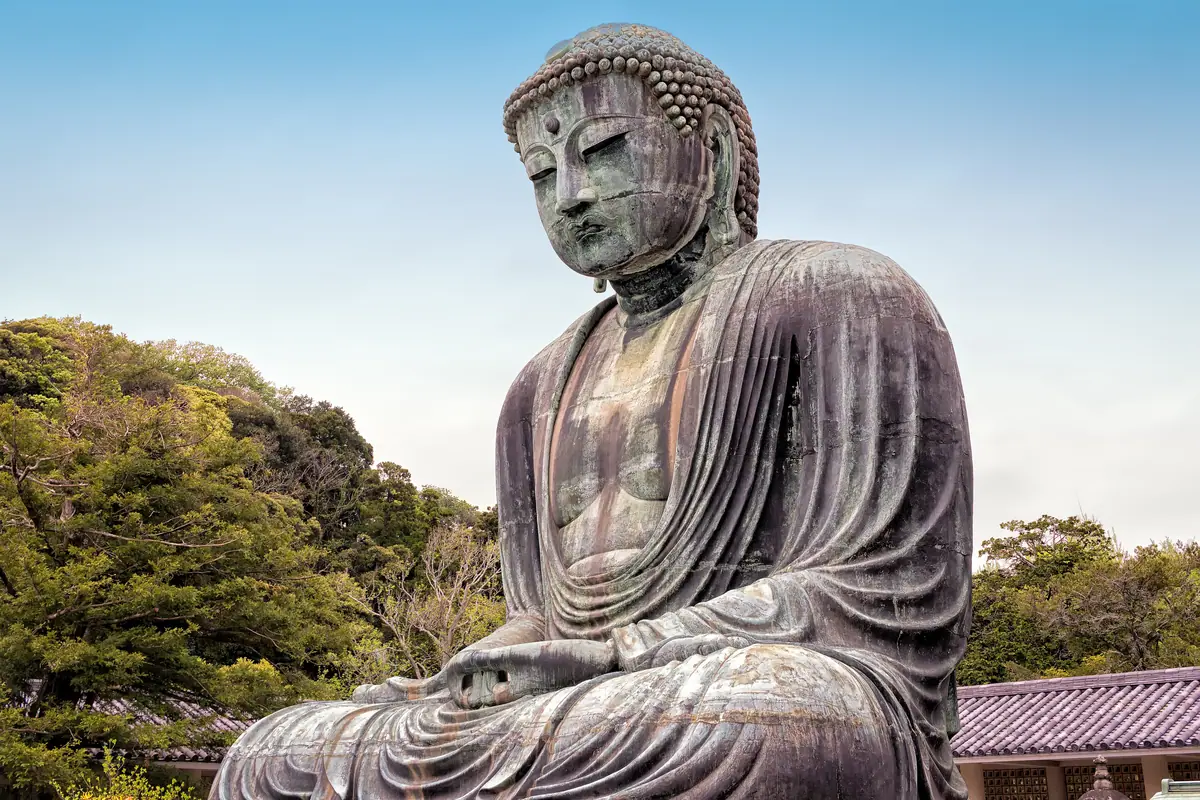
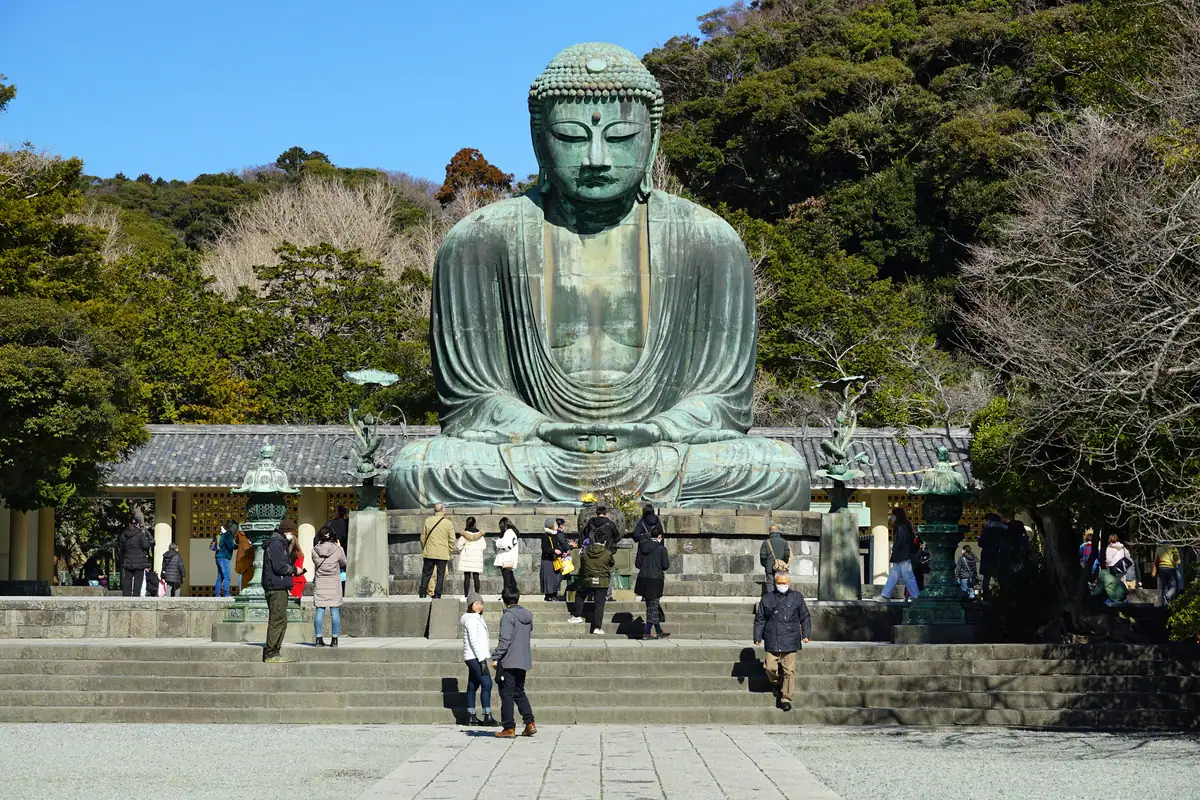
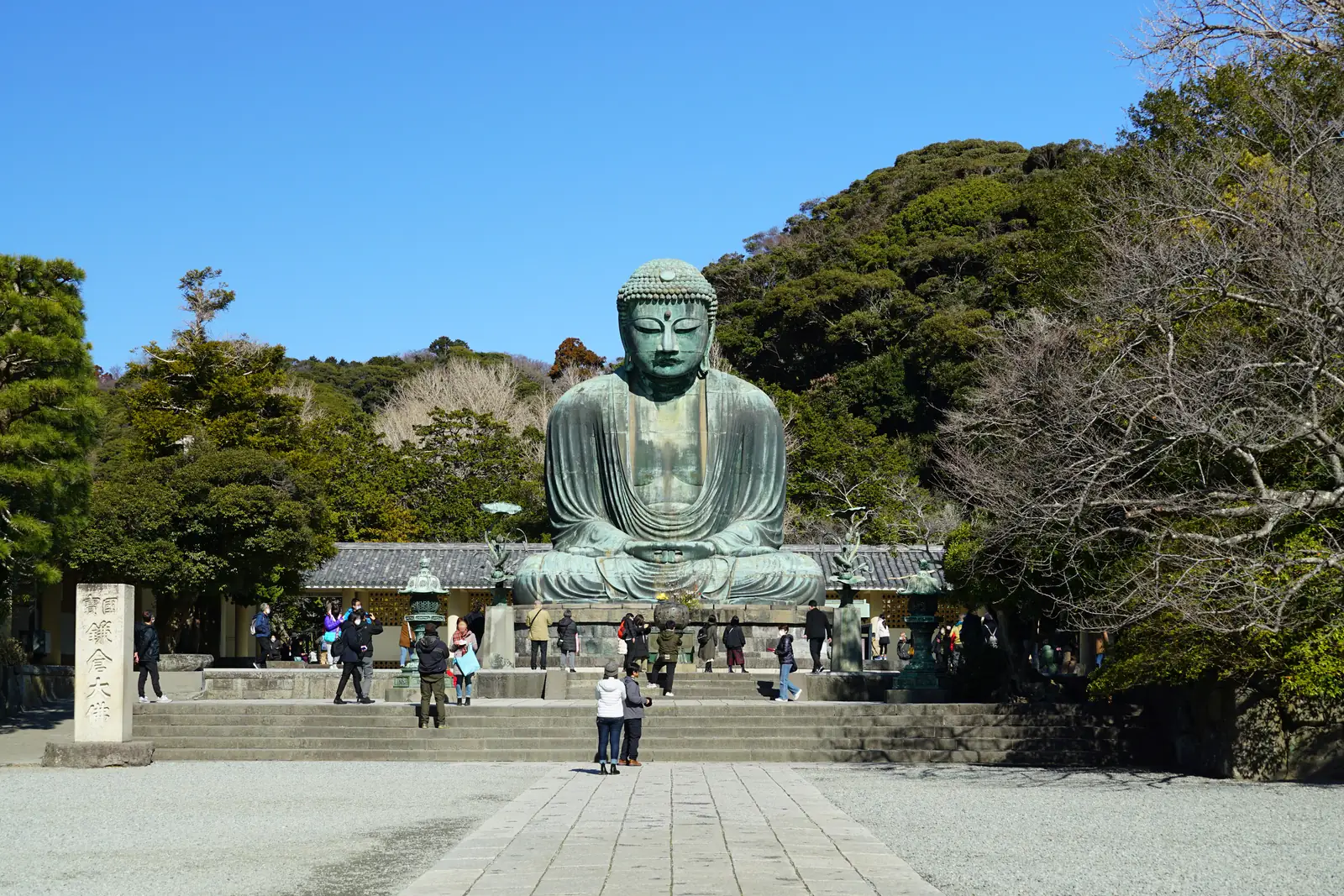
Kamakura Great BuddhaPhoto: okoysm / CC BY
Tap a photo to see it large. 4 photographs, every one credited.
Checked against official sources · updated · Takumi Yamada
The 750-year-old bronze Buddha sits in open air an hour south — pair it with Hasedera’s hillside temple. Only for confident train users with full-day calls.
- On a 4–6h ashore call our verdict is "Tight" — possible for the great buddha alone if you leave the ship the moment you are cleared and start back from hase at least 2 hours 15 minutes before all-aboard (the ride is 1 h–1 h 15 min and the last hour stays free). no hasedera.
- Grounds 8:00–17:00 (Oct–Mar), 8:00–17:30 (Apr–Sep); the statue interior 8:00–16:30 — entry up to 15 min before closing, interior up to 10 min before. no closing days listed. no reservation needed..
- 6 hr door to door needs an 8-hour call: a 2–3 hour stop cannot hold it. Pick something closer instead.
- No single published ride covers this one. Budget for a taxi both ways, or fold it into a guided day.
Why Kamakura Great Buddha is famous
The Great Buddha of Kamakura is 11.3 metres of bronze, cast in 1252, and has sat in the open since a tsunami took its hall away in 1498. It is hollow and you can go inside. Kamakura was Japan's political capital for 150 years, and this is its most complete survivor.
The Great Buddha of Kamakura is a National Treasure, and the temple (Kotoku-in) says it is unusual among Japan's big Buddhas because it sits in the open air. It stands about 11.3 metres tall and weighs around 121 tonnes, and its construction began in 1252. It is the image on the front of half the guidebooks about Japan, and it is an easy line from Yokohama.
What you actually do is simple. You pay at the gate, walk up to the statue across a gravel forecourt, and look. For a further ¥50 you can step inside the hollow bronze, which most passengers find a better souvenir than the photograph. The temple says the hall that once housed the Buddha was wrecked by typhoons in 1334 and 1369 and finally by the earthquake of 1498, which is why the figure now sits in the weather. Hasedera, with its tall eleven-faced Kannon and a lookout over the bay, is the usual second stop and is about a five-minute walk from Hase station.
The catch is the clock. This is a train-and-train-and-tram day, not a stroll, and the ride is only cheap if you have a firm return time. Kamakura is also a busy weekend town. On a call shorter than about eight hours we would not go; stay in Yokohama and spend the saved ninety minutes at Chinatown or Yamashita Park instead.
Things worth knowing
- Take the JR Yokosuka line from Yokohama to Kamakura (the Kamakura tourism site gives about 25 minutes), then choose: the Enoden tram to Hase (about 5 minutes, the temple says) or the bus from the Kamakura East Exit to Daibutsu-mae (about 10 minutes).
- The Great Buddha is a seven-minute walk from Hase station (the temple's own figure). Hasedera is about five. Do both on foot and you need no bus at all.
- Hasedera's last entry is 16:30 from July to March (17:00 April–June), so the Buddha first and the temple last is the order that works on a late-October or November call.
- Stepping inside the Buddha costs ¥50 extra and the interior shuts at 16:30. If you want it, do it first.
Questions people send us
How do I get from Yokohama cruise terminal to the Kamakura Great Buddha?
From Osanbashi, walk about 5 minutes to Nihon-odori station, ride the Minatomirai line to Yokohama (¥230), take the JR Yokosuka line to Kamakura (about 25 minutes, per the Kamakura tourism site), then the Enoden tram to Hase (about 5 minutes) and walk about 5 minutes to Kotoku-in. Nihon-odori to Hase takes about 45–60 minutes and costs ¥870 in all, so allow about 1 h to 1 h 15 min each way from the gangway.
How much does the Great Buddha cost, and can you go inside?
Entry to the grounds is ¥300 for adults (¥150 for children aged 6–12). Going inside the statue is an extra ¥50 per person. Hours are 8:00–17:00 from October to March, with entry up to 15 minutes before closing; the interior closes at 16:30. No reservation is needed.
Is Kamakura worth it on a Yokohama cruise call?
Only on a long call. We would use it for ships staying about eight hours or more. On a short call the train time eats most of the day; Yokohama's own waterfront and Chinatown are better value.
Routes that already include it
Each one is a finished day timed from the official timetables, with this stop in it. Read the route rather than assembling it yourself.
What to put beside it
Each of these still lands you back aboard with the hour to spare.
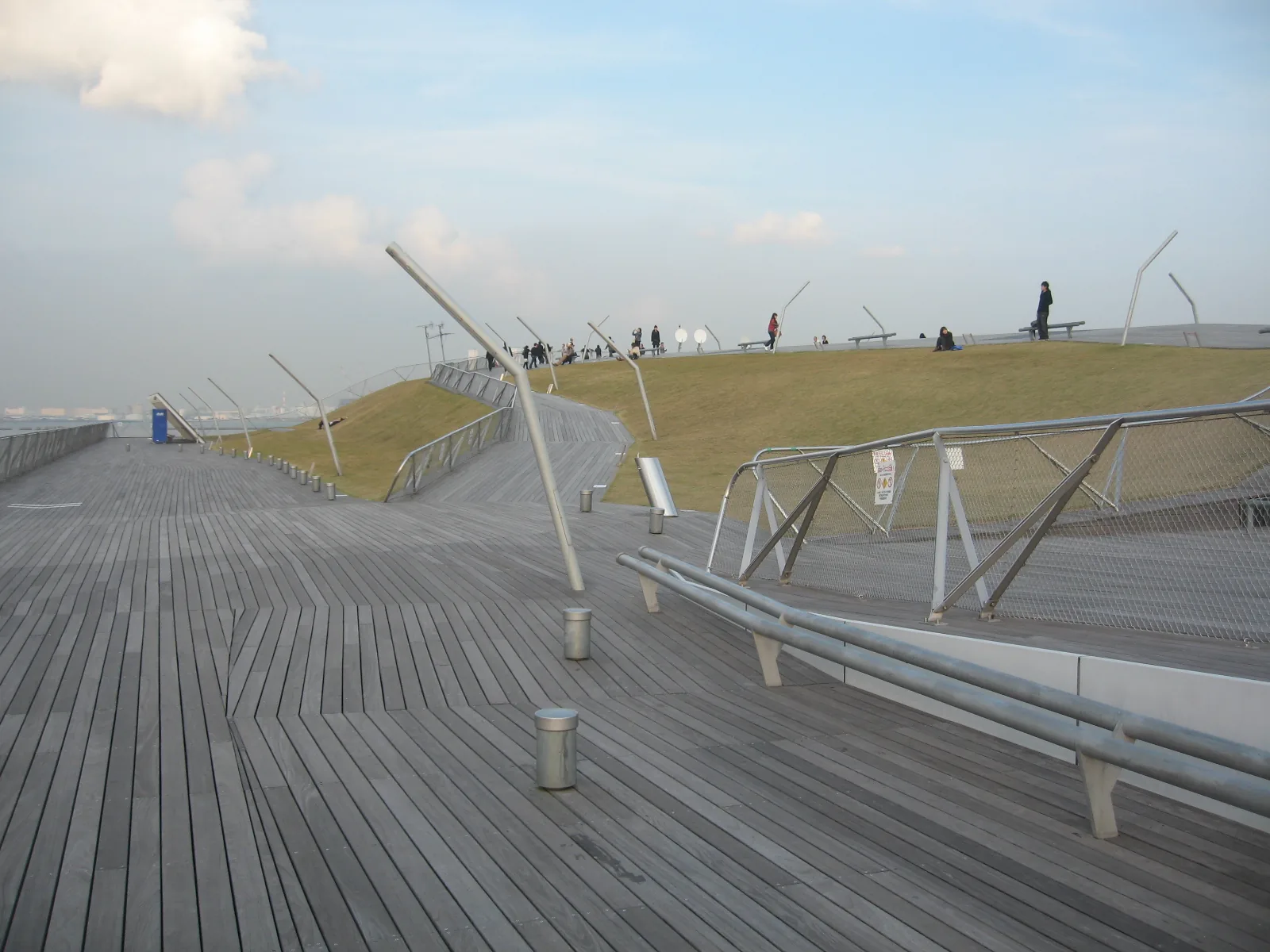 See · ~1.5h on foot
Osanbashi decks & Minato Mirai
Your pier is the sight: a whale-back of wooden decks with the full skyline arranged in front.
See the detail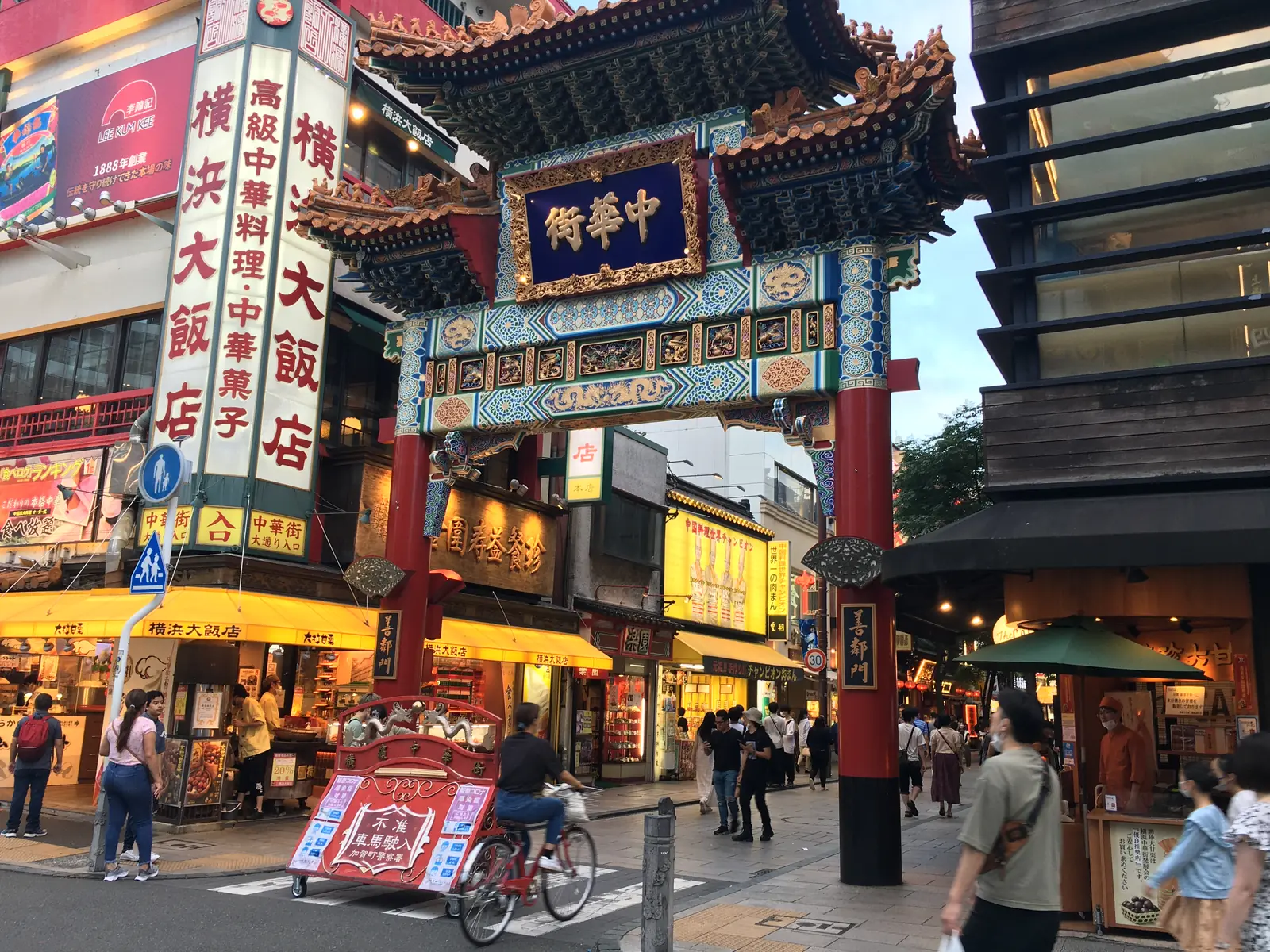 See · ~2h
Chinatown, 600 shops deep
Japan’s largest Chinatown — gates, temples and steam everywhere.
See the detail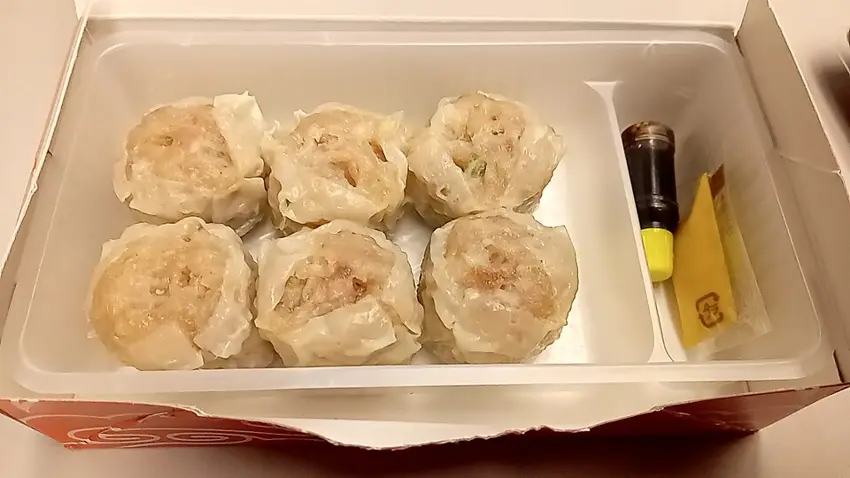 Eat · ~1h
Shumai at Kiyoken
The 1928 shumai (from a company founded in 1908) that every Japanese traveler associates with this city — the main store is at Yokohama Station, and on a port day the shop on Chinatown’s main street (10:00–20:00) is the one on foot.
See the detail