~2h — the round trip from the gangway, with the 60-minute margin kept aside.
Tap a photo to see it large. 9 photographs, each credited.
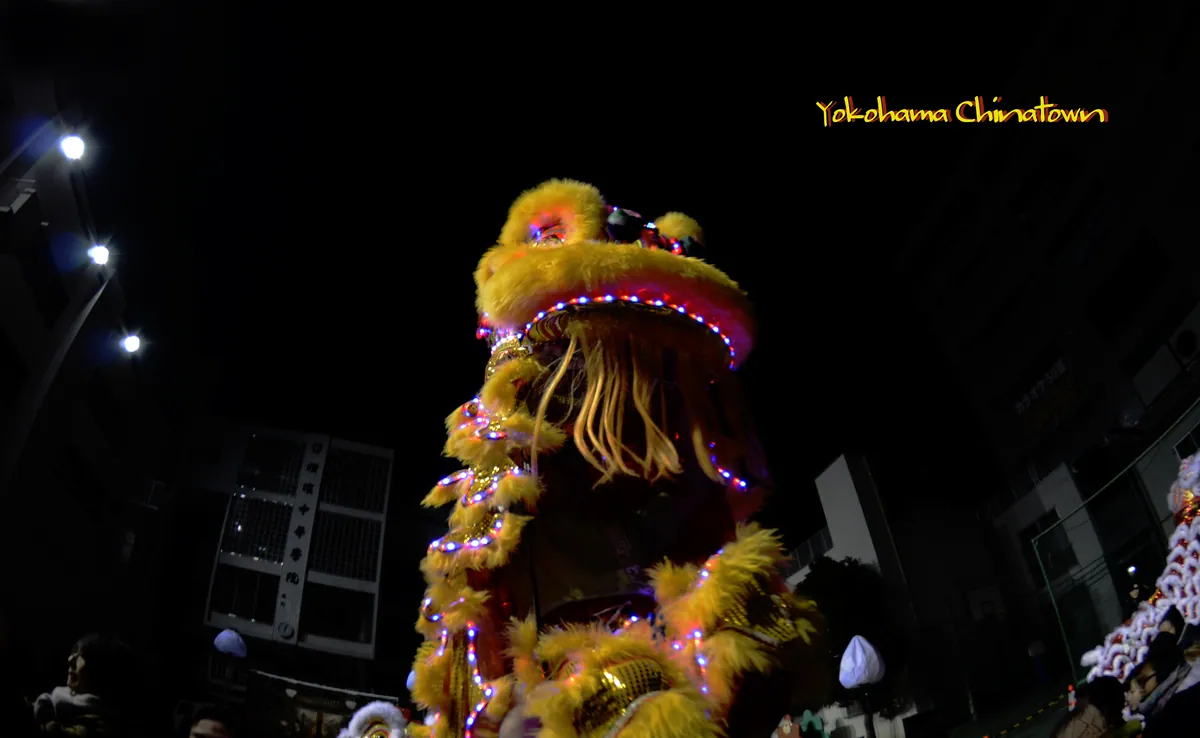
Japan’s largest Chinatown — gates, temples and steam everywhere. Grazing beats sitting: one bun, one skewer, one sesame ball at a time.
Japan's largest Chinatown, and the interpreters who built it
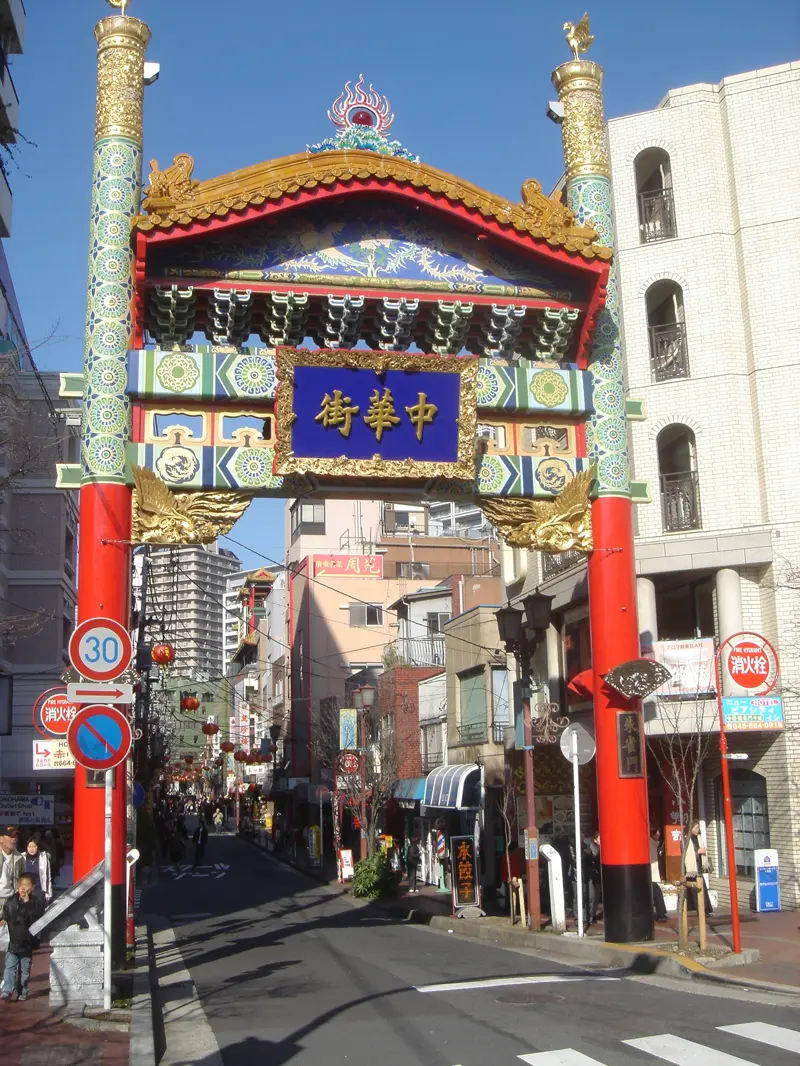
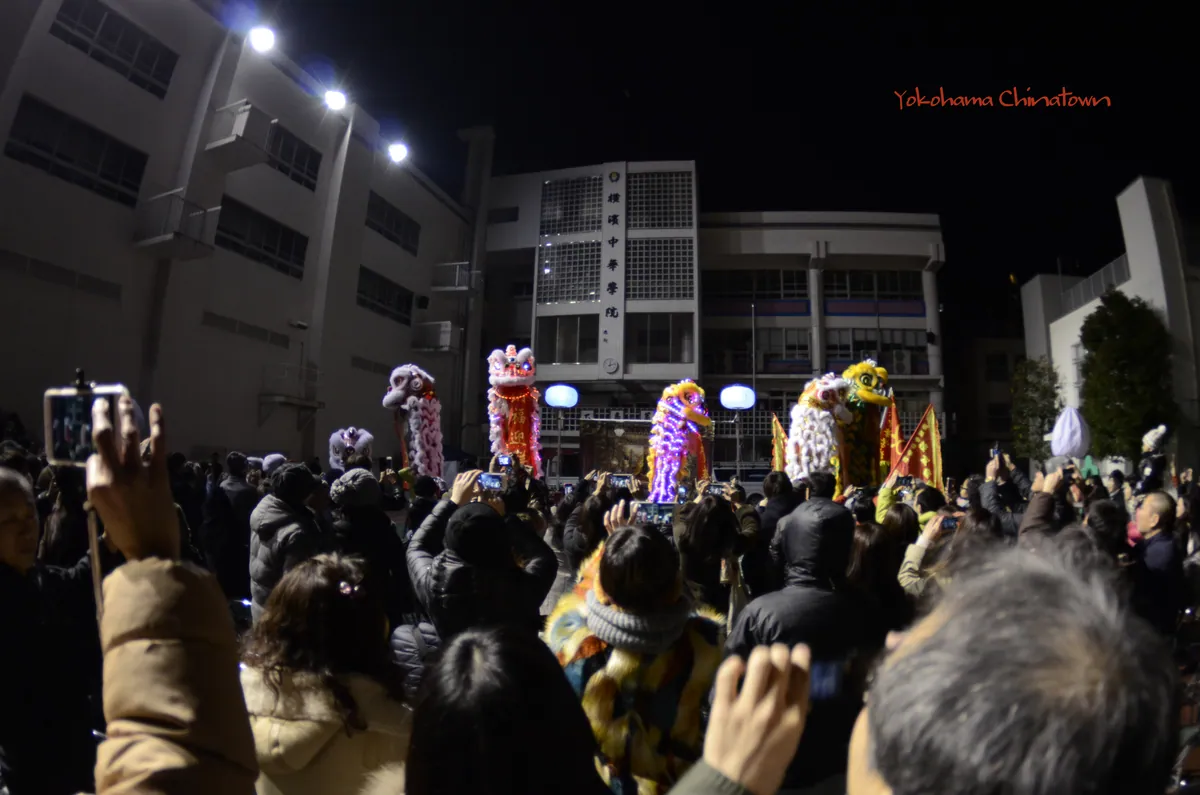
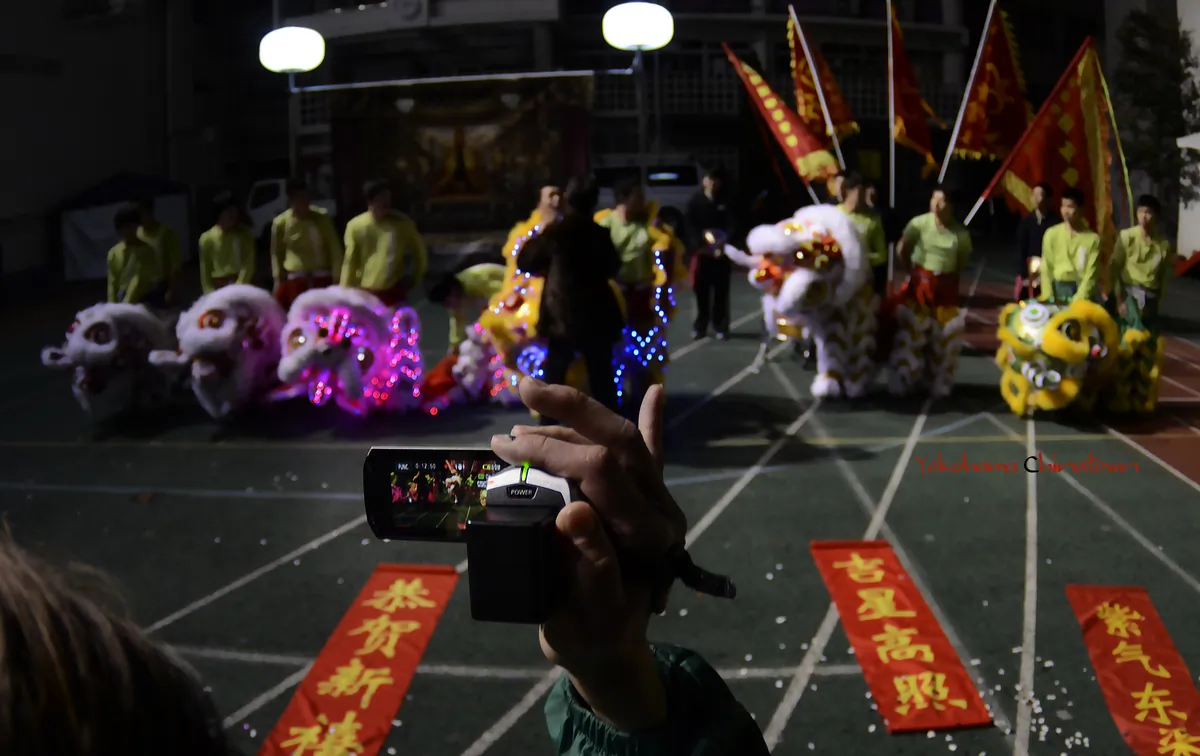
Yokohama's Chinatown grew from the 1859 opening of the port and is now the largest in Japan and among the largest in the world, with around 600 businesses in a few blocks. The gates are placed by direction according to Chinese geomancy, which is why there are so many of them.
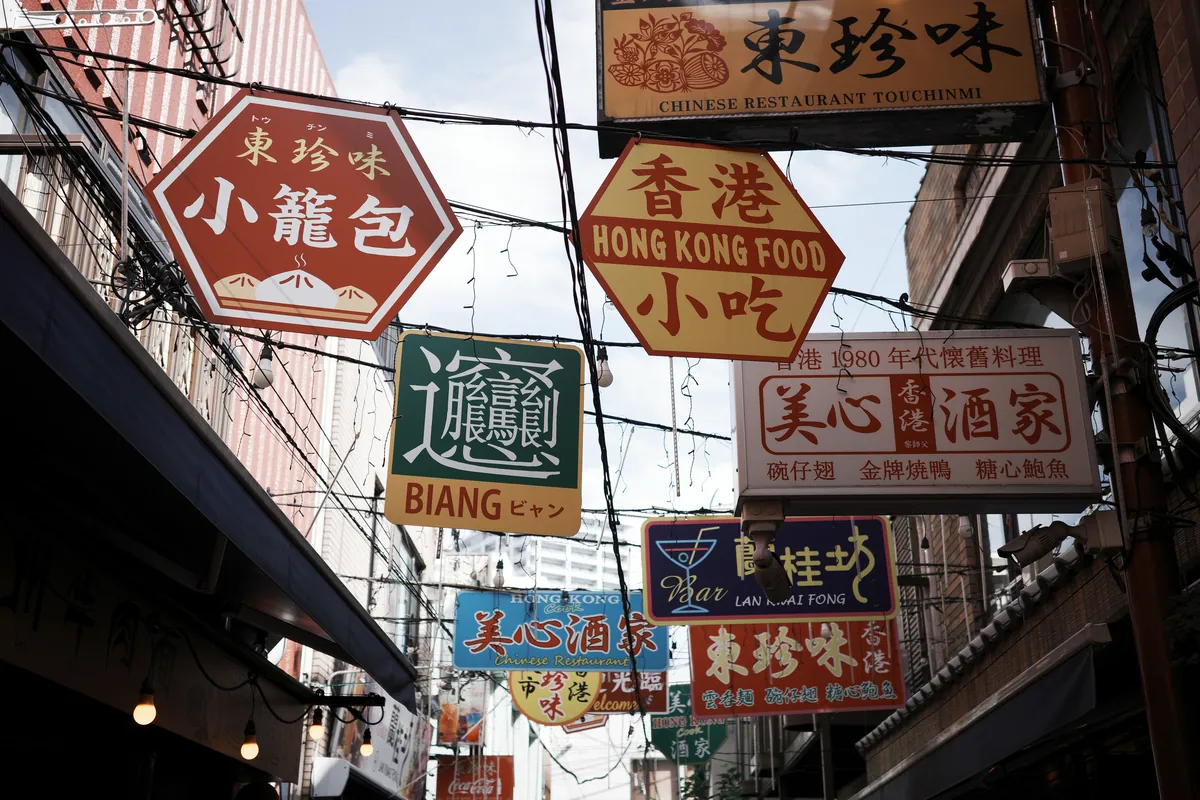
About five hundred shops and restaurants in roughly a fifth of a square kilometre — the largest Chinatown in Japan and one of the largest in Asia. It exists because when Britain and Japan tried to trade, neither could read the other, and Chinese clerks could read both.
Japan's largest Chinatown, and it exists for a specific reason: when the port opened in 1859, Western firms and Japanese merchants could not understand each other, but Chinese clerks could read the same characters as the Japanese. The trading houses brought them, they brought their families, and the quarter has never left.
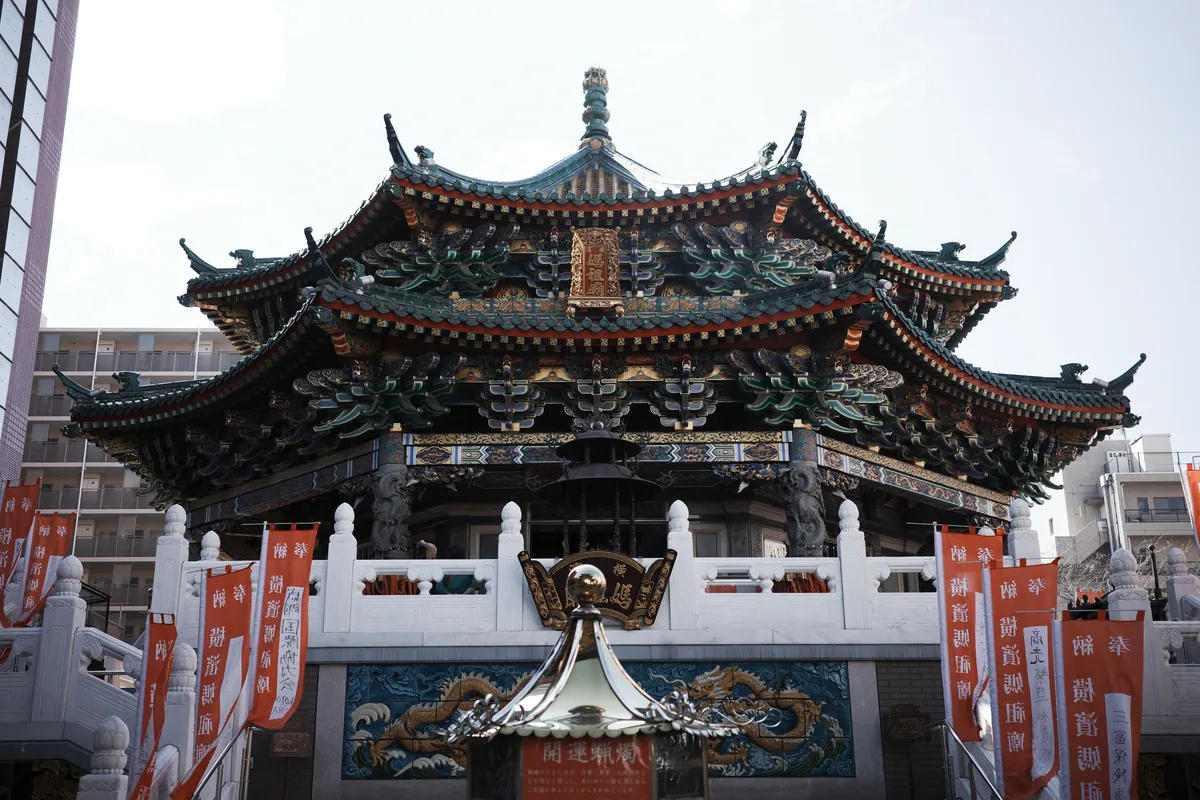
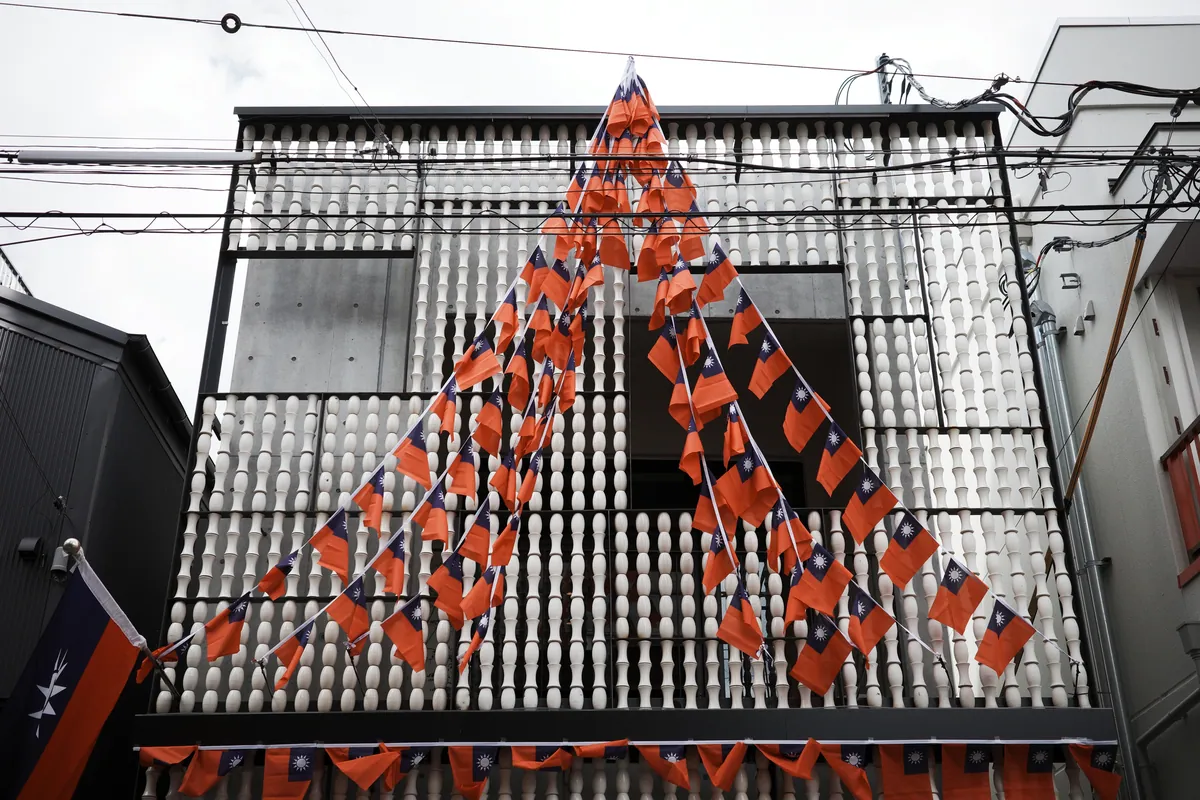
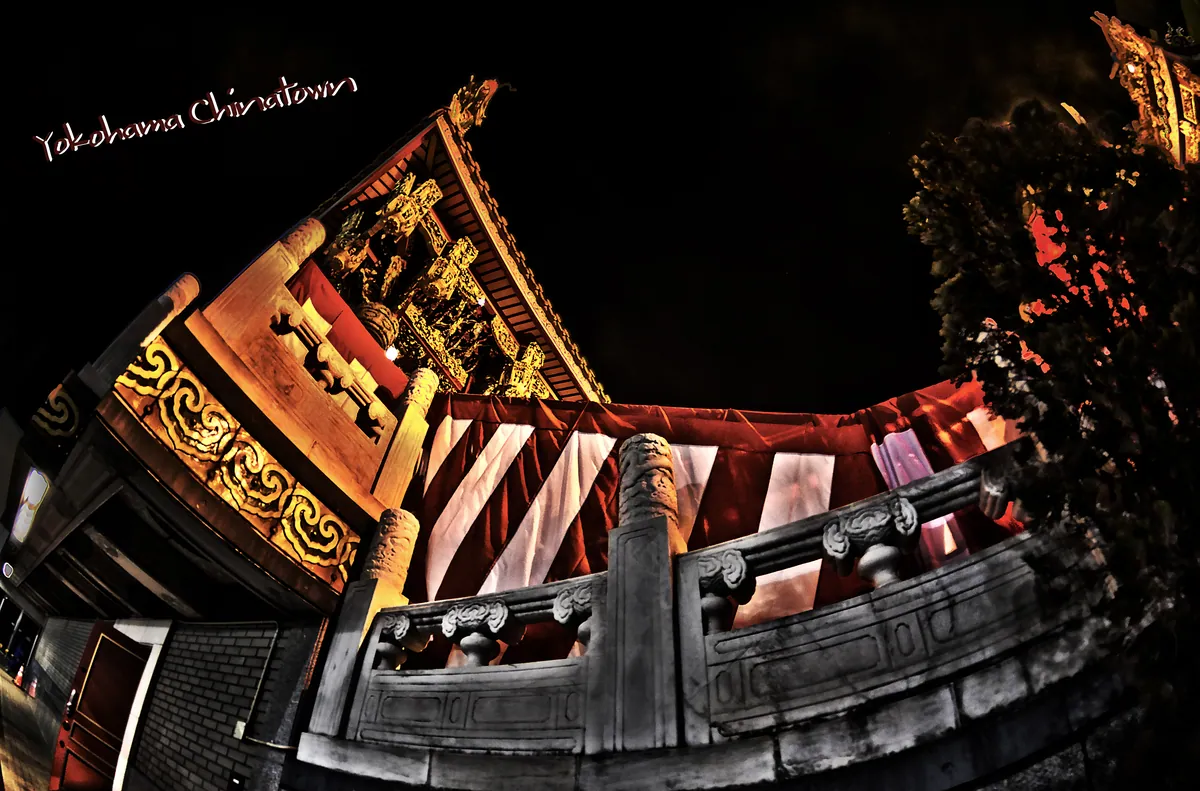
Ten decorated gates mark it. At the centre is Kanteibyo, a temple to Guan Yu — worshipped as the god of commerce because he was famously incapable of breaking a promise, which is a pointed choice for a district built by middlemen.
They can read kanji; the foreigners cannot
A temple to Guan Yu, god of commerce and kept promises
Its shumai becomes the Kanto region's signature souvenir
"Good neighbours" — a deliberate choice of words
Do not sit down. Butaman, then shumai, then tanghulu, walking. Twenty minutes on foot from Osanbashi.
Counted from the moment you step off the gangway. The hour before all-aboard is not in this bar; it is already set aside.
15 minutes each way is the honest figure for 15 min walk, not the optimistic one. If your ship is late, cut the 1 hr 30 min in the middle. Never cut the hour at the end.
Each of these still lands you back aboard with the hour to spare on a 6-hour stop ashore.
About twenty minutes on foot from Osanbashi Pier, entirely flat. From Daikoku Pier you must use the shuttle bus — there is no walking exit from that berth — so check the return timetable before you set out.
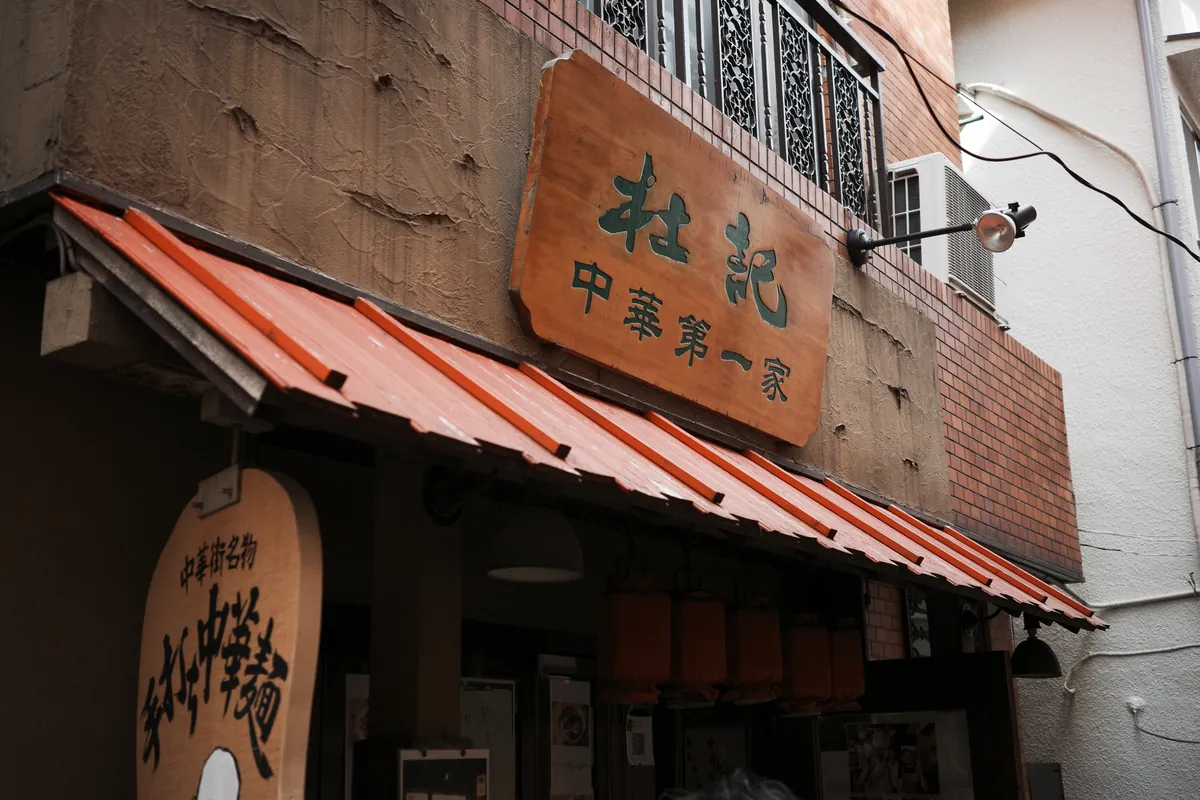
Eat standing: butaman pork buns from a street steamer, Kiyoken shumai, and tanghulu candied fruit. If you want the genuinely local dish, look for sanma-men — ramen under a thickened stir-fry of pork and bean sprouts, invented in this city and rarely on tourist menus.
Each one is a finished day we have walked and timed, with this stop in it. Read the route rather than assembling it yourself.
Each of these still lands you back aboard with the hour to spare.
 3 hr for both
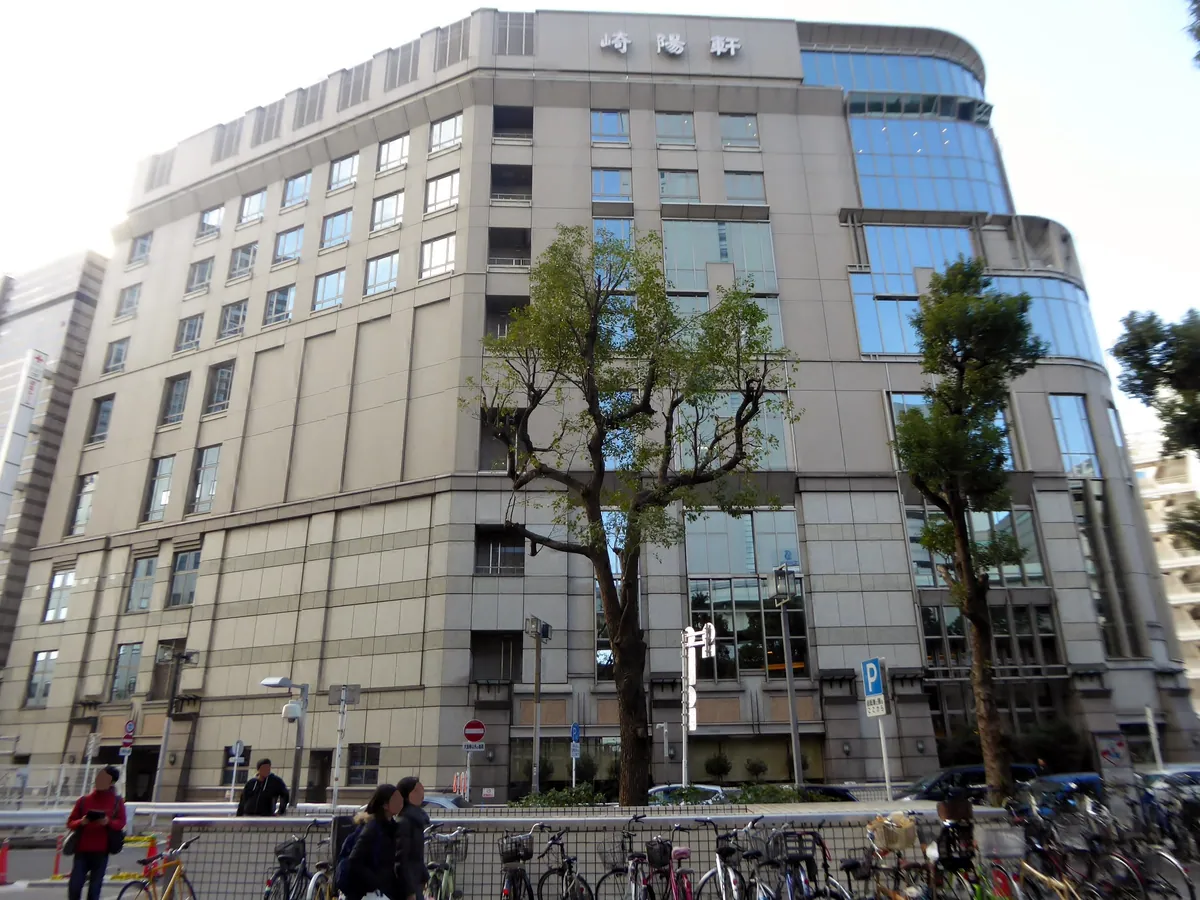
The 1908 shumai that every Japanese traveler associates with this city — the main store serves them hot with the famous ceramic soy pot.
See the detail →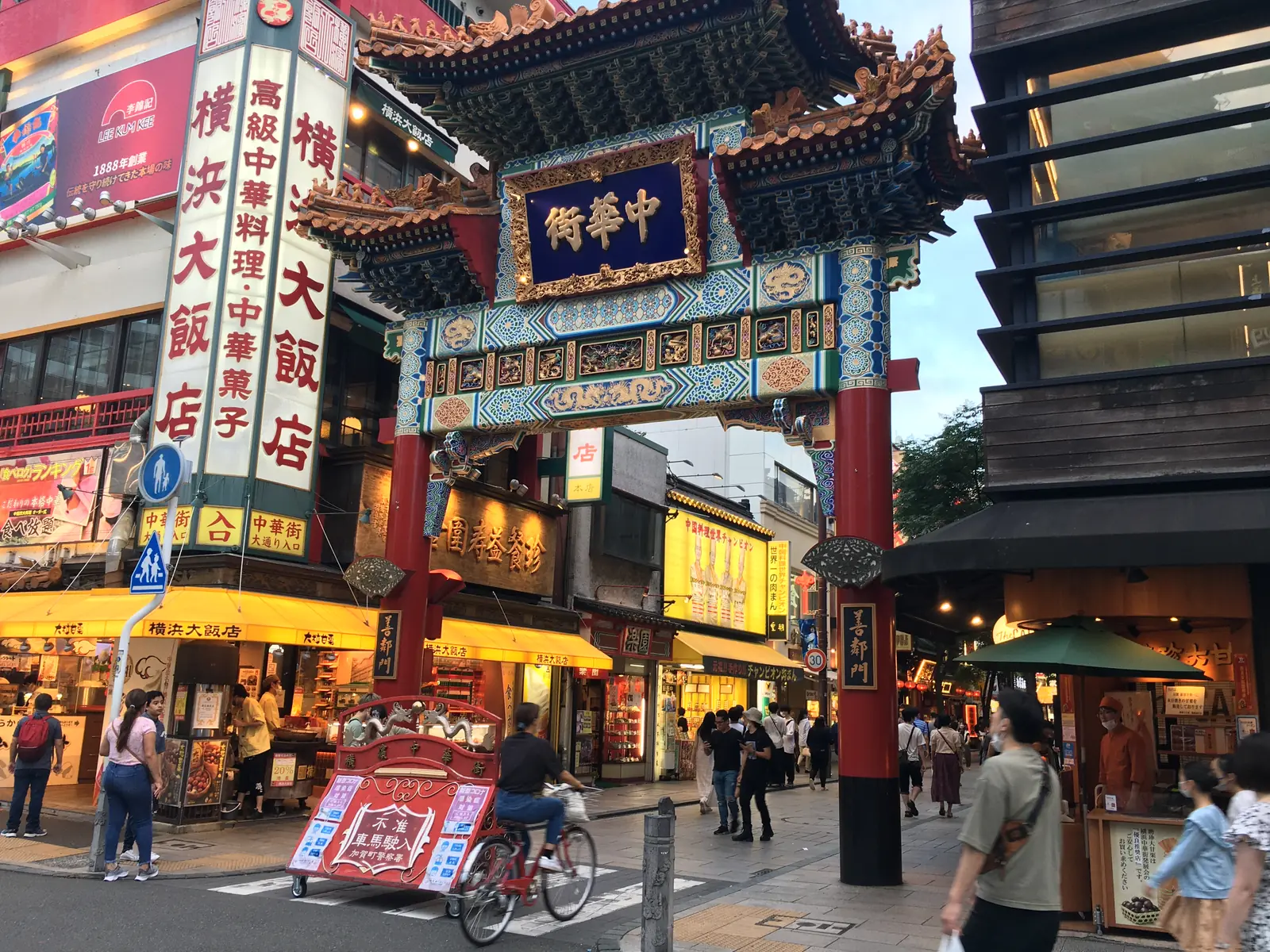 3 hr for both
Boat-shaped chestnut cakes that Yokohama gives when it visits anyone — soft, not-too-sweet, and boxed like jewelry.
See the detail →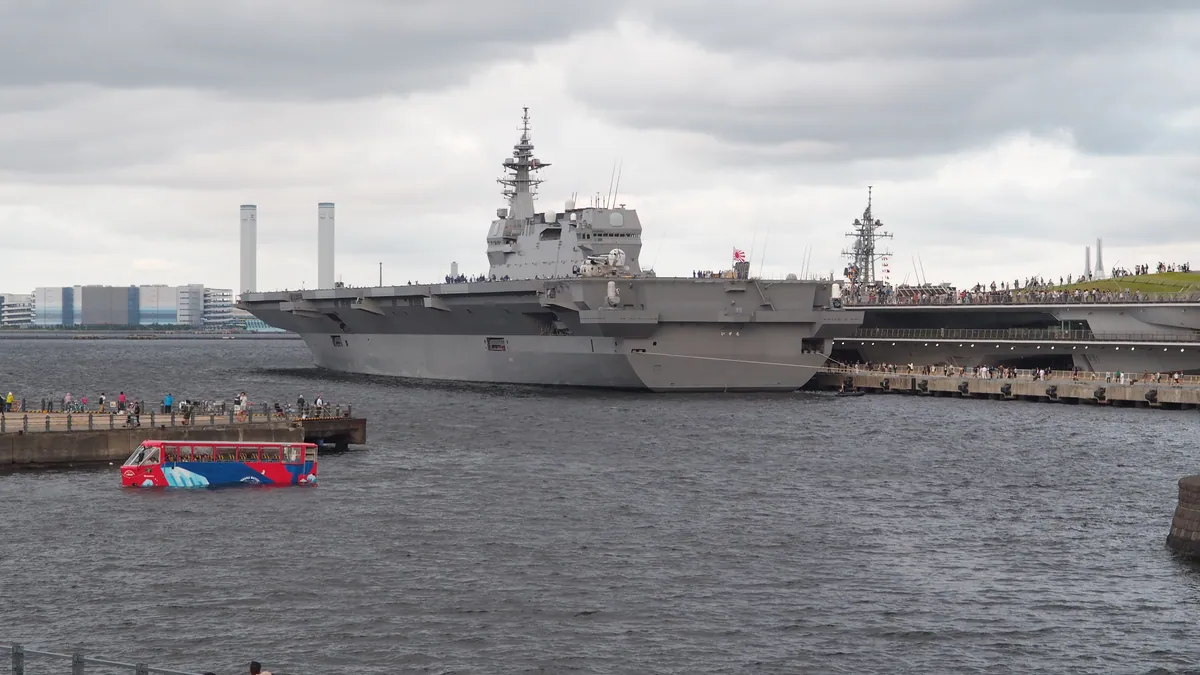 3 hr 30 min for both
Your pier is the sight: a whale-back of wooden decks with the full skyline arranged in front.
See the detail →No typing needed — jump straight in:
Just docked? — the gangway toolStart from your shipThe ride from every berthAsk the editorGlossary