~1h — the round trip from the gangway, with the 60-minute margin kept aside.
Tap a photo to see it large. 6 photographs, each credited.
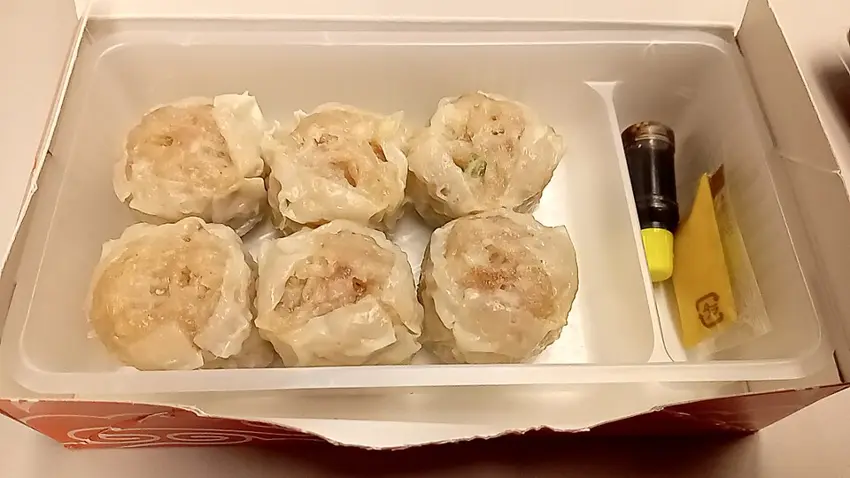
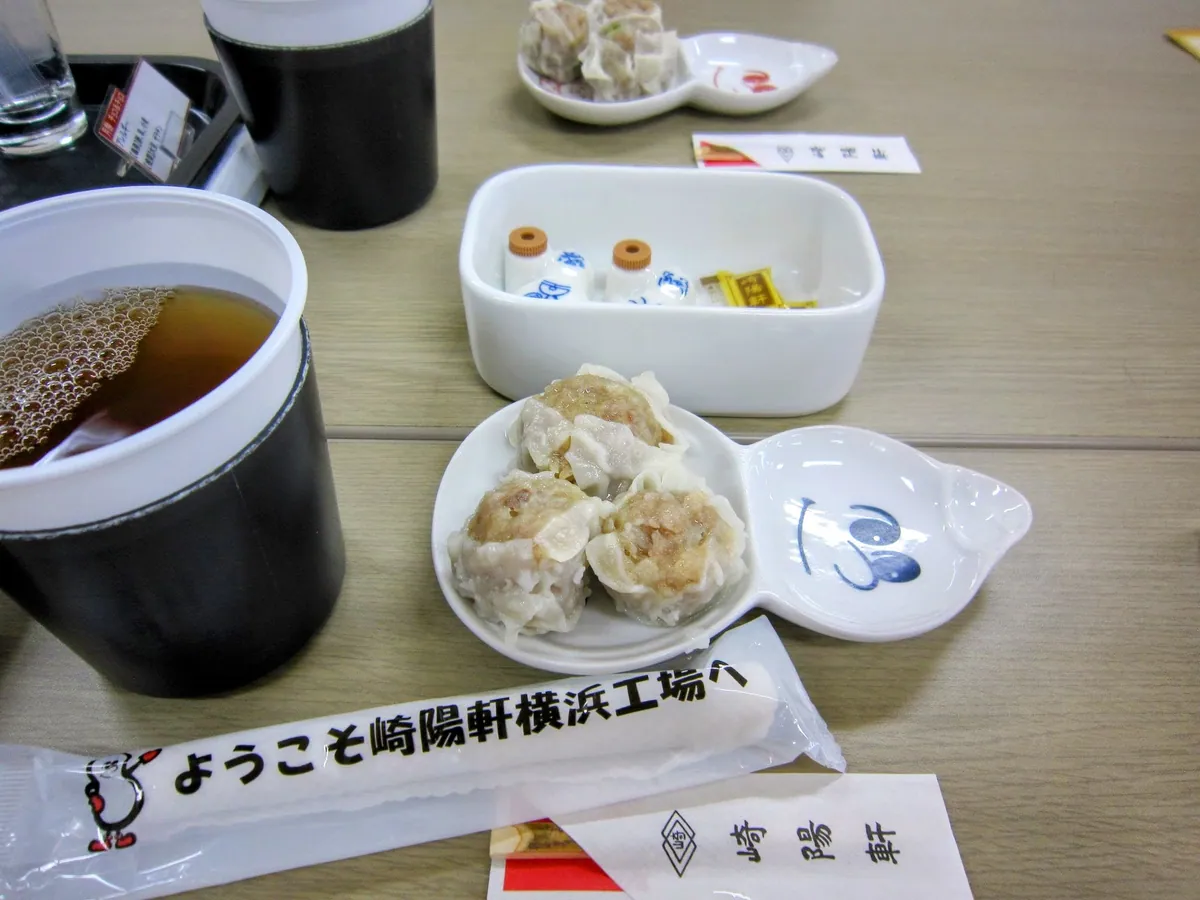
The 1908 shumai that every Japanese traveler associates with this city — the main store serves them hot with the famous ceramic soy pot. Boxes travel well.
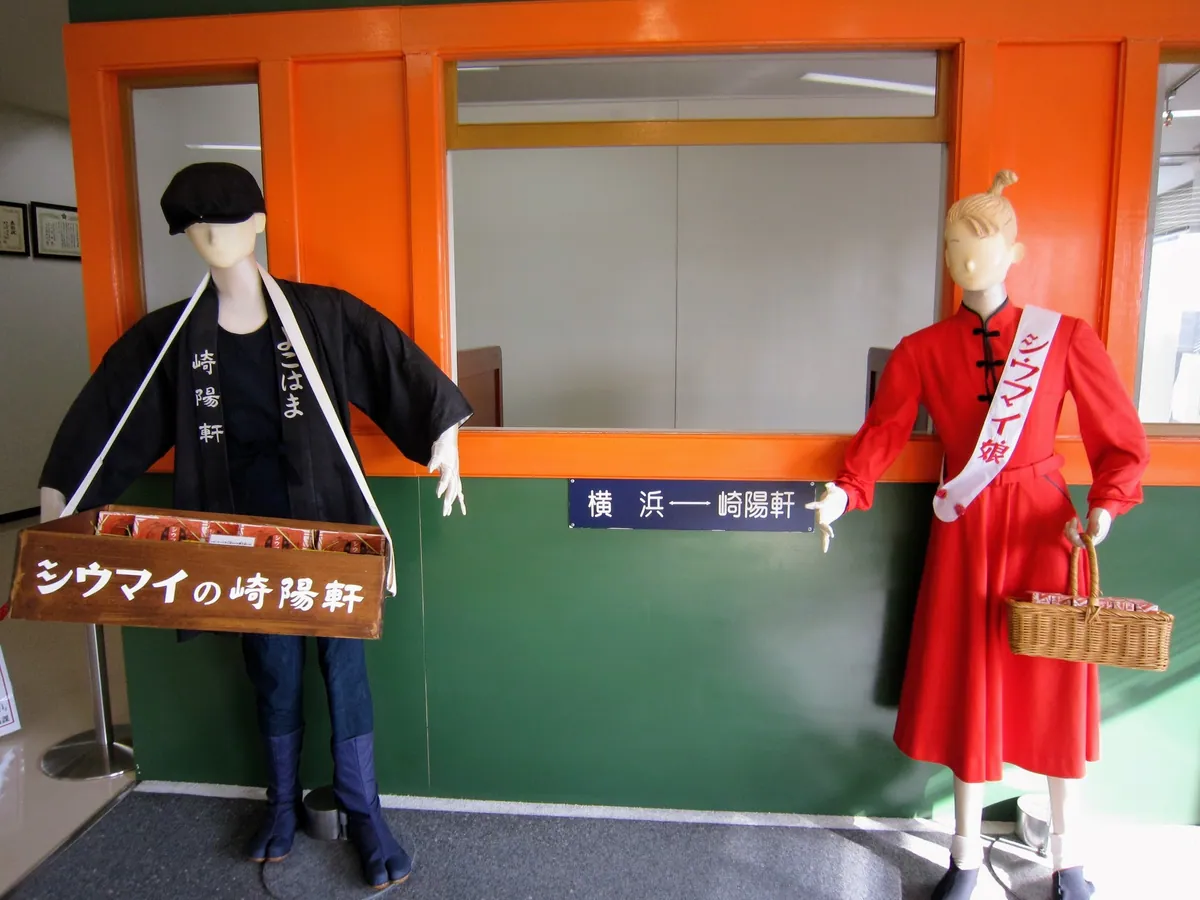
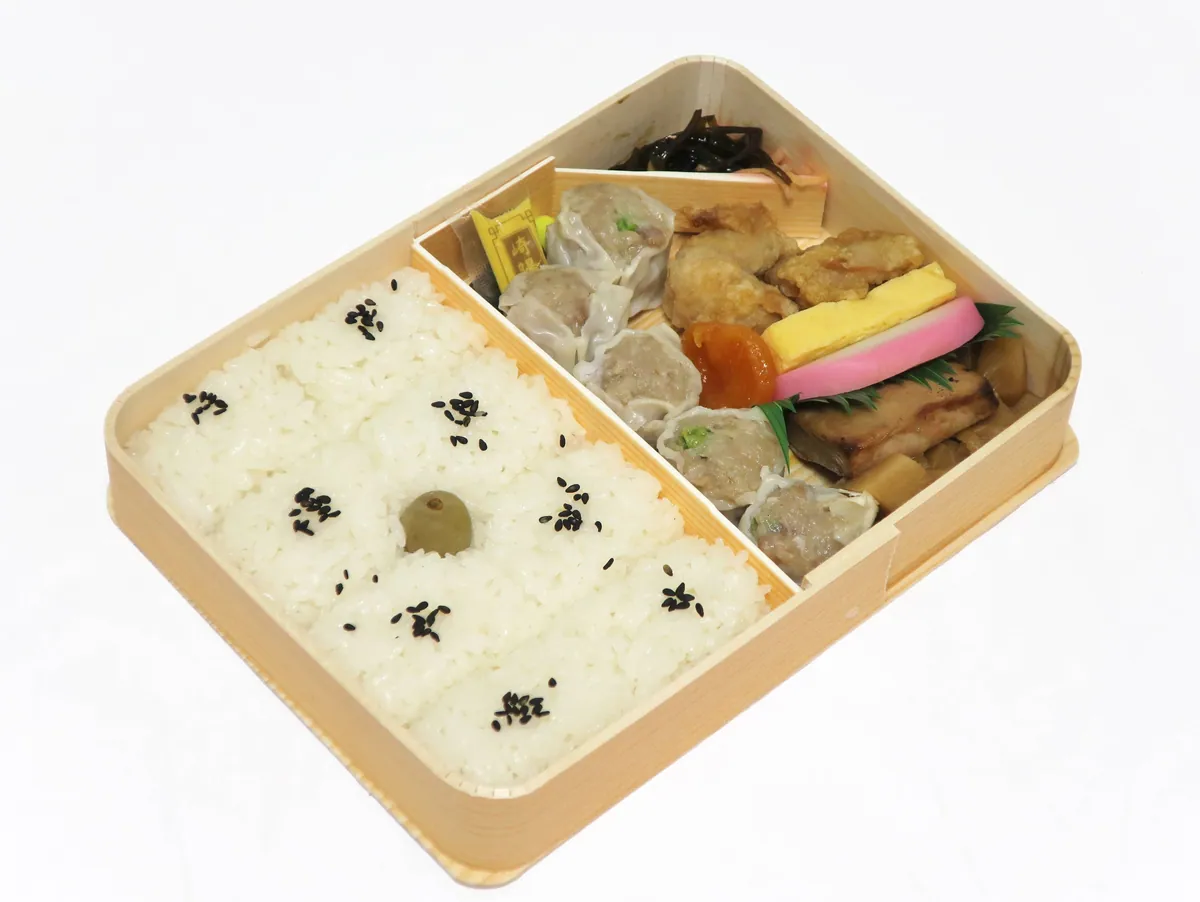
Kiyoken has sold shumai at Yokohama Station since 1928, and the boxed version with its ceramic soy-sauce figurine is one of the most recognised train bento in Japan. Around 800,000 shumai are made a day. The original recipe used dried scallop to survive being eaten cold.
The one the queue agrees on, the one people who live here use instead, and the one nearest your ship. Opening days change; check before you build a day around one.
Selling shumai at Yokohama since 1928. The boxed version with the ceramic soy figurine is the classic train bento.
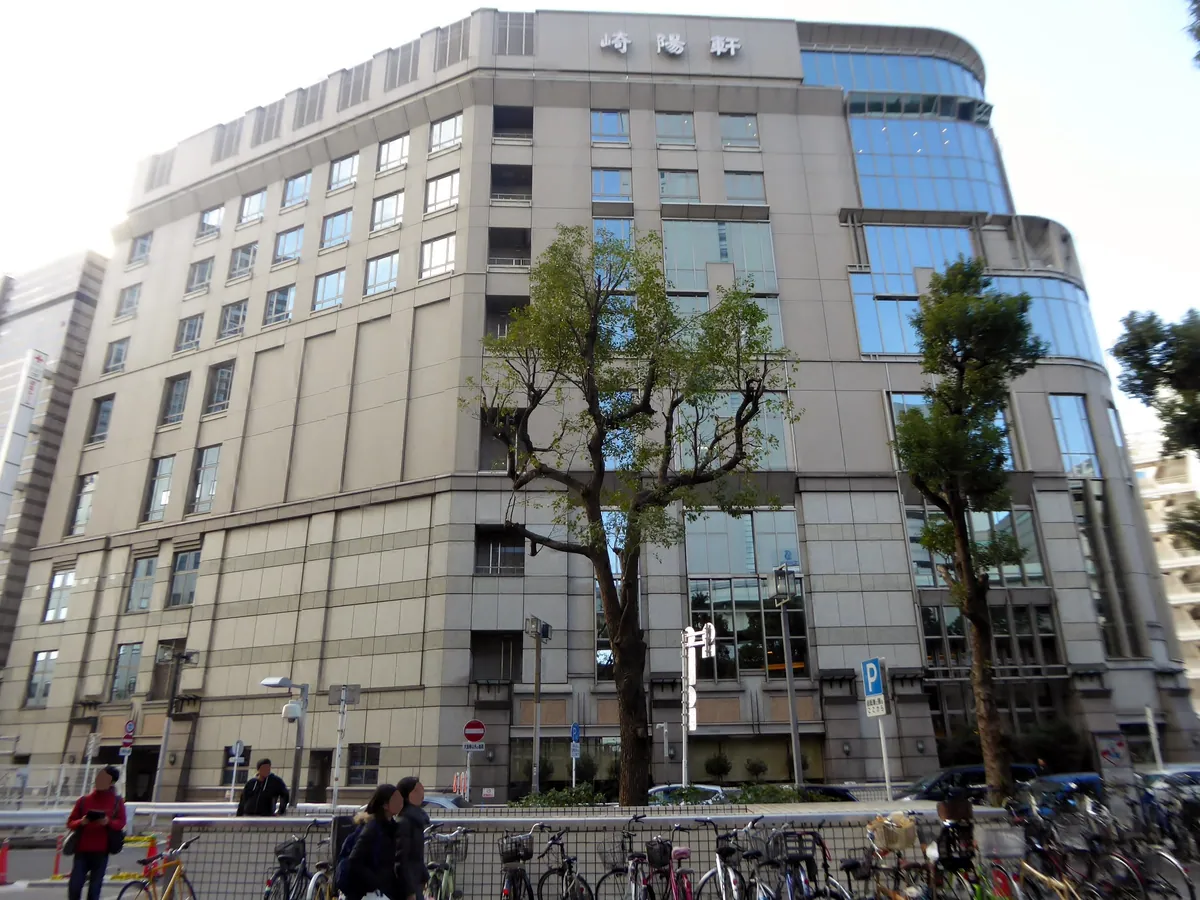
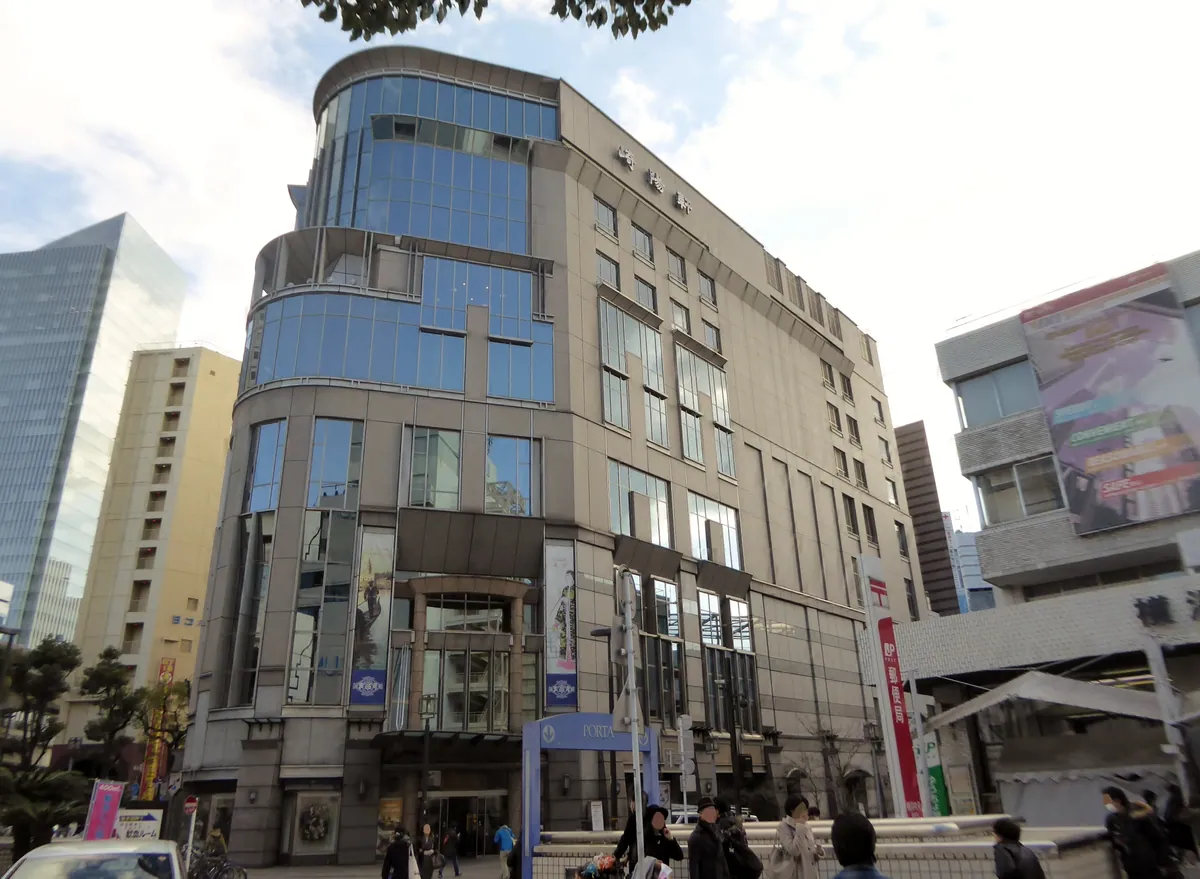
Open in Google MapsWhere locals goKiyoken stands, Yokohama Station崎陽軒 横浜駅Where the city actually buys it, hot from the counter rather than boxed.
Open in Google MapsClosest to the berthKiyoken Minato Mirai崎陽軒 みなとみらいClosest to the Osanbashi berth if the station is a detour you cannot afford.
Open in Google MapsEach of these still lands you back aboard with the hour to spare on a 6-hour stop ashore.
Each one is a finished day we have walked and timed, with this stop in it. Read the route rather than assembling it yourself.
Each of these still lands you back aboard with the hour to spare.
 2 hr for both
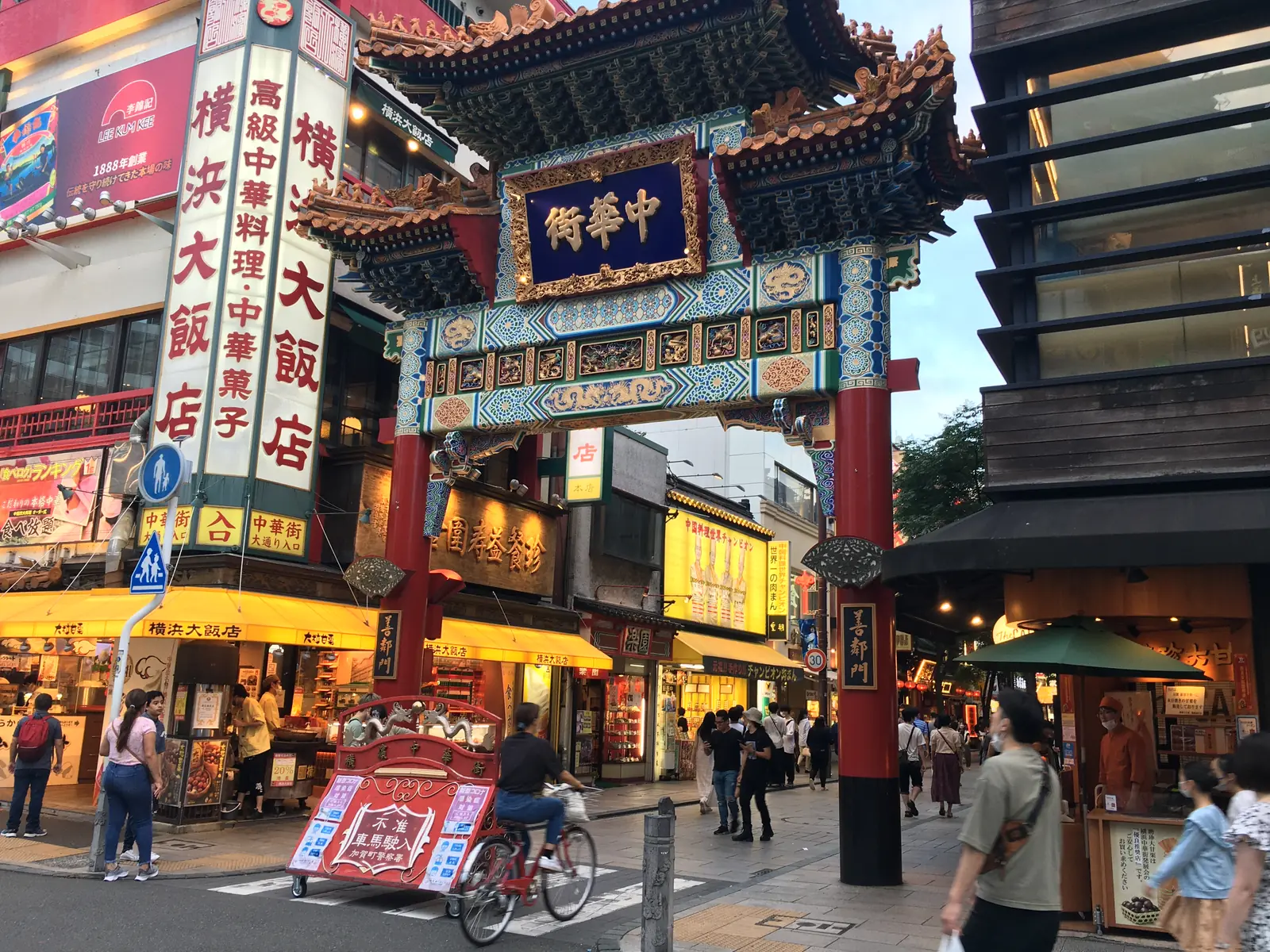
Boat-shaped chestnut cakes that Yokohama gives when it visits anyone — soft, not-too-sweet, and boxed like jewelry.
See the detail →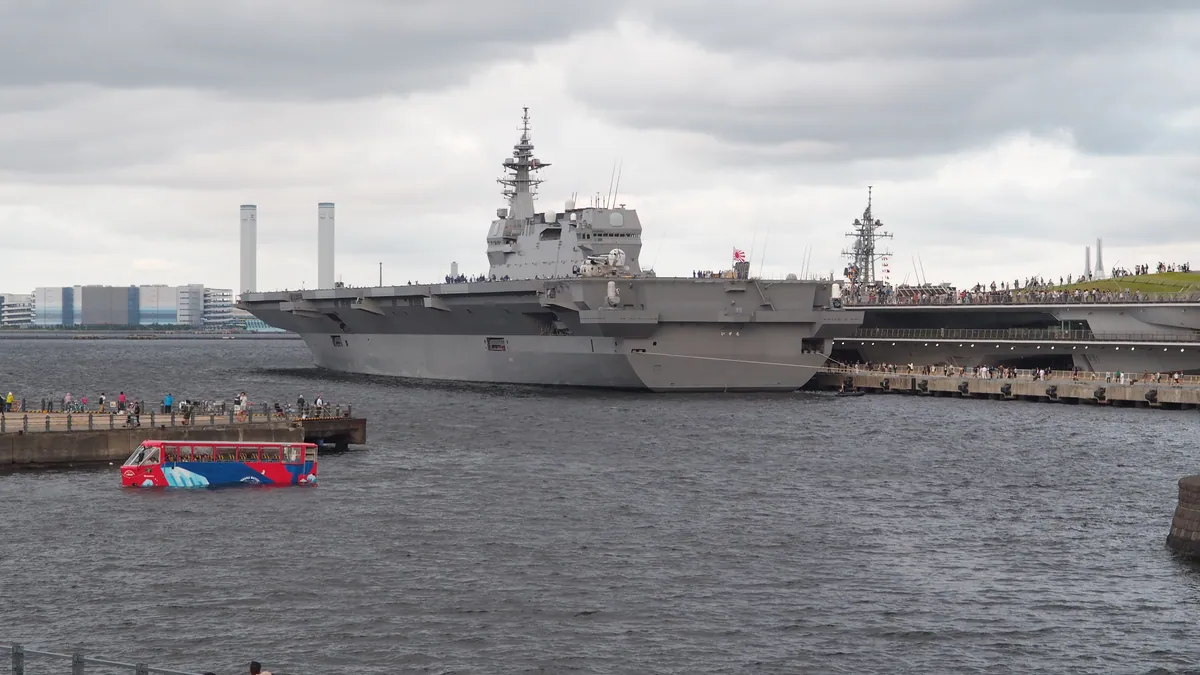 2 hr 30 min for both
Your pier is the sight: a whale-back of wooden decks with the full skyline arranged in front.
See the detail →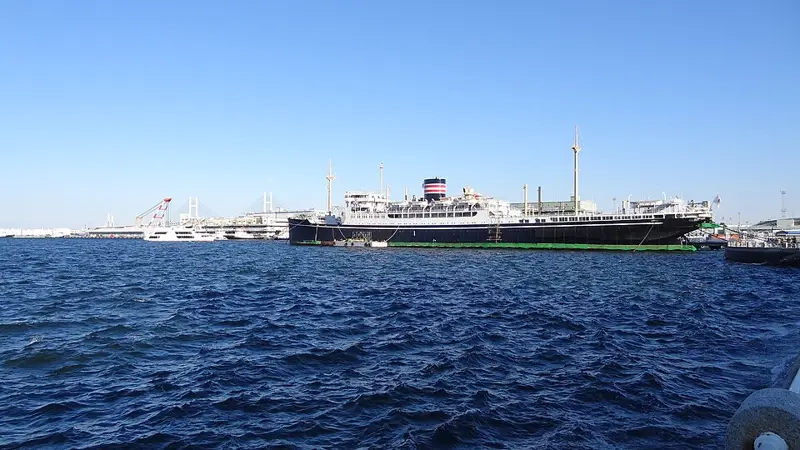 2 hr 30 min for both
The seaside promenade laid on 1923 earthquake rubble, with a 1930 ocean liner moored at the end.
See the detail →No typing needed — jump straight in:
Just docked? — the gangway toolStart from your shipThe ride from every berthAsk the editorGlossary