 Photo: HOWARD HERDI / Pexels
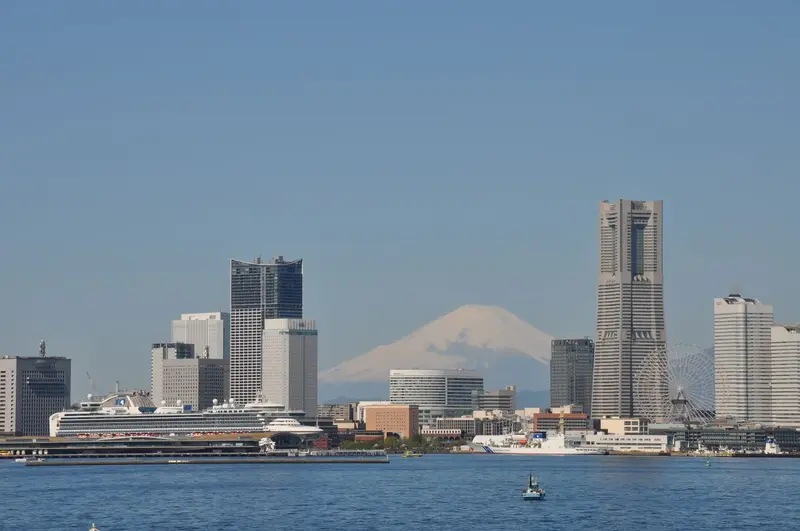
Osanbashi decks & Minato Mirai
Your pier is the sight: a whale-back of wooden decks with the full skyline arranged in front. Walk it at sailaway even if you walk nothing else.
You are on itFull guide: Osanbashi →Chinatown, 600 shops deep
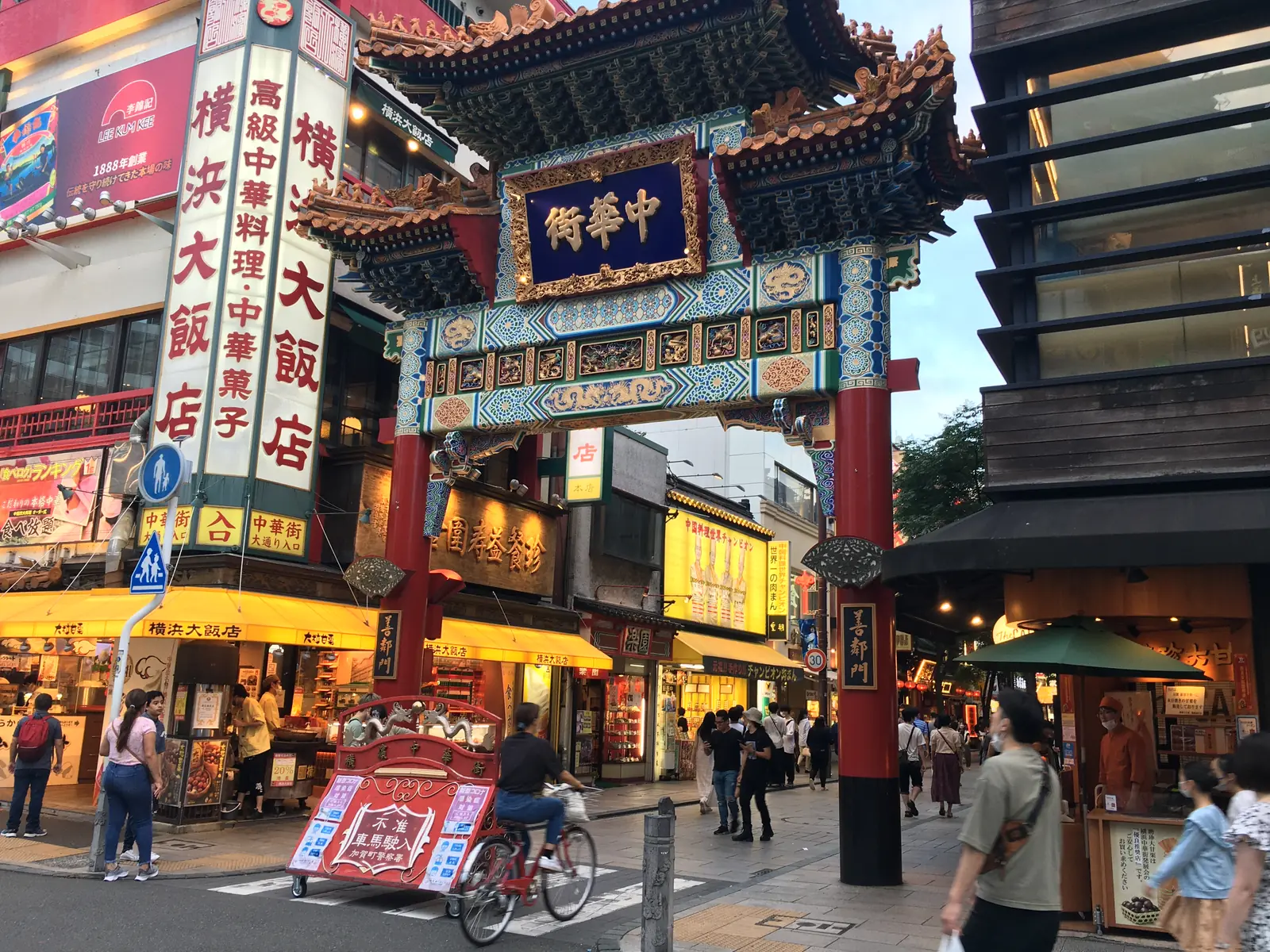
Japan’s largest Chinatown — gates, temples and steam everywhere. Grazing beats sitting: one bun, one skewer, one sesame ball at a time.
15 min walkFull guide: Chukagai →Shumai at Kiyoken
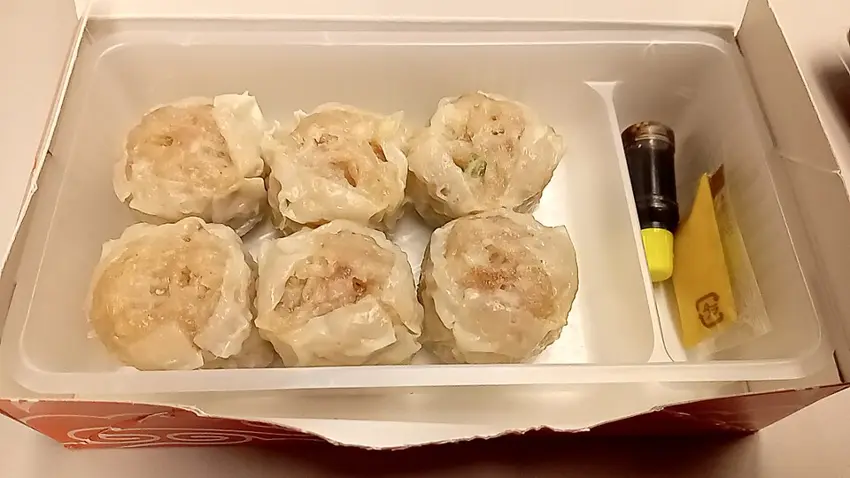
The 1928 shumai (from a company founded in 1908) that every Japanese traveler associates with this city — the main store serves them hot with the famous ceramic soy pot. Boxes travel well.
Chinatown / stationGoogle Maps →Ie-kei ramen at the origin
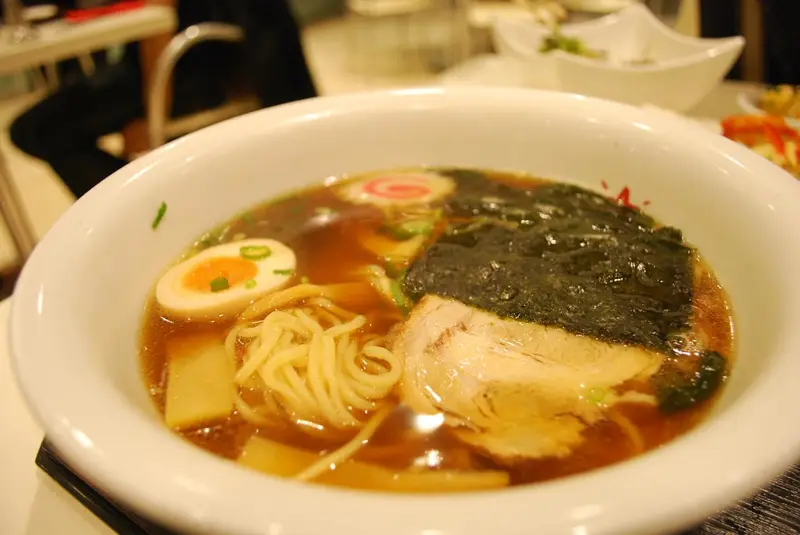
Thick pork-soy broth, spinach, nori — the style born at Yoshimuraya in 1974 now feeds all Japan. Expect a line that moves like clockwork; say "katame" for firm noodles.
Near the stationGoogle Maps →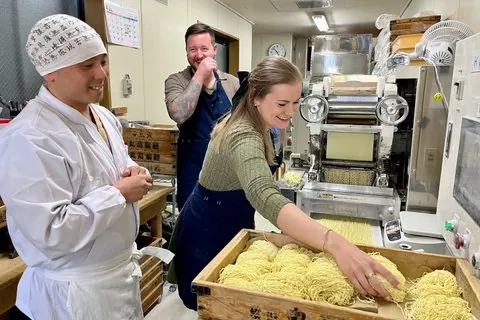
Ramen adventure: factory to bowl
Yokohama’s most-reviewed experience — watch noodles made, then cook and eat your own bowl at a local home. Food-obsessed couples call it their cruise highlight.
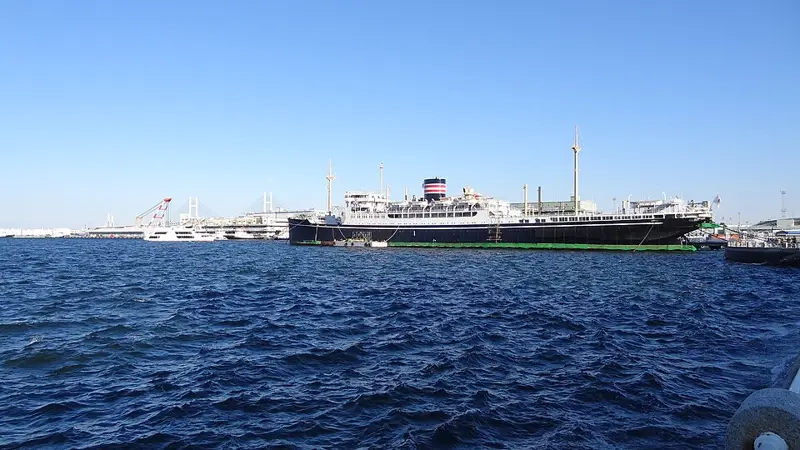
Yamashita Park & Hikawa Maru
The seaside promenade laid on 1923 earthquake rubble, with a 1930 ocean liner moored at the end. The rose garden frames your ship for free.
On footGoogle Maps →Kamakura Great Buddha
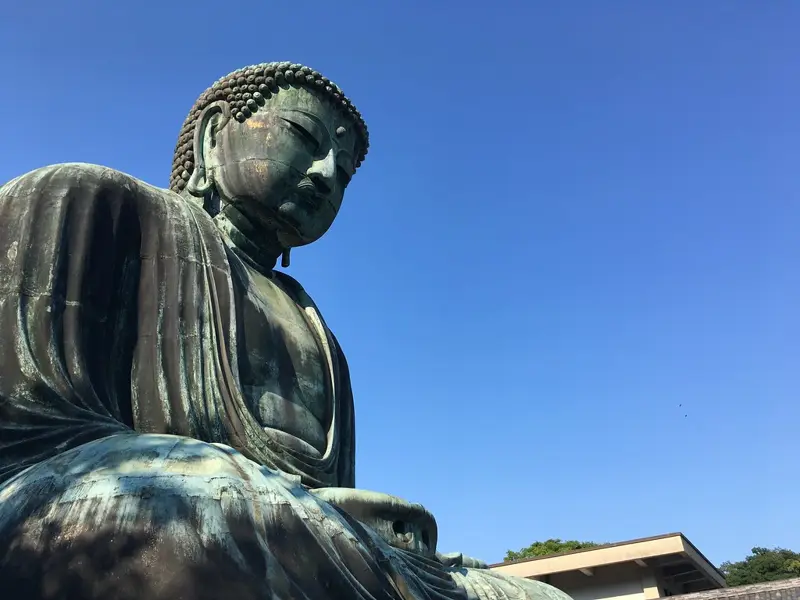
The 750-year-old bronze Buddha sits in open air an hour south — pair it with Hasedera’s hillside temple. Only for confident train users with full-day calls.
Train ~1h each wayFull guide: Kamakura Great Buddha →Sankeien garden
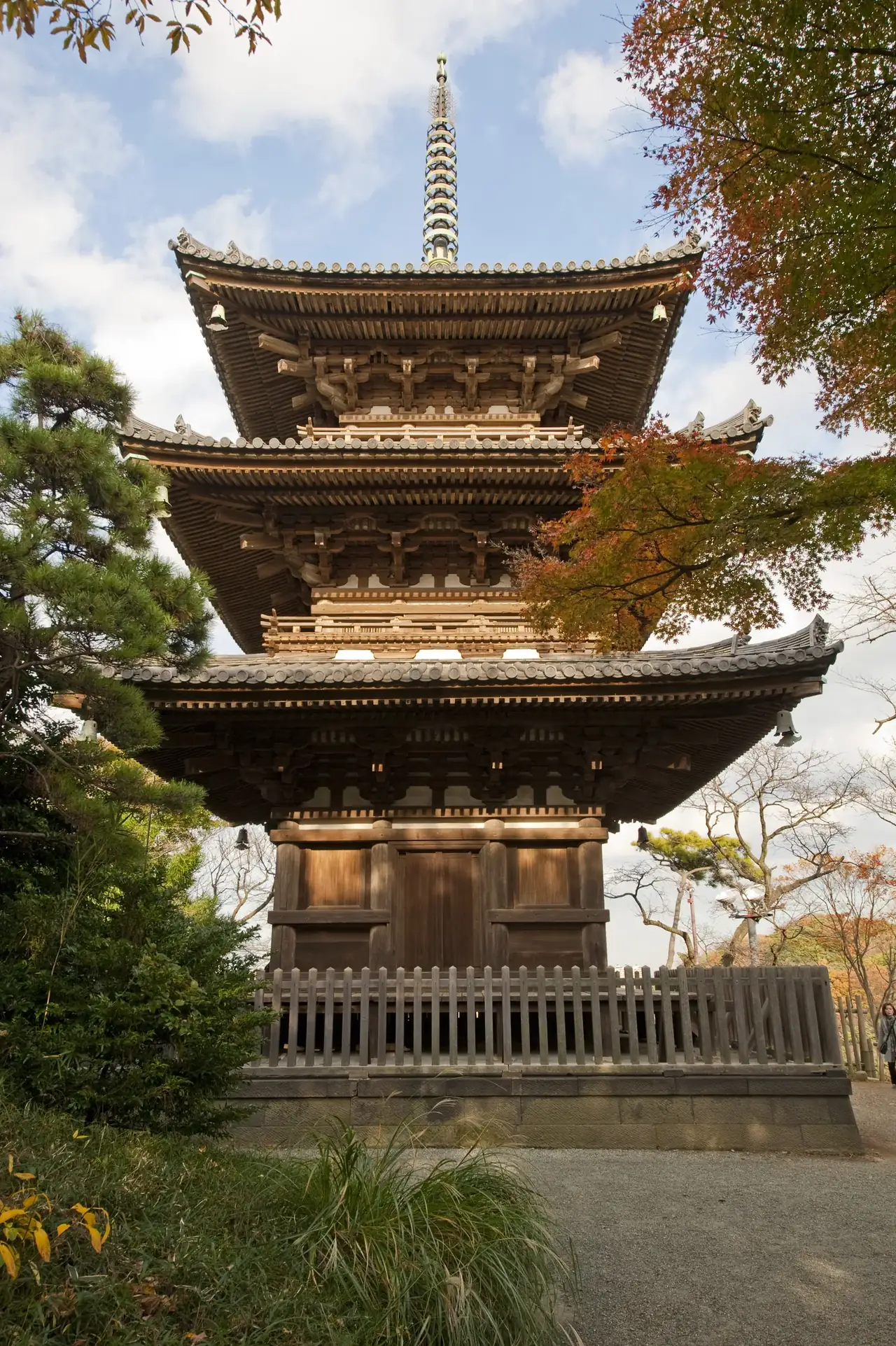
A silk baron collected entire historic buildings — pagoda included — into one valley garden. Yokohama’s least-known world-class thing; foreigners have it almost to themselves.
Taxi ~15–20 min · bus ~30 minFull guide: Sankeien →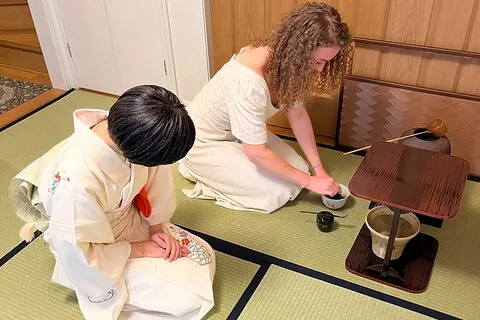
Tea ceremony in a private home
Ninety minutes of matcha, sweets and unhurried conversation in a family tearoom. The gentle antidote to a big-city port day — book before you sail.
Ariake Harbour chestnut boats
Boat-shaped chestnut cakes that Yokohama gives when it visits anyone — soft, not-too-sweet, and boxed like jewelry. The Motomachi flagship bakes all day.
Station / MotomachiGoogle Maps →