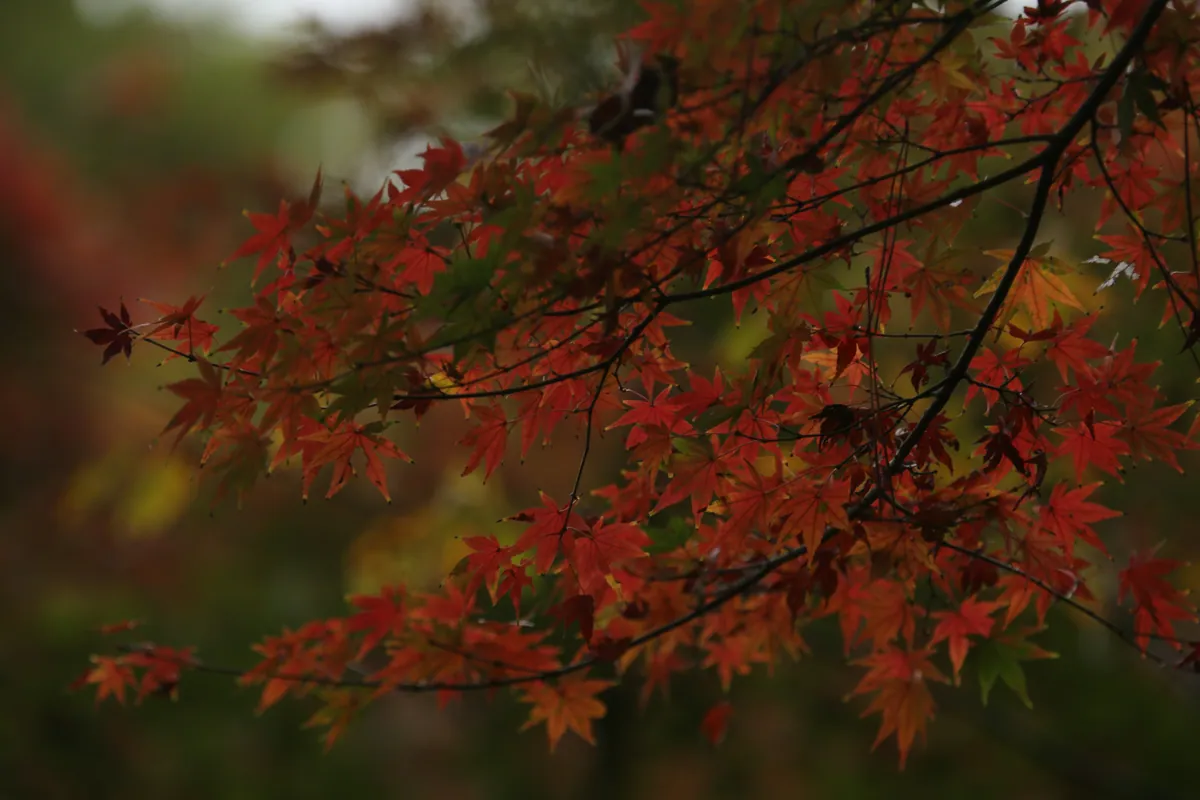
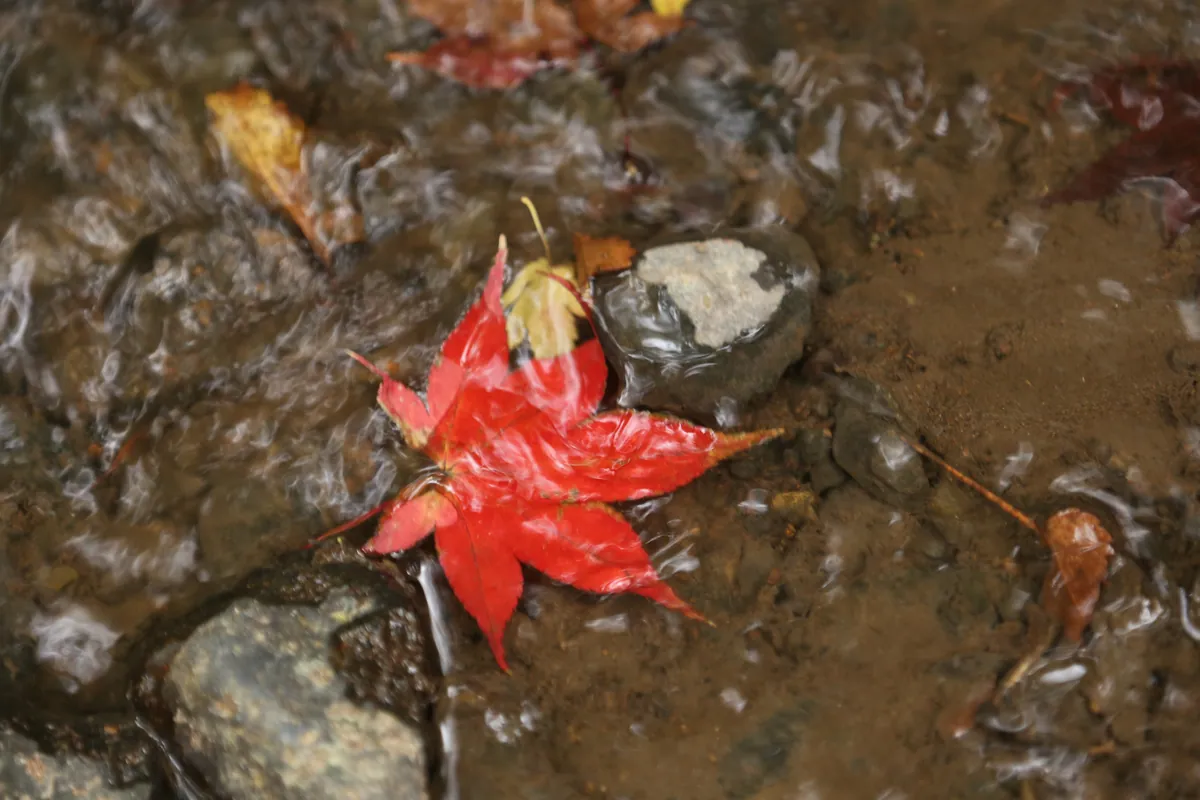
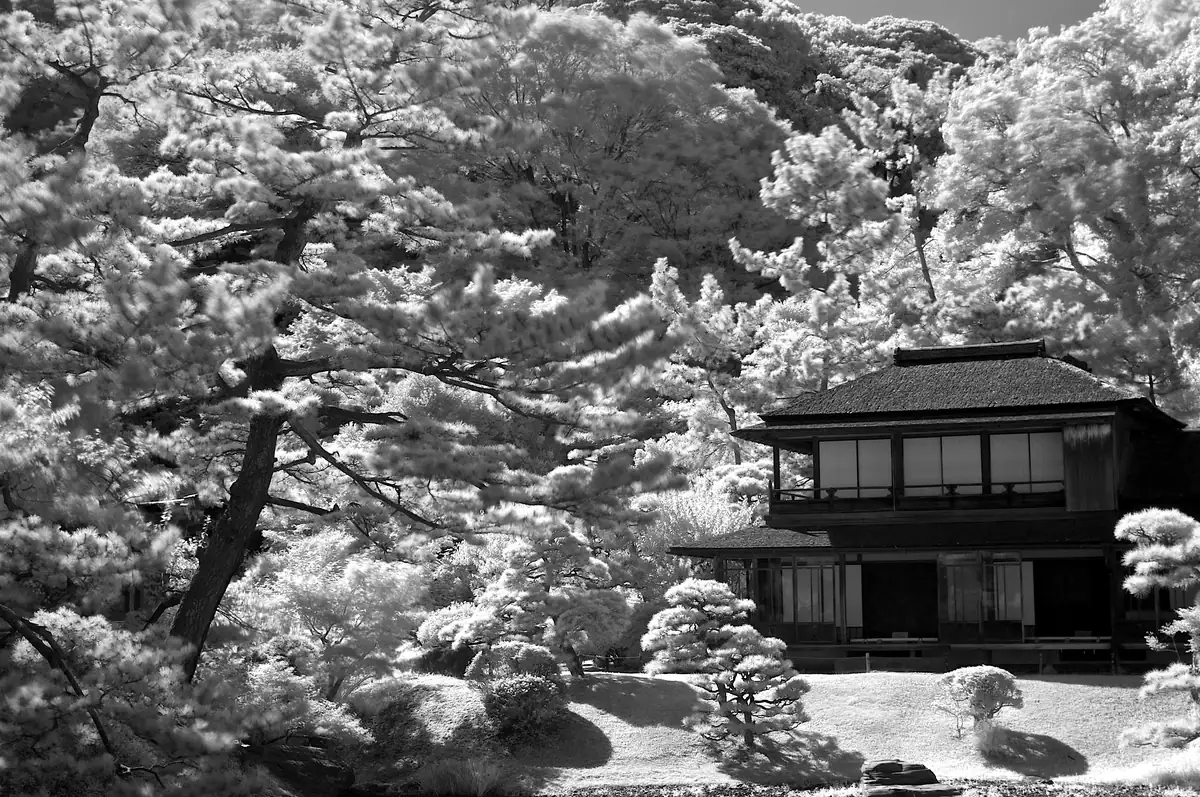
~4h — the round trip from the gangway, with the 60-minute margin kept aside.
Tap a photo to see it large. 7 photographs, each credited.
A silk baron collected entire historic buildings — pagoda included — into one valley garden. Yokohama’s least-known world-class thing; foreigners have it almost to themselves.
The thread that paid for modern Japan, and the garden it left behind
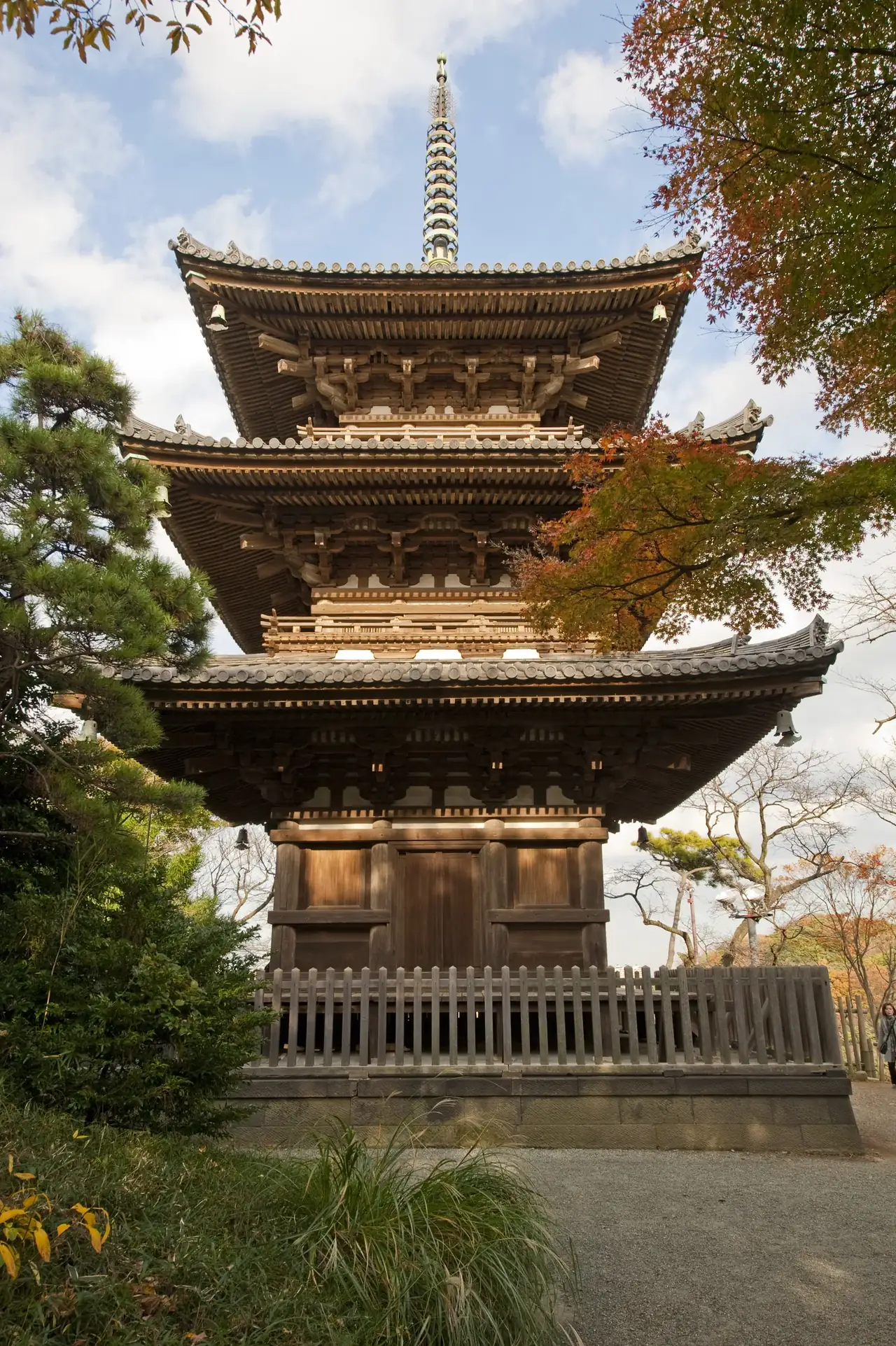
Built by the silk merchant Tomitaro Hara and opened to the public in 1906, Sankeien is a garden assembled from historic buildings he bought and moved here from Kyoto, Kamakura and Gifu, including a three-storey pagoda of 1457. Ten of them are Important Cultural Properties.
For half a century, one commodity dominated Japan's exports and one port shipped almost all of it. Silk bought the railways, the warships and the factories — and one silk merchant spent his share on moving ancient buildings into a garden you can walk through.
Hara Tomitaro made a fortune in raw silk and spent it on something almost nobody does: buying historic buildings scheduled for demolition elsewhere in Japan, dismantling them, and rebuilding them in his garden above the sea. He opened it to the public, free, in 1906.
There are seventeen relocated structures across seventeen and a half hectares — a three-storey pagoda of 1457 brought from a temple in Kyoto, now the oldest of its kind in eastern Japan; a snow-country farmhouse with a roof like folded hands; a villa associated with the Tokugawa. Almost no cruise passenger comes, which is most of the point.
European silkworms are dying of pébrine
French machinery, French engineer, Japanese women
A silk merchant's garden of rescued buildings, free to enter
Overtaking China
Give Sankeien two hours and go on a weekday. The pagoda is from 1457 and the crowds are somewhere else.
Both pins on one map, so the distance is a fact rather than a feeling.
Counted from the moment you step off the gangway. The hour before all-aboard is not in this bar; it is already set aside.
25 minutes each way is the honest figure for bus/taxi ~25 min, not the optimistic one. If your ship is late, cut the 3 hr 10 min in the middle. Never cut the hour at the end.
Each of these still lands you back aboard with the hour to spare on a 6-hour stop ashore.
On a call of four hours or more, yes, as the single target. It is about thirty-five minutes from the pier and holds seventeen historic buildings relocated from across Japan, including a three-storey pagoda dated 1457. It receives very little cruise traffic, so on a weekday you will largely have it to yourself.
Two hours does it properly — one for the outer garden and pond, one for the inner garden and the pagoda hill. Budget about three and a half hours door to door from the cruise terminal, and book your return taxi before you go in.
Each one is a finished day we have walked and timed, with this stop in it. Read the route rather than assembling it yourself.
Each of these still lands you back aboard with the hour to spare.
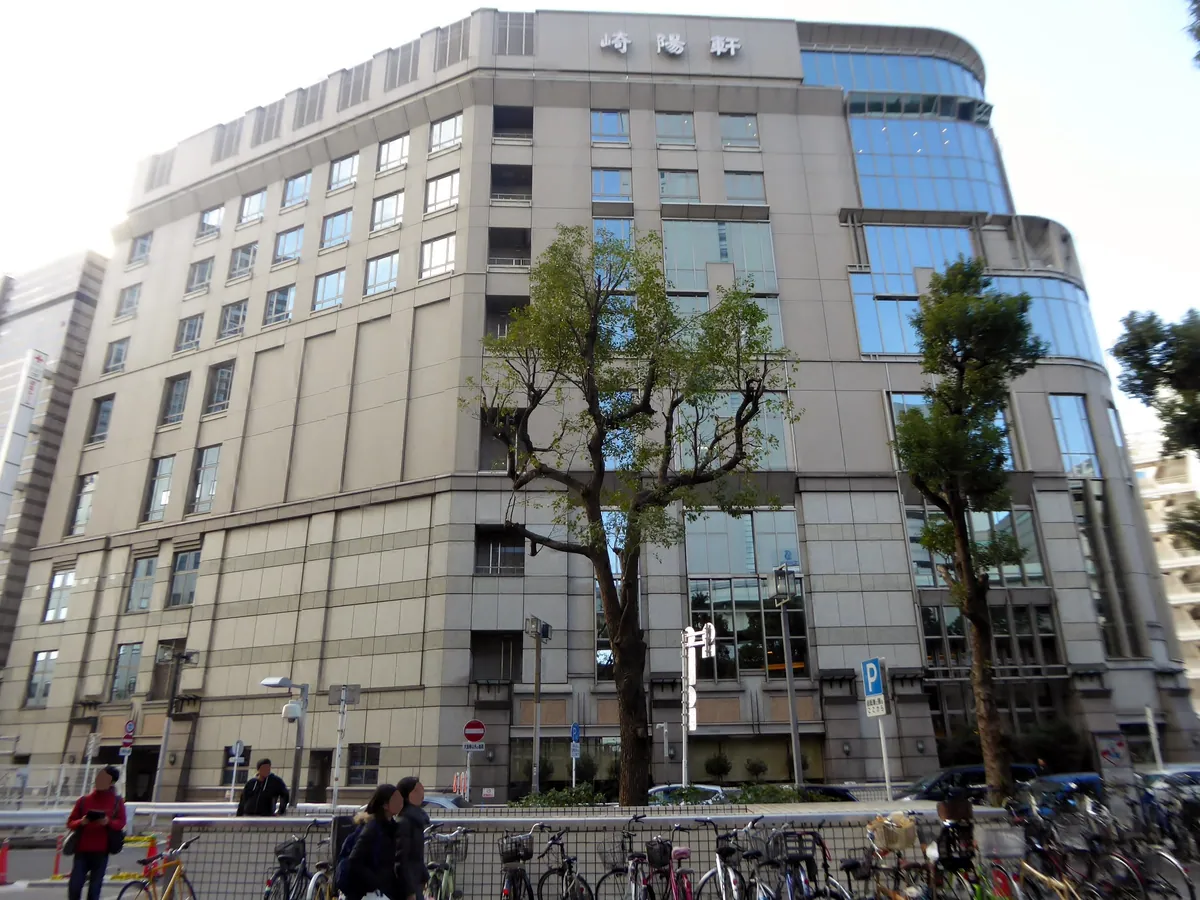 5 hr for both
The 1908 shumai that every Japanese traveler associates with this city — the main store serves them hot with the famous ceramic soy pot.
See the detail → 5 hr for both
Boat-shaped chestnut cakes that Yokohama gives when it visits anyone — soft, not-too-sweet, and boxed like jewelry.
See the detail →No typing needed — jump straight in:
Just docked? — the gangway toolStart from your shipThe ride from every berthAsk the editorGlossary