SilkThe thread that paid for modern Japan, and the garden it left behind
For half a century, one commodity dominated Japan's exports and one port shipped almost all of it. Silk bought the railways, the warships and the factories — and one silk merchant spent his share on moving ancient buildings into a garden you can walk through.
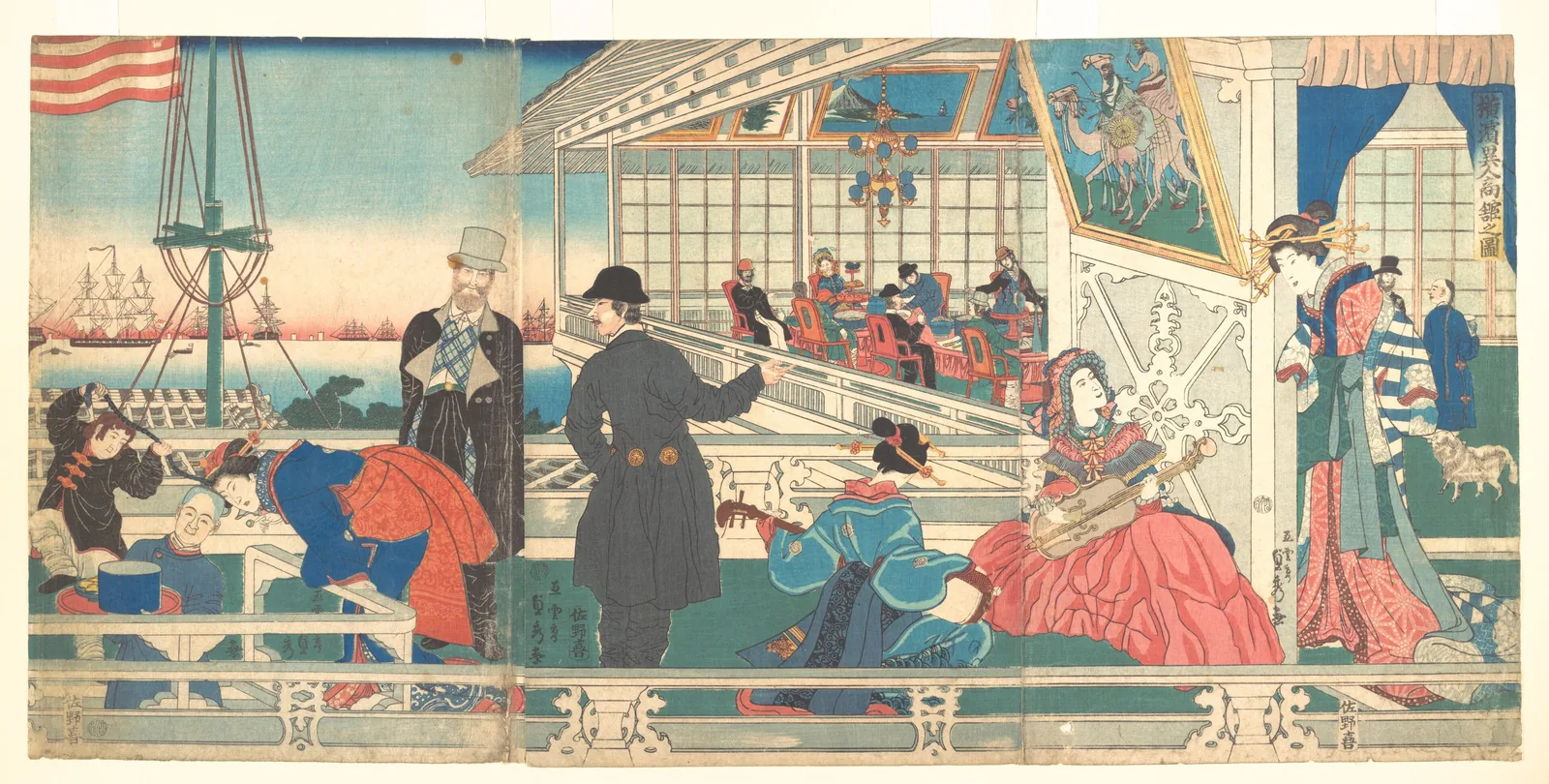
When Yokohama opened in 1859, Japan had almost nothing the world wanted to buy. It had one exception, and the timing was extraordinary: a disease called pébrine was destroying the silkworms of France and Italy at exactly that moment.
Japanese raw silk filled the gap. Within a few years it was the dominant export leaving Yokohama, and it stayed dominant for decades. Silk paid, in the most literal sense, for the machines, ships and foreign engineers that turned an agricultural country into an industrial one.
The road, and the mill
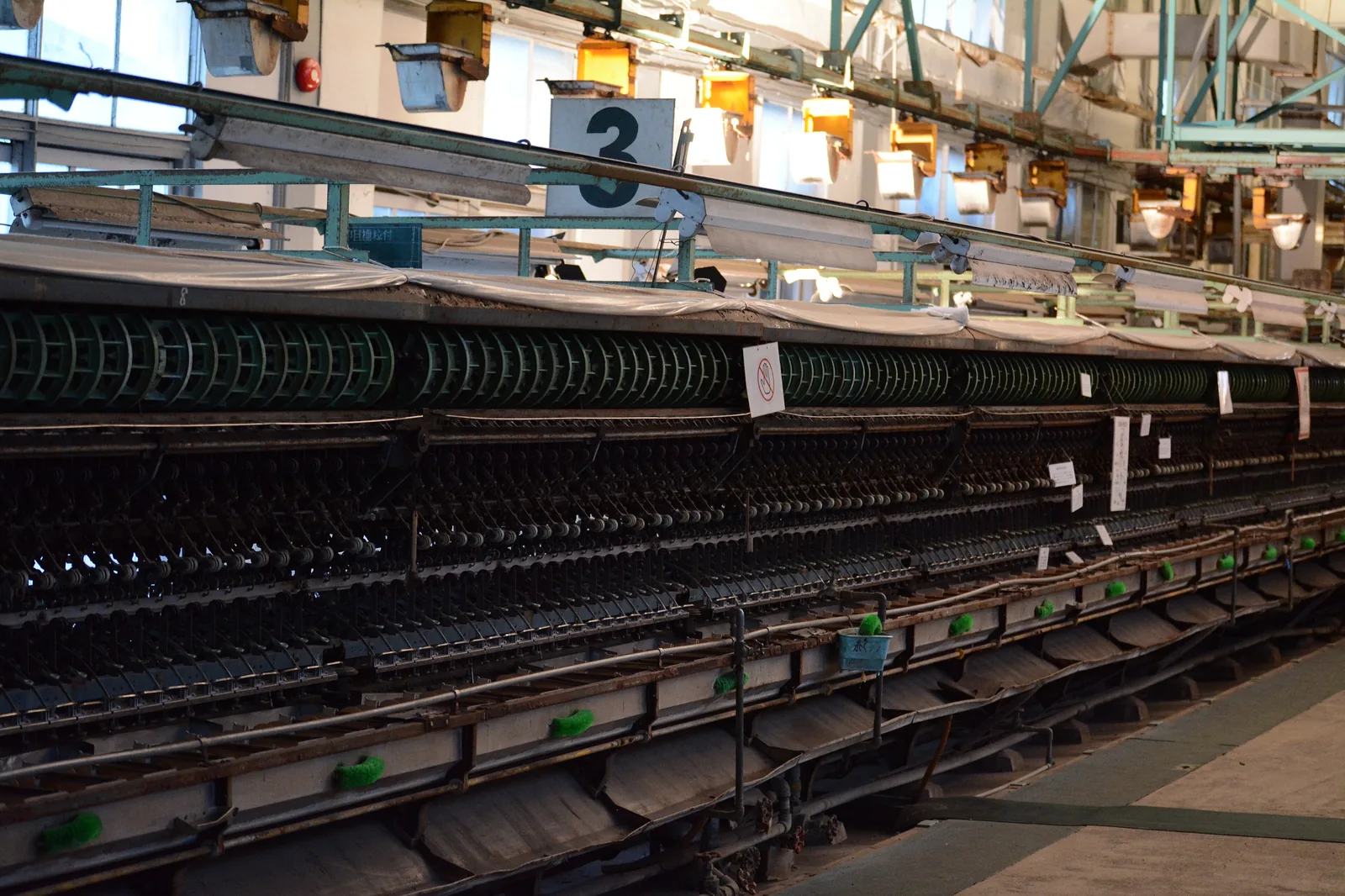
Raw silk came down from the mountains of Gunma, Nagano and the Hachioji hills along a route the locals still call the Silk Road — about forty kilometres of cart track from Hachioji to Yokohama. Every bale on that road was going onto a ship here.
In 1872 the government opened the Tomioka Silk Mill in Gunma: a French-designed brick filature run with French machinery and a French engineer, staffed largely by young women recruited from across the country and sent home as instructors. It is now a UNESCO World Heritage Site. Japan overtook China as the world's largest raw silk exporter early in the twentieth century.
The Depression halved the price. Then nylon arrived. Within a generation, the industry that had built this port was essentially gone.
What one merchant did with the money
Hara Tomitaro, who traded as Sankei, made a fortune in silk and spent a great deal of it on something almost nobody does: he bought historic buildings that were about to be demolished elsewhere in Japan, dismantled them, and rebuilt them in his own garden above the sea.
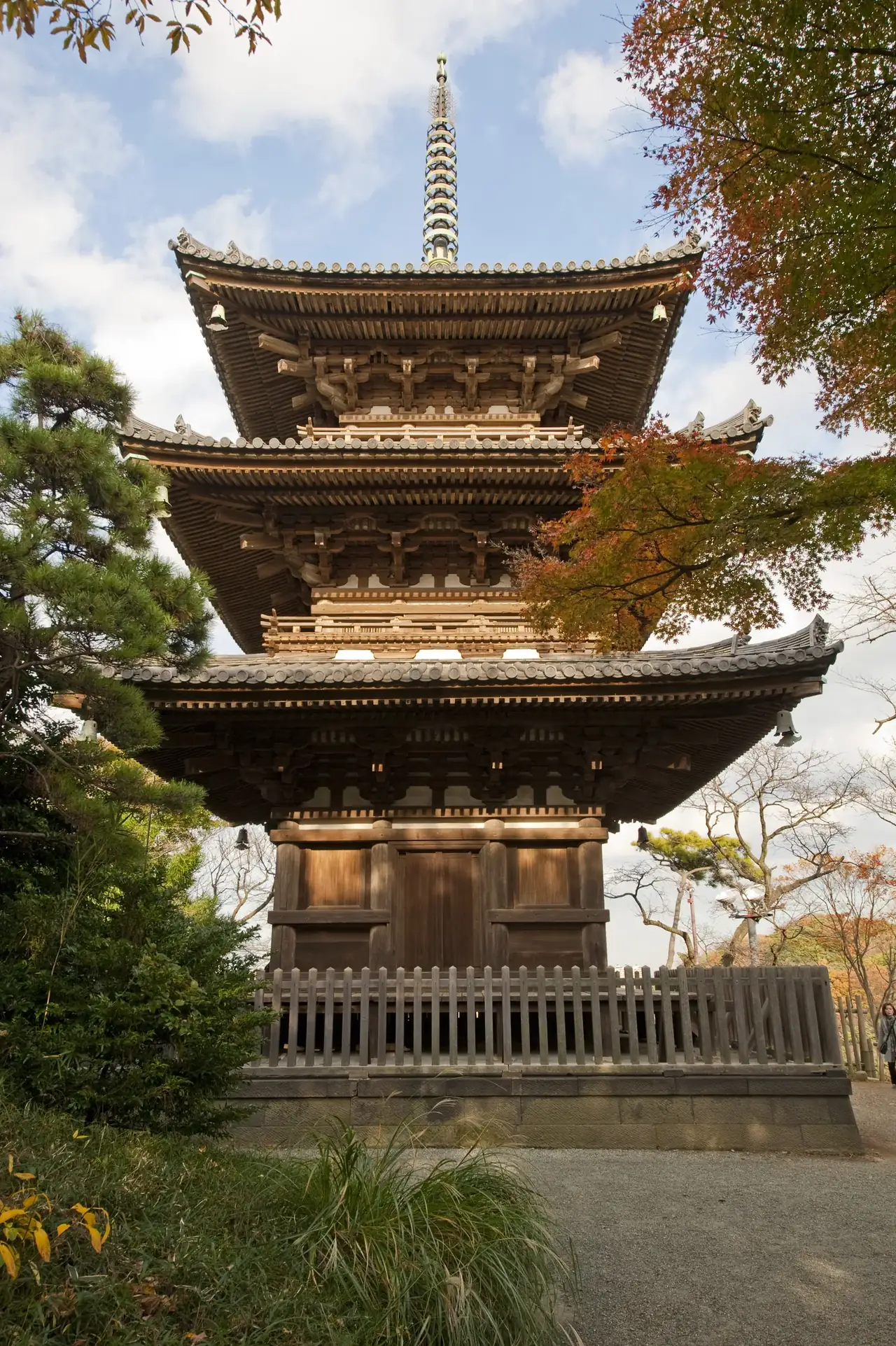
Sankeien opened to the public in 1906 — seventeen and a half hectares, seventeen relocated structures, and the whole thing free to anyone who wanted to walk in. The centrepiece is a three-storey pagoda of 1457, brought from Tomyoji in Kyoto and now the oldest such pagoda in eastern Japan. There is a farmhouse from the snow country with a roof like a folded hand, and a villa associated with the Tokugawa family.
Hara also kept a circle of painters and craftsmen at his own expense. The garden is not a rich man's trophy so much as a rich man's argument that these things should not be lost — made in the decade when Japan was busy discarding them.
The timeline
How it happened
1859
The port opens; silk is the one thing the world wants
European silkworms are dying of pébrine
1872
The Tomioka Silk Mill opens
French machinery, French engineer, Japanese women
1906
Sankeien opens to the public
A silk merchant's garden of rescued buildings, free to enter
early 1900s
Japan becomes the largest raw silk exporter on earth
Overtaking China
1929–30s
Depression, then nylon
The price collapses and never recovers
2014
Tomioka becomes a World Heritage Site
What is left is now a monument
Experience it
Where this becomes real on your port day
Give Sankeien two hours and go on a weekday. The pagoda is from 1457 and the crowds are somewhere else.
Raw silk. The single word that explains this port's first fifty years.
Kinu no michi 絹の道
The Silk Road — the cart route from Hachioji down to Yokohama.
Sankeien 三溪園
Hara Sankei's garden. Seventeen rescued buildings, open since 1906.
Shosha 商社
Trading house. The Yokohama silk firms became the model for the modern ones.
Quick answers
FAQ
Why was silk so important to Yokohama?
Raw silk was Japan's dominant export for decades after the port opened in 1859, and almost all of it shipped from Yokohama. European silkworms were dying of disease at exactly the moment Japan opened, and the money that flowed back paid for the railways, factories and warships of the Meiji industrialisation.
Is Sankeien worth the trip from the cruise terminal?
Yes, if you have four hours or more. It is about thirty-five minutes away, holds seventeen historic buildings relocated from across Japan including a three-storey pagoda dated 1457, and receives almost no cruise traffic — so on a weekday you will have most of it to yourself.