Where Japan tried everything firstBeer, ice cream, newspapers, railways, tennis, spaghetti — all of it landed here
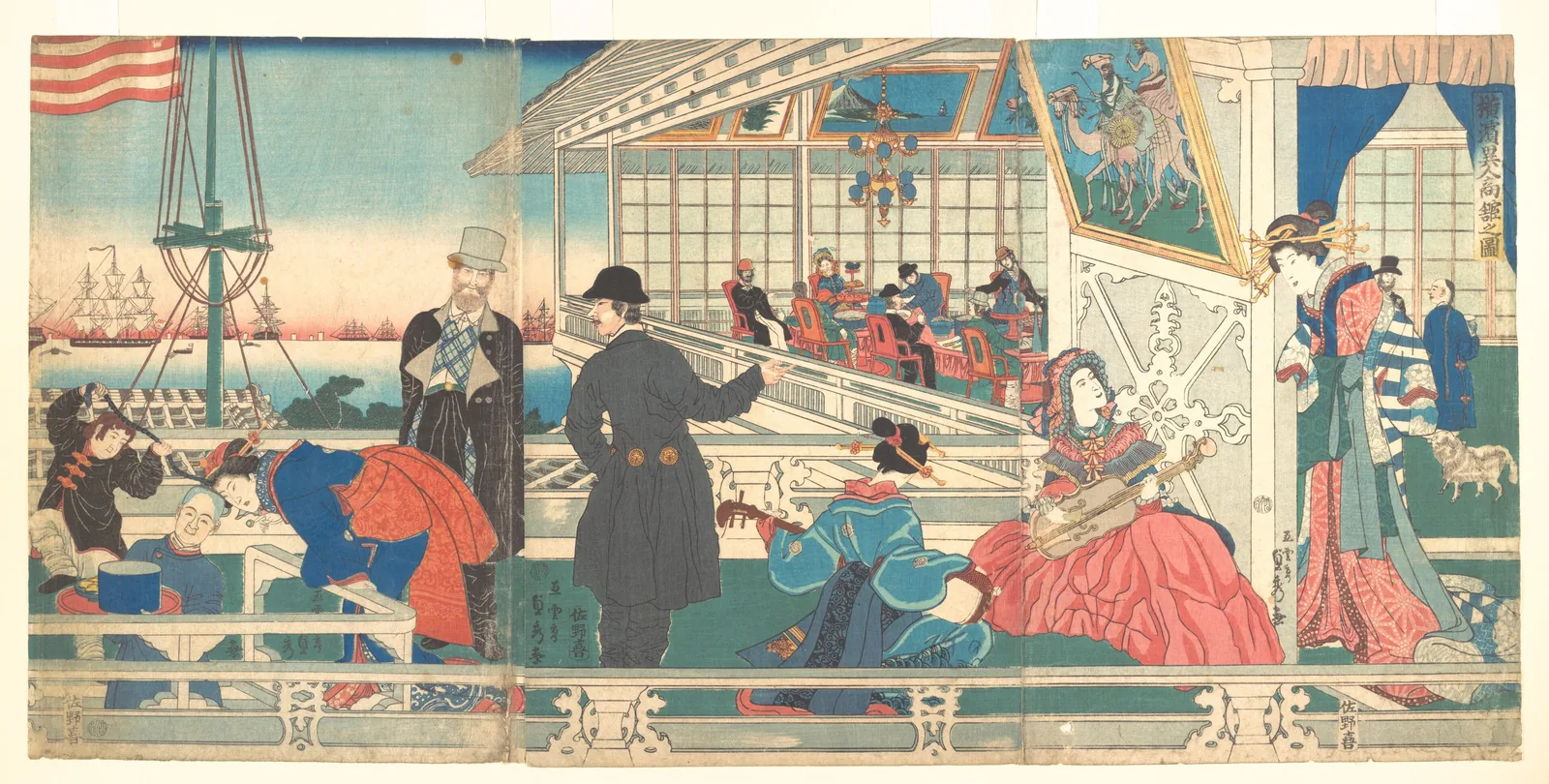
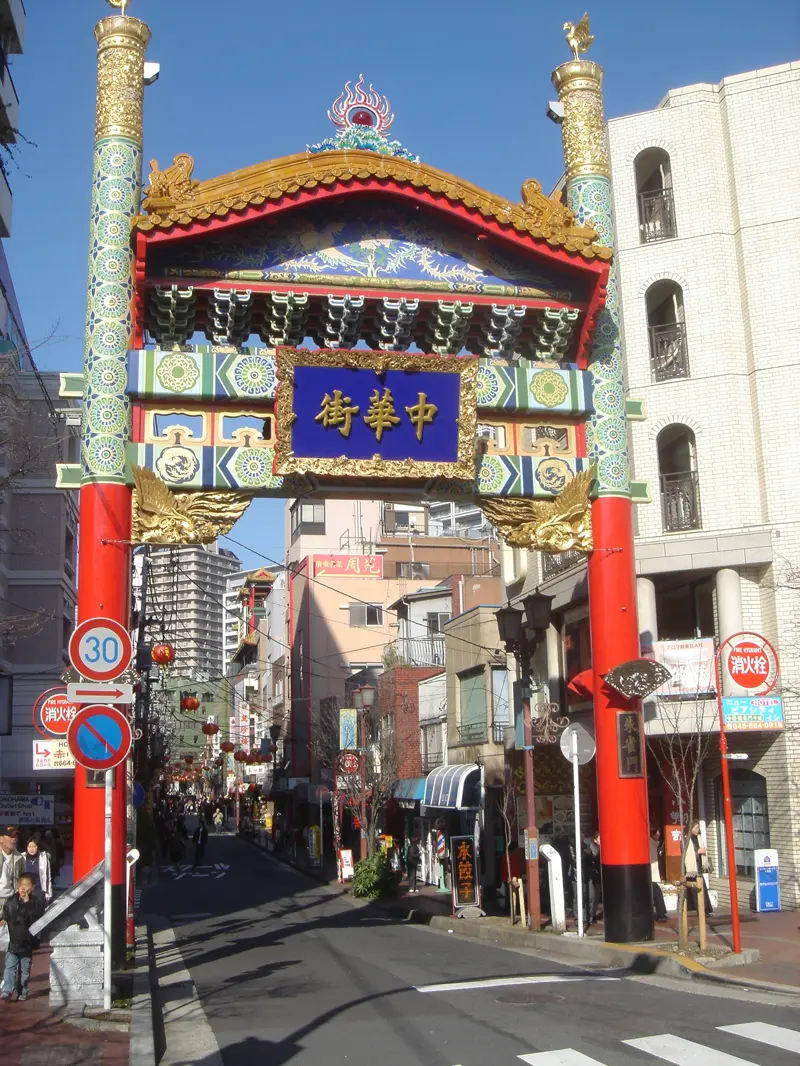
For about forty years, everything foreign entered Japan through one gate. The result is a city where you can still eat, drink and walk through the moment each thing arrived — and several of them were invented here rather than merely imported.
A port that is the only legal door produces a strange concentration. Between 1859 and the end of the century, an implausible share of everything modern in Japan happened first in Yokohama, usually within a few streets of each other.
The list, which is genuinely absurd
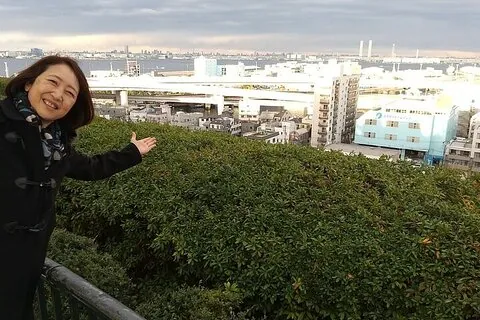
Beer. A Norwegian-American named William Copeland opened a brewery on the Yamate bluff around 1870, using spring water from the hillside. His company failed; its assets became the Japan Brewery Company in 1885, which became Kirin. Japanese beer starts on this hill.
Ice cream. Sold in 1869 near Bashamichi as aisukurin, at a price that made it a curiosity for the wealthy. A monument marks the spot.
The daily newspaper. The Yokohama Mainichi Shimbun, 1871 — Japan's first daily paper, printed on movable type.
The railway. Shimbashi to Yokohama, October 1872. Fifty-three minutes, and the emperor rode it.
Gas street lighting (Bashamichi, 1872), photography as a business (Shimooka Renjo's studio, 1862), tennis (the Yamate courts, 1876), the Western-style bakery (Uchiki Pan, 1888, still open and still selling the same bread).
And three dishes invented in one hotel
The Hotel New Grand opened in 1927 on the waterfront, built to replace the hotels the earthquake had erased. Its first head chef, a Swiss named Saly Weil, invented doria — rice baked under béchamel — for a guest who wanted something soft. It is now on menus across Japan.
After the war, his Japanese successor Irie Shigetada watched occupation soldiers eating spaghetti with tinned tomato and improved on it. That is Napolitan: soft spaghetti, ketchup, onion, green pepper, sausage — a dish no Italian would claim and no Japanese would give up. The same kitchen produced pudding à la mode, custard pudding fortified with fruit and cream, invented to fill the enormous ice-cream coupes the hotel had bought.
Doria, Napolitan and pudding à la mode were all invented in the same hotel, on the same waterfront, within about twenty years. You can order all three there today.
The timeline
How it happened
1862
Shimooka Renjo opens a photo studio
Photography becomes a Japanese business
1869
Ice cream goes on sale near Bashamichi
Sold as "aisukurin," and very expensive
~1870
Copeland brews beer on the Yamate bluff
The line that eventually becomes Kirin
1871
Japan's first daily newspaper
The Yokohama Mainichi Shimbun
1872
The railway and the gas lamps
Shimbashi–Yokohama in 53 minutes
1927
The Hotel New Grand opens
Doria, then Napolitan, then pudding à la mode
Experience it
Where this becomes real on your port day
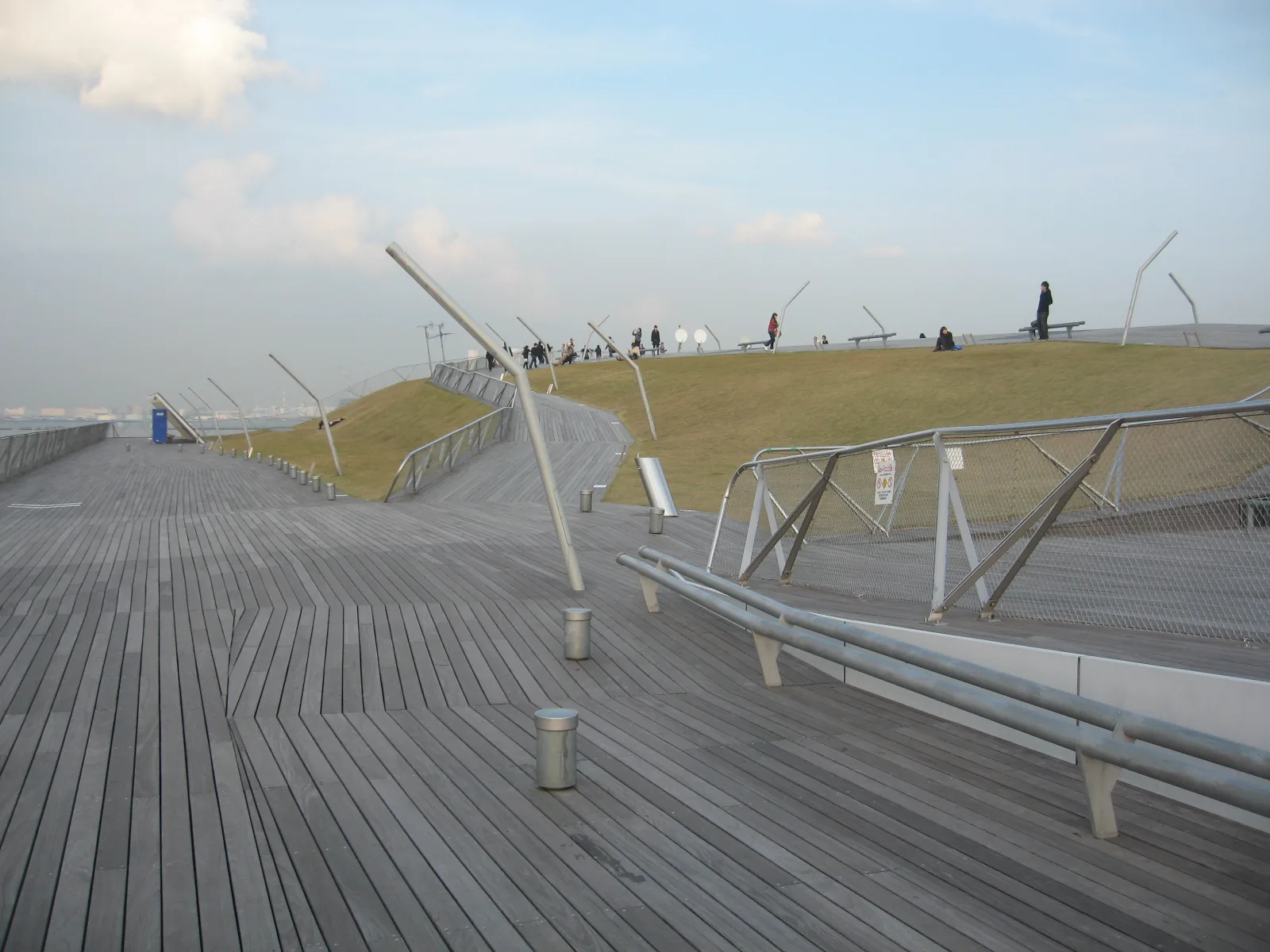
Order Napolitan at the Hotel New Grand, ten minutes from Osanbashi on foot. Then buy bread at Uchiki Pan, open since 1888.
Ketchup spaghetti, invented here after the war. Beloved, and not Italian.
Doria ドリア
Rice baked under béchamel. Invented at the Hotel New Grand in the 1930s.
Yoshoku 洋食
"Western food" — the Japanese genre these dishes belong to.
Aisukurin あいすくりん
The 1869 spelling of ice cream, still used on the monument.
Quick answers
FAQ
What was invented in Yokohama?
Doria, Napolitan spaghetti and pudding à la mode were all created at the Hotel New Grand. Yokohama also saw Japan's first daily newspaper (1871), first railway terminus (1872), first gas street lighting, first commercial photography studio (1862), first tennis courts (1876) and the brewery line that became Kirin.
Where can I eat Napolitan in Yokohama?
At the Hotel New Grand on the waterfront, about ten minutes on foot from Osanbashi Pier, where it was invented after the war by chef Irie Shigetada. It is soft spaghetti with ketchup, onion, pepper and sausage — the taste of the 1950s, and Japanese diners in their sixties order it for exactly that reason.