Ports are not interchangeable. These are the things that happened here — and only here — told properly, then tied to what you can see, taste and book while your ship waits.
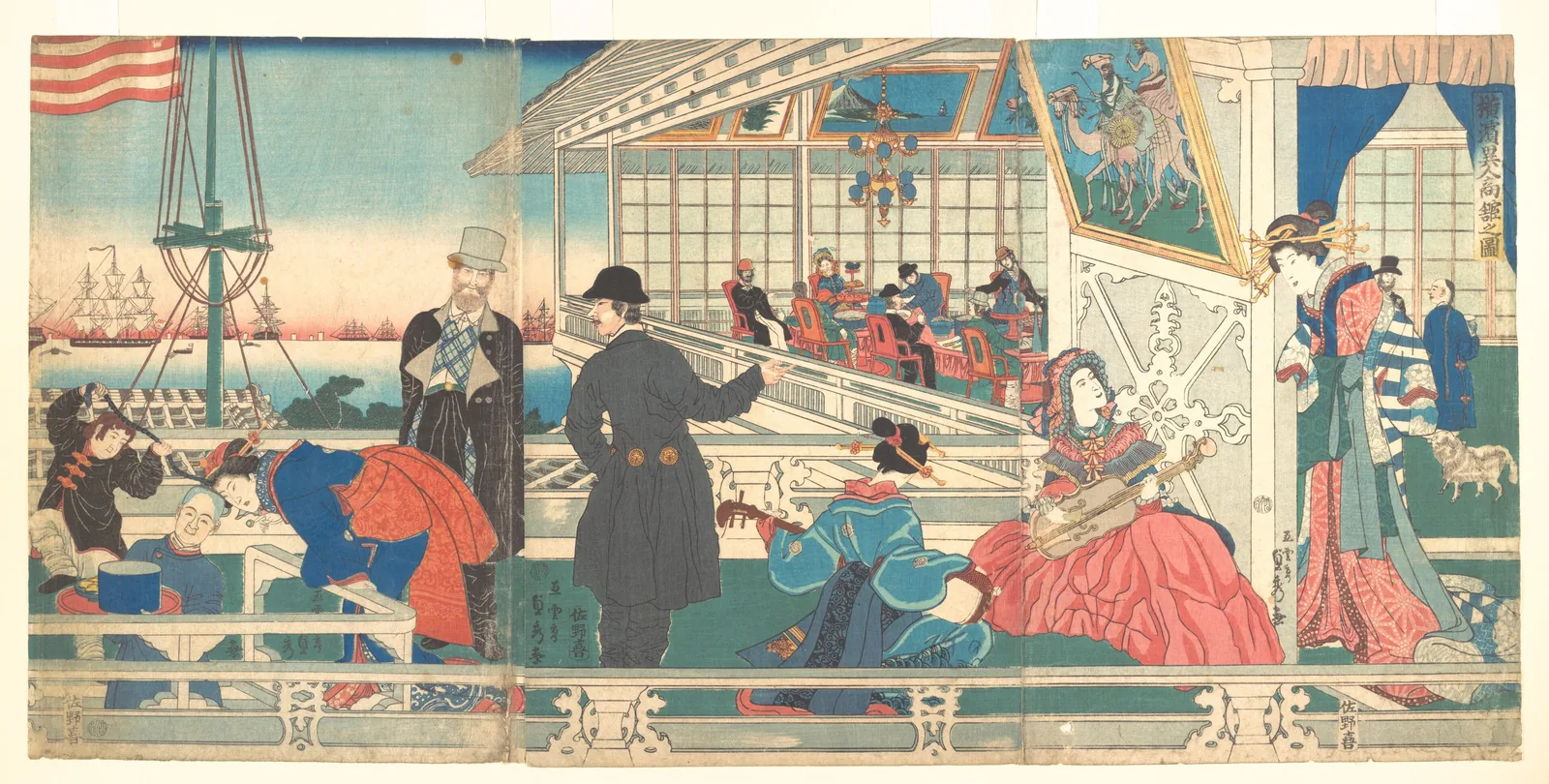
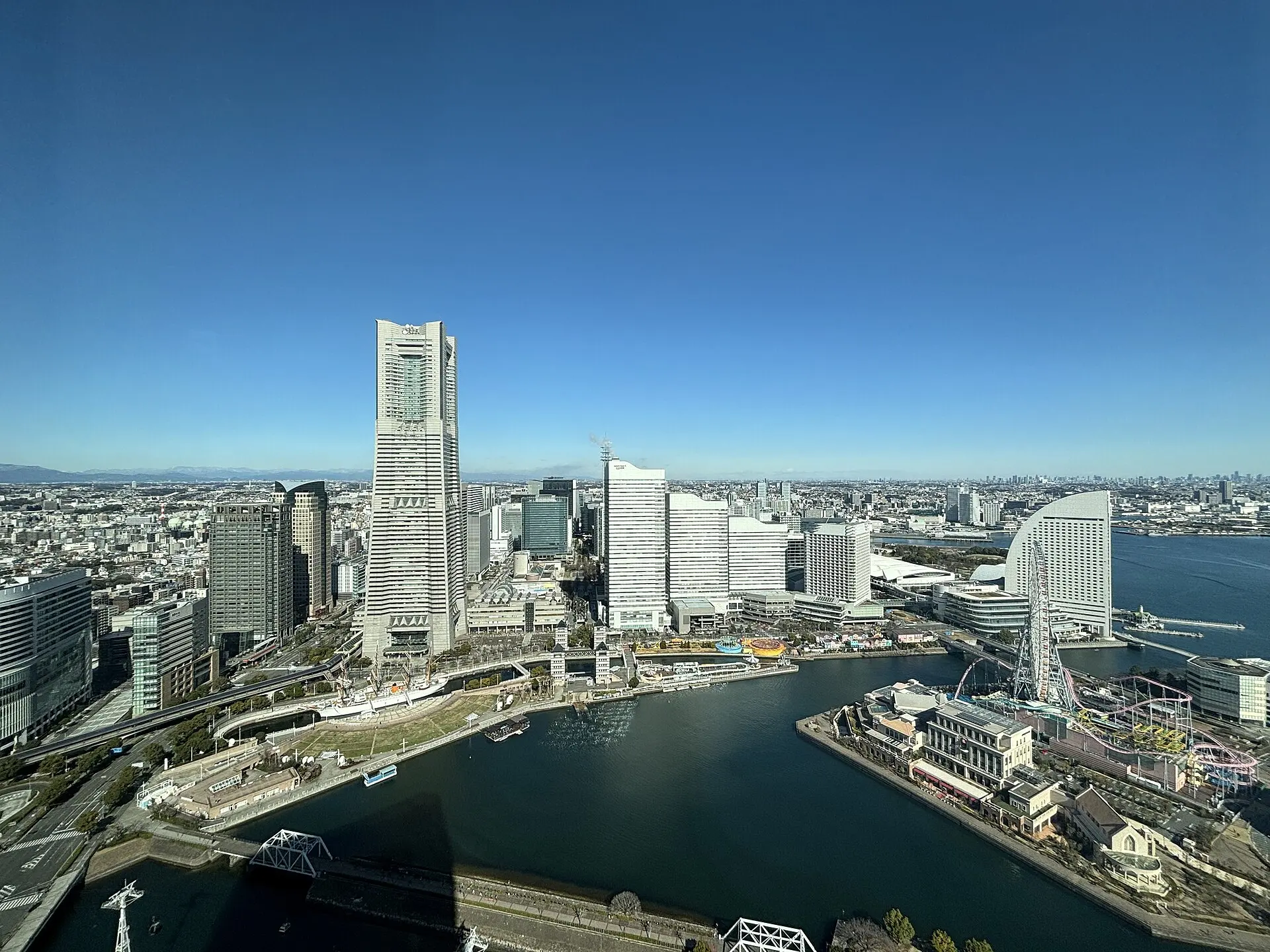
How a hundred houses on a mudflat turned into the place Japan met the world
Read the story →
Beer, ice cream, newspapers, railways, tennis, spaghetti — all of it landed here
Read the story →
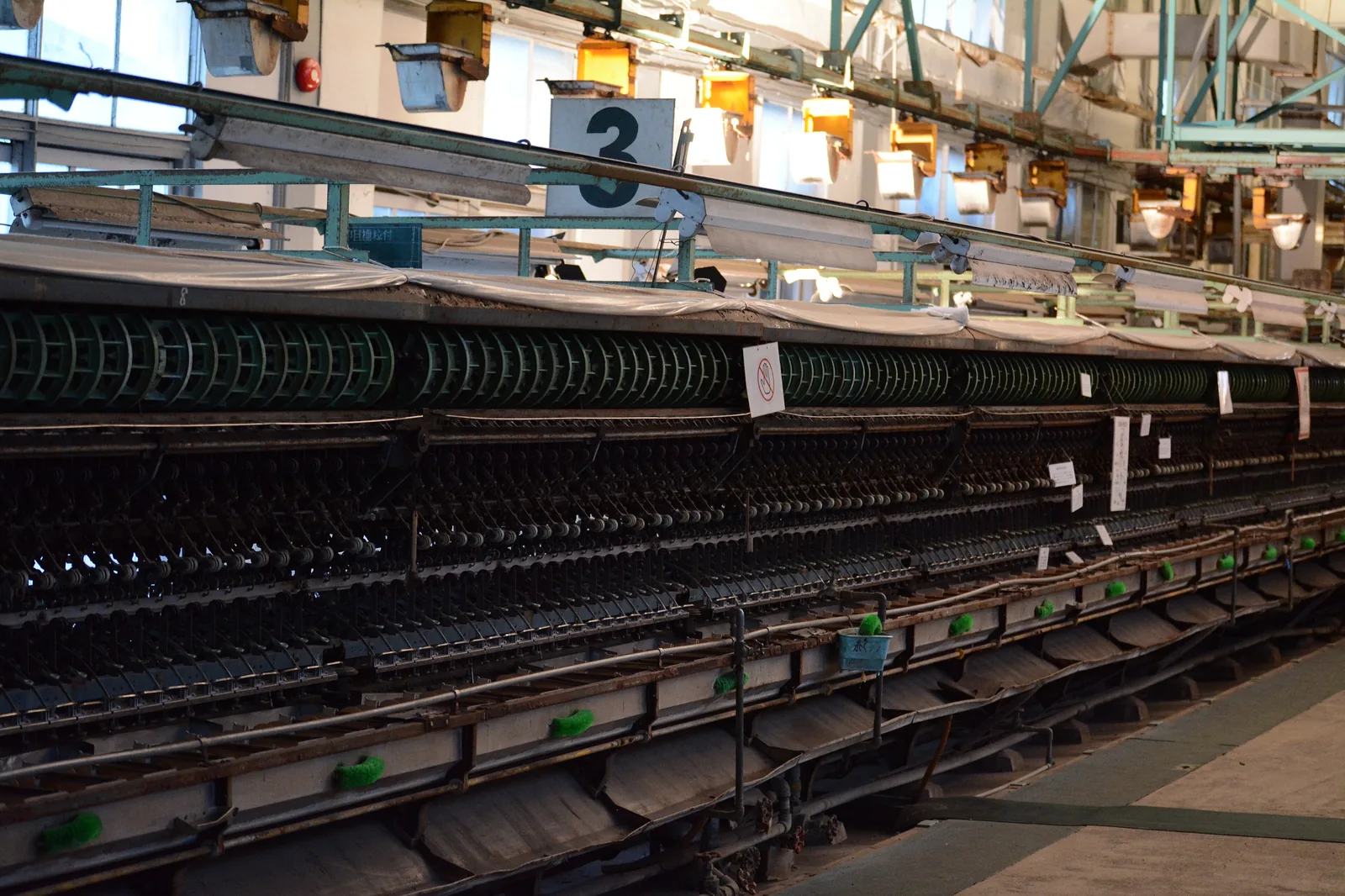
The thread that paid for modern Japan, and the garden it left behind
Read the story →
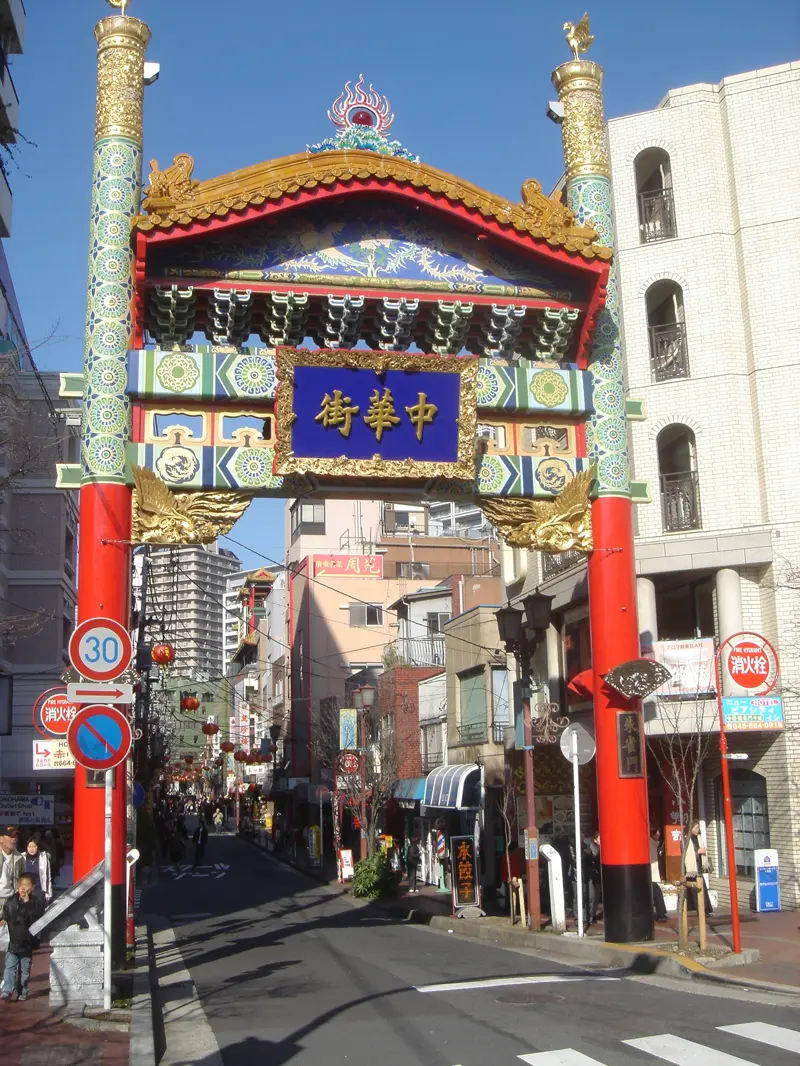
Japan's largest Chinatown, and the interpreters who built it
Read the story →
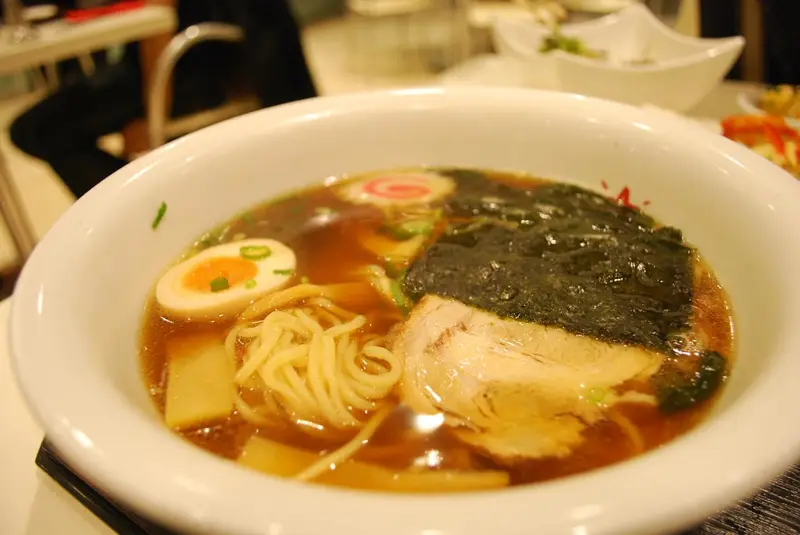
One shop in 1974, thousands today — and it started twenty minutes from your ship
Read the story →Cruise seasons run spring to autumn, but the port changes underneath them. What each month actually offers — and the traps.
Sankeien's plum grove goes first; the crowds have not started.
The Ooka River walk in Minato Mirai is lit at night and lined the whole way.
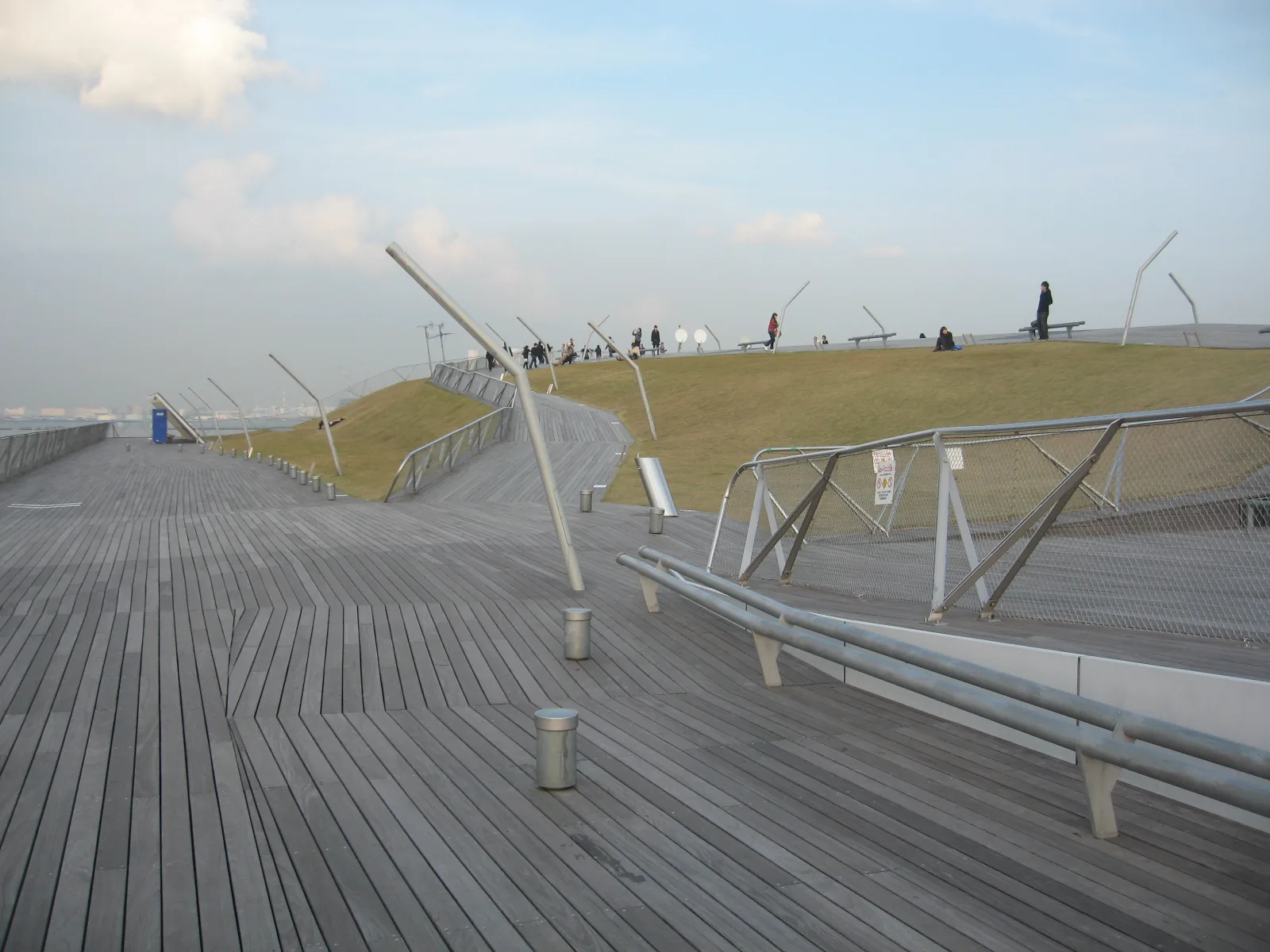
Dry, mild, long evenings on the Osanbashi deck. Roses at Yamashita Park.
Sankeien in rain is quiet and green. The indoor plan works unusually well here.
Evening on the waterfront is the move; midday is not.
Humid enough that Chinatown's air conditioning becomes the itinerary.
Late September turns comfortable and the cruise calls stack up.
The single best month: dry, warm, and every terminal busy.
Late November into early December is the peak, with evening illumination.
Winter air gives the sharpest harbour views of the year. Chinese New Year falls here.
No typing needed — jump straight in:
Just docked? — the gangway toolStart from your shipThe ride from every berthAsk the editor