
The god of seafarers
Seven hundred and eighty-five steps, and dogs sent up them on their owners’ behalf
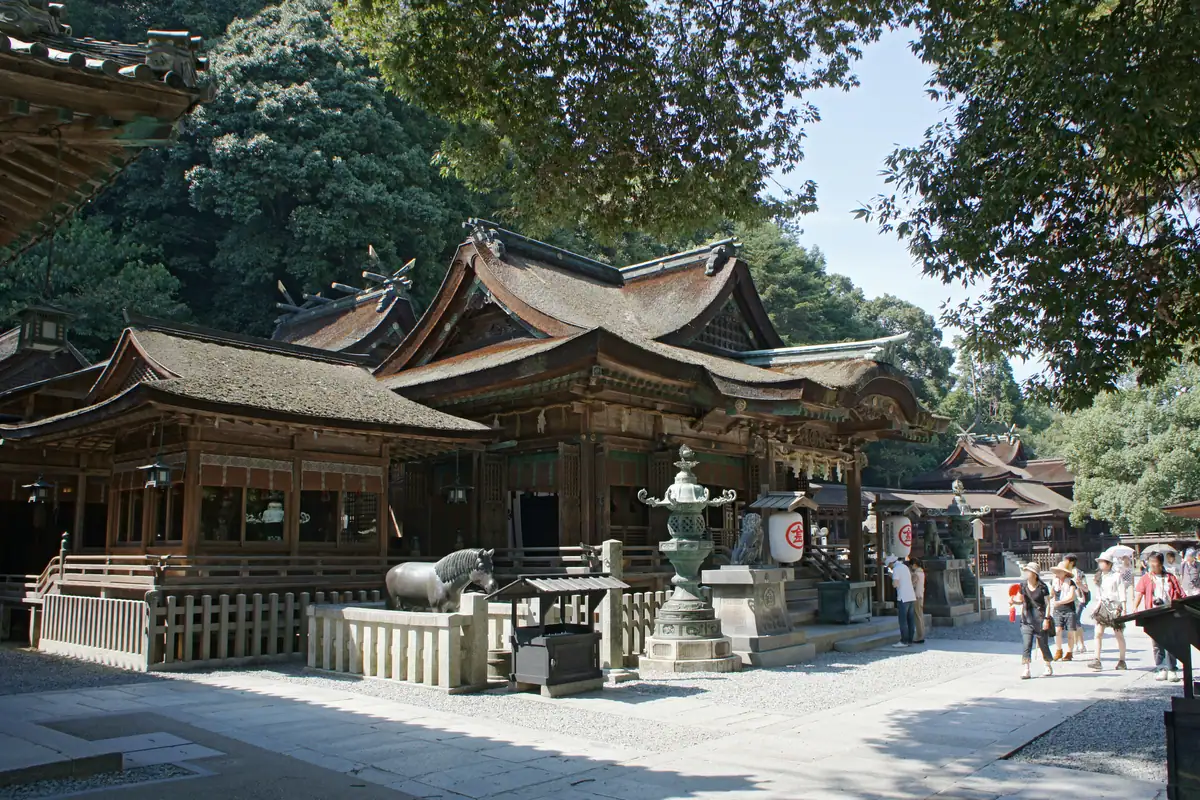
Kotohira-gu is the head shrine of Konpira, the deity sailors pray to. Seven hundred and eighty-five stone steps to the main hall, 1,368 to the inner shrine. For those who could not make the climb there was a substitute: you sent your dog.
The shrine sits on Mount Zozu in western Kagawa, and its deity — Omononushi, worshipped as Konpira — protects those who go to sea. Ships have hung votive plaques here for centuries, and vessels still leave models, photographs and steering wheels in the shrine’s collection.
The steps
It is 785 steps to the main hall and 1,368 to the inner shrine, up a stone approach lined with shops. There are palanquin bearers who will carry you part of the way for a fee, and a genuine number of visitors turn back.
The climb is the offering. That is the point of the design.
A pilgrim who could not go sent a dog. It wore a bag with money and a note explaining where it was going, and travellers along the road fed it and passed it on until it reached the shrine and came home.
Konpira dogs
The Konpira-inu is documented in Edo-period accounts. Pilgrimage was expensive and difficult and most people could not leave their work, so proxy pilgrimage was normal — by a neighbour, a paid substitute, or a dog with a purse tied to its neck.
That this worked at all says something about how travel functioned along the Edo road system. There is a statue of one at the shrine, and the souvenir shops sell small versions.
And a theatre nobody expects
At the foot of the approach stands Kanamaruza, built in 1835 and the oldest surviving kabuki playhouse in Japan. Outside performance season you can walk into it, go under the stage, and see the hand-operated revolve and the trap mechanisms that stagehands worked by muscle.
Almost nobody visits it and it is one of the more remarkable interiors in Shikoku.
How it happened
- ancientOmononushi enshrined on Mount Zozu
Worshipped as Konpira, protector of seafarers
- Edo periodKonpira pilgrimage becomes a mass practice
Second only to Ise in popularity
- Edo periodKonpira-inu — proxy pilgrimage by dog
A purse, a note, and strangers along the road
- 1835Kanamaruza is built at the foot of the hill
Japan’s oldest surviving kabuki playhouse
- today785 steps to the main hall
1,368 to the inner shrine
Where this becomes real on your port day
Climb to the main hall, then go into Kanamaruza and under the stage. Almost nobody does the second part.
The vocabulary of Konpira
- Konpira 金毘羅
- The deity of seafarers. Ships still leave offerings here.
- Konpira-inu こんぴら狗
- A dog sent on pilgrimage with a purse, fed by strangers.
- Kanamaruza 金丸座
- Built 1835. Japan’s oldest surviving kabuki theatre.
- Ema 絵馬
- Votive plaques. Here they are ships, and there are a great many.
FAQ
How many steps are there at Kotohira-gu?
Seven hundred and eighty-five to the main hall and 1,368 to the inner shrine, up a stone approach lined with shops. Palanquin bearers will carry visitors part of the way for a fee, and a genuine number of people turn back — the climb is understood as the offering.
What is a Konpira dog?
A proxy pilgrim. Pilgrimage to Kotohira-gu was expensive and most people could not leave their work, so someone unable to go would send a dog wearing a purse of money and a note explaining its destination. Travellers along the road fed it and passed it on until it reached the shrine and returned home.
More from Takamatsu

A prefecture that eats more noodles than anywhere in Japan, because it could not grow rice
Read →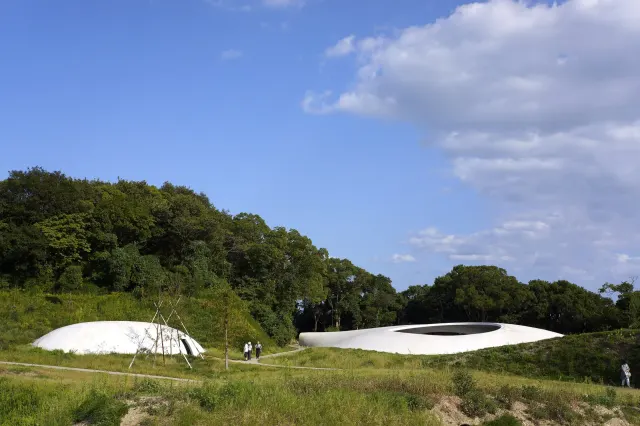
Depopulated, industrially damaged, and then rebuilt around museums
Read →
Borrowed scenery, 1,400 hand-pruned pines, and a grievance about rankings
Read →
Three thousand islands, tidal races, and the families who taxed everyone who passed
Read →