
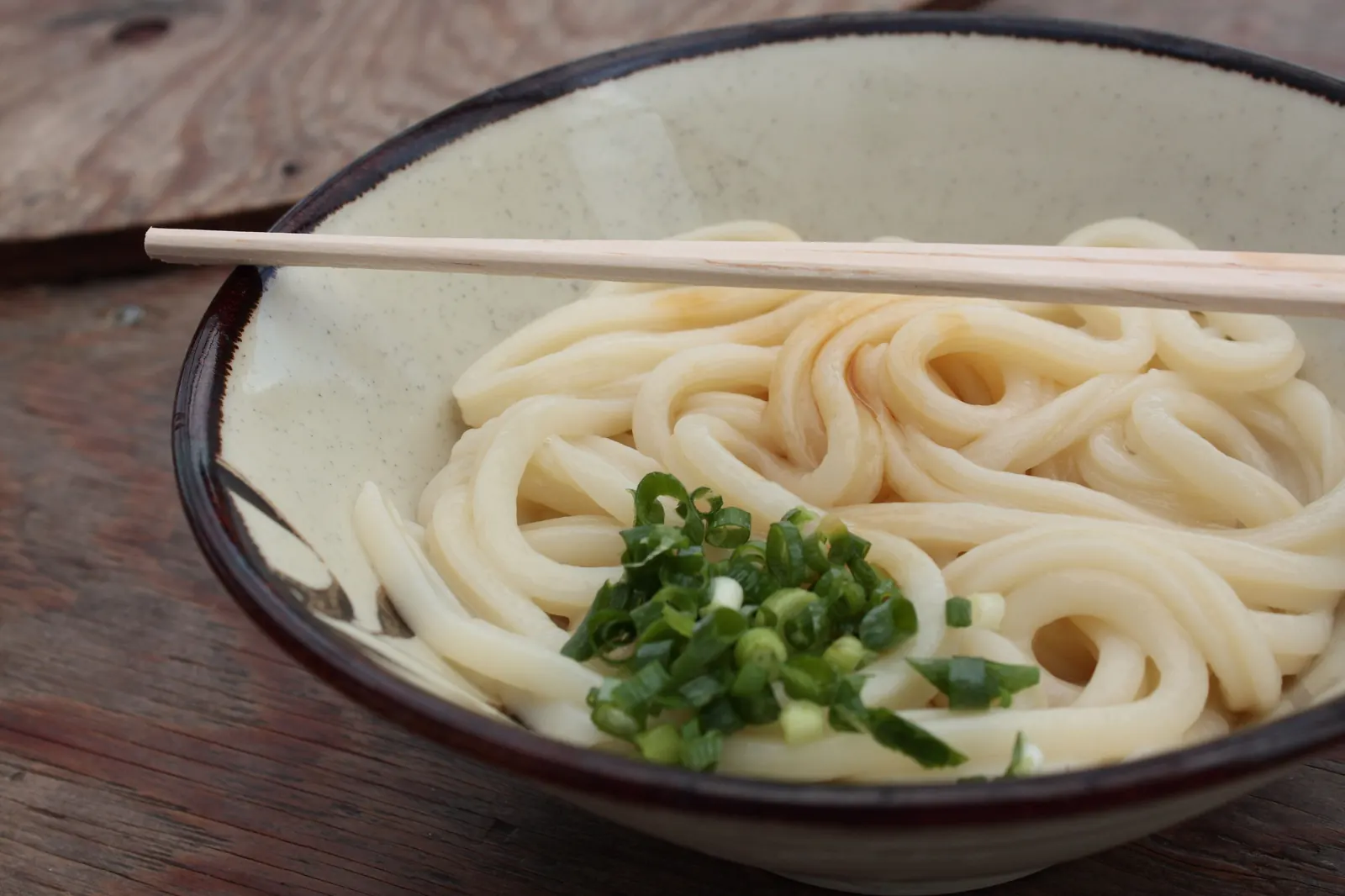
Sanuki udon
A prefecture that eats more noodles than anywhere in Japan, because it could not grow rice
Kagawa is the smallest prefecture in Japan and eats the most udon. That is not a quirk of taste — it is what happens when a region has too little rain for rice, plenty of wheat and salt, and a sea full of the small dried fish that make the broth.
The old province name was Sanuki, and the name still attaches to the noodles. The conditions are the explanation: a rain shadow behind the Shikoku mountains, so rice was difficult and wheat was not; salt from the flats along the Inland Sea; and iriko, dried sardine, from the same water.
Water, wheat flour, salt, and a stock made from those small fish. There is nothing else in it.
The self-service system, which confuses everybody
The famous Kagawa format is the seimenjo — a noodle mill that also feeds people. You take a bowl from a stack, hand it over and say the size, the noodles are dropped into hot water and returned, and then you do the rest yourself: broth from a tap, spring onion and ginger from a tray, tempura from a counter, and you pay at the end by what is on your tray.
Prices start around three hundred yen. The best bowls in the prefecture are frequently in sheds with no sign.
Order by naming the format, not the toppings. <strong>Kake</strong> is hot broth poured over. <strong>Bukkake</strong> is a smaller amount of stronger broth. <strong>Kamaage</strong> is served in its own hot water with dipping sauce. <strong>Kamatama</strong> is straight from the pot onto a raw egg.
Kamatama is the one to try
Hot noodles, lifted from the boiling water and put straight into a bowl with a raw egg and a splash of dashi soy. The heat of the noodles cooks the egg into a sauce as you stir. It is Japanese carbonara and it takes ninety seconds to make.
It also has to be eaten immediately, which is why it is rarely on menus outside this prefecture.
And the texture argument
Sanuki udon is defined by koshi — a springy resistance in the bite that comes from the gluten and from working the dough, traditionally by treading it under foot. Noodles are cut thick and square-edged.
A Kagawa person will tell you that udon elsewhere is soft. They are usually right, and they will not let it go.
How it happened
- geographyA rain shadow, so wheat rather than rice
Plus salt flats and dried sardine
- Edo periodUdon becomes the everyday food
Cheap, filling, and made from what is here
- 20th c.Noodle mills start feeding customers
The self-service seimenjo format
- todayKagawa eats the most udon in Japan
From about ¥300, in sheds with no sign
Where this becomes real on your port day
Have kamatama at a self-service mill, then a small kake somewhere else. Twice in one day is normal here.

The vocabulary of udon
- Seimenjo 製麺所
- A noodle mill that also feeds you. Carry your own bowl.
- Kamatama 釜玉
- Straight from the pot onto a raw egg. Japanese carbonara.
- Koshi コシ
- The springy resistance in the bite. The whole argument.
- Iriko いりこ
- Dried sardine. The stock, and the reason it tastes like the Inland Sea.
FAQ
What makes Sanuki udon different?
Koshi — a springy resistance in the bite from the gluten and from working the dough, traditionally by treading it. The noodles are cut thick and square-edged, and the broth is made from iriko, small dried sardines from the Inland Sea. Kagawa eats more udon per head than anywhere in Japan.
How do I order at a self-service udon shop?
Take a bowl from the stack, say the size, and the noodles are boiled and returned to you. Then add broth from the tap, spring onion and ginger from the tray, and tempura from the counter, and pay at the end for what is on your tray. Order by format — kake, bukkake, kamaage or kamatama — rather than by topping.
More from Takamatsu
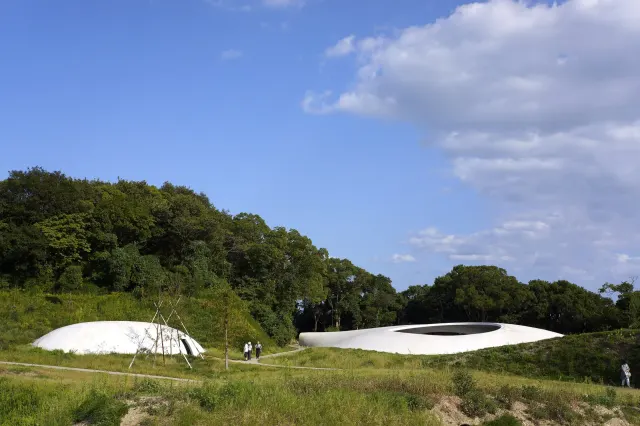
Depopulated, industrially damaged, and then rebuilt around museums
Read →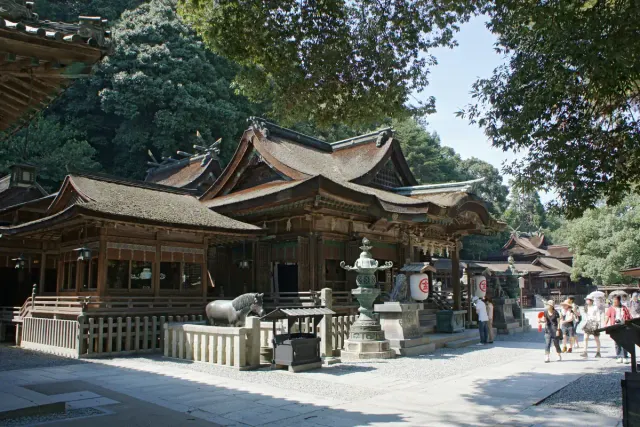
Seven hundred and eighty-five steps, and dogs sent up them on their owners’ behalf
Read →
Borrowed scenery, 1,400 hand-pruned pines, and a grievance about rankings
Read →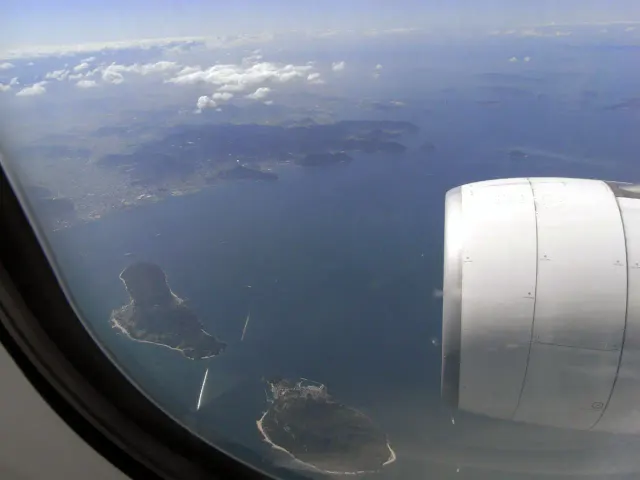
Three thousand islands, tidal races, and the families who taxed everyone who passed
Read →