PORT OF JAPAN
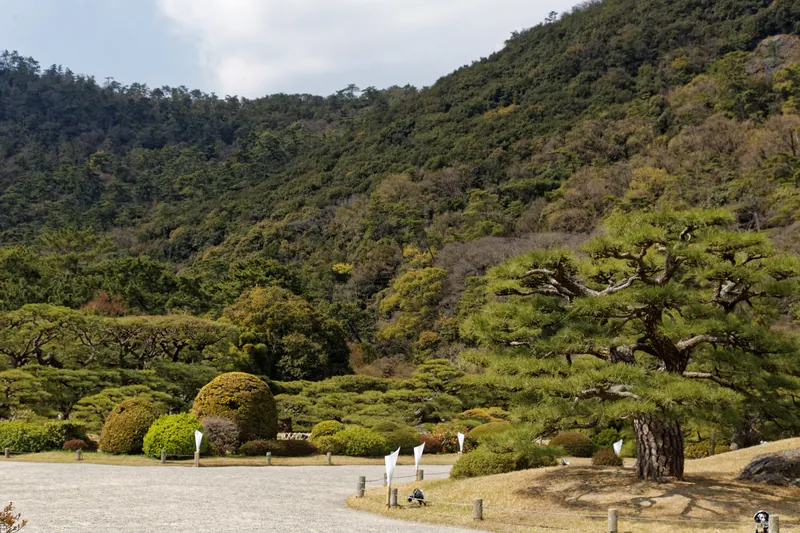
Ritsurin Garden with pines and a pond in Takamatsu

Home / Ports / Takamatsu / Culture

Culture & history · Takamatsu

Why Takamatsu is Takamatsu

The things that happened here and only here, told properly, then tied to what you can see, taste and book while your ship waits.

Photo: KimonBerlin / CC BY-SA 2.0
What Takamatsu is

Takamatsu in 5 stories

Takamatsu is the port city of Kagawa, Japan's smallest prefecture, on the Seto Inland Sea, a water of some three thousand islands. It is known for Ritsurin, a garden of six ponds and a thousand hand-trained pines, for Naoshima, the art island an hour offshore, and for Sanuki udon. Every ship ties up at the Sunport quay in the city centre, a castle moated by seawater 10–12 minutes on foot and the garden seven by train.

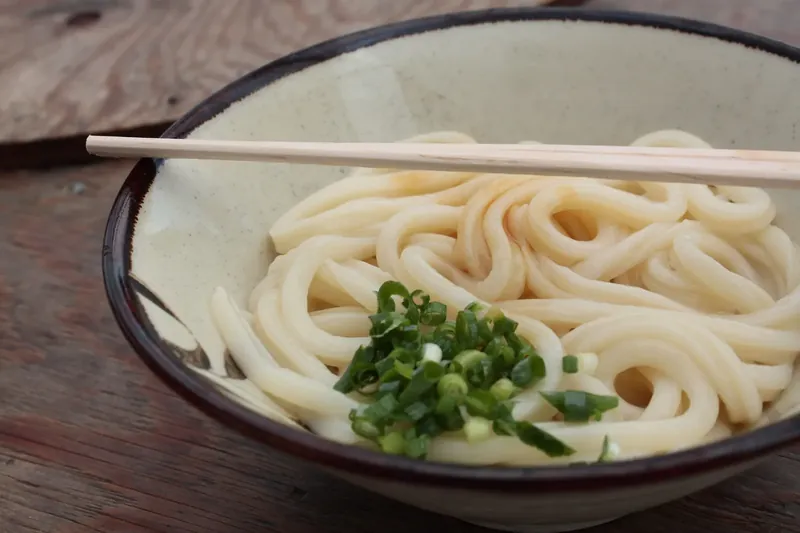
A bowl of kama-age sanuki udon
01 · The bowl

Sanuki udon

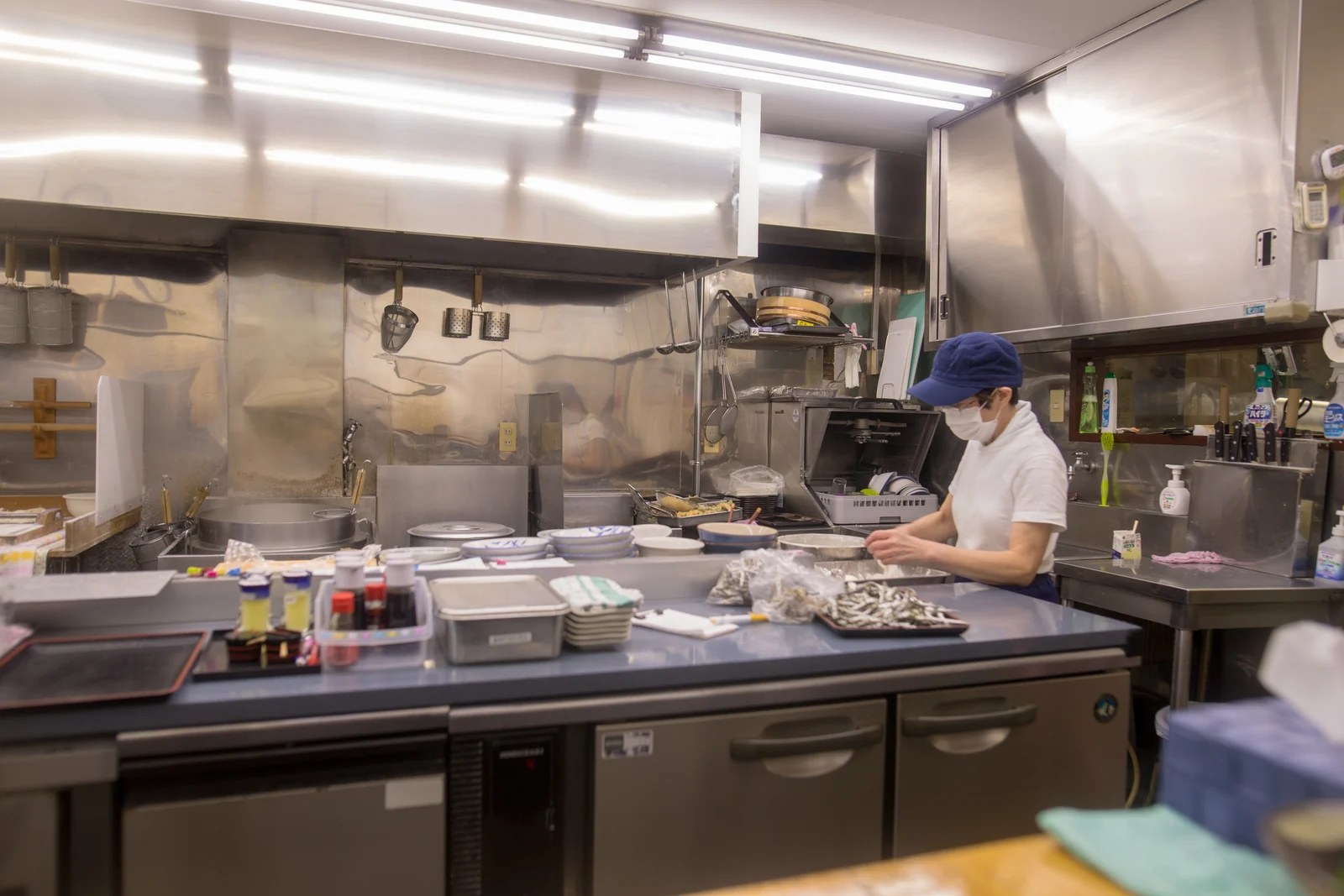
Kagawa is the smallest prefecture in Japan and eats the most udon. That is not a quirk of taste — it is what happens when a region has too little rain for rice, plenty of wheat and salt, and a sea full of the small dried fish that make the broth.

Read the story →
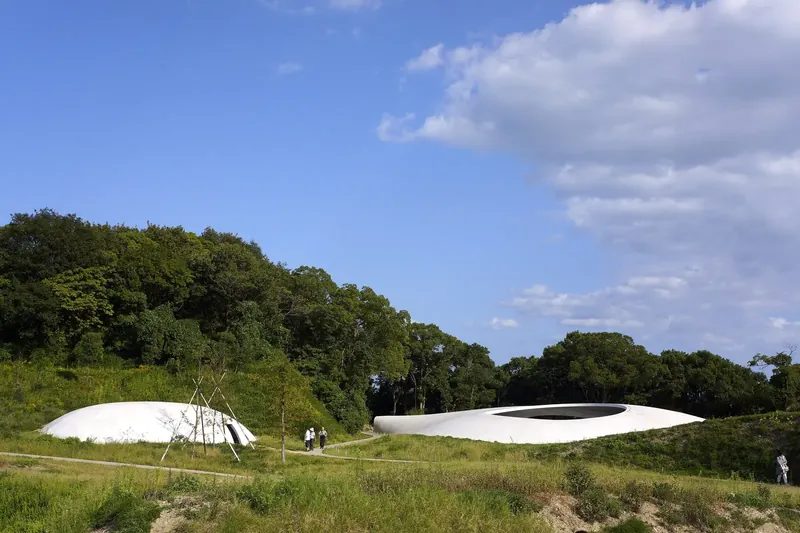
The Teshima Art Museum, a white concrete shell in a hillside
02 · The islands

What art did to the islands

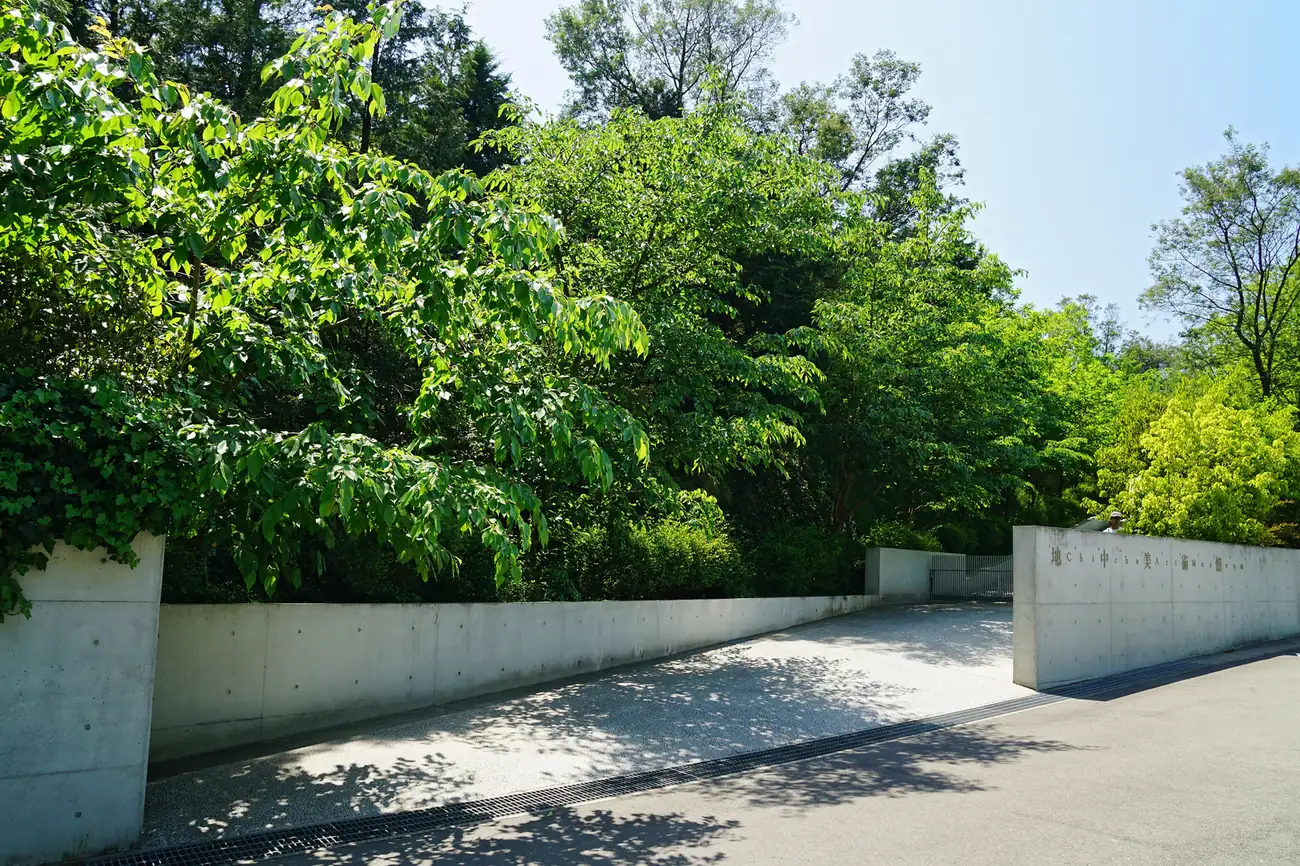
Naoshima refined copper and poisoned its own hillsides. Teshima was used as an illegal industrial waste dump for over a decade. Both islands were emptying. Then someone decided to put world-class contemporary art on them, and it worked — which is a much stranger story than the pumpkin on the jetty suggests.

Read the story →
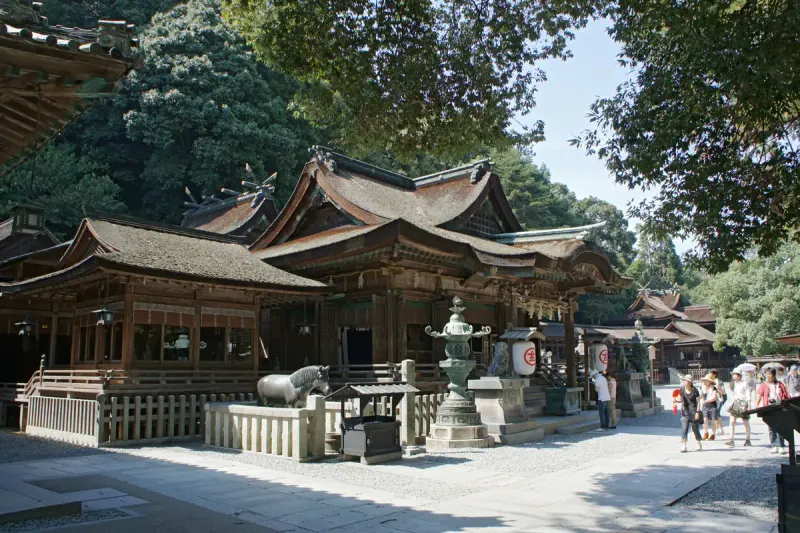
The main hall of Kotohira-gu
03 · The shrine

The god of seafarers

Kotohira-gu is the head shrine of Konpira, the deity sailors pray to. Seven hundred and eighty-five stone steps to the main hall, 1,368 to the inner shrine. For those who could not make the climb there was a substitute: you sent your dog.

Read the story →
The south pond at Ritsurin Garden, Takamatsu
04 · The garden

A century of gardening

Ritsurin is seventy-five hectares, took over a century to build, borrows an entire mountain as its backdrop, and is not on the official list of Japan’s Three Great Gardens. Kagawa has never quite got over this, and the practical result is that you can walk it in peace.

Read the story →
Islands of the Seto Inland Sea
05 · The sea

The Seto Inland Sea

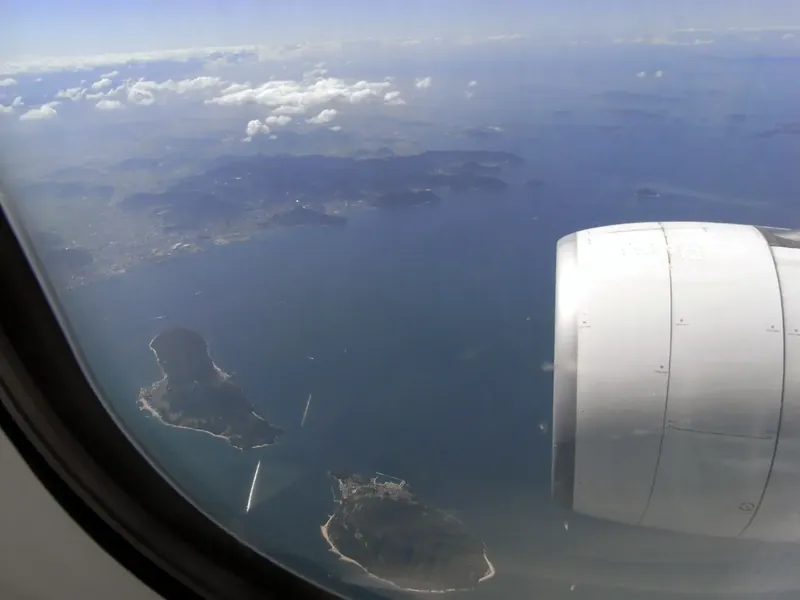
The water your ship is sitting in has about three thousand islands in it, tides that run through narrow straits like rivers, and a history of families who controlled those straits so effectively that the Portuguese called them pirates and the Japanese called them a navy.

Read the story →
The year in Takamatsu

When to come, and what you'll find

Cruise seasons run spring to autumn, but the port changes underneath them.

MarchCool, and the islands reopen

Ferries increase as the season starts. Ritsurin’s plums finish and the cherries begin.

AprilCherry blossom at the castle and the garden

Ritsurin and Tamamo Park both flower. The best-looking month of the year.

MayThe best walking month

Dry, mild and long-lit. Island ferries are pleasant rather than hot.

JuneRainy season, briefly

The Inland Sea side is drier than the Pacific side. Arcades and udon are unaffected.

JulyHot, and the sea is calm

Island hopping is at its easiest. Start early and eat udon at midday.

AugustPeak heat and peak visitors

The islands are busy. Ritsurin opens before six — use that.

SeptemberTyphoon watch, then clarity

Ferries can cancel. Late September is excellent.

OctoberThe other best month

Clear, mild, and the Setouchi Triennale runs in its autumn session in festival years.

NovemberAutumn colour at Ritsurin

Late November, with evening illumination. The garden at its finest.

Dec–FebCool and very quiet

Few ships. Udon is a winter food and the arcades are covered.

Read the culture, then plan the clock: the Takamatsu day plans and the Top 10 turn all of this into a day that ends at the gangway with an hour to spare.