
What art did to the islands
Depopulated, industrially damaged, and then rebuilt around museums
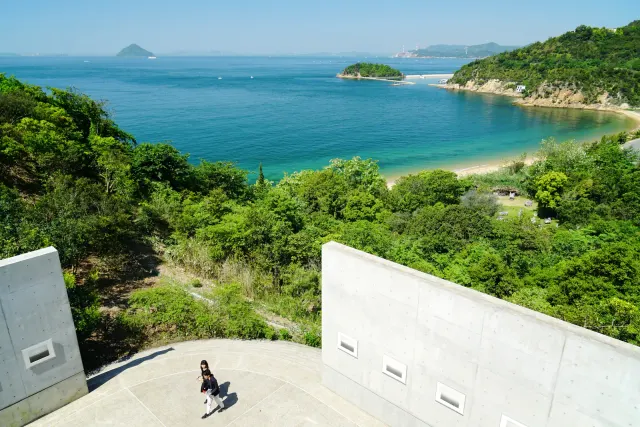
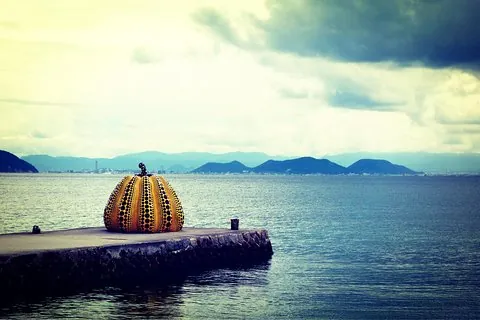
Naoshima refined copper and poisoned its own hillsides. Teshima was used as an illegal industrial waste dump for over a decade. Both islands were emptying. Then someone decided to put world-class contemporary art on them, and it worked — which is a much stranger story than the pumpkin on the jetty suggests.
The Inland Sea islands shared one trajectory in the twentieth century: young people left, populations aged, and industries that had sustained them either closed or damaged the place. Naoshima had a copper refinery. Inujima had a copper smelter that operated for a decade and left ruins. Teshima was the site of one of Japan’s worst illegal industrial waste scandals, with hundreds of thousands of tonnes dumped from the 1970s.
The intervention
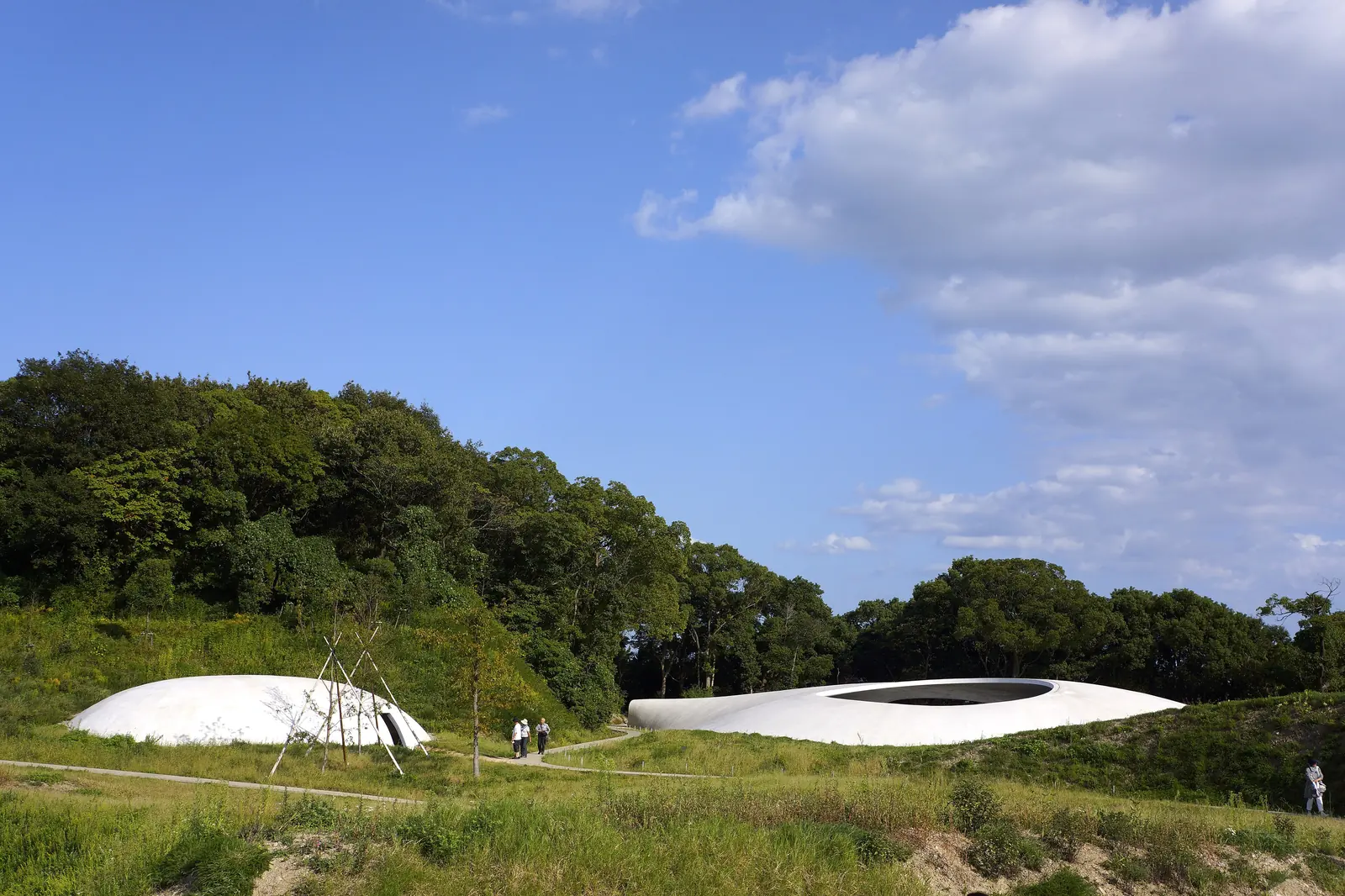
From the late 1980s the Benesse group began buying land on Naoshima and commissioning Tadao Ando. The consistent decision was that buildings should not break the skyline — Chichu Art Museum is effectively underground, lit by daylight shafts cut through the hill.
Then the strategy widened. Empty houses in Honmura village were given to artists one at a time — the Art House Project — including a former dentist’s surgery with a Statue of Liberty inside it. Teshima got a museum that is a curved concrete shell with no exhibits at all: water rises through pinholes in the floor and moves.
The Setouchi Triennale, from 2010 and every three years since, extended the model across a dozen islands. It is now among the most visited contemporary art events in Asia.
What it actually did
Visitor numbers to Naoshima went from negligible to hundreds of thousands a year. Ferries increased. Cafés and guesthouses opened, some run by people who moved back. The islands did not stop ageing, but the decline stopped being terminal.
It is also, honestly, contested. Residents of some islands are ambivalent about being a venue, and the busiest sites in Triennale years are crowded in a way that undercuts what made them work. But as a piece of regional policy it is one of the most successful things Japan has done with contemporary art.
For a port day
Naoshima needs eight hours from Takamatsu and Chichu needs a timed ticket booked before you sail. Most museums close on Mondays.
The alternative almost nobody takes: Megijima is twenty minutes away and Ogijima forty. Both carry Triennale works, both have villages worth walking, and on an ordinary weekday you may be the only visitor on either.
How it happened
- 20th c.Refining, smelting, and a waste scandal
Islands damaged and emptying
- late 1980sBenesse begins buying land on Naoshima
And commissions Tadao Ando
- 2004Chichu Art Museum opens
Underground, lit by daylight shafts
- 2010Teshima Art Museum, and the first Triennale
A shell with no exhibits, and twelve islands
- every 3 yearsThe Setouchi Triennale
Among Asia’s most visited art events
Where this becomes real on your port day
On a short call take Megijima or Ogijima instead. Twenty to forty minutes out, real art, and nobody there.
The vocabulary of the art islands
- Setouchi 瀬戸内
- The Inland Sea. Calm water, and about three thousand islands.
- Chichu 地中美術館
- "In the earth." A museum built so it does not break the skyline.
- Ie Project 家プロジェクト
- Empty village houses given to artists, one at a time.
- Triennale トリエンナーレ
- Every three years, across a dozen islands, since 2010.
FAQ
Why is there so much art on the Inland Sea islands?
Because the islands were emptying and damaged. Naoshima had a copper refinery, Inujima a smelter, and Teshima was the site of one of Japan’s worst illegal waste dumping scandals. From the late 1980s the Benesse group bought land and commissioned Tadao Ando, and the model widened into the Setouchi Triennale from 2010.
Which art island should I visit on a short call?
Megijima or Ogijima — twenty and forty minutes from Takamatsu respectively, both carrying Setouchi Triennale works, and both nearly empty on an ordinary weekday. Naoshima needs a full eight-hour stop ashore plus a Chichu ticket booked before you sail.
More from Takamatsu
A prefecture that eats more noodles than anywhere in Japan, because it could not grow rice
Read →
Seven hundred and eighty-five steps, and dogs sent up them on their owners’ behalf
Read →
Borrowed scenery, 1,400 hand-pruned pines, and a grievance about rankings
Read →
Three thousand islands, tidal races, and the families who taxed everyone who passed
Read →