PORT OF JAPAN
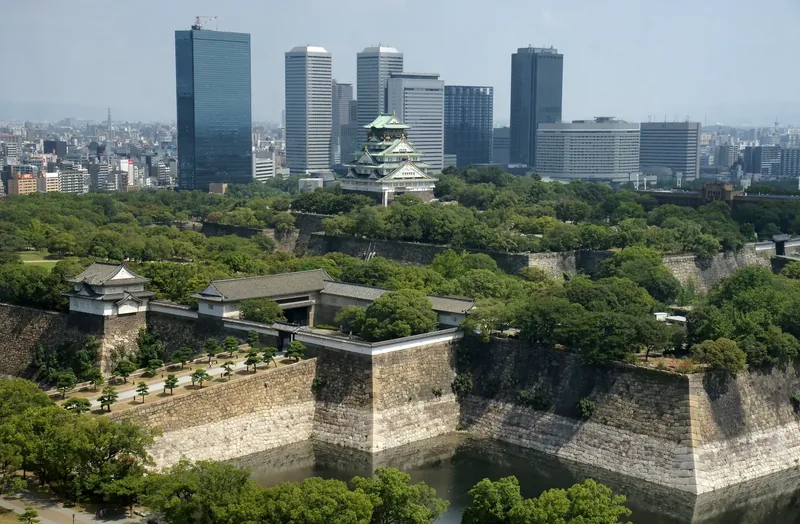
Osaka Castle keep rising above its stone walls and moat

Home / Ports / Osaka / Culture

Culture & history · Osaka

Why Osaka is Osaka

The things that happened here and only here, told properly, then tied to what you can see, taste and book while your ship waits.

Photo: 663highland / CC BY 2.5
What Osaka is

Osaka in 5 stories

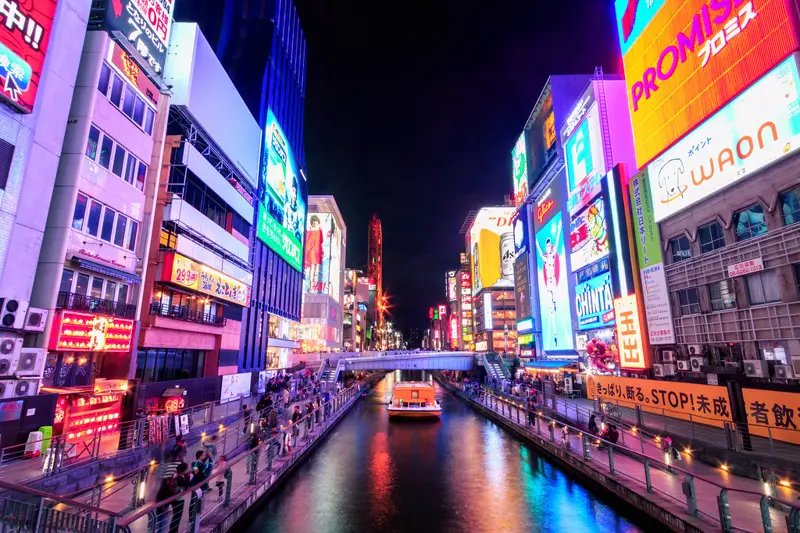
Osaka is the city Japan calls its kitchen, a merchant town in a country once run by warriors, where money outranked birth. It is known for food eaten standing up, for Osaka Castle, whose walls saw old Japan's last great battle in 1615, and for comedy as a civic duty. Every ship docks at Tempozan, beside the aquarium, five minutes' walk from a subway that reaches the castle and Dotonbori's takoyaki stalls in 15–25 minutes.

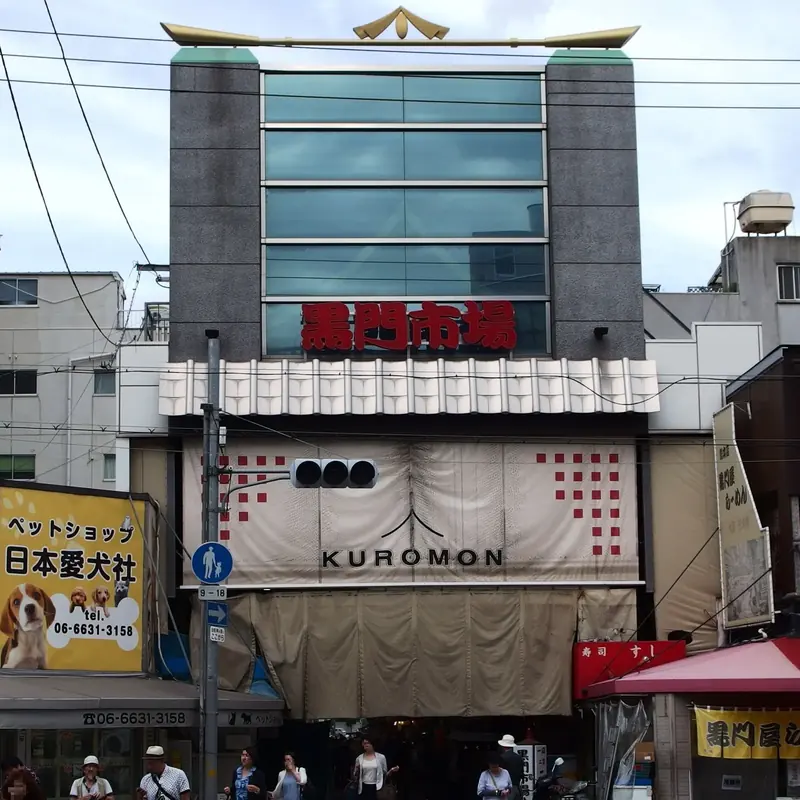
Stalls at Kuromon Ichiba market, Osaka
01 · The history

The nation’s kitchen

For most of the Edo period, the rice that paid every samurai in Japan was shipped to Osaka, warehoused by merchants, and sold. The city was called the nation’s kitchen, and it produced something Japan had nowhere else: a place where money outranked birth.

Read the story →
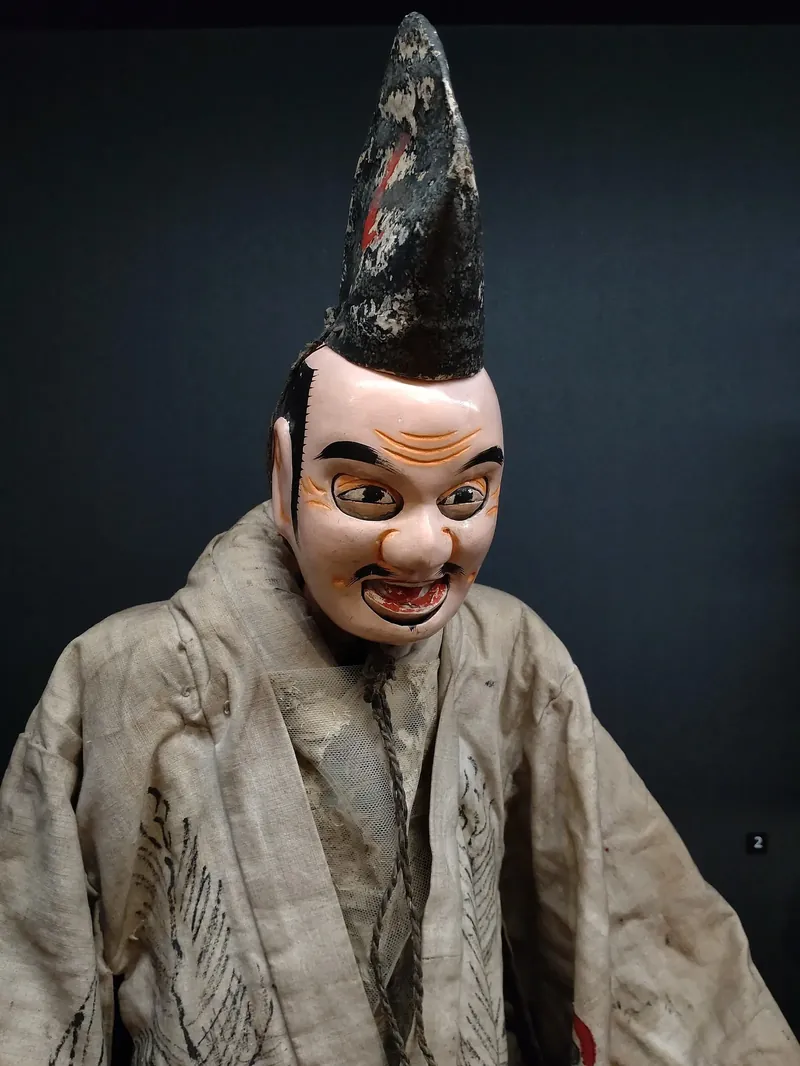
A bunraku puppet
02 · The stage

Bunraku

A bunraku puppet is a metre tall and needs three operators, all of them visible on stage. The chief handler works barefaced. Within ten minutes you stop seeing them — which is the entire art, and it was perfected in this city.

Read the story →
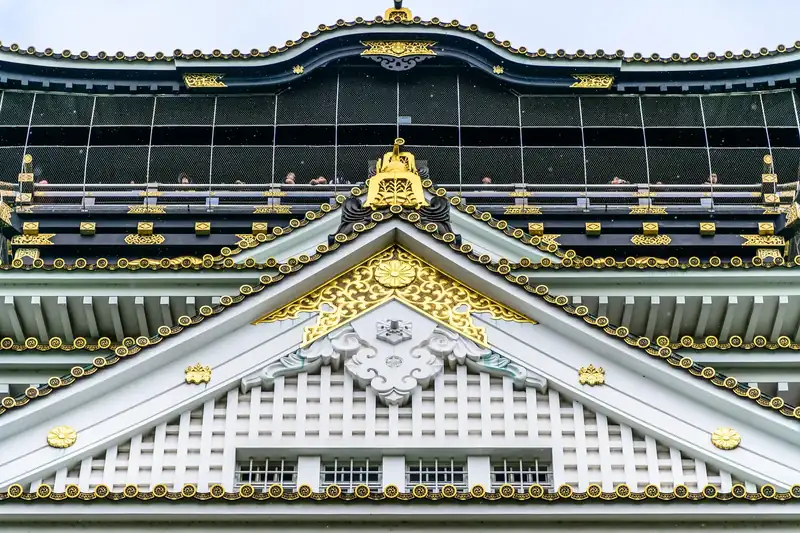
The keep of Osaka Castle above its stone walls
03 · The castle

The siege

Tokugawa Ieyasu won at Sekigahara in 1600 and became shogun in 1603. He was not finished. Hideyoshi’s heir still held Osaka Castle, and in the winter of 1614 and the summer of 1615 Ieyasu destroyed him here — the last major battle in Japan for two and a half centuries.

Read the story →
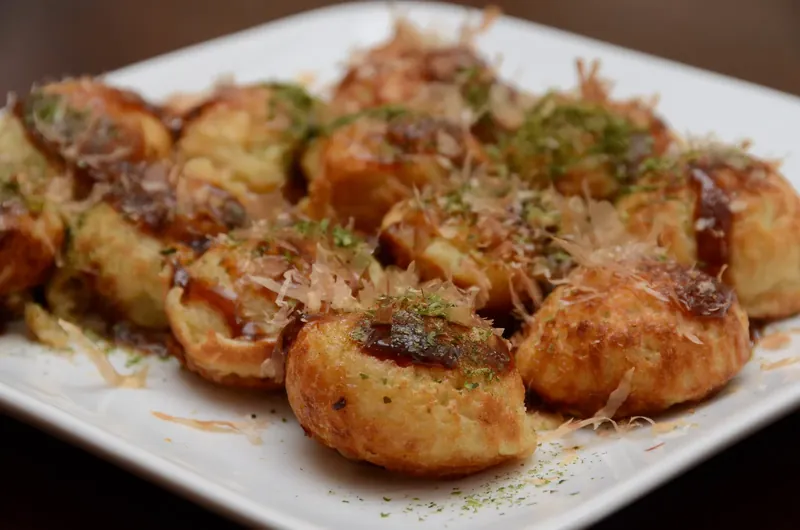
Takoyaki being served hot
04 · The table

Kuidaore

Osaka’s word for itself is kuidaore — to ruin yourself by eating. What that produced is a canon of dishes designed to be cheap, fast, hot and eaten upright, and a city that would genuinely rather you enjoyed the ¥400 one than the ¥4,000 one.

Read the story →
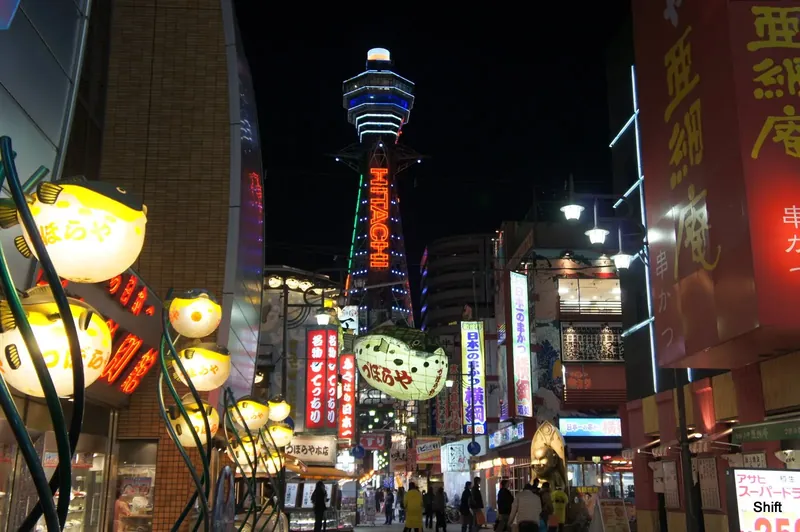
Tsutenkaku tower over Shinsekai at night
05 · The comedy

Manzai

Two people, a microphone, one who says stupid things and one who hits him for it. Manzai is Japan’s dominant comedy form, it is essentially an Osaka export, and in this city the ability to be funny is treated as a genuine social skill rather than a talent.

Read the story →
The year in Osaka

When to come, and what you'll find

Cruise seasons run spring to autumn, but the port changes underneath them.

MarchCool, and the city wakes up

Comfortable walking before the crowds. Blossom usually opens at the very end.

AprilCherry blossom at the castle

The castle park is one of Osaka’s great hanami sites, and free.

MayThe best walking month

Dry, mild and long-lit. Kyoto day trips are at their most comfortable.

JuneRainy season

Osaka does covered arcades better than almost any Japanese city. Barely affects a good plan.

JulyHot, humid, and Tenjin Matsuri

One of Japan’s three great festivals, on 24–25 July, with boats and fireworks on the river.

AugustPeak heat

Serious humidity. Eat underground at midday and come back out at five.

SeptemberTyphoon watch, then relief

Late September turns comfortable and cruise calls stack up.

OctoberThe other best month

Clear and mild, and Kyoto is not yet at its autumn peak crush.

NovemberAutumn colour, and Kyoto is full

Beautiful, and the single busiest month for day trips inland.

Dec–FebCold, dry, and quiet

Fewer visitors, clearer air, and the food is unaffected. Osaka is an all-weather port.

Read the culture, then plan the clock: the Osaka day plans and the Top 10 turn all of this into a day that ends at the gangway with an hour to spare.