
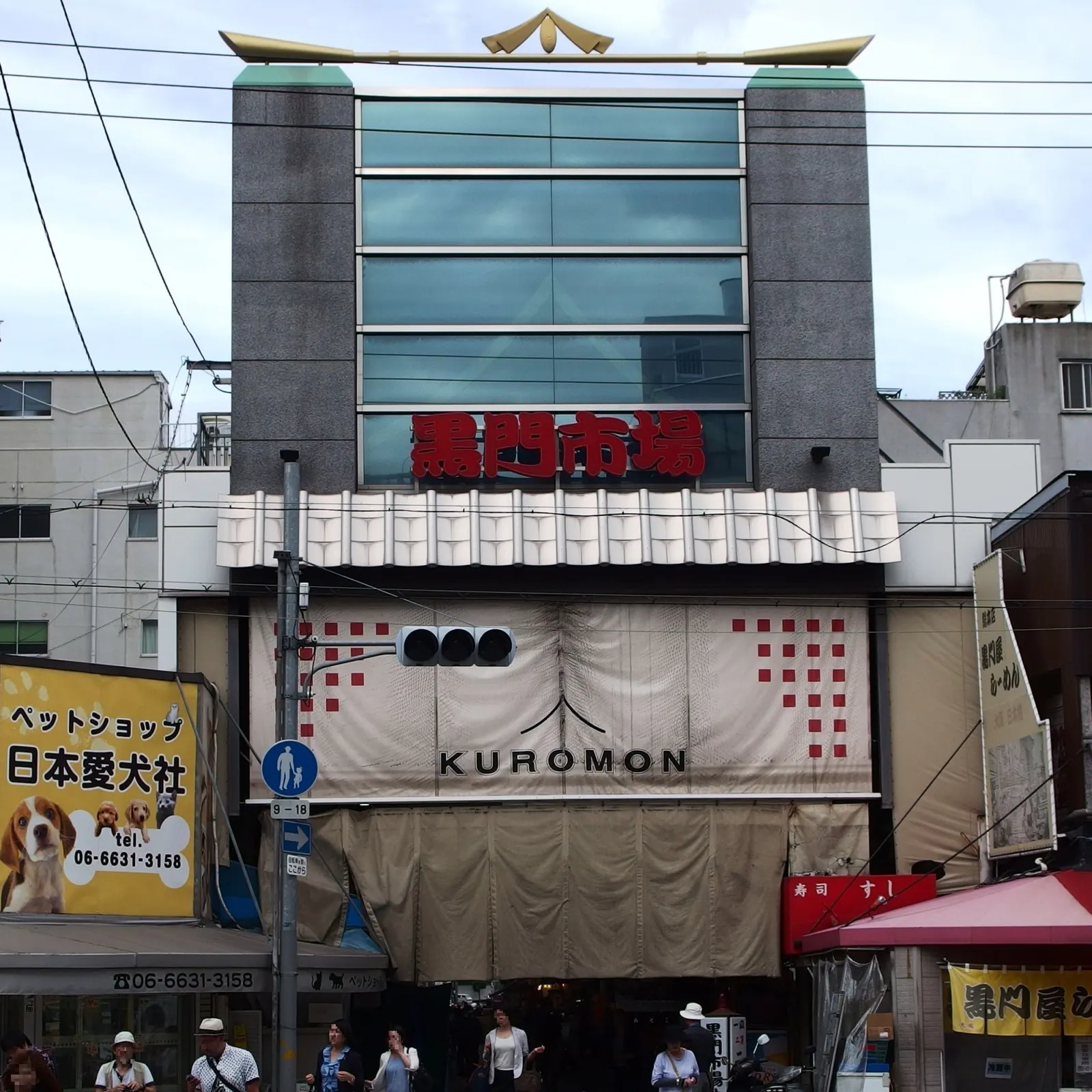
The nation’s kitchen
A city run by merchants, in a country run by warriors
For most of the Edo period, the rice that paid every samurai in Japan was shipped to Osaka, warehoused by merchants, and sold. The city was called the nation’s kitchen, and it produced something Japan had nowhere else: a place where money outranked birth.
Domains were assessed in rice, and paid their samurai in rice. But you cannot buy anything with rice, so it had to be converted — and the conversion happened here. Domains built warehouses along the Osaka canals, shipped their tax rice in, and sold it through merchant houses.
The world’s first futures market
By the early eighteenth century the Dojima Rice Exchange was trading not just rice but claims on rice not yet harvested — standardised contracts, settled in cash, with a clearing house. It is widely cited as the first organised futures market anywhere in the world, running from 1730.
That is a startling thing to have existed in a country that officially ranked merchants at the bottom of a four-class system, below farmers and artisans.
The official greeting in Osaka is still <em>mokarimakka</em> — "are you making money?" The reply is <em>bochi-bochi denna</em> — "so-so." Nobody says this in Tokyo.
What that did to the culture
A merchant city with no resident lord develops different habits. Osaka funded its own bridges — of the several hundred that once crossed its canals, the great majority were built by townspeople rather than the government. It funded its own theatre. It invented its own comedy.
And it developed a directness that other Japanese cities still find startling. Osaka people bargain, interrupt, and tell you when something is not worth the price. A shopkeeper in Kyoto will let you buy the wrong thing politely; a shopkeeper here will stop you.
Why the food is the way it is
The word Osaka uses about itself is kuidaore — roughly, to ruin yourself by eating. It is said with pride.
Merchant money and a working port produced food designed to be good and cheap and eaten fast: takoyaki from a street window, kushikatsu at a counter, okonomiyaki on a hotplate you sit at. Almost nothing in Osaka’s canon requires a reservation, and that is not an accident of poverty. It is a preference.
How it happened
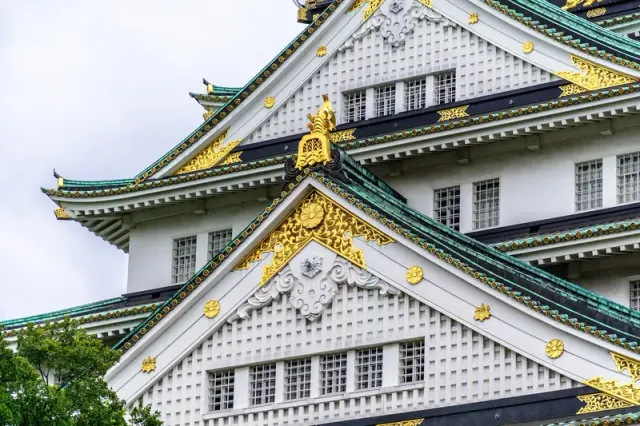
- 1583Hideyoshi builds Osaka Castle
And a merchant town around it
- 1600sDomains warehouse their tax rice here
The nation’s kitchen, literally
- 1730The Dojima Rice Exchange is authorised
Widely cited as the world’s first futures market
- Edo periodTownspeople fund their own bridges and theatre
A city with money and no resident lord
- todayKuidaore
"Ruin yourself by eating." Said with pride
Where this becomes real on your port day
Eat something standing up and tell the person who sold it to you that it was good. That transaction is the city.
The vocabulary of the merchant city
- Tenka no daidokoro 天下の台所
- "The nation’s kitchen." Where Japan’s rice was sold.
- Kuidaore 食い倒れ
- To ruin yourself by eating. A civic virtue here.
- Mokarimakka 儲かりまっか
- "Making money?" The traditional Osaka greeting.
- Chonin 町人
- Townspeople. Officially the lowest class; here, the ones with the money.
FAQ
Why is Osaka called the nation’s kitchen?
Because for most of the Edo period the rice that paid every samurai in Japan was shipped here, warehoused by merchants along the canals, and sold. That trade made Osaka a merchant city in a country officially run by warriors, and by 1730 the Dojima Rice Exchange was trading rice futures — widely cited as the first organised futures market in the world.
Why does Osaka feel different from Kyoto or Tokyo?
It was a city of merchants without a resident lord, which produced a directness other Japanese cities still find startling — people bargain, interrupt, and tell you when something is not worth the price. The food follows: good, cheap, fast, and eaten standing up, by preference rather than necessity.
More from Osaka
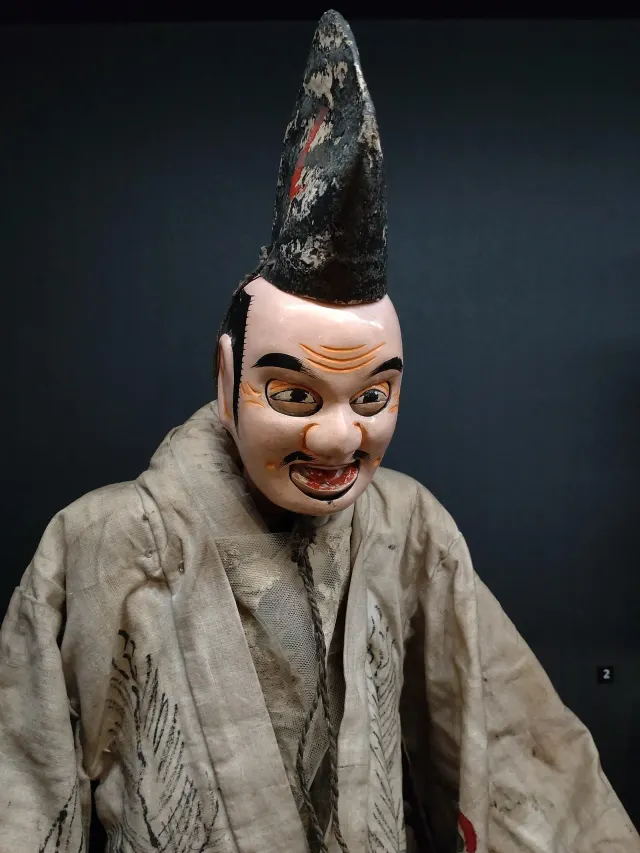
Three men, one puppet, and no attempt to hide any of it
Read →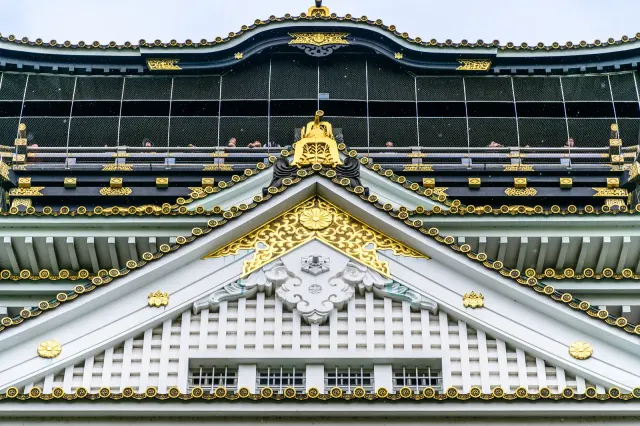
The last battle of the old Japan was fought where you are standing
Read →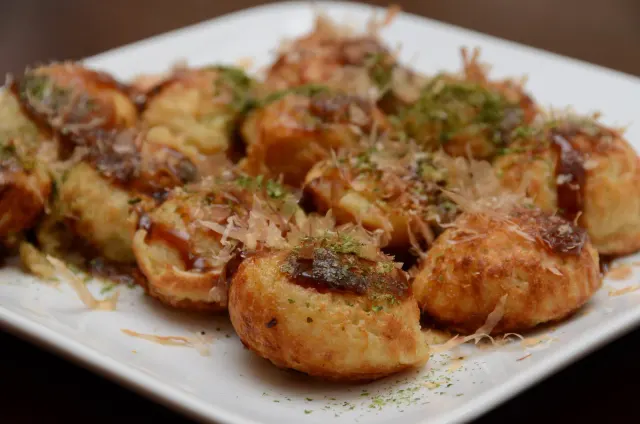
Four dishes invented here, all eaten standing, none needing a reservation
Read →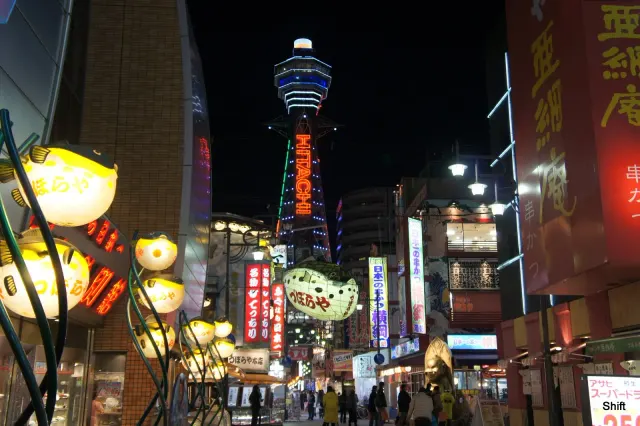
A city where being funny is a career path and a civic duty
Read →