Pick your hours and you get a finished day — every step timed from the gangway and back, and each route says how much room it leaves you before all-aboard. Swap anything you don't fancy.
10 hours, or an overnight ashore · 8 hr door to door
Kyoto, and back in time
8h+ ashore — the Kansai port where Kyoto genuinely works
On a 9-hour stop that leaves 1 hr spare — the full hour this site recommends, and then some.
+0:00
Subway to Osaka Station
~20 minutes: Chuo line to Bentencho, JR Loop to Osaka. There is no port shuttle — none is needed
+0:50
JR to Kyoto
~30 minutes. Buy the return leg now
+1:30
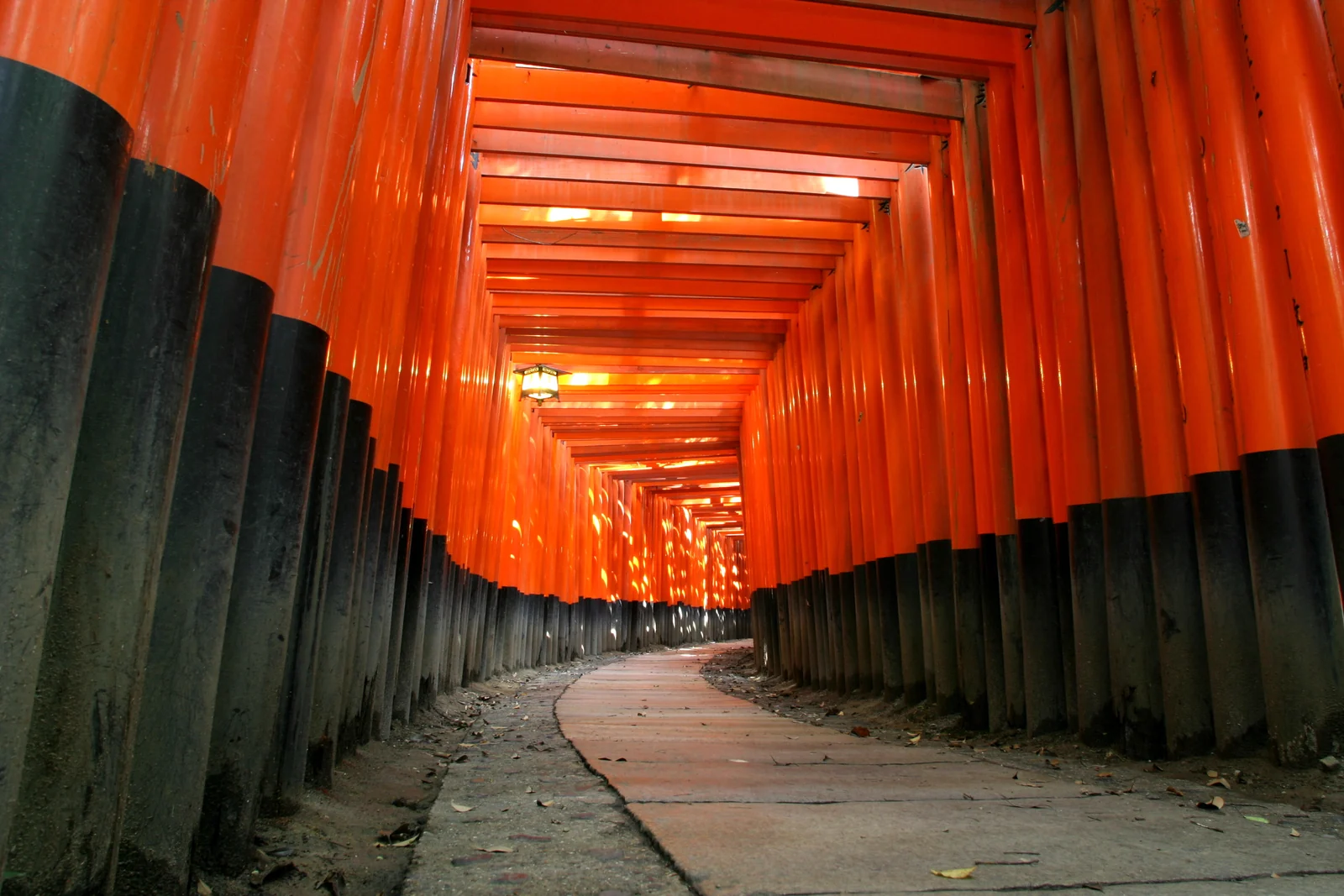
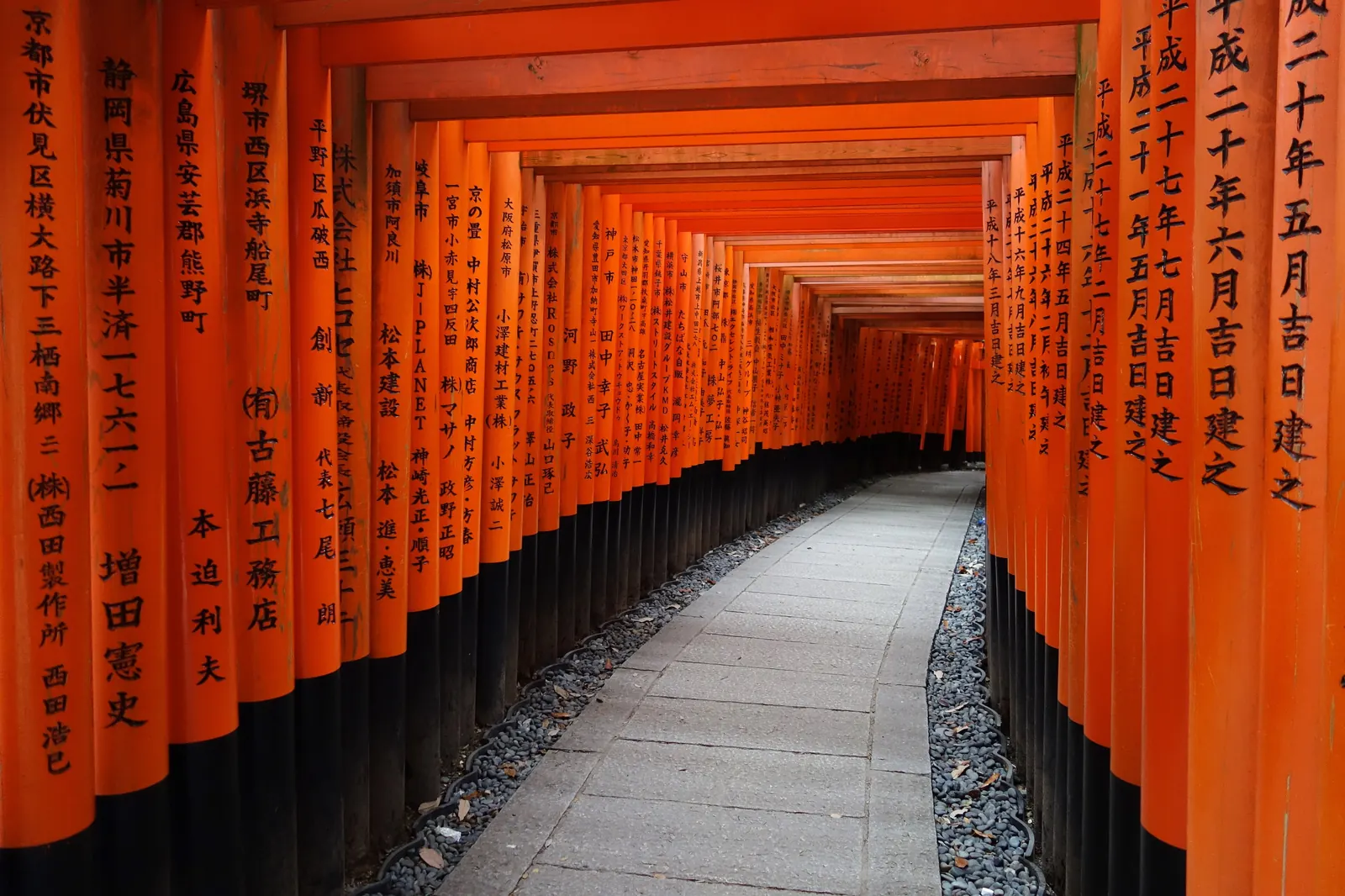
Fushimi Inari — the torii tunnel
Two stops south of Kyoto Station. Go here first; it is open and free
+3:00
Gion and the Higashiyama lanes
One district, walked properly, beats three rushed
+4:45
Kyoto Station — buy food for the train
The station food floors are excellent
+5:30
JR back to Osaka, subway to the pier
Budget 90 minutes door to door and do not shave it
Running late? Miss the 5:30 train and you are eating into the 60-minute reserve. If it slips past 6:15, take a taxi from Kyoto to Shin-Osaka and rejoin there.
Round trips are measured from the gangway and include getting back. Two stops in the same direction overlap, so a real day usually comes in under the total you see, never over it.
The one rule: be back on board 60 minutes before all-aboard — every day above already banks it.Phones auto-switch to local time, but all-aboard runs on ship time. Check the daily programme's clock, not your lock screen.More to pick from on the Osaka guide and theTop 10.
MY SHIP DAY — fill this in before you walk off
Ship
Date
Docked at (berth)
All-aboard (SHIP time)
My deadline = all-aboard − 60 min
Last shuttle back
Phones auto-switch to local time; all-aboard runs on ship time. Write both if they differ.
GETTING AROUND — the facts that don't change by day (today's times: ship's program or Google Maps)
Dotonbori & the city: ① Walk ~10 min to Osakako station ② Chuo subway line toward the city — change at Hommachi for Namba/Dotonbori every ~5 min.
SHOW THIS TO A TAXI DRIVER — 運転手さんへ
Please take me back to the cruise ship (Osaka port)
クルーズ船乗り場までお願いします
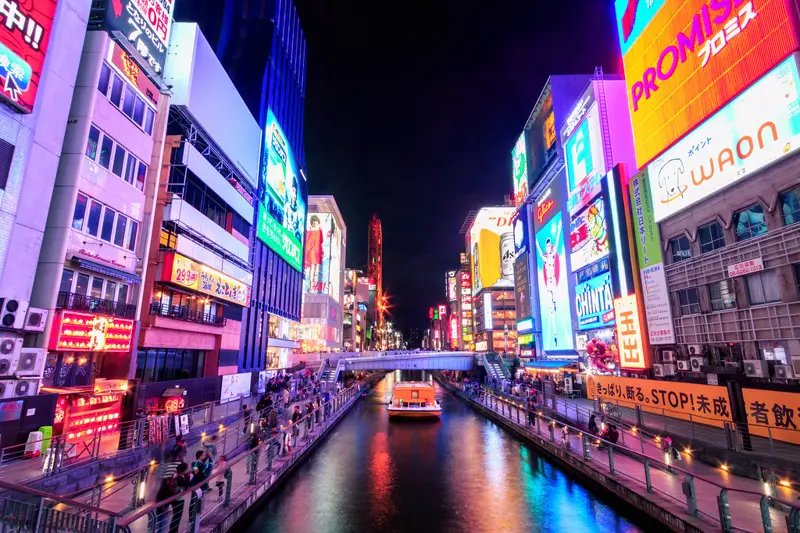
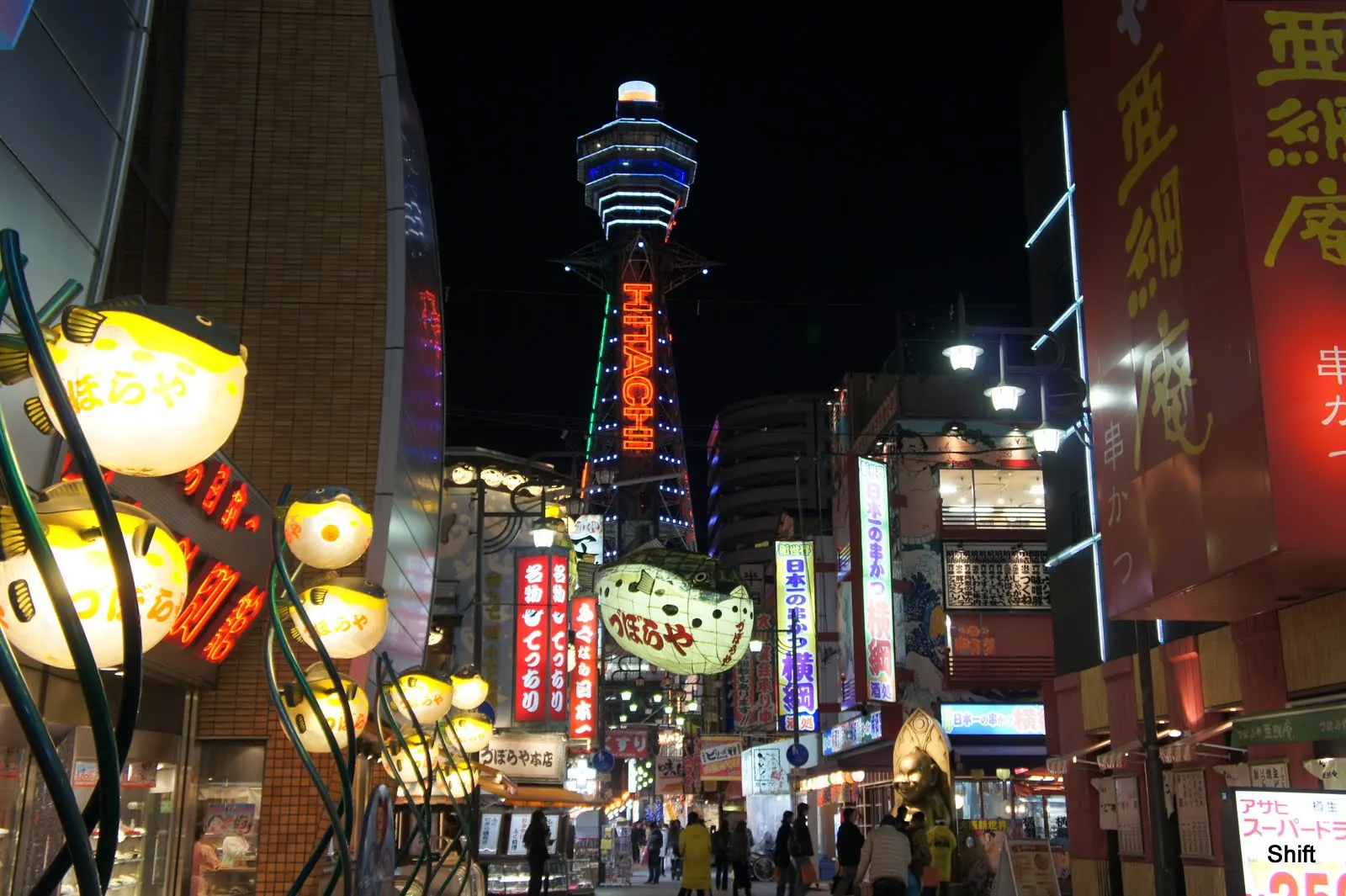
Dotonbori after dark
道頓堀
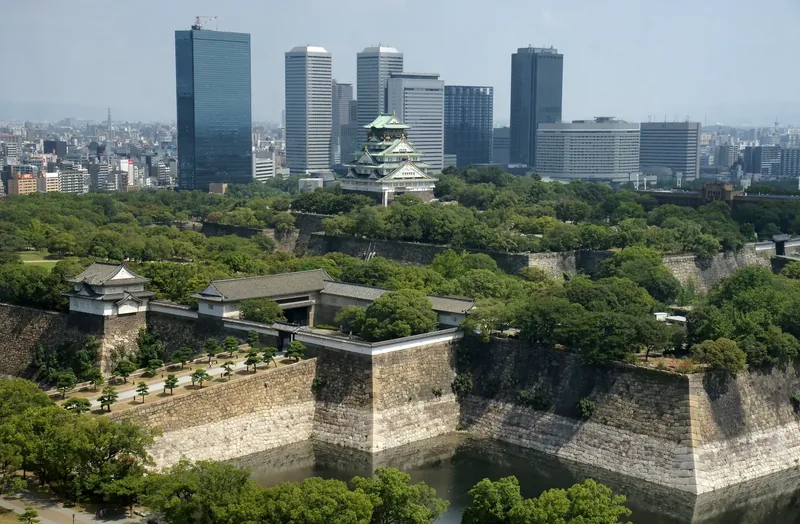
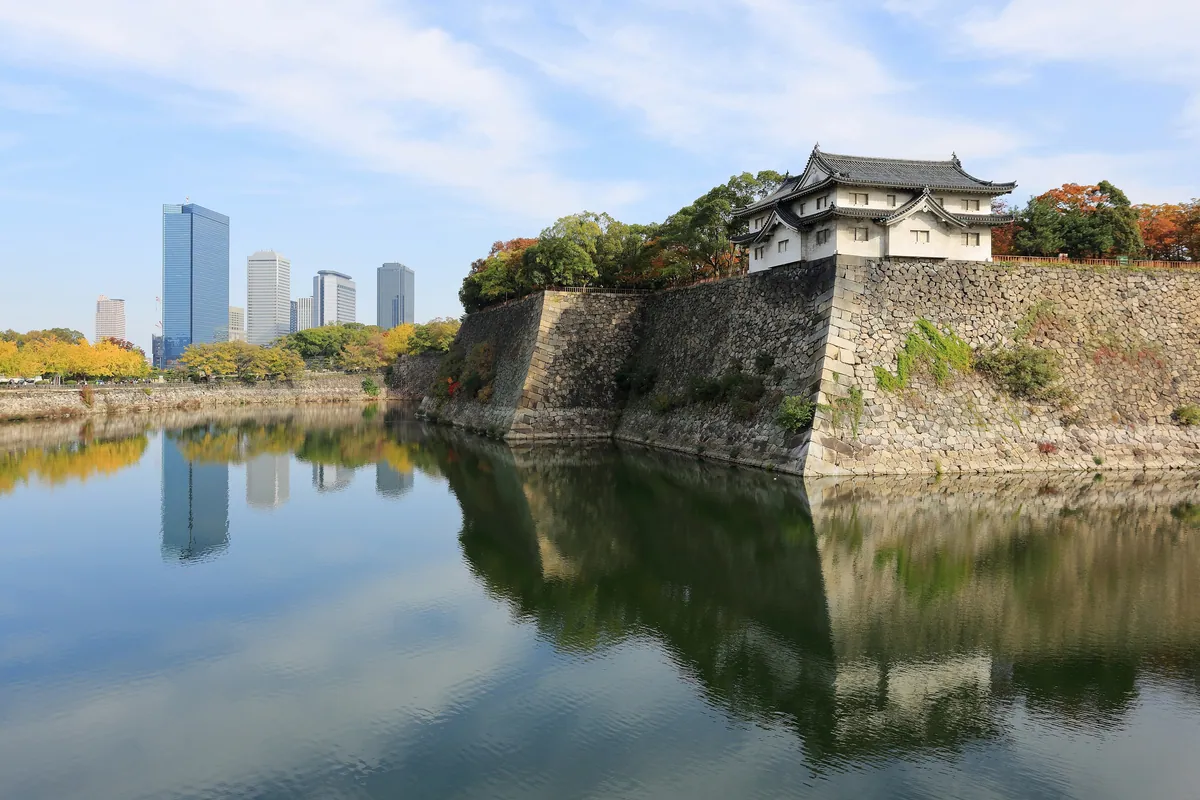
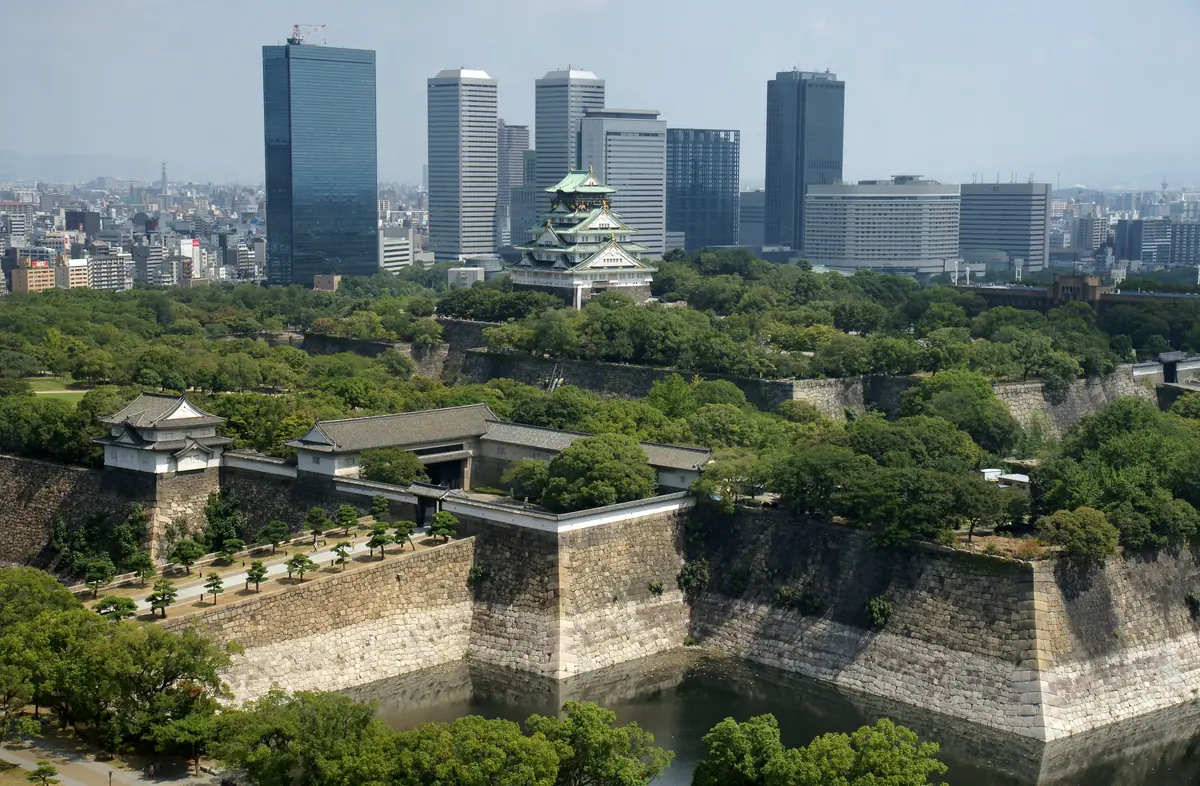
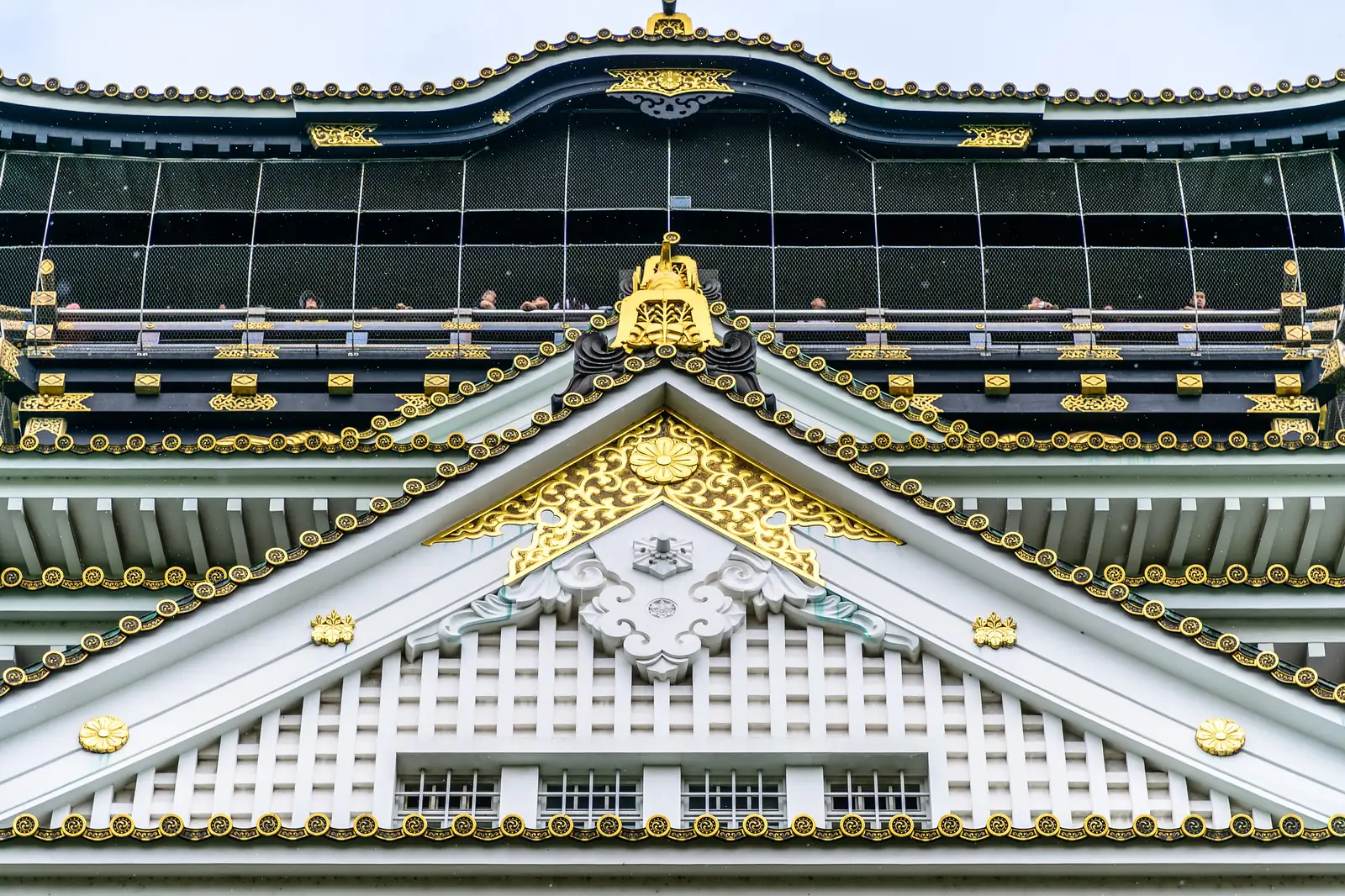
Osaka Castle
大阪城
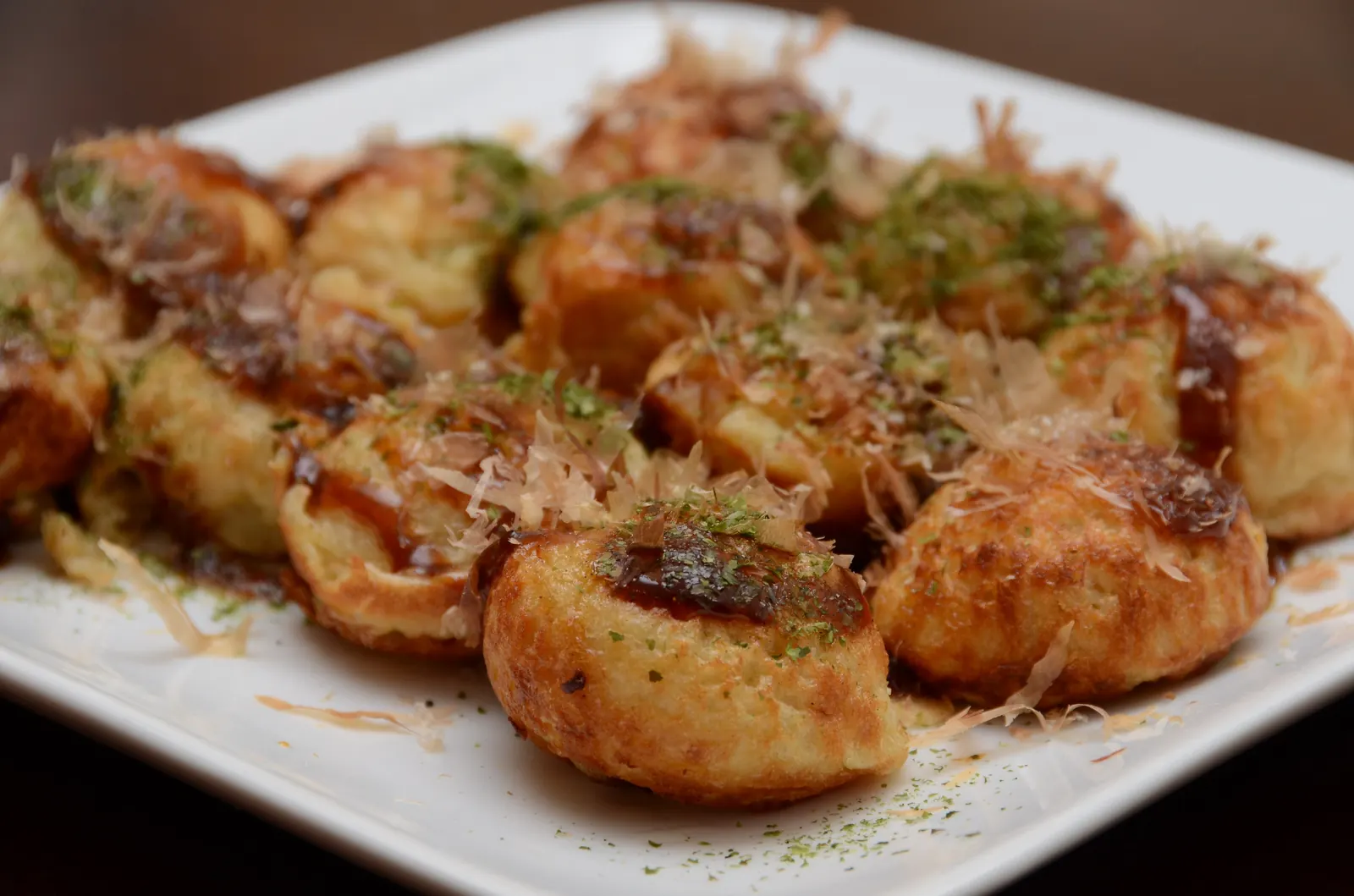
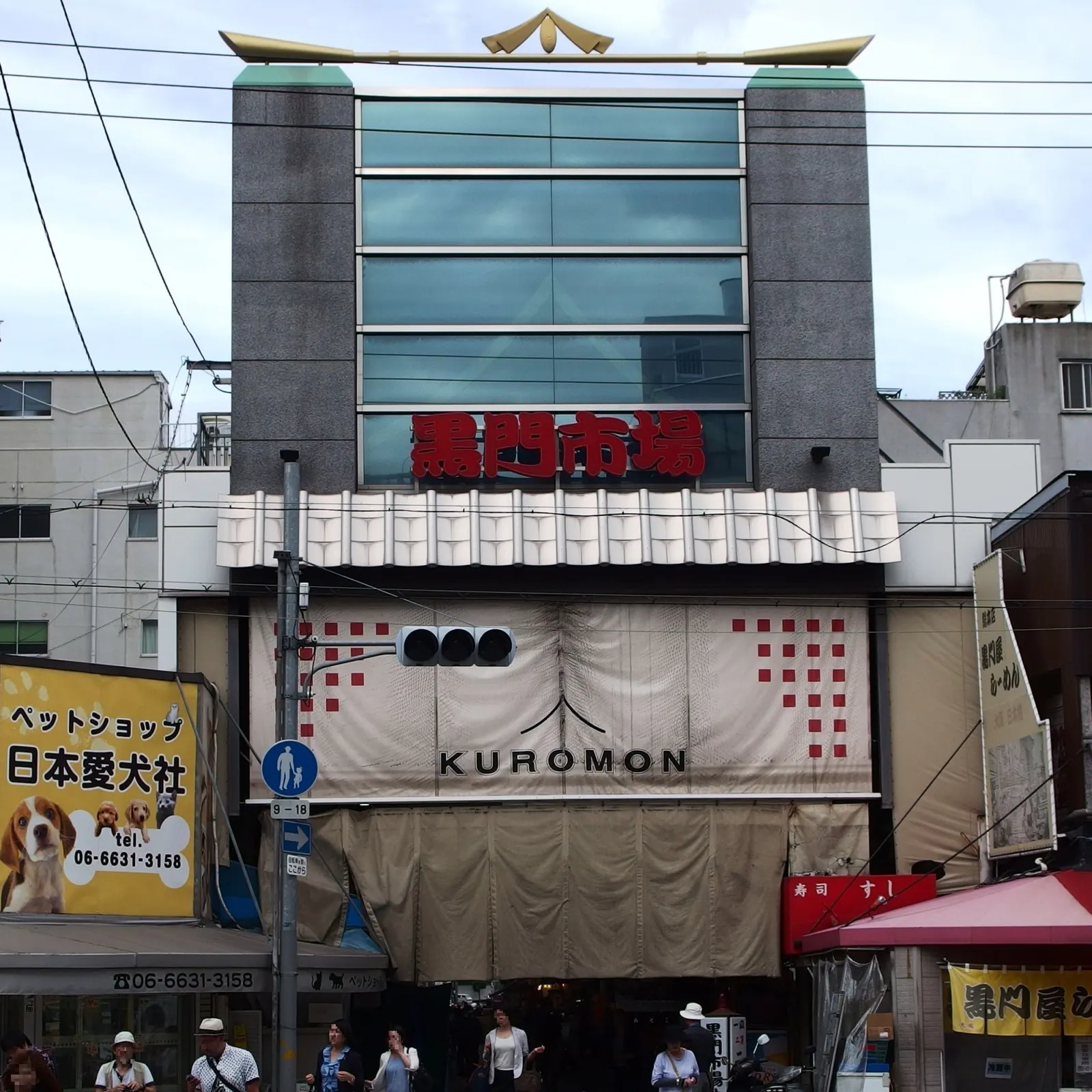
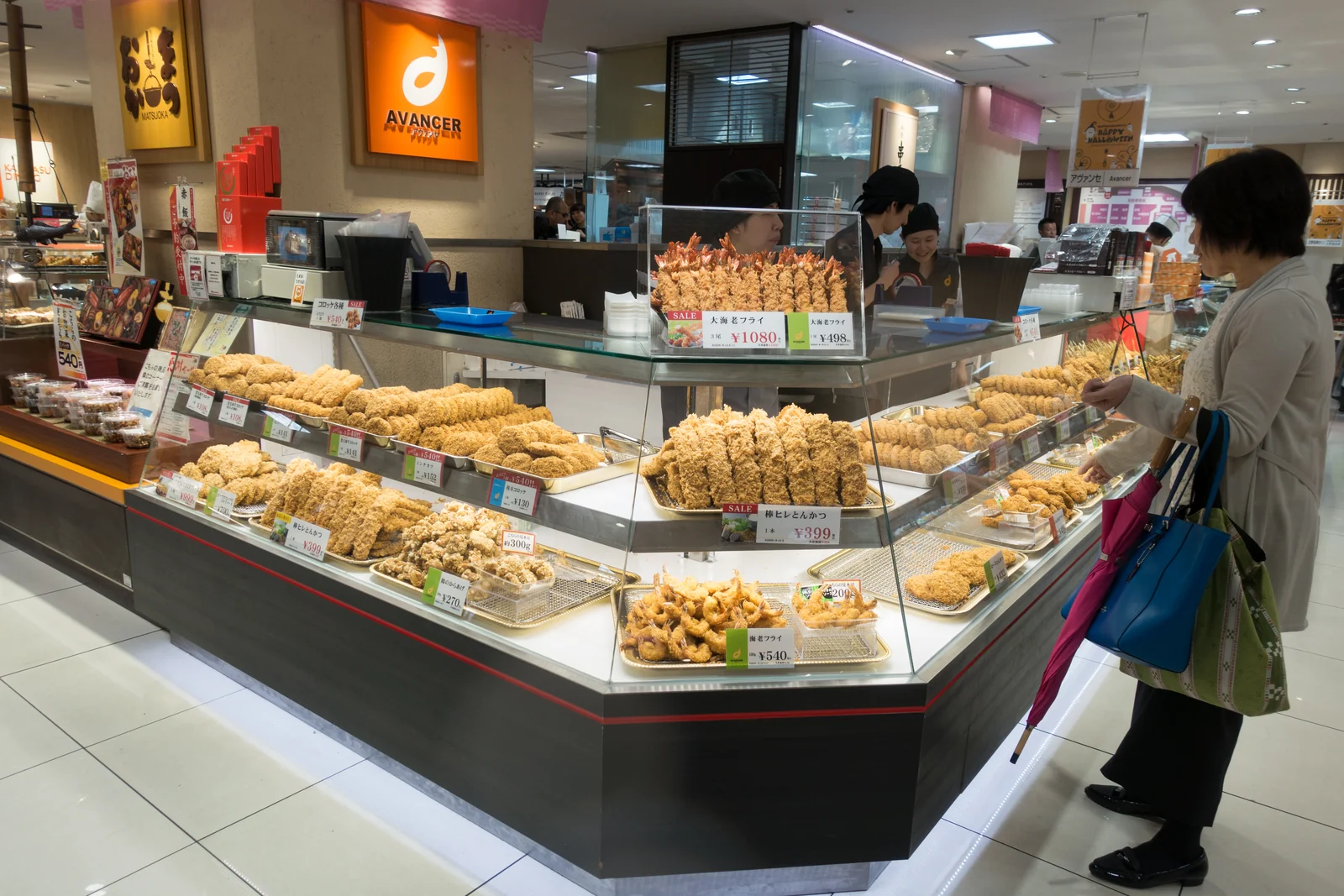
Kuromon Ichiba, grazed
黒門市場
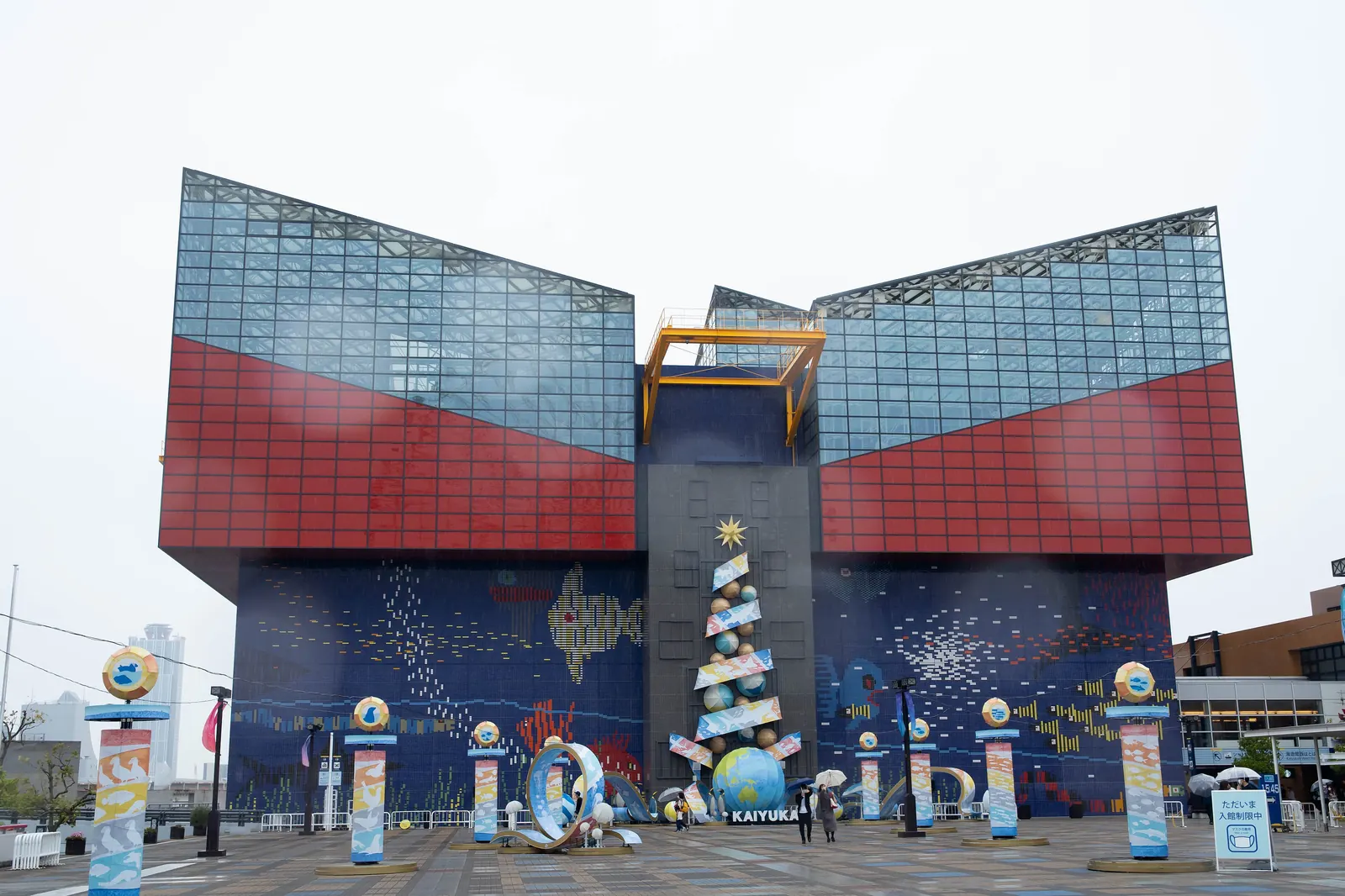
Osaka Aquarium Kaiyukan
海遊館
Point at a line. Taxis are metered and honest; tipping is not expected in Japan.
THE TWO-MINUTE PORT TALK — read aloud at breakfast
The nation’s kitchen. For most of the Edo period, the rice that paid every samurai in Japan was shipped to Osaka, warehoused by merchants, and sold. The city was called the nation’s kitchen, and it produced something Japan had nowhere else: a place where money outranked birth.
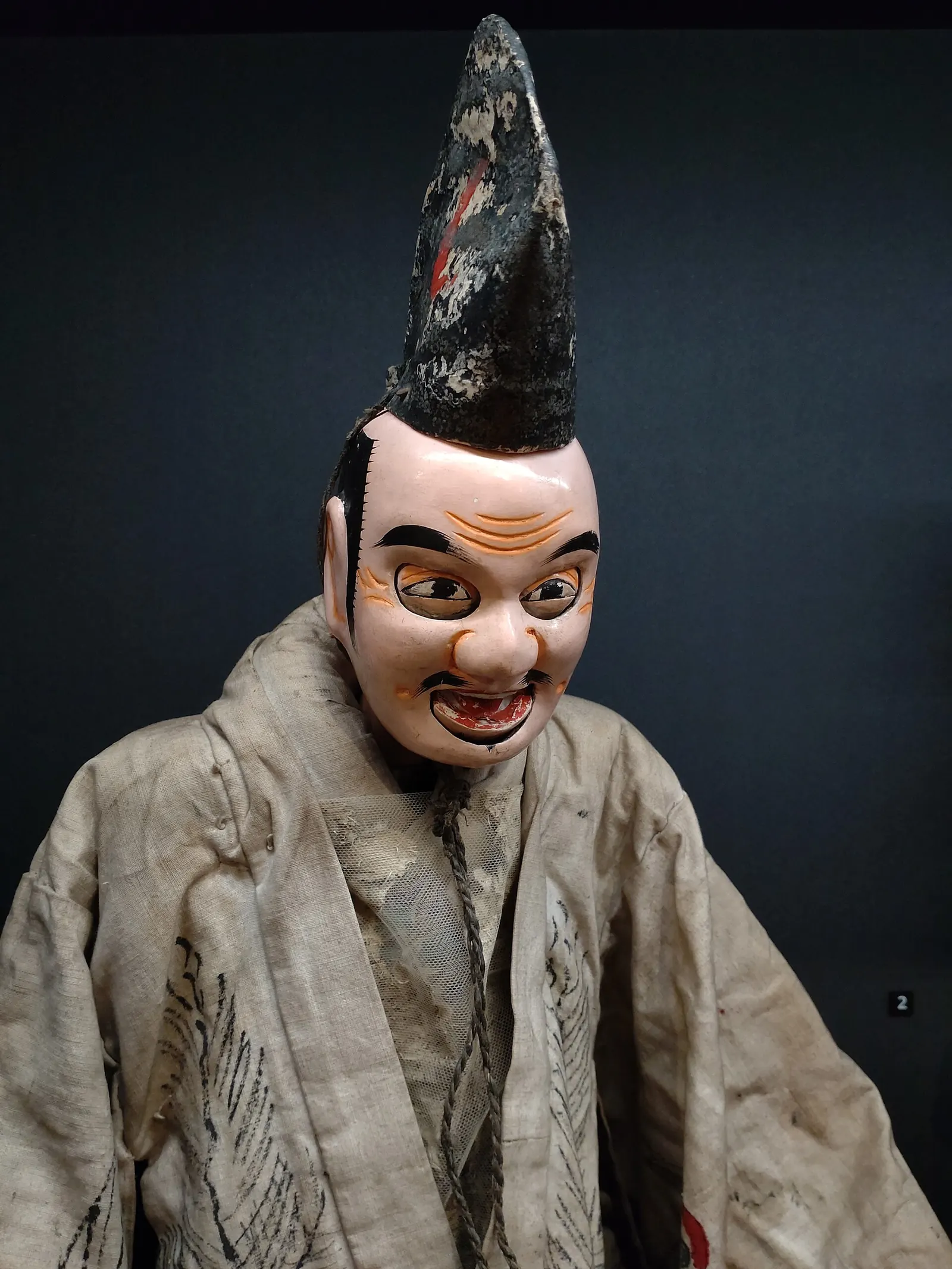
Bunraku. A bunraku puppet is a metre tall and needs three operators, all of them visible on stage. The chief handler works barefaced. Within ten minutes you stop seeing them — which is the entire art, and it was perfected in this city.
The siege. Tokugawa Ieyasu won at Sekigahara in 1600 and became shogun in 1603. He was not finished. Hideyoshi’s heir still held Osaka Castle, and in the winter of 1614 and the summer of 1615 Ieyasu destroyed him here — the last major battle in Japan for two and a half centuries.
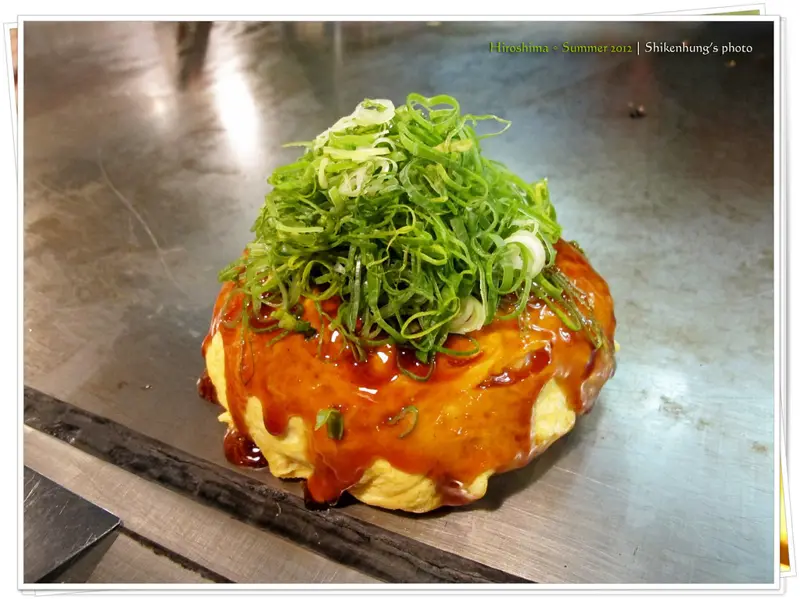
Kuidaore. Osaka’s word for itself is kuidaore — to ruin yourself by eating. What that produced is a canon of dishes designed to be cheap, fast, hot and eaten upright, and a city that would genuinely rather you enjoyed the ¥400 one than the ¥4,000 one.
The one rule: be back on board 60 minutes before all-aboard — every plan above already banks it. · Free guide: port-of-japan.com/osaka/ · By Takumi Yamada, Tokyo, Japan