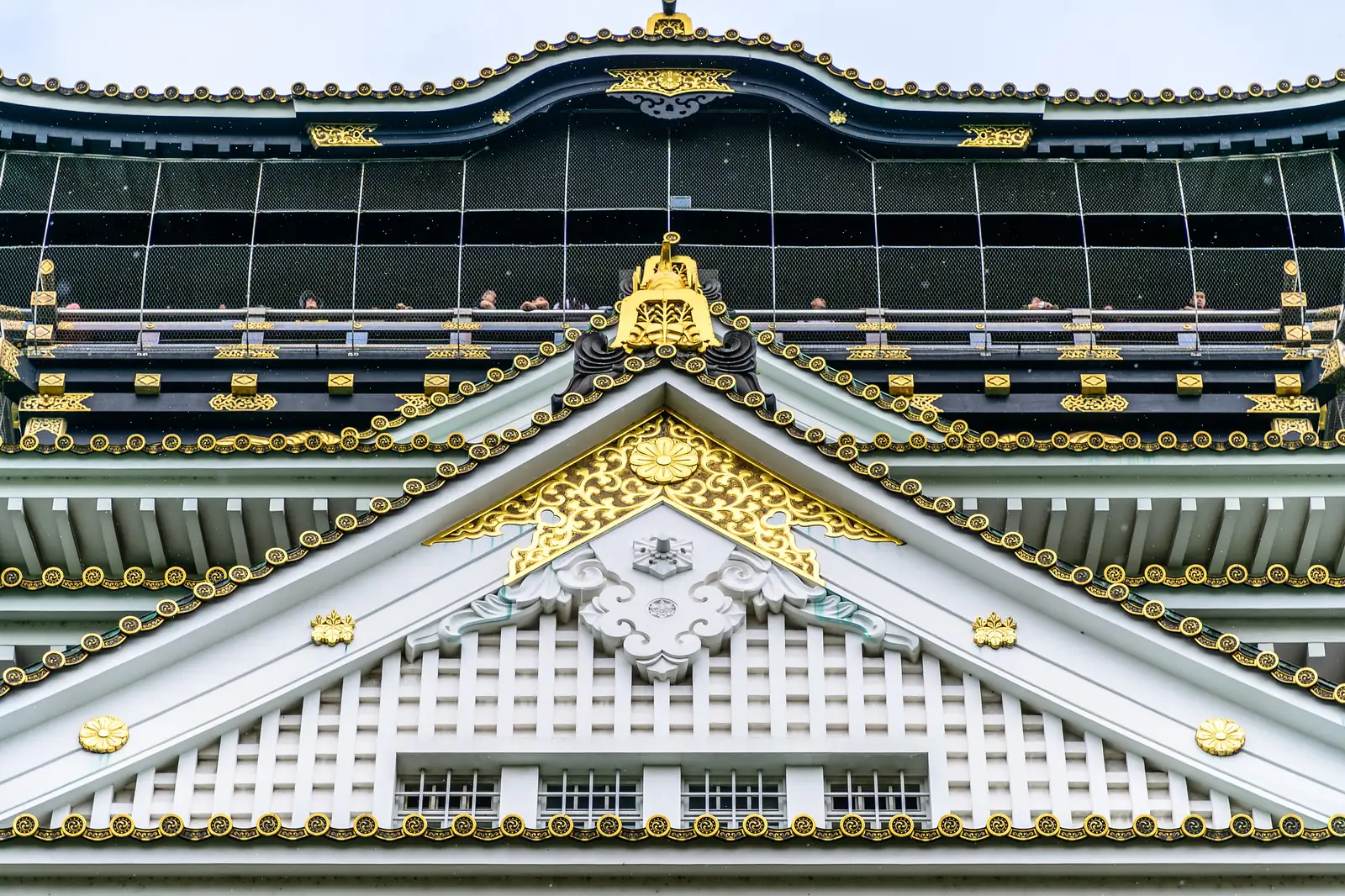
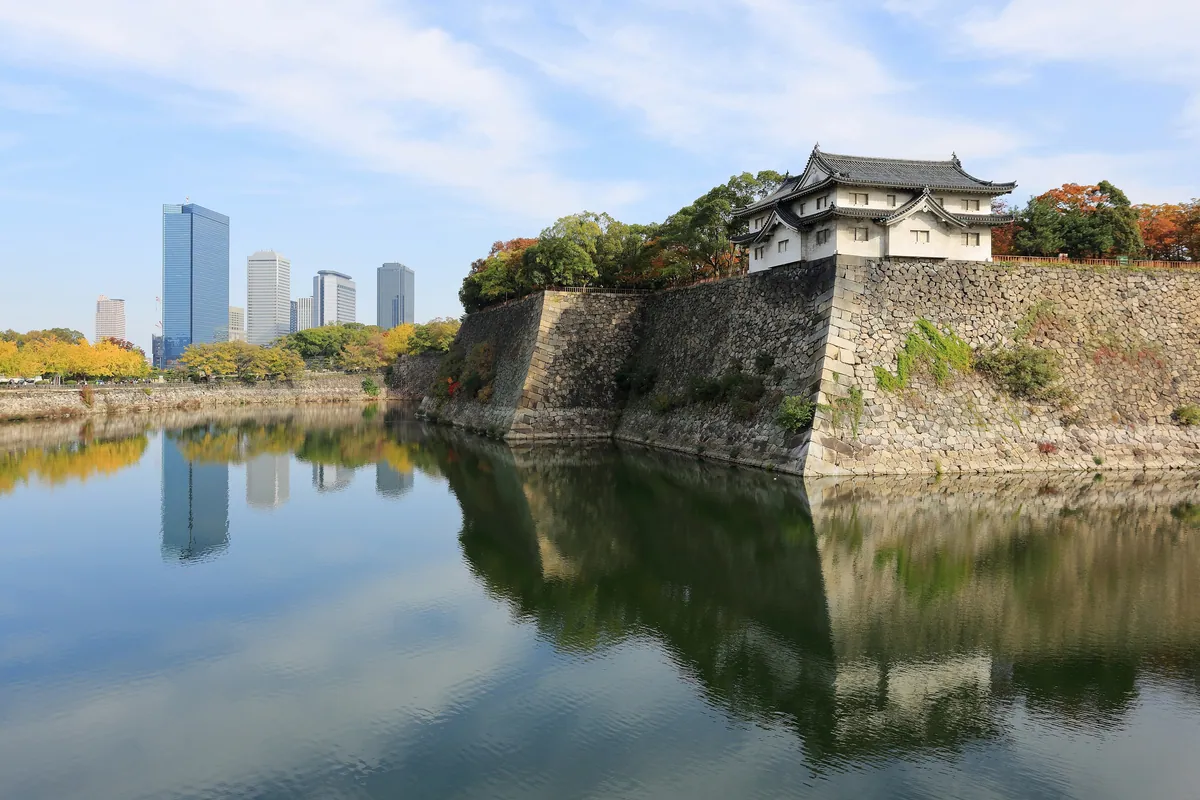
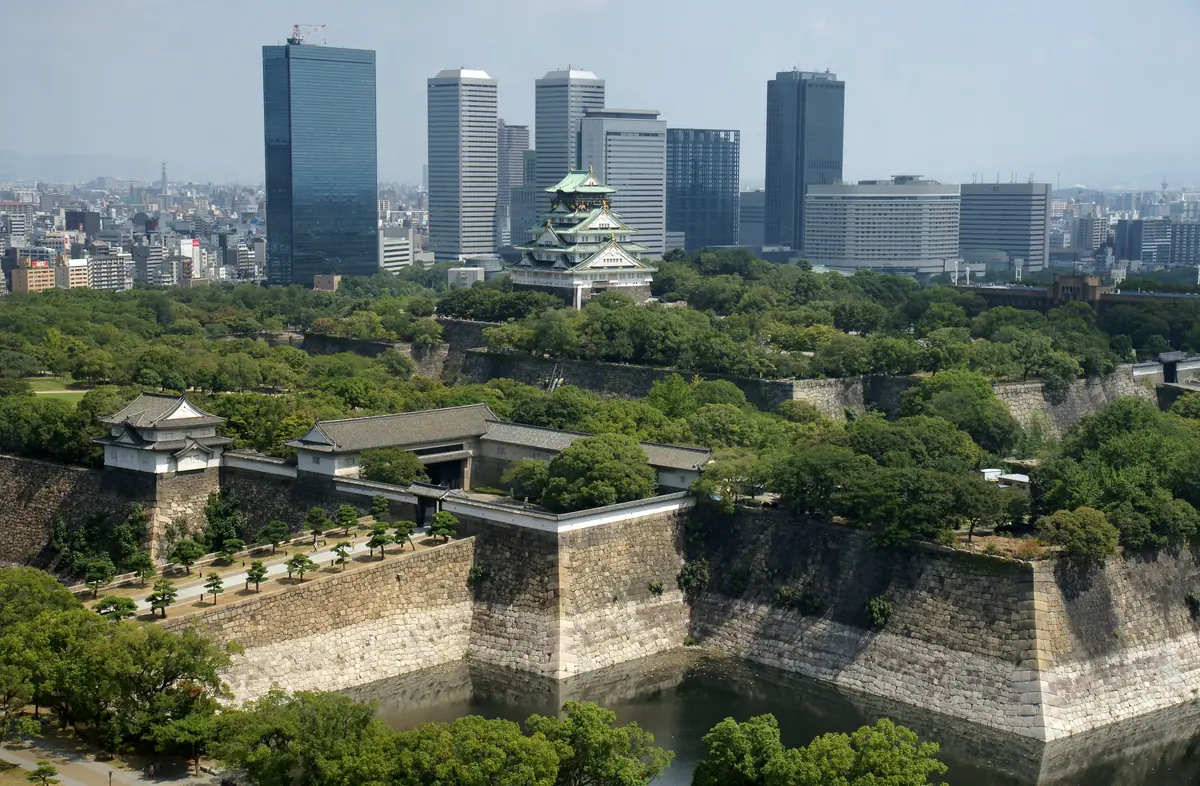
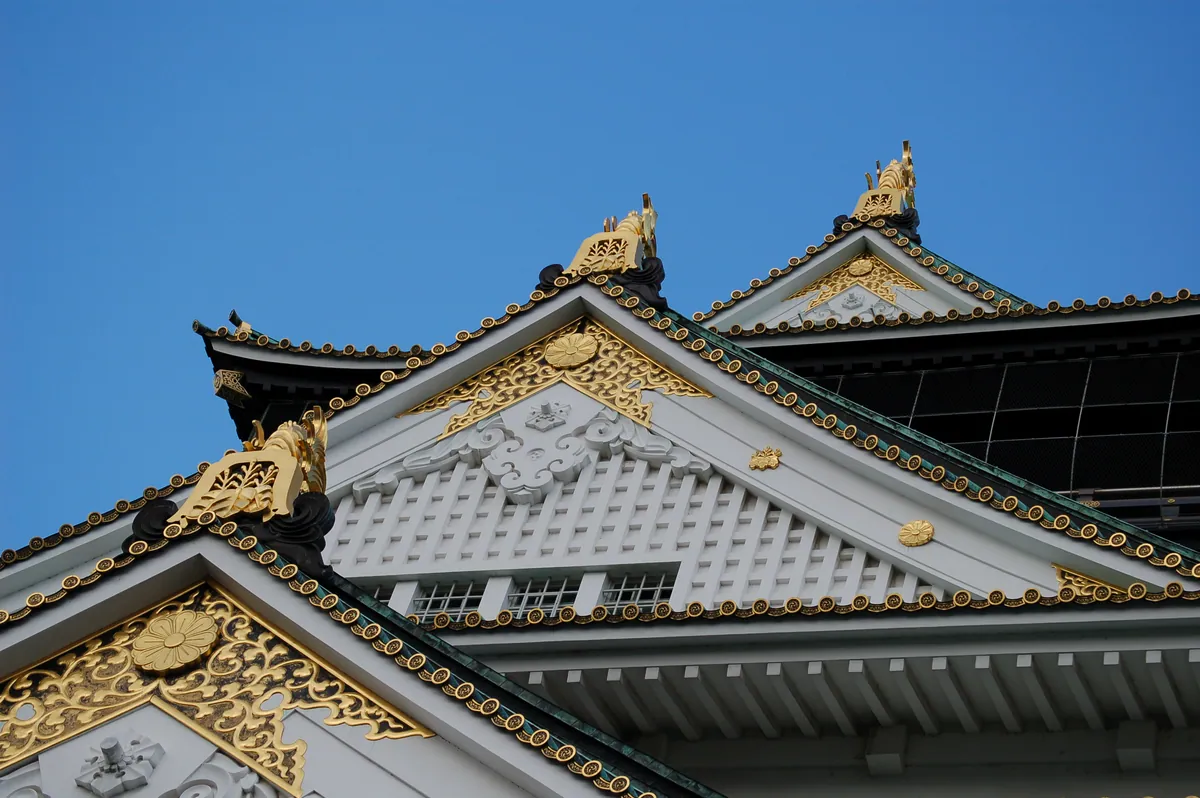
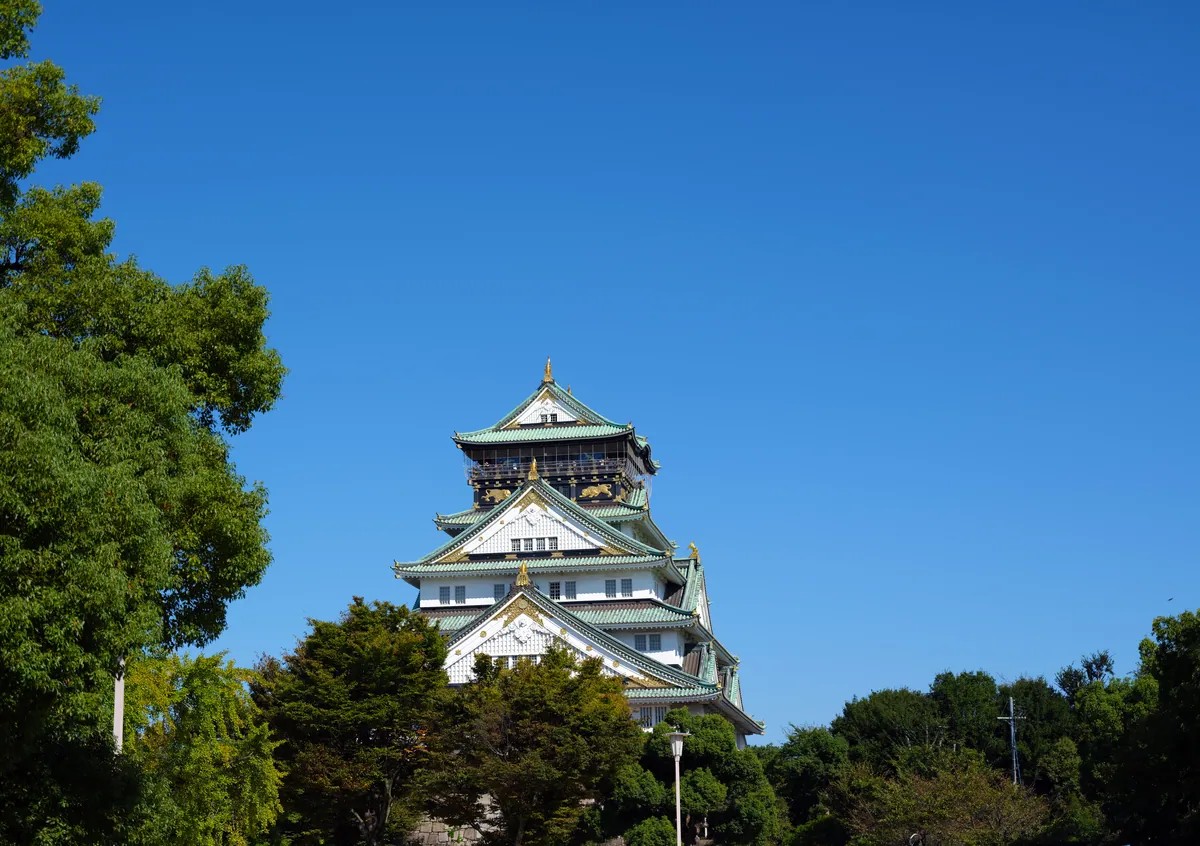
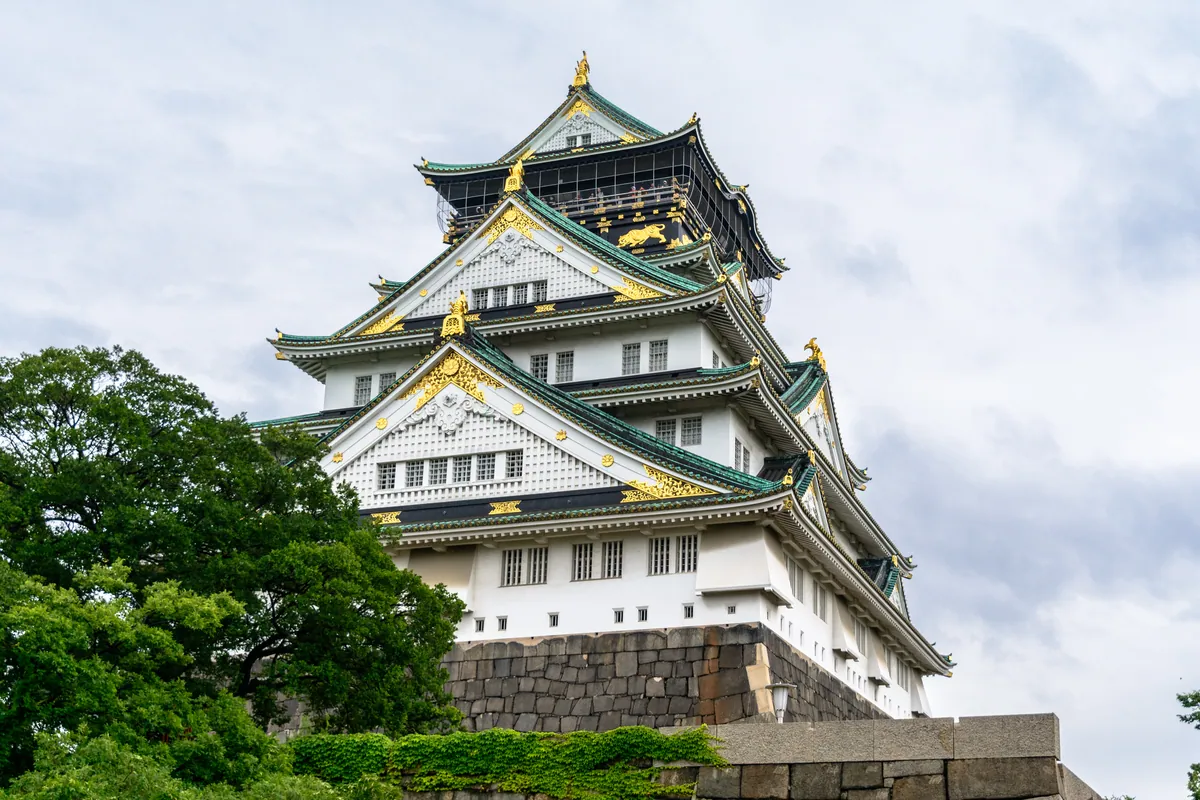
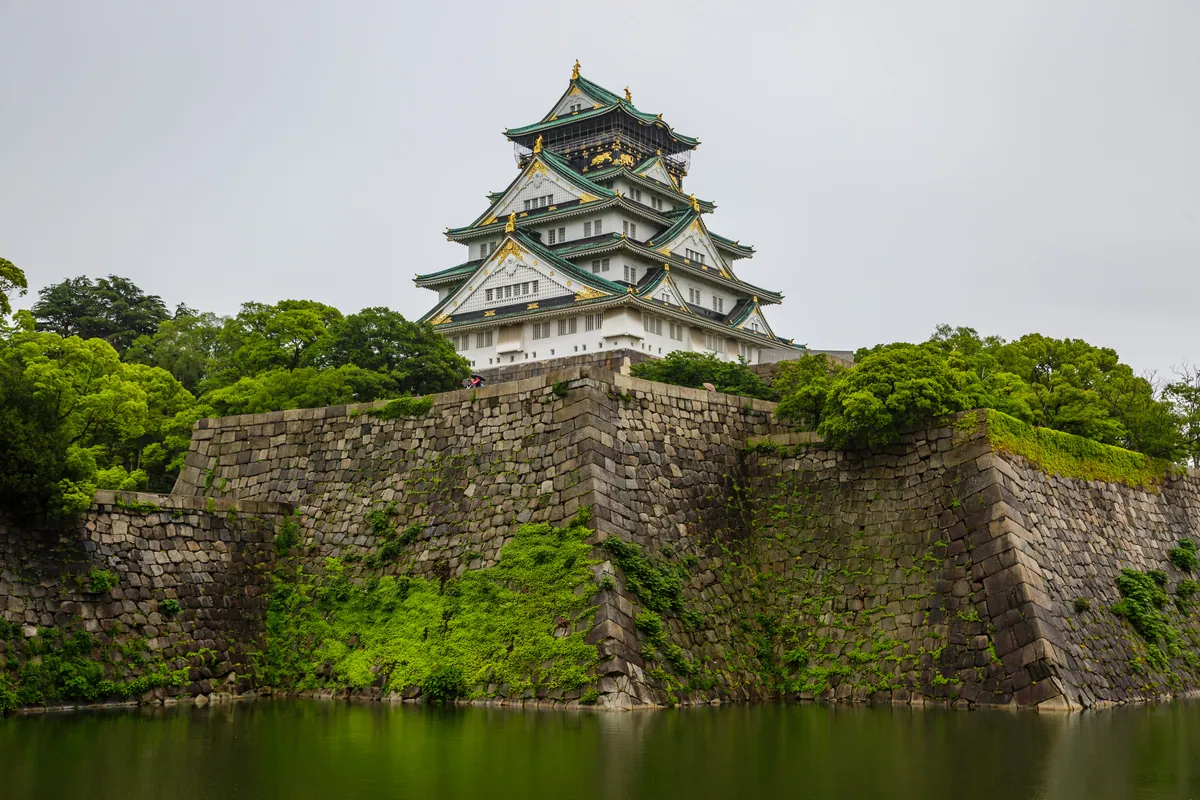
~3h — the round trip from the gangway, with the 60-minute margin kept aside.
Tap a photo to see it large. 7 photographs, each credited.
Hideyoshi built it, the Tokugawa destroyed it in 1615 and rebuilt it, lightning burned the keep in 1665, and the current tower is 1931 concrete with a lift. The walls are the original thing — some stones weigh over a hundred tonnes.
The last battle of the old Japan was fought where you are standing
Toyotomi Hideyoshi built the original in 1583 as the largest castle in Japan, and it was destroyed twice. The 1931 concrete keep is a reconstruction, but the stone walls beneath it are not: some single blocks weigh over a hundred tonnes, hauled by sea in the 1620s. The moat is the real monument.
Tokugawa Ieyasu won at Sekigahara in 1600 and became shogun in 1603. He was not finished. Hideyoshi’s heir still held Osaka Castle, and in the winter of 1614 and the summer of 1615 Ieyasu destroyed him here — the last major battle in Japan for two and a half centuries.
Toyotomi Hideyoshi built the original from 1583 as the seat of a unified Japan. The Tokugawa destroyed it in the siege of 1615, rebuilt it larger on top of the ruins in the 1620s, and lightning burned that keep in 1665. What you climb is a 1931 reconstruction in reinforced concrete, restored in 1997, with a lift inside.
The building is not the point; the walls are. The Tokugawa rebuild used stones brought by sea from across western Japan, and the largest — the Octopus Stone at the Sakuramon gate — is estimated at well over a hundred tonnes. They are original, they are enormous, and they are free to walk among.
The largest fortress in Japan
The outer moat is to be filled
"A misunderstanding"
Japan’s last major battle for 250 years
Walk the walls rather than queuing for the keep. The stones are the original object; the tower is a museum in a costume.
Both pins on one map, so the distance is a fact rather than a feeling.
Each of these still lands you back aboard with the hour to spare on a 6-hour stop ashore.
The keep is not — it is a 1931 reconstruction in reinforced concrete, restored in 1997, with a lift inside. The stone walls and moats are the original Tokugawa rebuild of the 1620s, and they are the genuinely impressive part: the largest single stone at the Sakuramon gate is estimated at well over a hundred tonnes.
About two hours including the keep, or an hour for the walls and park alone. Add roughly thirty-five minutes each way from the cruise berth by subway, which makes it a four-hour-call activity rather than a short-call one.
Each one is a finished day we have walked and timed, with this stop in it. Read the route rather than assembling it yourself.
Each of these still lands you back aboard with the hour to spare.
 5 hr for both
Invented in this city in 1935 — batter, a cube of octopus, turned in a cast-iron dimple plate with a pick.
See the detail →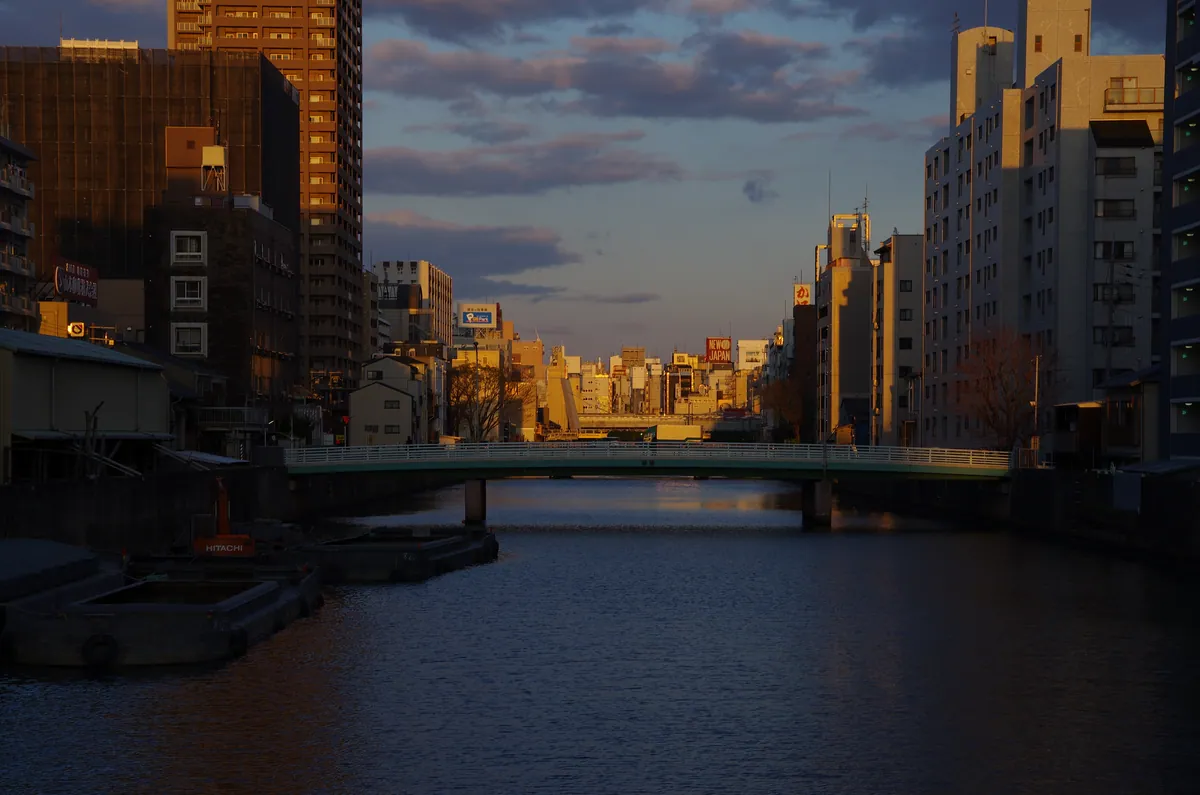 5 hr for both
A canal walled with the loudest signage in Japan.
See the detail → 5 hr for both
580 metres of what Osaka calls its kitchen.
See the detail →No typing needed — jump straight in:
Just docked? — the gangway toolStart from your shipThe ride from every berthAsk the editorGlossary