
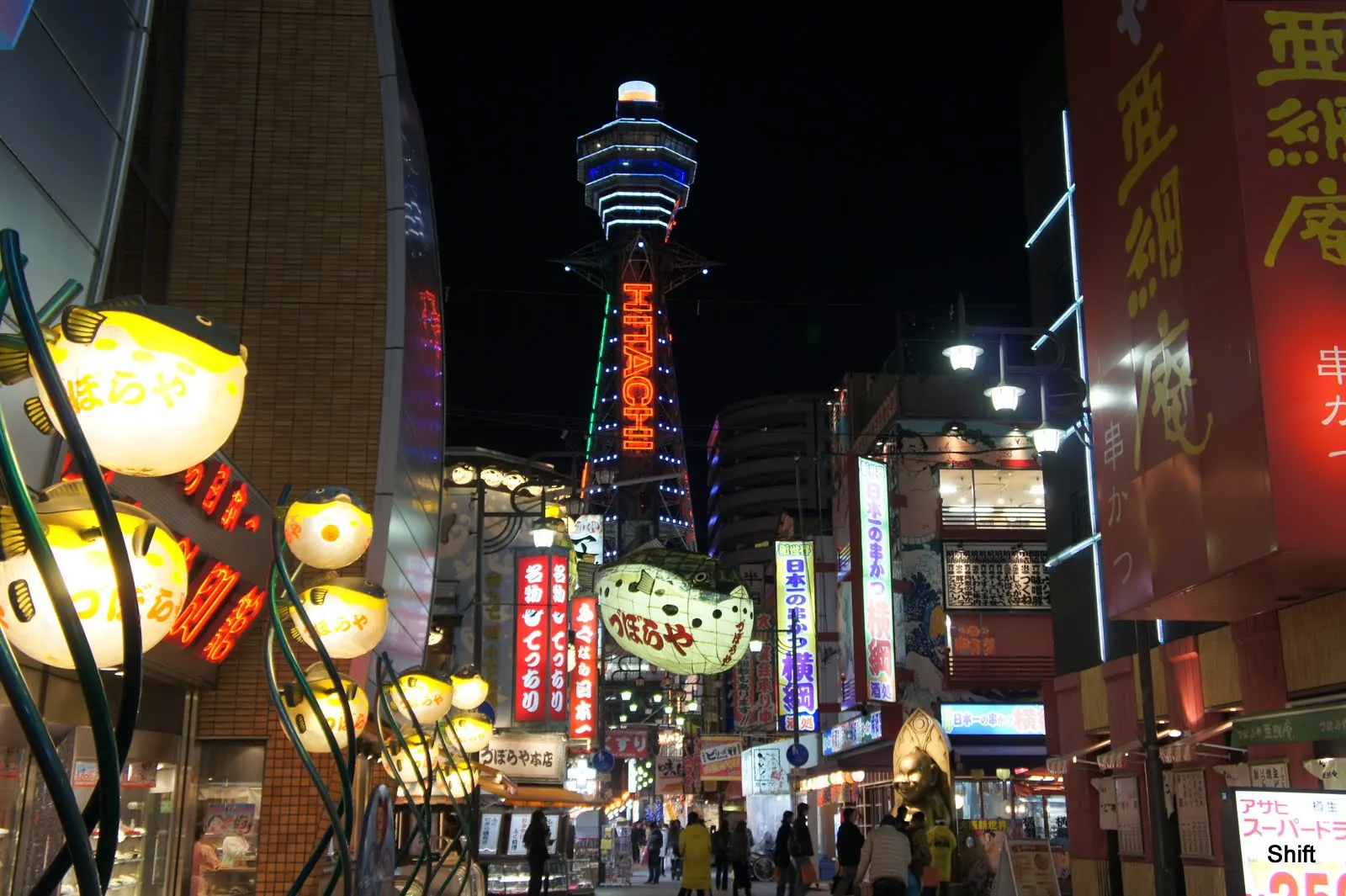
Manzai
A city where being funny is a career path and a civic duty
Two people, a microphone, one who says stupid things and one who hits him for it. Manzai is Japan’s dominant comedy form, it is essentially an Osaka export, and in this city the ability to be funny is treated as a genuine social skill rather than a talent.
Manzai is a double act: the boke says something idiotic and the tsukkomi corrects him, usually with a slap to the shoulder or the back of the head. The rhythm is fast, the tempo is the joke as much as the content, and it is performed in Osaka dialect almost regardless of where the performers are from.
Why here
The form descends from New Year door-to-door performances, was professionalised in Osaka theatres in the 1930s, and became a national mass medium through radio and then television. Yoshimoto Kogyo, founded in Osaka in 1912, industrialised it — it runs the theatres, the school, and the careers.
Its home theatre, Namba Grand Kagetsu, runs multiple shows a day. You will not follow the language. You will follow the rhythm, and the audience reaction is worth the ticket on its own.
Osaka children are taught, informally but firmly, that a story should have a punchline. Telling a long anecdote that goes nowhere is considered mildly rude here.
The dialect
Osaka-ben is not a rustic accent — it is the prestige dialect of comedy, and Japanese audiences hear it as warm, direct and funny before a word of content arrives. Nandeyanen is the universal tsukkomi: roughly, "what on earth are you on about."
Standard Japanese sounds, to an Osaka ear, faintly cold. Tokyo people learn this the first time they are told so.
What this means for a visitor
Osaka people will make jokes at you within seconds of meeting you, and being teased is a form of welcome rather than a test. The correct response is to be pleased, not defensive.
The famous instruction, only half a joke: if an Osaka person points a finger at you like a gun and says "bang," you are supposed to clutch your chest and fall. People do it. It is a way of finding out whether you will play.
How it happened
- 1912Yoshimoto Kogyo is founded in Osaka
And industrialises the business of being funny
- 1930sManzai takes its modern two-hander form
Boke and tsukkomi, in Osaka theatres
- post-warRadio and television make it national
And Osaka dialect becomes comedy’s language
- todayNamba Grand Kagetsu, several shows daily
You will not follow the words. Go anyway
Where this becomes real on your port day
When someone teases you within a minute of meeting you, be pleased. That is the welcome.
The vocabulary of manzai
- Boke ボケ
- The one who says the idiotic thing.
- Tsukkomi ツッコミ
- The one who corrects him, usually physically.
- Nandeyanen なんでやねん
- "What on earth are you on about." The universal retort.
- Osaka-ben 大阪弁
- The dialect. Heard nationally as warm and funny.
FAQ
What is manzai?
A Japanese comedy double act: the boke says something idiotic and the tsukkomi corrects him, usually with a slap. It was professionalised in Osaka theatres in the 1930s, industrialised by Yoshimoto Kogyo, and is performed in Osaka dialect almost regardless of where the comedians are from.
Why do people say Osaka is friendlier than Tokyo?
Because the formality drops. Osaka people will joke with a stranger within seconds, and being teased is a welcome rather than a test. The dialect itself is heard across Japan as warm and direct, and a story without a punchline is considered mildly rude here.
More from Osaka
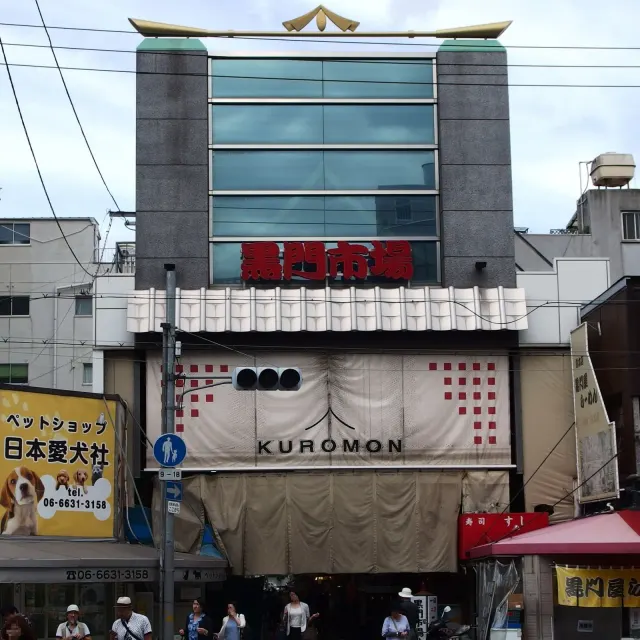
A city run by merchants, in a country run by warriors
Read →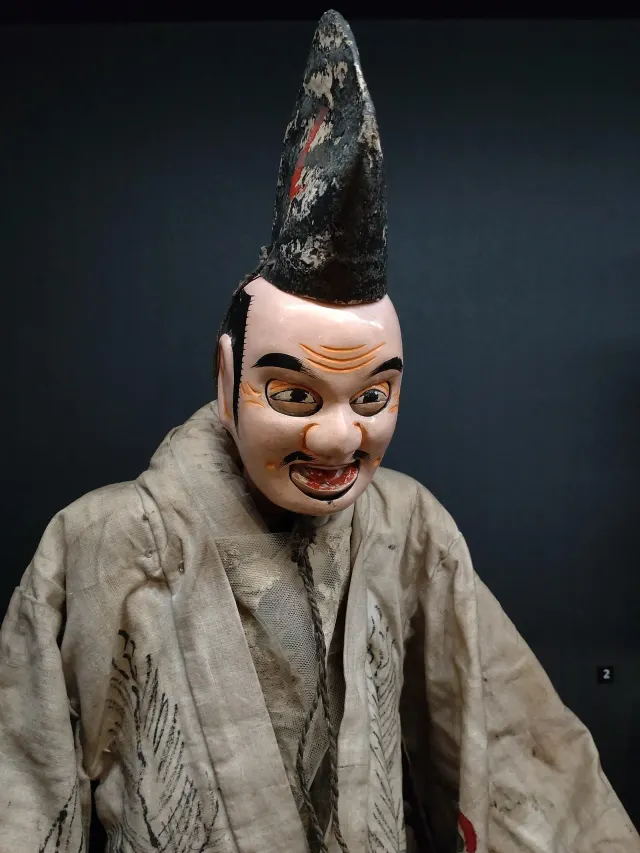
Three men, one puppet, and no attempt to hide any of it
Read →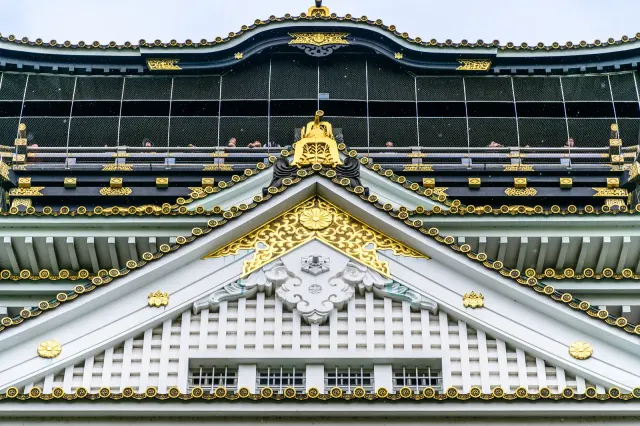
The last battle of the old Japan was fought where you are standing
Read →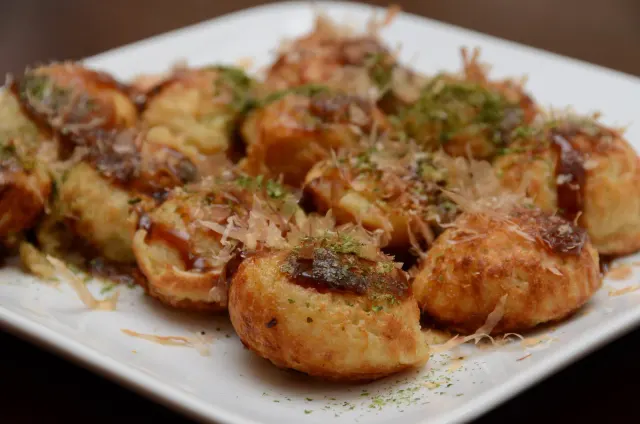
Four dishes invented here, all eaten standing, none needing a reservation
Read →