10 things to do in Hagi
Ranked by one question: if you had a single call here, what would you regret missing? Every entry carries the round-trip time from the berth.
Checked · Researched, not yet visited · times from official timetables and our estimates · Takumi Yamada
The castle-town lanes
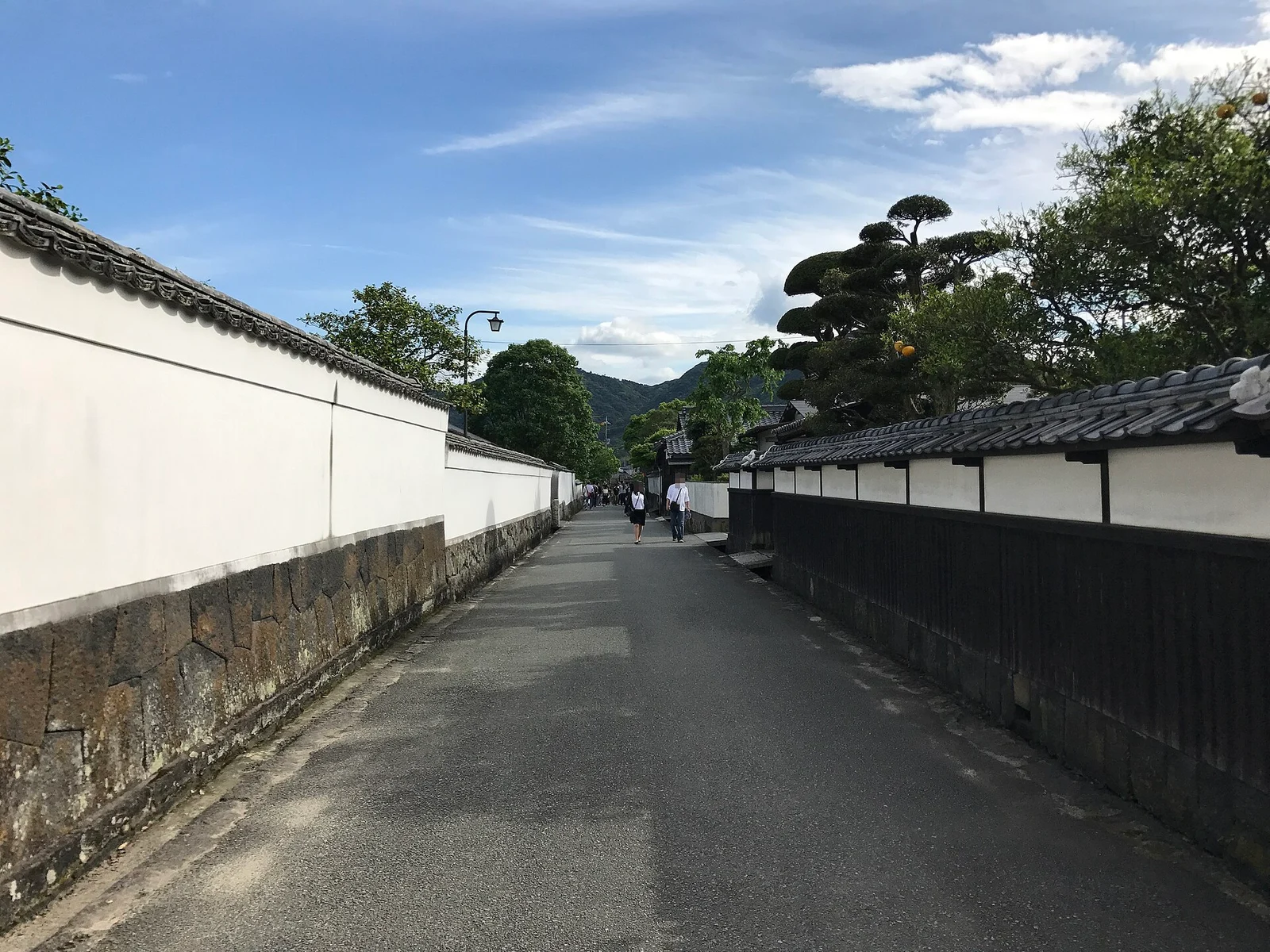
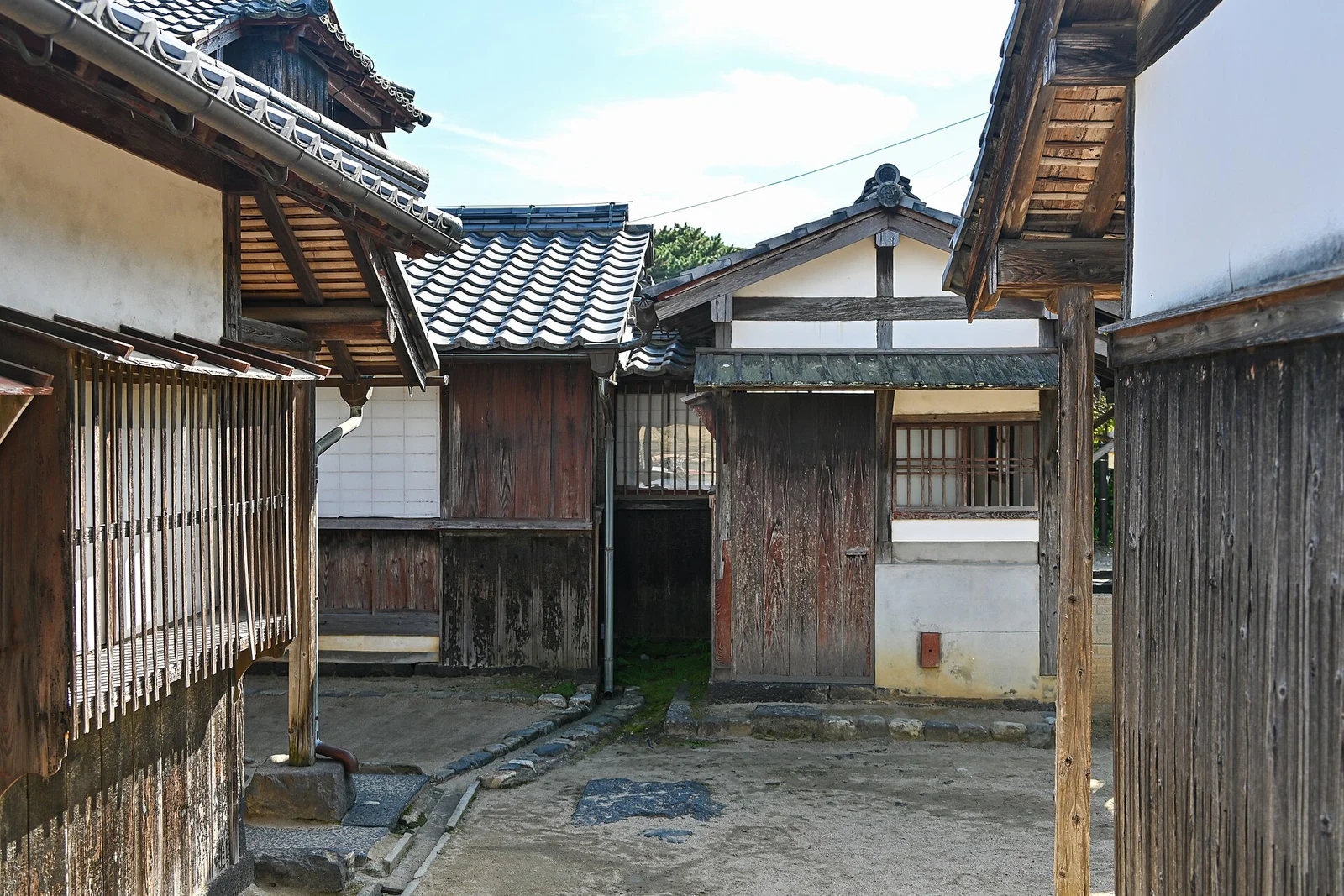
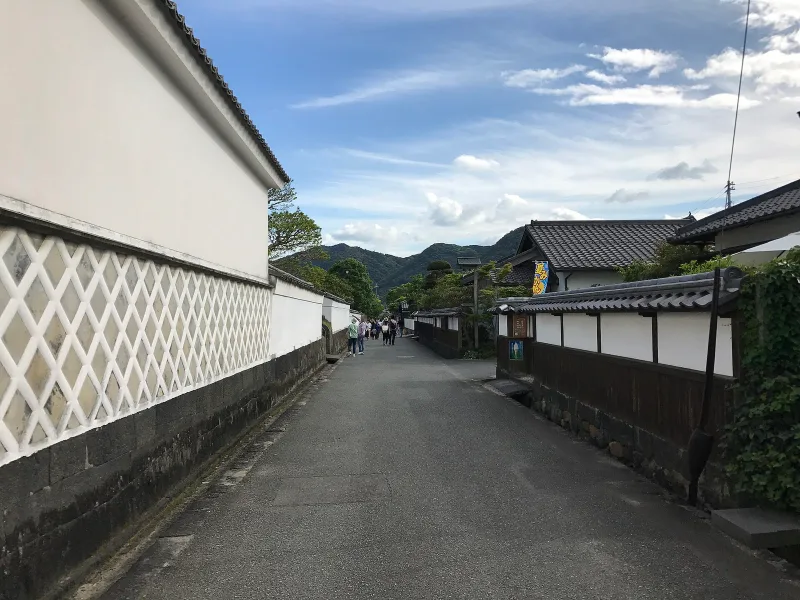
Three lanes, Kikuya, Iseya and Edoya, run between white plaster walls and black-tiled merchant houses, with natsumikan trees over the garden walls. The grid was laid out by the Mori lords in the 1600s and is part of the Meiji Industrial Revolution World Heritage listing as Hagi Castle Town. Kido Takayoshi’s house and Takasugi Shinsaku’s birthplace are on these lanes, and so is the Kikuya residence, the house of merchants to the Hagi domain, built in the early Edo period: five of its buildings are Important Cultural Properties and about a third of the grounds is open, with the garden, 09:00–17:00, last entry 16:45, adult ¥650 (it shuts on 31 December and some Wednesdays in July and August). Walking the lanes is free.
A walk from the Hagi Hakkei tender pier: 1 km, about 15 min each way (our estimate)Full guide: Hagi’s castle-town lanes and the Kikuya residenceHagi Castle ruins and Shizuki Park
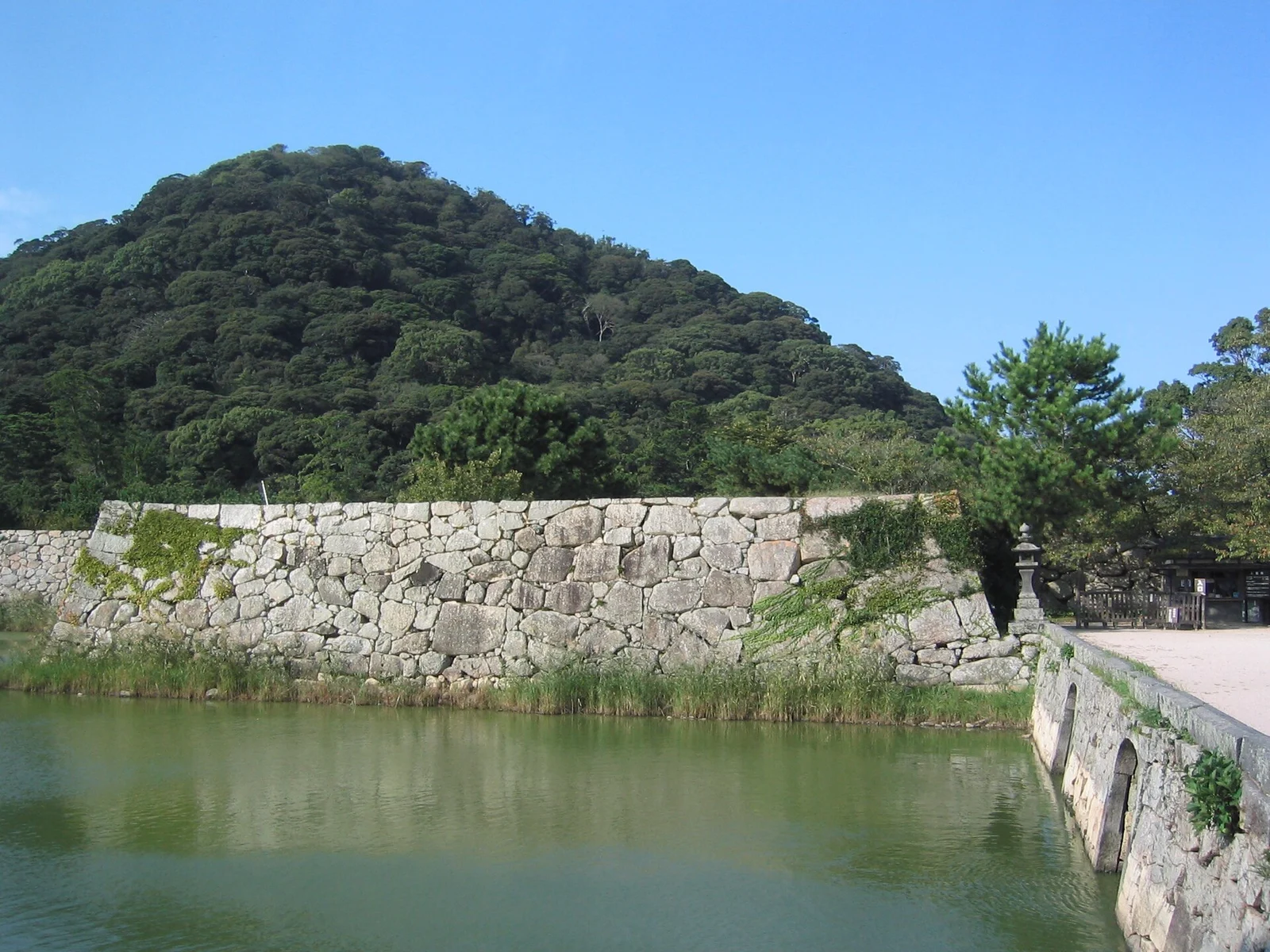
Mori Terumoto built his castle here in 1604, at the foot of Mt Shizuki. The five-storey keep was dismantled in 1874; the stone walls, the base of the keep and part of the moat remain, and the park holds about 600 cherry trees. Apr–Oct 08:00–18:30, Nov–Feb 08:30–16:30, Mar 08:30–18:00, no closing day. Adult ¥220, a ticket shared with the Asa Mori house by the gate.
A walk from the tender pier: 300 m, about 4 minFull guide: Hagi Castle ruins and Shizuki ParkShokasonjuku and Shoin Shrine
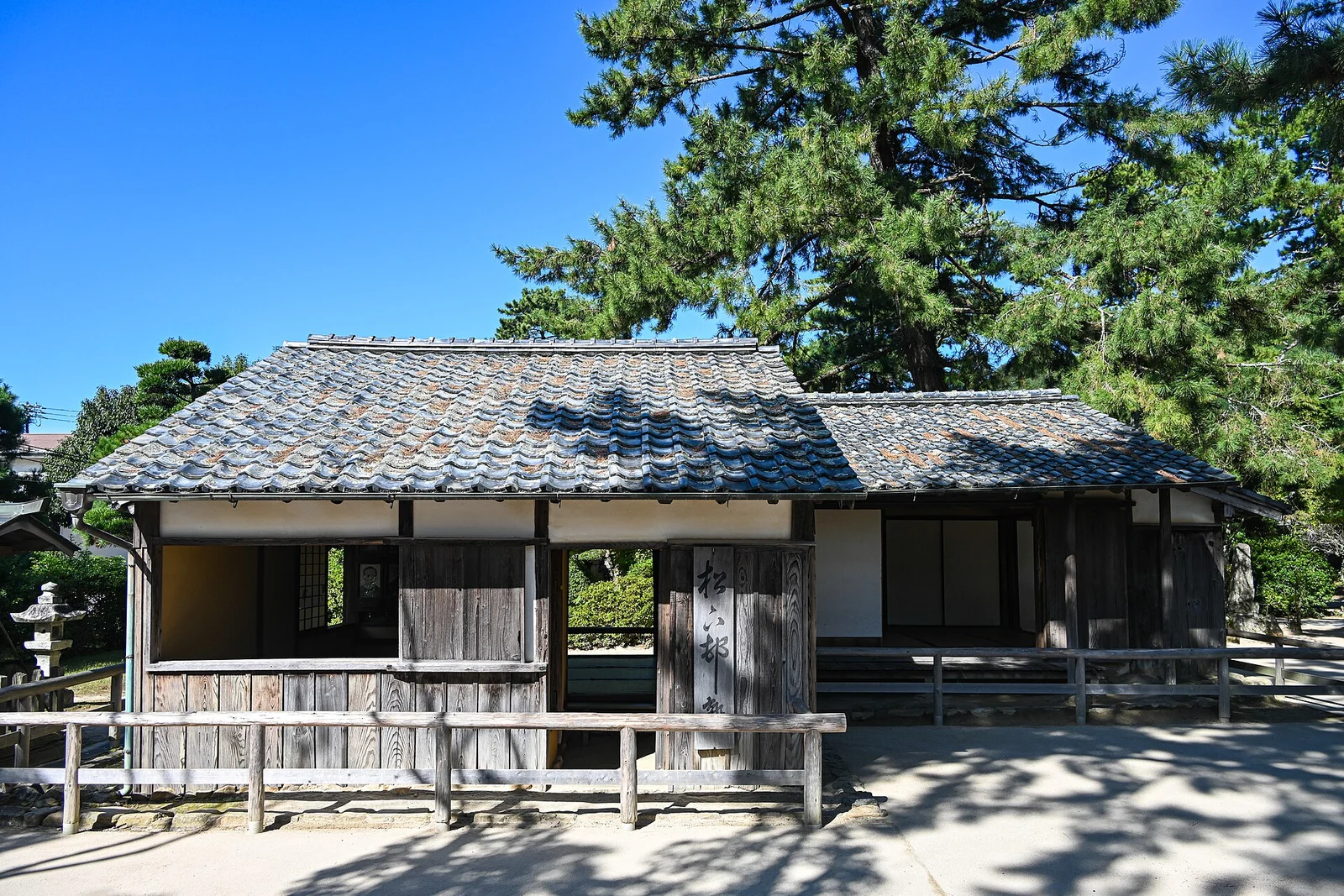
A wooden house of about 50 square metres, one eight-mat room and a later extension, where Yoshida Shoin taught from 1857. Ito Hirobumi, Takasugi Shinsaku and Yamagata Aritomo were among his pupils; the house is part of the Meiji Industrial Revolution World Heritage listing. It stands in the grounds of Shoin Shrine. The grounds are free and always open, and the academy is seen from outside.
Taxi from the tender pier, 3.7 km, about 10 min and ¥1,700 each way (our estimate)Full guide: Shokasonjuku academy and Shoin ShrineThe Hagi Hakkei boat
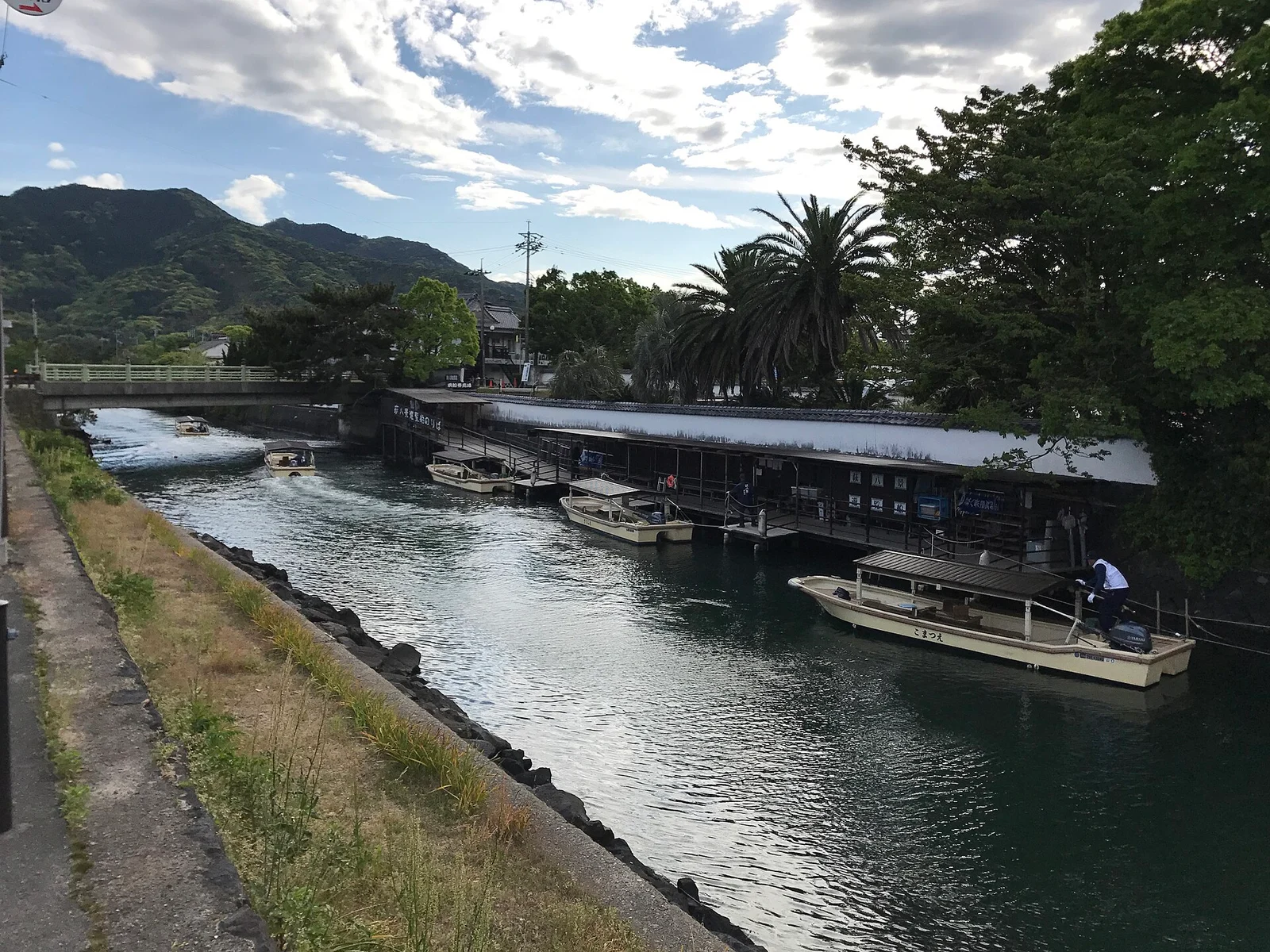
A small roofed boat starts beside the castle ruins and follows the Hashimoto River past the walls of the Horiuchi and Hiyako samurai quarters; in calm weather it goes out to sea off Kikugahama. About 40 minutes, adult ¥1,500. Boats leave when there are passengers, not to a timetable; reception 09:00–16:00, to 15:30 in November. In 2026 it ran from 1 March to 27 December, with no boats in January and February. It stops in bad weather.
A one-minute walk at most: the boat leaves from the pier beside Shizuki Bridge, where the tenders have landedGoogle MapsThe Kido and Takasugi houses
Two houses of men who made the Meiji Restoration, two lanes apart. Kido Takayoshi, also known as Katsura Kogoro, lived in this two-storey house for his first 20 years; volunteer guides are on duty. 09:00–17:00, no closing day, ¥100. Takasugi Shinsaku, who raised the Kiheitai militia, was born just off Kikuya lane: ¥100, 09:00–17:00, closed on irregular days.
A walk: 2 min from the Kikuya residence, about 15 min from the tender pierGoogle MapsEarthen walls and natsumikan by bicycle
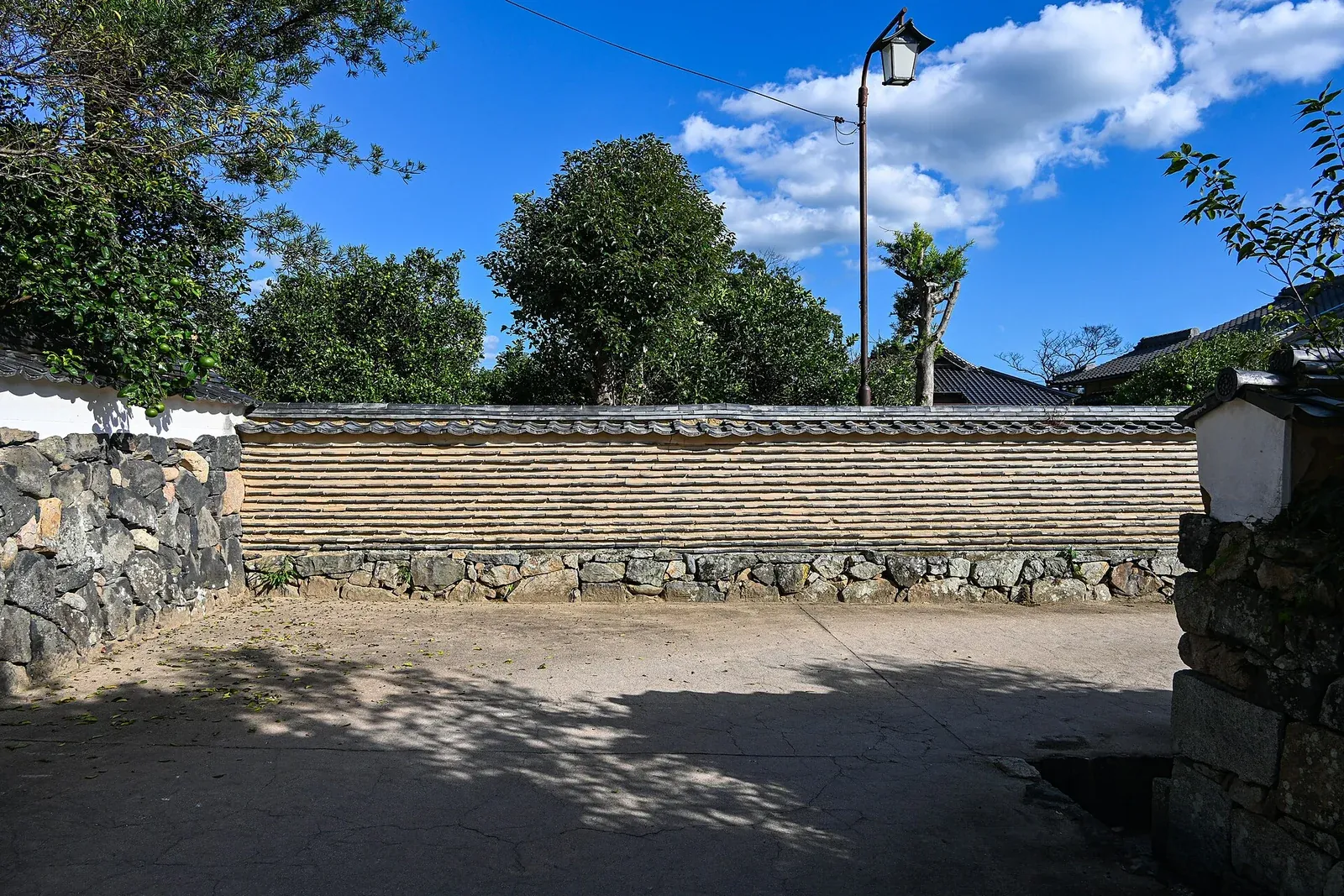
Hagi is flat and its old quarters are a few minutes apart by bicycle. In Horiuchi a lane turns at right angles between high earthen walls, a kaimagari, so that no one can see along it. Natsumikan hang over the walls: samurai families planted them from 1876 after losing their stipends. Blossom is in early to mid May. Kankitsu Park in Hiyako has about 380 citrus trees and is free, 09:00–17:00.
Rental cycles by the castle ruins, a 5-minute walk from the tender pier (open irregularly, ¥300 an hour), or at the tourist office in Hagi Meirin GakushaGoogle MapsHagi-yaki pottery
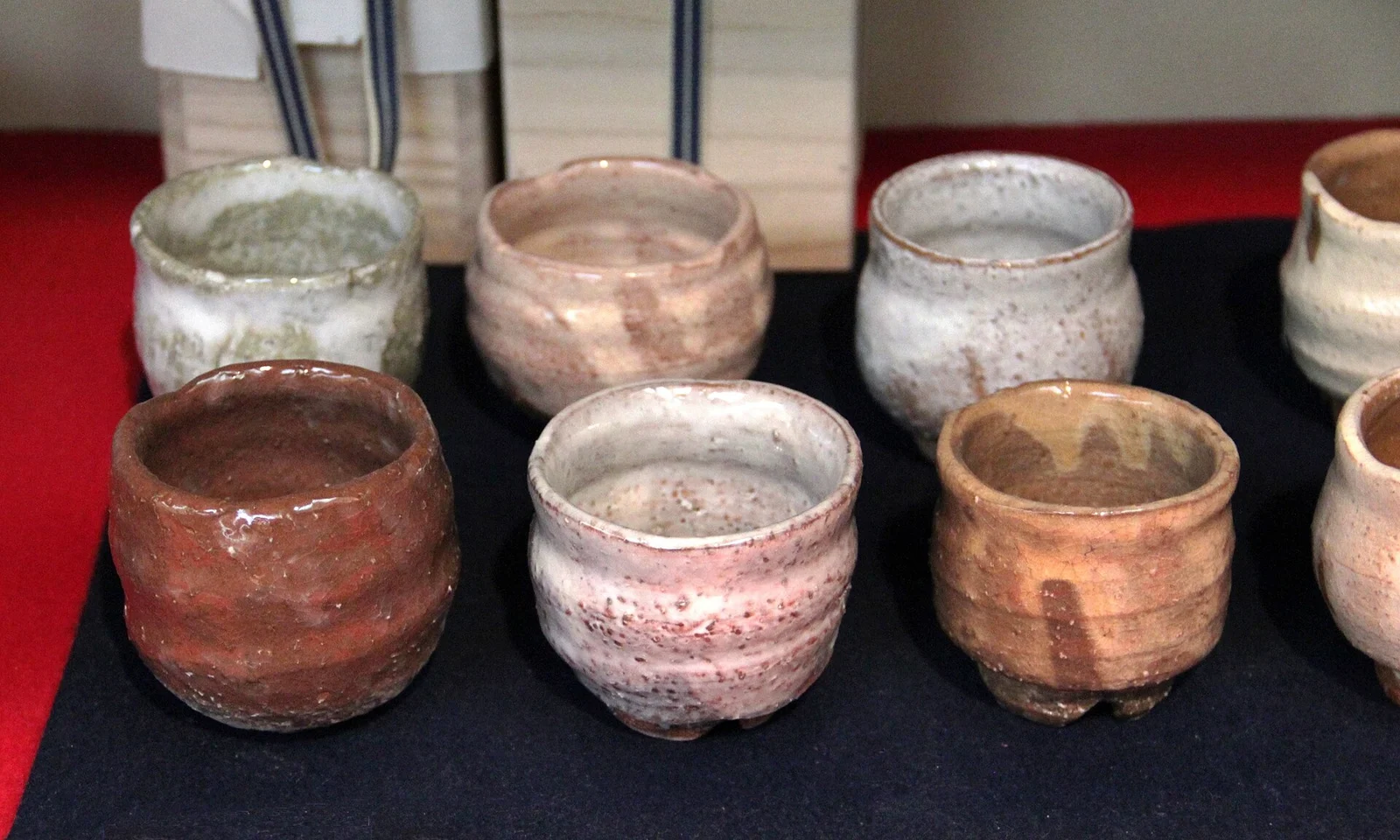
Hagi’s soft, plain stoneware has been made for more than 400 years. It is absorbent: tea seeps into the fine cracks of the glaze and the colour changes with use, which potters call the seven changes of Hagi. The Jozan kiln by the castle ruins lets visitors see its climbing kiln; its shop is open 08:00–17:00. Hagi-yaki Kaikan, near Higashi-Hagi, runs painting sessions from ¥2,200. The Hagi Uragami Museum shows ceramics for ¥400, every day but Monday.
Kiln shops stand by the castle ruins, a 5-minute walk from the tender pierGoogle MapsHagi reverberatory furnace
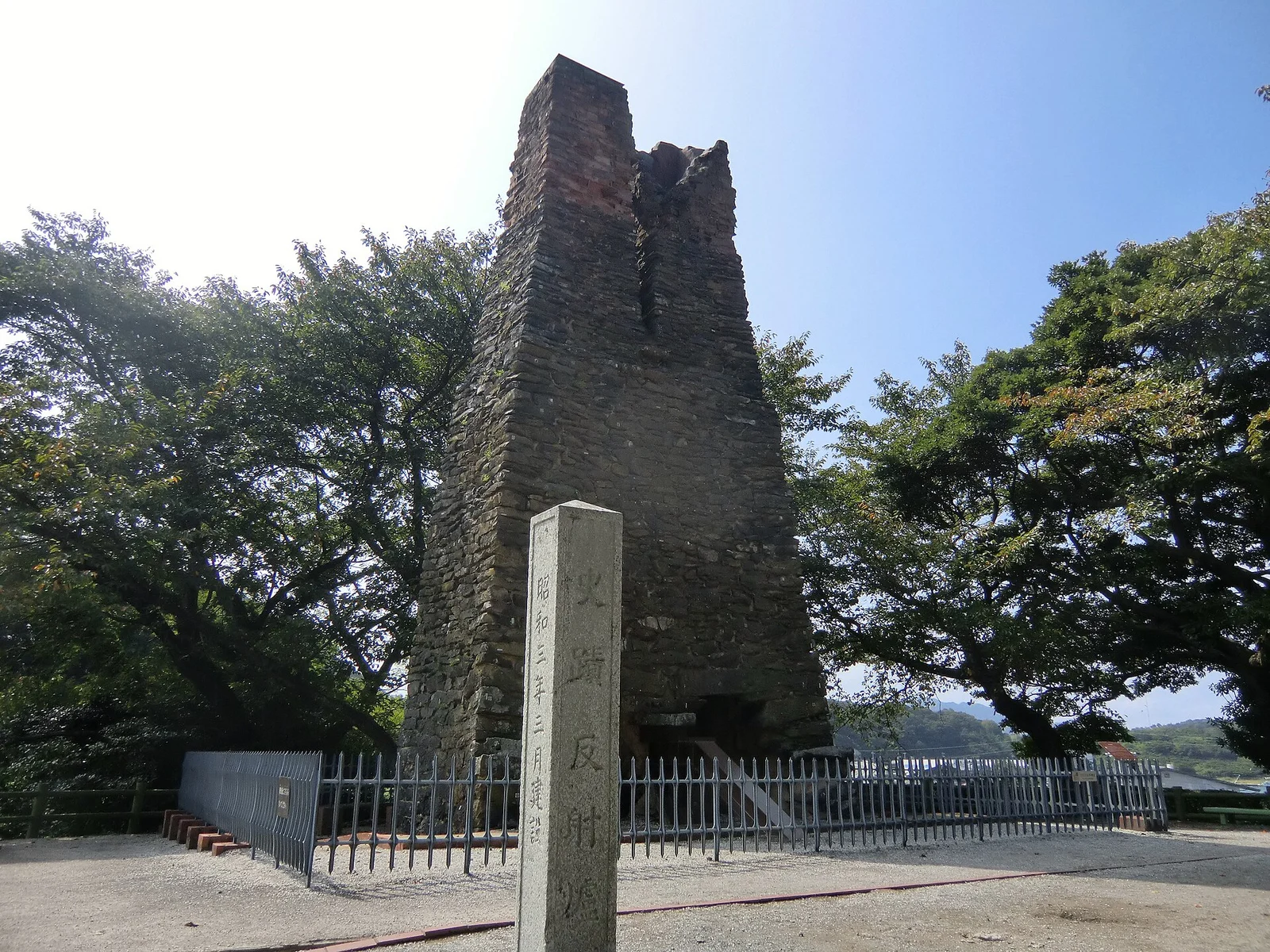
A 10.5 m chimney of stone and brick, built in 1856 from a sketch of Saga’s furnace, when the domain was trying to cast iron cannon. It was a trial that ran only briefly, and it is one of three such furnaces left in Japan. Part of the World Heritage listing. Free and open, with guides 09:00–17:00. Scaffolding stands round it from 8 September 2026 to late February 2027 for a survey.
Taxi from the tender pier, 4.1 km, about 10 min and ¥1,800 each way (our estimate)Google MapsAkiyoshido cave
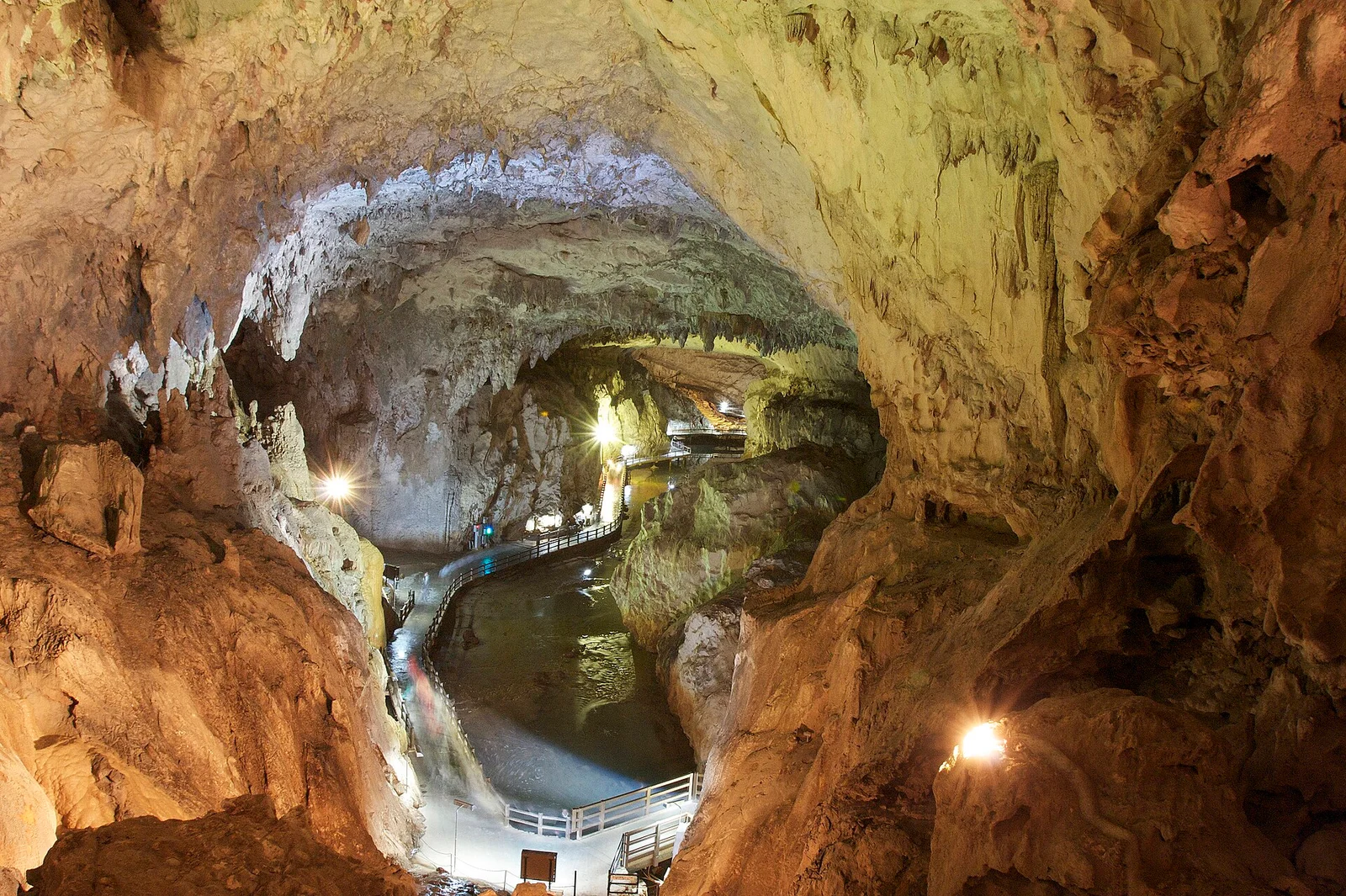
A limestone cave system more than 11 km long, the second longest in Japan, in Mine City. The visitor route is about 1 km at a constant 17°C and takes about an hour. Regular hours 09:00–16:30 (08:30–17:30 at Golden Week, to 17:30 July–September); adult ¥1,600, ¥1,900 at Golden Week and in July–August. It needs a call of eight hours or more; a metered taxi is about ¥13,100 each way, by our estimate.
Car or the ship’s tour: about 36 km, about 50 min each way from the castle town (our estimate). No taxi is confirmed waiting: book the car before the callGoogle Maps