
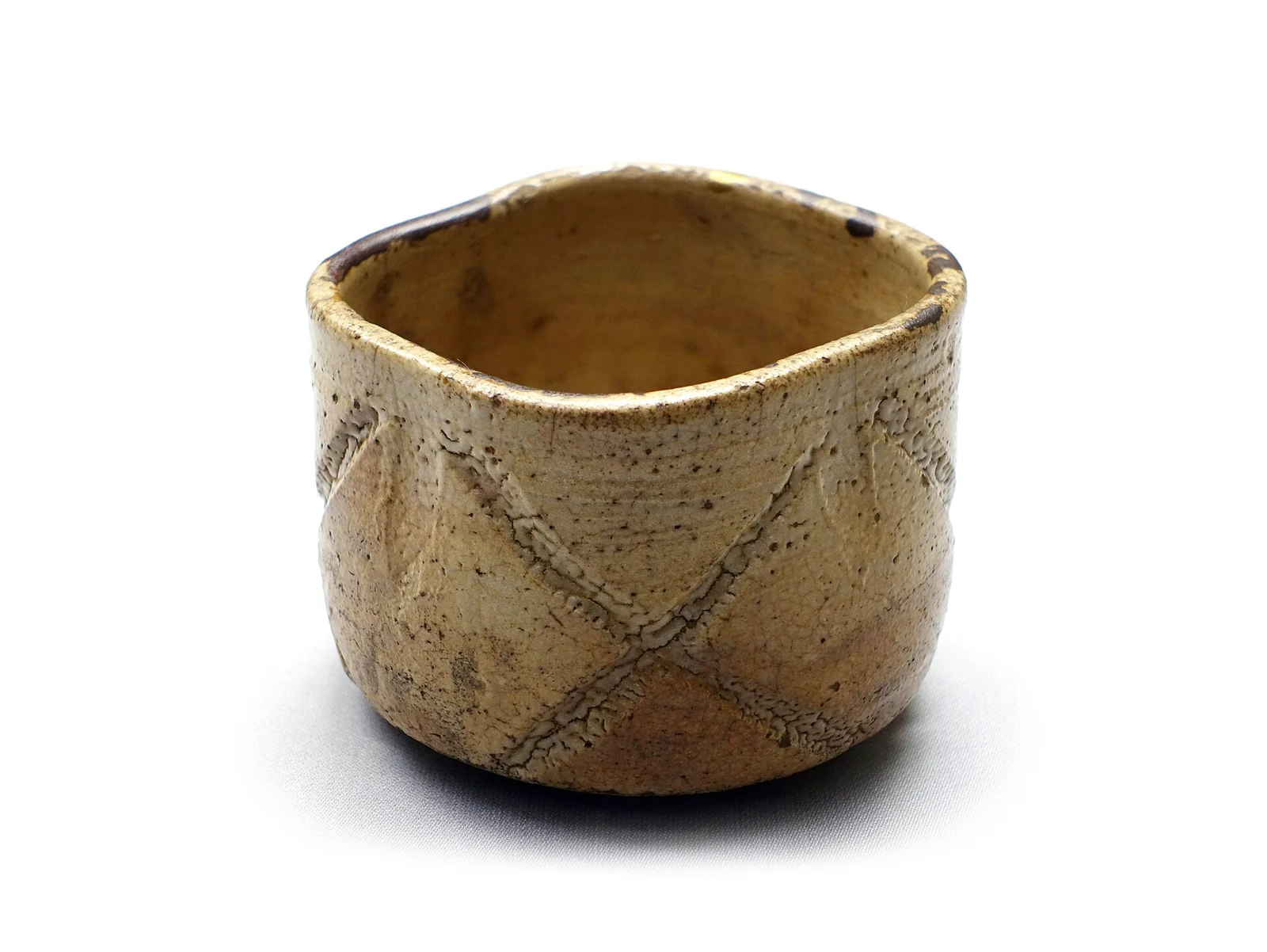
Karatsu warePhoto: Daderot / CC0
Checked · Researched, not yet visited · times from official timetables and our estimates · Takumi Yamada
Stoneware fired around Karatsu since the early Edo period, from everyday dishes to tea bowls, and long valued for tea. In the Machida district by the station, the Nakazato Taroemon family’s Otea-wangama kiln site is free to look at. Kilns and galleries across the city sell pieces from cups to tea bowls.
- Short enough to be certain of: 1 hr 30 min door to door.
- 1 hr 30 min door to door needs a 3.5-hour call: a 2–3 hour stop cannot hold it. Pick something closer instead.
Where the 1 hr 30 min goes
The hour before all-aboard is not in this bar; it is already set aside. The minutes are our estimates from timetables and maps, not timed on the ground.
If your ship is late, cut the 1 hr 10 min in the middle. Never cut the hour at the end.
What to put beside it
Each of these still lands you back aboard with the hour to spare.
 2 hr 30 min for both
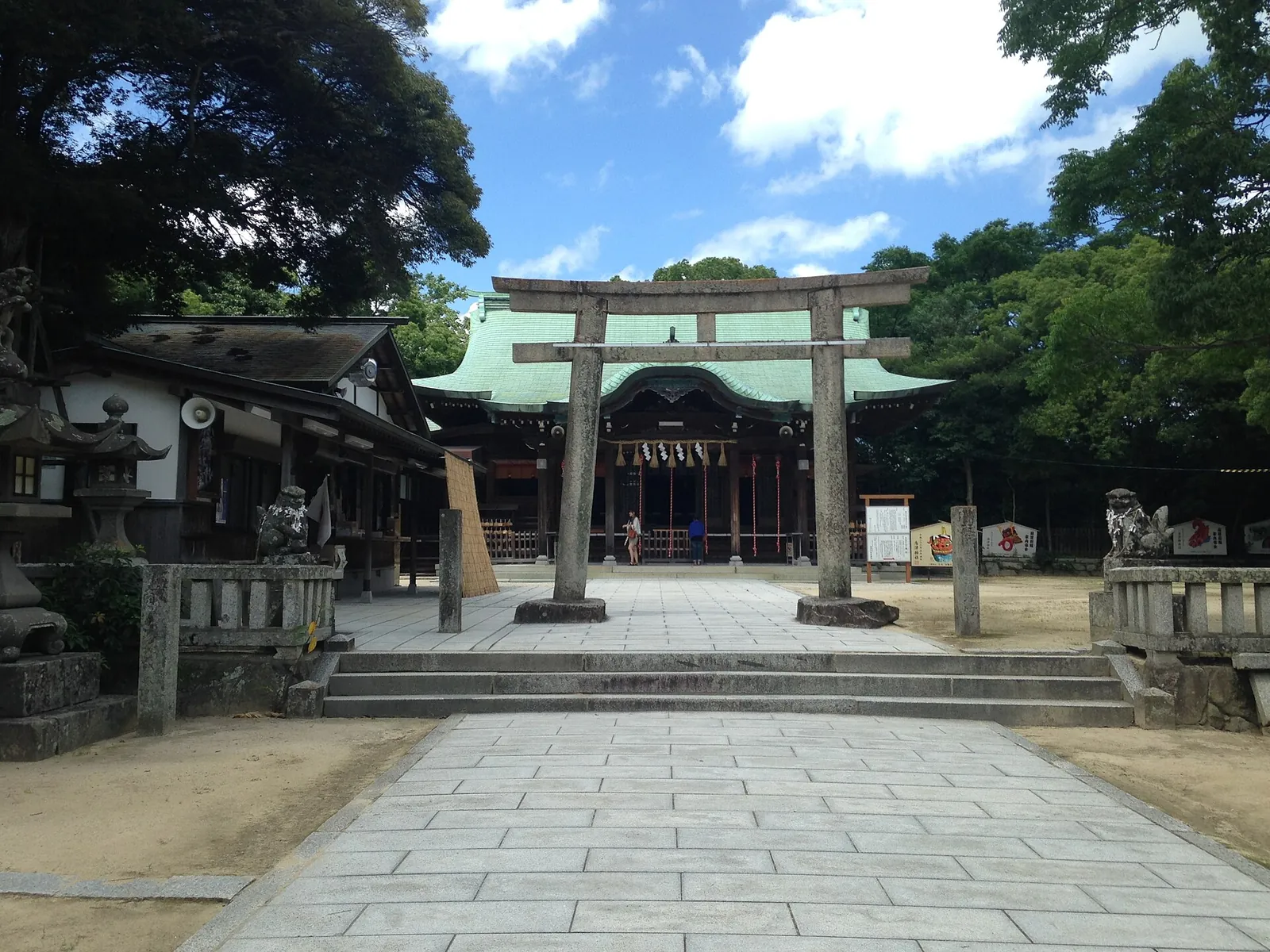
Karatsu Jinja
The town’s shrine, said to date from the Nara period, and the home of the Kunchi festival: every November the 14 floats escort its portable shrine through the streets.
See the detail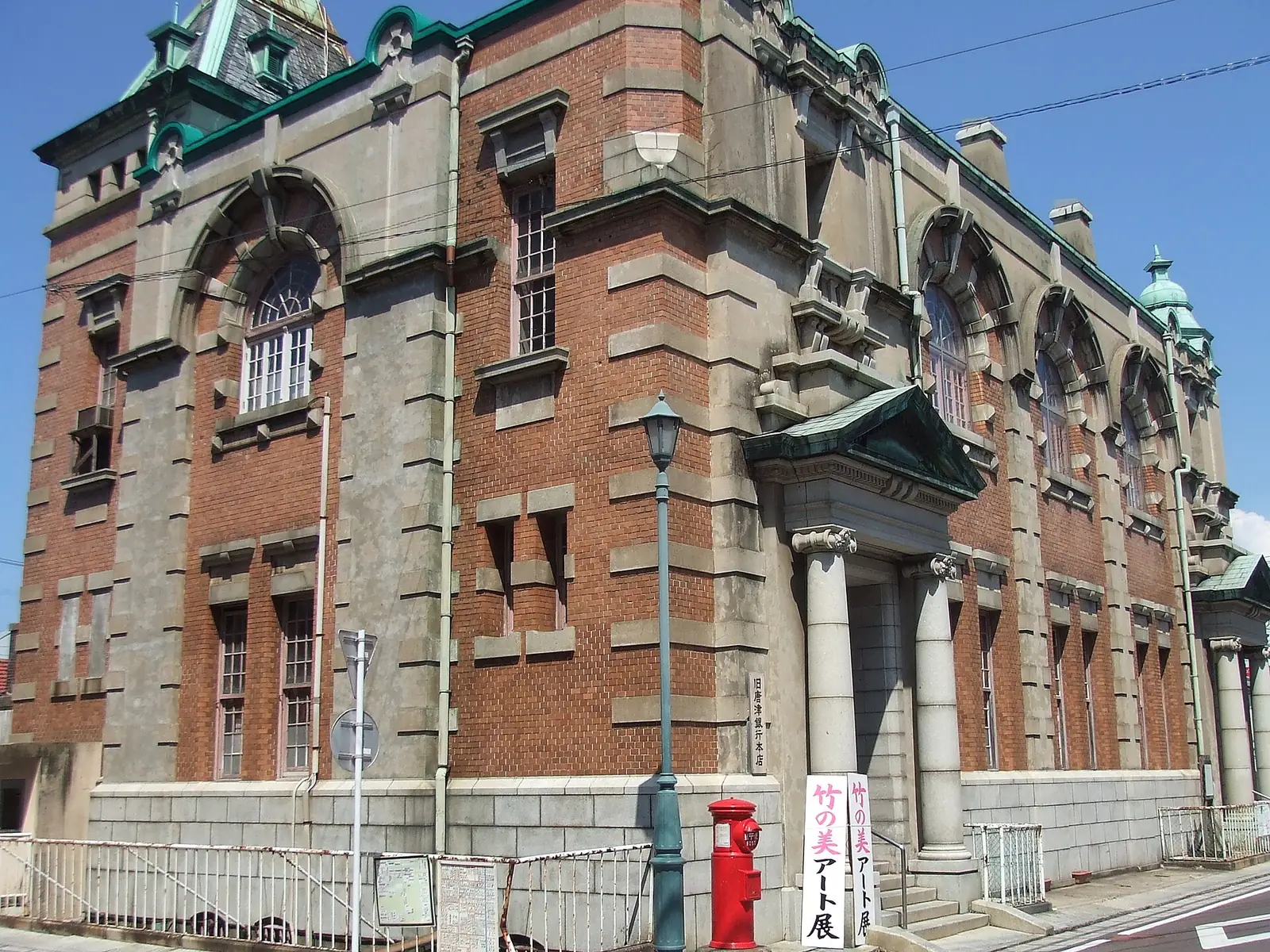 2 hr 30 min for both
Former Karatsu Bank
The red-brick head office of the Karatsu Bank, finished in March 1912 in the Tatsuno style, red brick banded with white granite under small towers and domes.
See the detail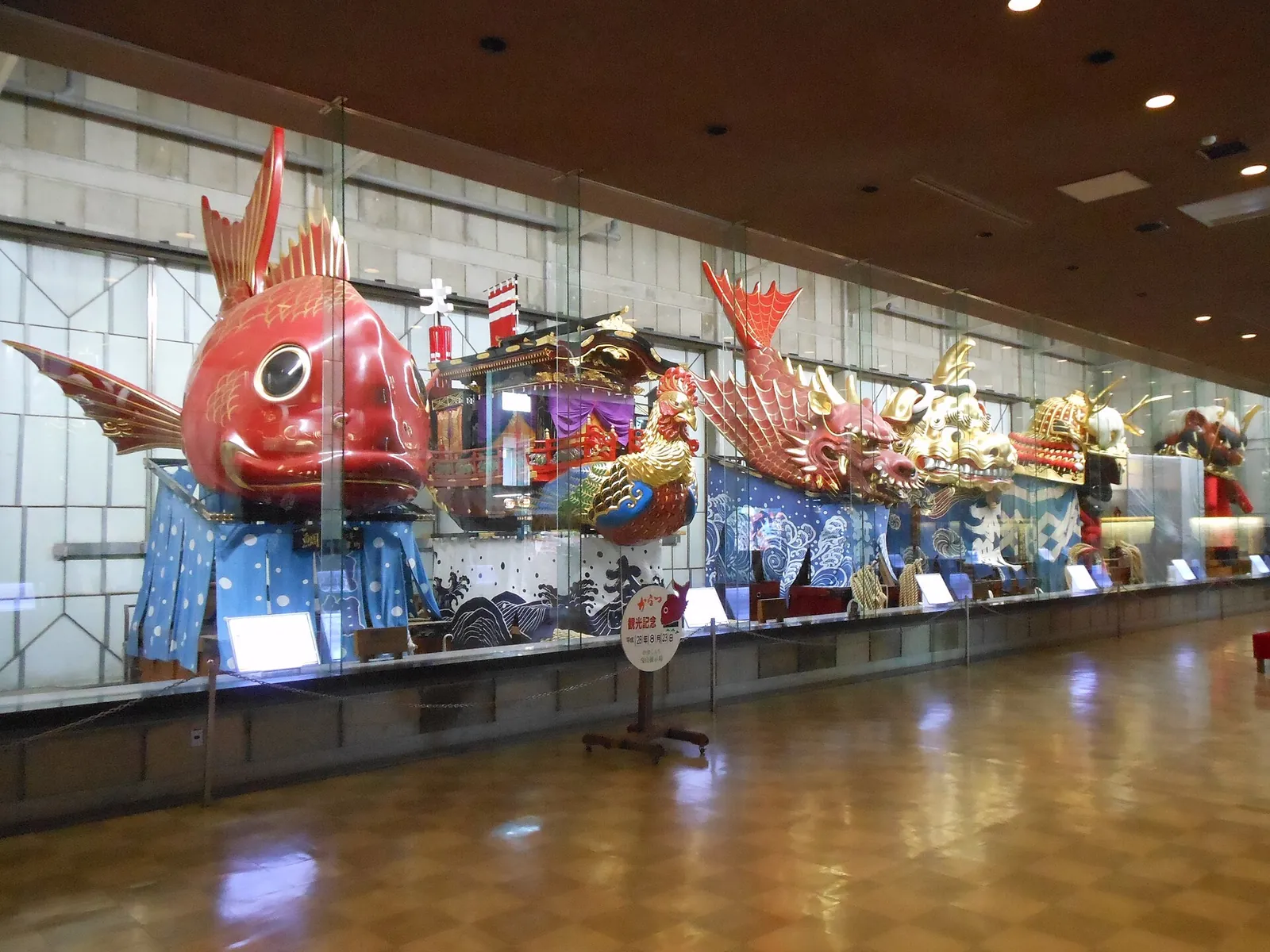 3 hr for both
The 14 Kunchi floats
The giant lacquered floats of the Karatsu Kunchi festival, lions and samurai helmets among them, all 14 under one roof; the oldest, the red lion, was made in 1819.
See the detail