PORT OF JAPAN
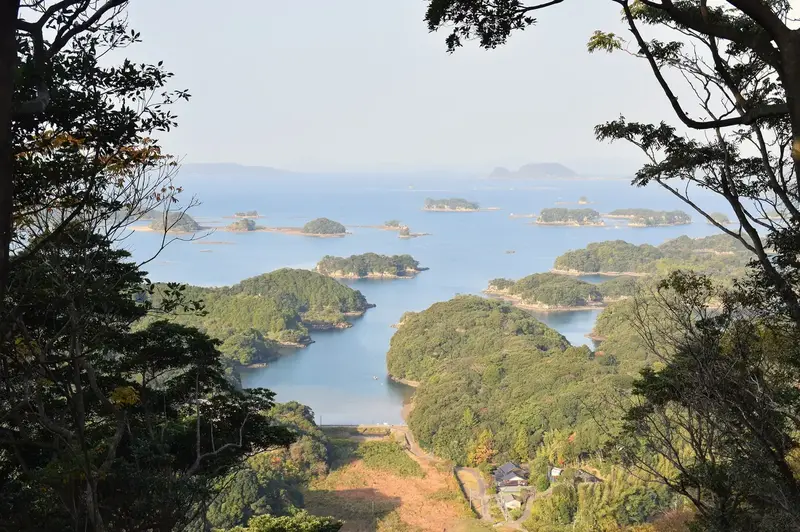
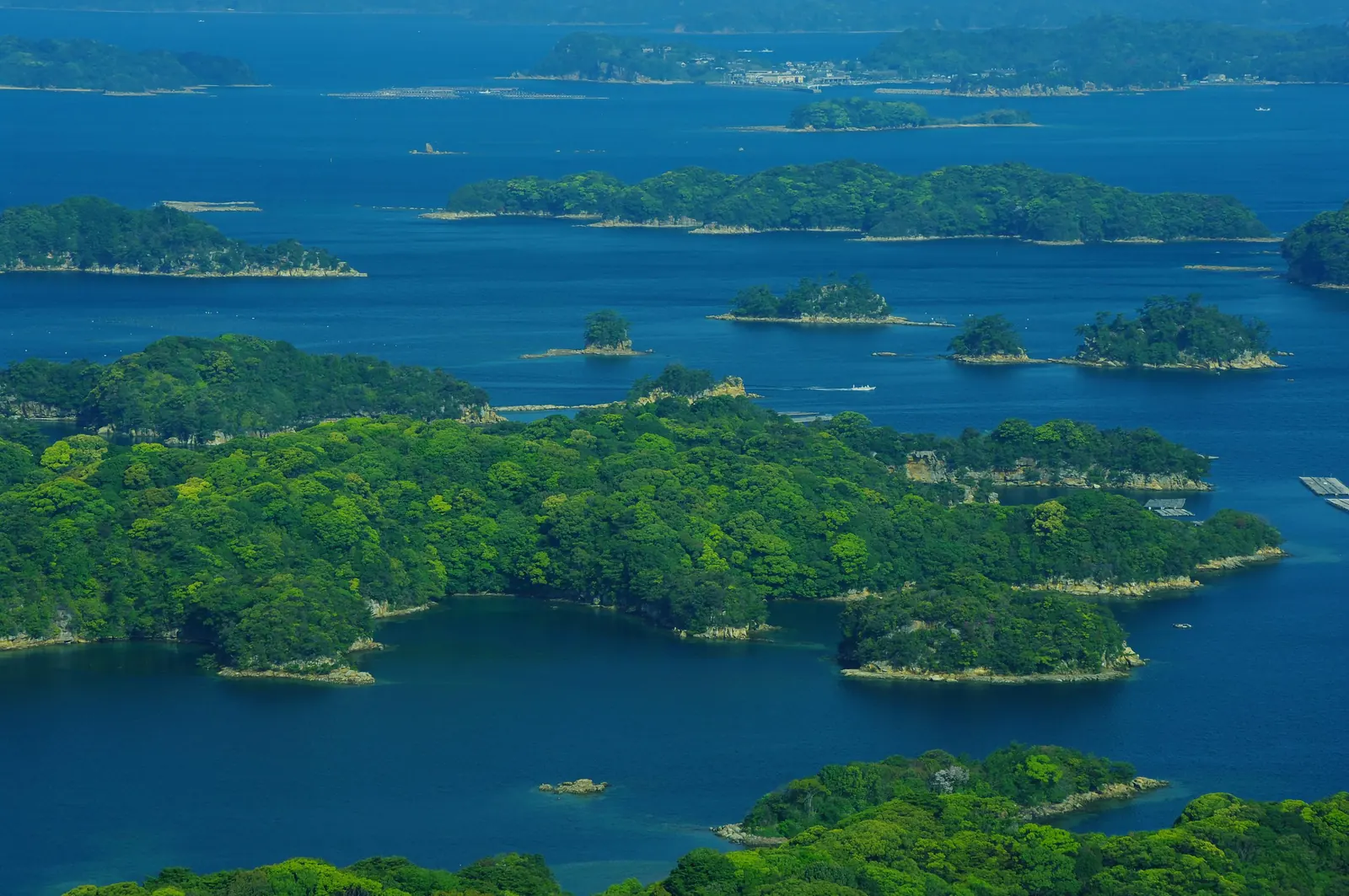
The wooded islands of Kujukushima seen from above

Home / Ports / Sasebo / Culture

Culture & history · Sasebo

Why Sasebo is Sasebo

The things that happened here and only here, told properly, then tied to what you can see, taste and book while your ship waits.

Photo: Raita Futo from Tokyo, Japan / CC BY 2.0
What Sasebo is

Sasebo in 5 stories

Sasebo is a navy town, a fishing village of 4,000 when the Imperial Navy chose its deep sheltered harbour in the 1880s, and home to two navies today. It is known for Kujukushima, a drowned coastline of 208 islands north of the harbour mouth, and for the Sasebo burger, which the US Navy brought around 1950. Most ships tie up at Miura, five minutes' walk from the station and eight from a kilometre of covered arcade.

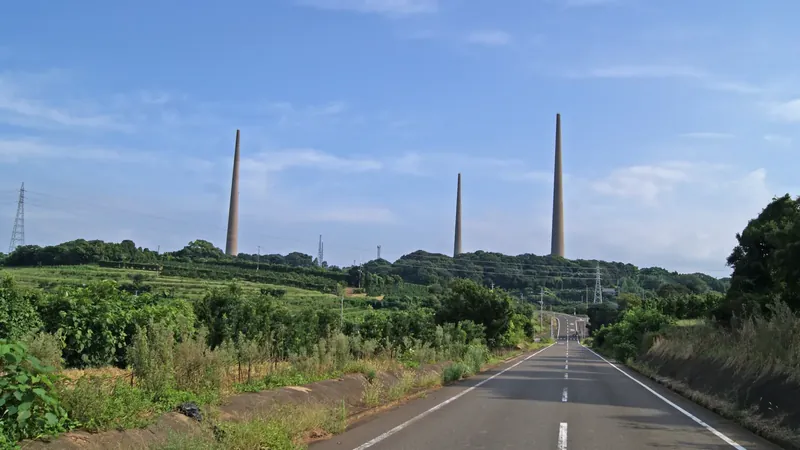
The Hario radio towers at Sasebo
01 · The history

A village that became a fleet

Sasebo was a fishing village of about four thousand people when the Imperial Navy chose its harbour in the 1880s — deep, sheltered, and pointing at the Asian mainland. Within a generation it was one of Japan’s four naval districts, and it has been a navy town ever since, for two different navies.

Read the story →
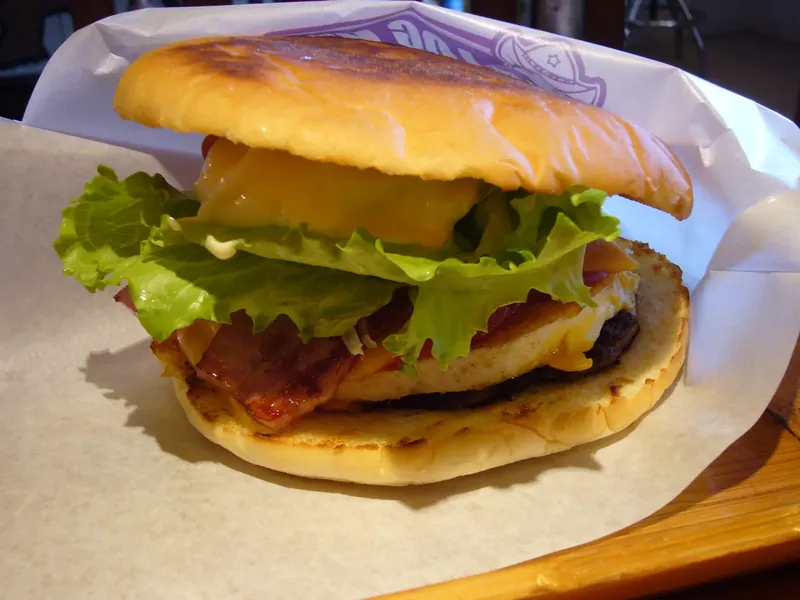
A Sasebo burger
02 · The burger

A definition, not a recipe

There is no Sasebo burger recipe. There is a definition: made after the customer has ordered, by a Sasebo business, with fresh raw vegetables and the shop’s own sauce. Everything else is up to the shop — which is why dozens of certified places all produce something different, and why arguing about which is best is a local sport.

Read the story →
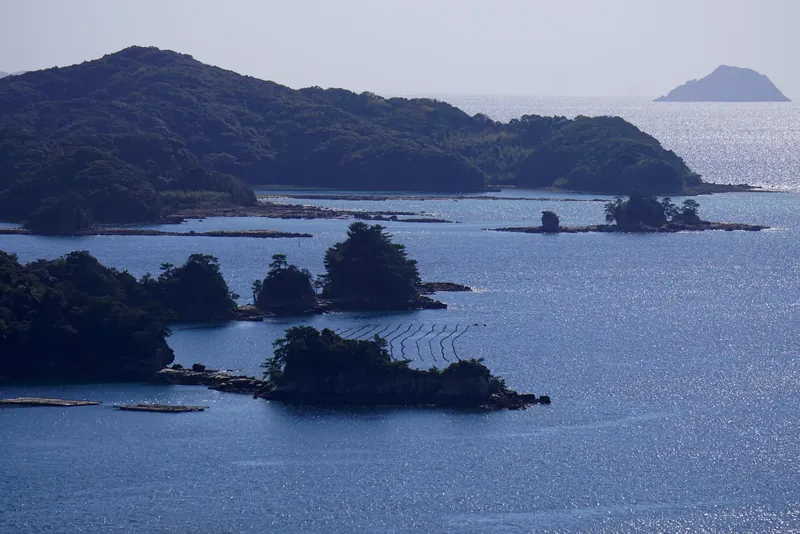
The wooded islets of Kujukushima from the air
03 · The islands

Two hundred and eight

Kujukushima means "ninety-nine islands," which in older Japanese was a way of saying "too many to count." The actual figure is 208 — the densest cluster of islands anywhere in Japan, in about twenty-five kilometres of water, and only four of them have anyone living on them.

Read the story →
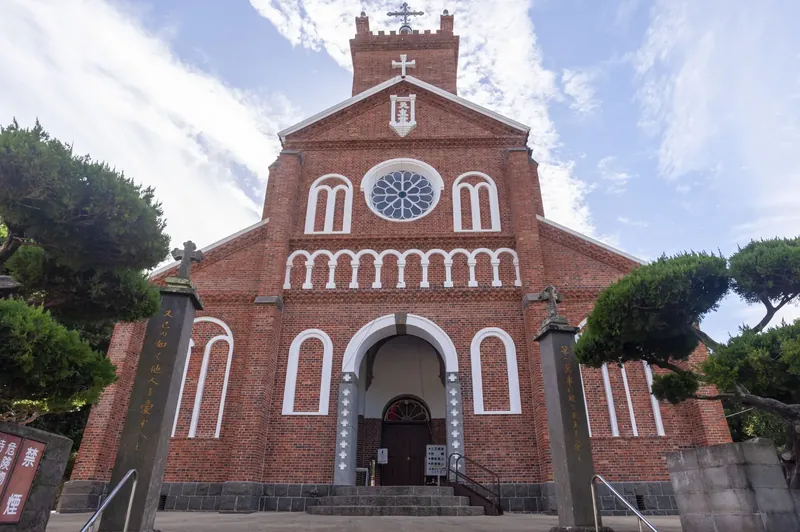
Kuroshima Church, a brick church on an island near Sasebo
04 · The faith

The island that kept it

Christianity was banned in Japan in 1614 and the penalty was death. On small islands off this coast, families kept practising in secret for two hundred and fifty years, without priests, disguising prayers as Buddhist chants. When the ban lifted they came out — and on Kuroshima they built a church out of around four hundred thousand bricks they made themselves.

Read the story →
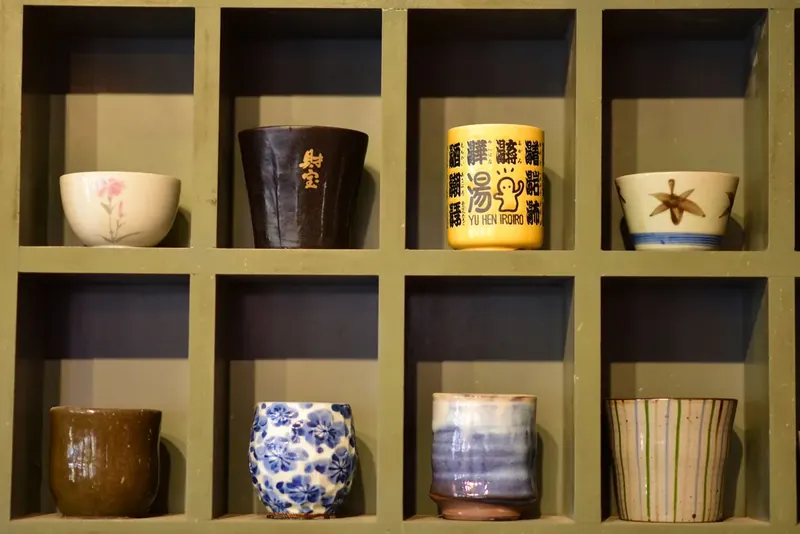
Blue-and-white porcelain on a shelf
05 · The kilns

Mikawachi

In the hills behind this port, potters have made blue-and-white porcelain since the early 1600s. The founders were Korean, brought to Japan by force after the invasions of the 1590s. The ware became the private product of the Hirado domain, and its signature is a group of playing children whose number tells you the grade.

Read the story →
The year in Sasebo

When to come, and what you'll find

Cruise seasons run spring to autumn, but the port changes underneath them.

MarchMild, and the flowers go in

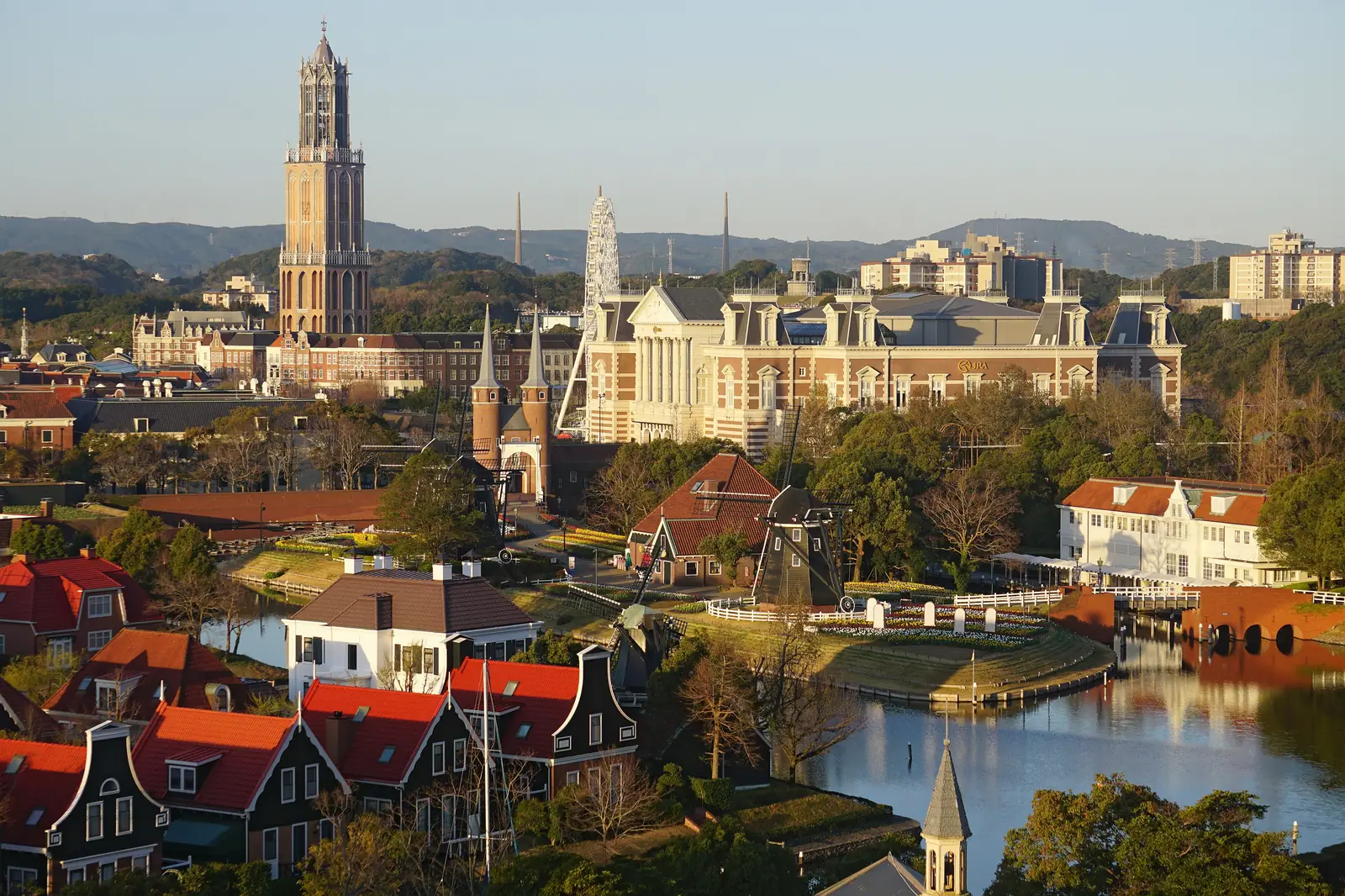
Tenkaiho’s rape blossom, and Huis Ten Bosch begins its tulip season.

AprilTulips, and the best light

A million tulips at Huis Ten Bosch. Comfortable everywhere else.

MayGreen and calm

The island boats are at their most pleasant and the water is flat.

JuneRainy season, and it rains hard

The arcade is a kilometre of cover. This is a rain-proof port.

JulyHot and humid

The boat is the comfortable option; the viewpoints are not.

AugustTyphoon season begins

Kyushu is exposed and sailings cancel. Check rather than assume.

SeptemberThe typhoon peak

The highest-risk month here. The arcade always works.

OctoberCosmos at Tenkaiho

150,000 of them below the viewpoint. The best month of the year.

NovemberOyster huts open

Kaki-goya along the shore. Cheap, communal and the best meal in the port.

Dec–FebMild, and oysters all winter

Kyushu rarely freezes, and the illumination at Huis Ten Bosch runs through it.

Read the culture, then plan the clock: the Sasebo day plans and the Top 10 turn all of this into a day that ends at the gangway with an hour to spare.