First Japanese port: immigration on the dayIsland Sky arrives from Ulsan, so Shimonoseki is where you enter Japan
Japan checks every foreign passenger in person at the first Japanese port, before anyone goes ashore: a passport check and fingerprints. No official time is published for it, so plan the start of the day around the queue.
Before any tourLeave the first hours freeThe only official figure is from Hakata in 2015: ships of 1,000+ passengers took about 85 minutes once the cruise permit was in use. If you book a guide, say this is your ship’s first Japanese port and agree a start time with margin.
Landing permitCarry it ashore all dayForeign passengers on approved ships usually enter on a Cruise Landing Permission (船舶観光上陸許可) and receive a landing permit. The law requires holders to carry it at all times instead of the passport; passengers landed normally carry their passport.
CustomsLeave fruit and meat on boardMost fruit, vegetables and meat products may not be brought into Japan; the penalty can be up to three years’ imprisonment or a ¥3 million fine. Declaration forms are given out on board: follow your cruise line’s instructions.
Sources: Immigration Services Agency of Japan (Immigration Control Act, Art. 14-2 and 23), Japan Customs, Ministry of Agriculture, Forestry and Fisheries. Checked 25 October 2026. Our guide to the first Japanese port
At the pier, before you set off
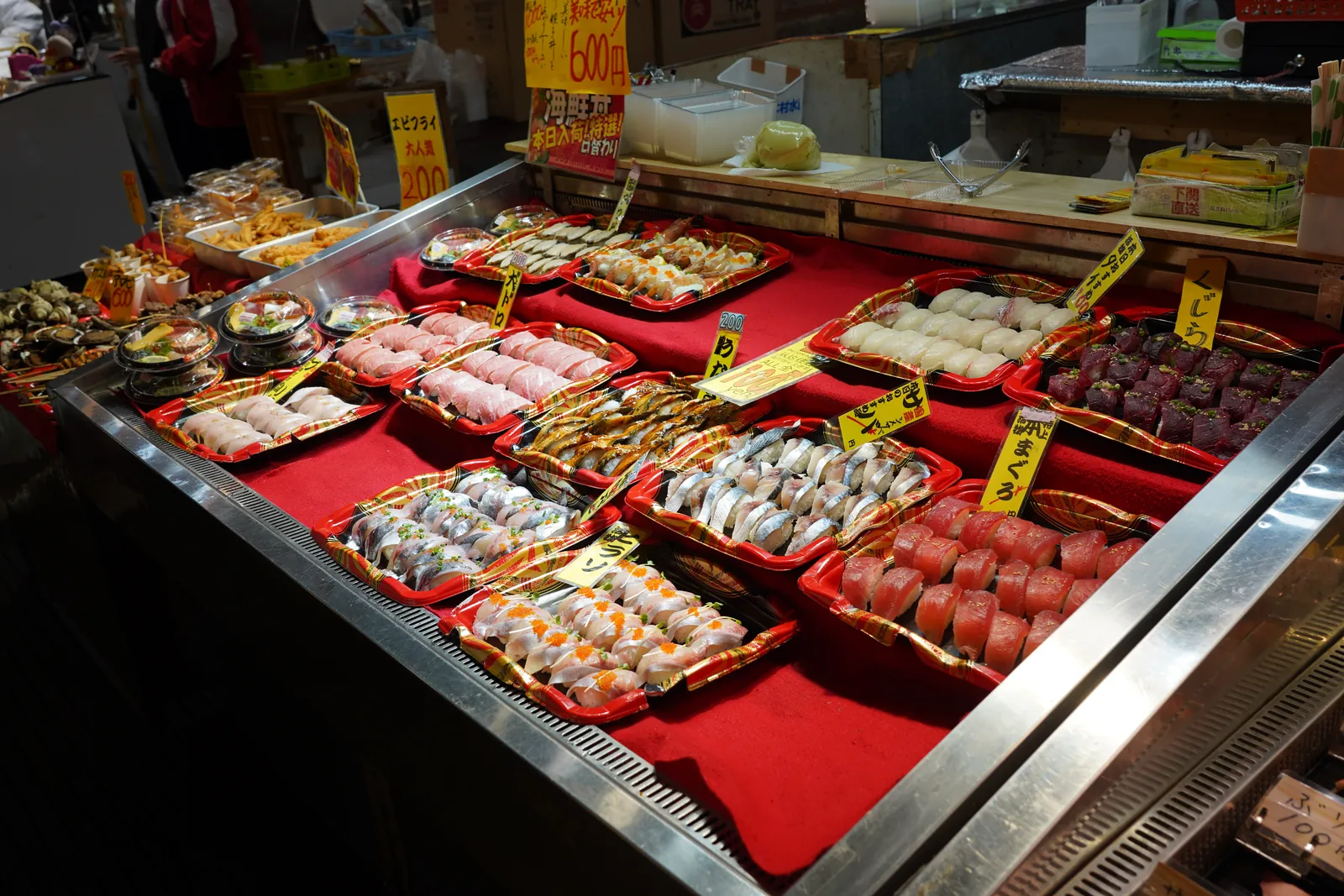
Cash and ATMsOur sources list no ATM or exchange at either berth. Carry yen for the market stalls and the ferry (¥400). Sanden buses take nimoca and the nationwide IC cards, Suica, PASMO and ICOCA among them, and you can top up on board.
Wi-Fi and dataNo port Wi-Fi is published. Buy an eSIM before sailing.
Steps and slopesArcaport to Karato Market is a flat 1 km along the waterfront. The Kanmon tunnel has lifts at both ends. Choshu Dejima needs a taxi for everything.

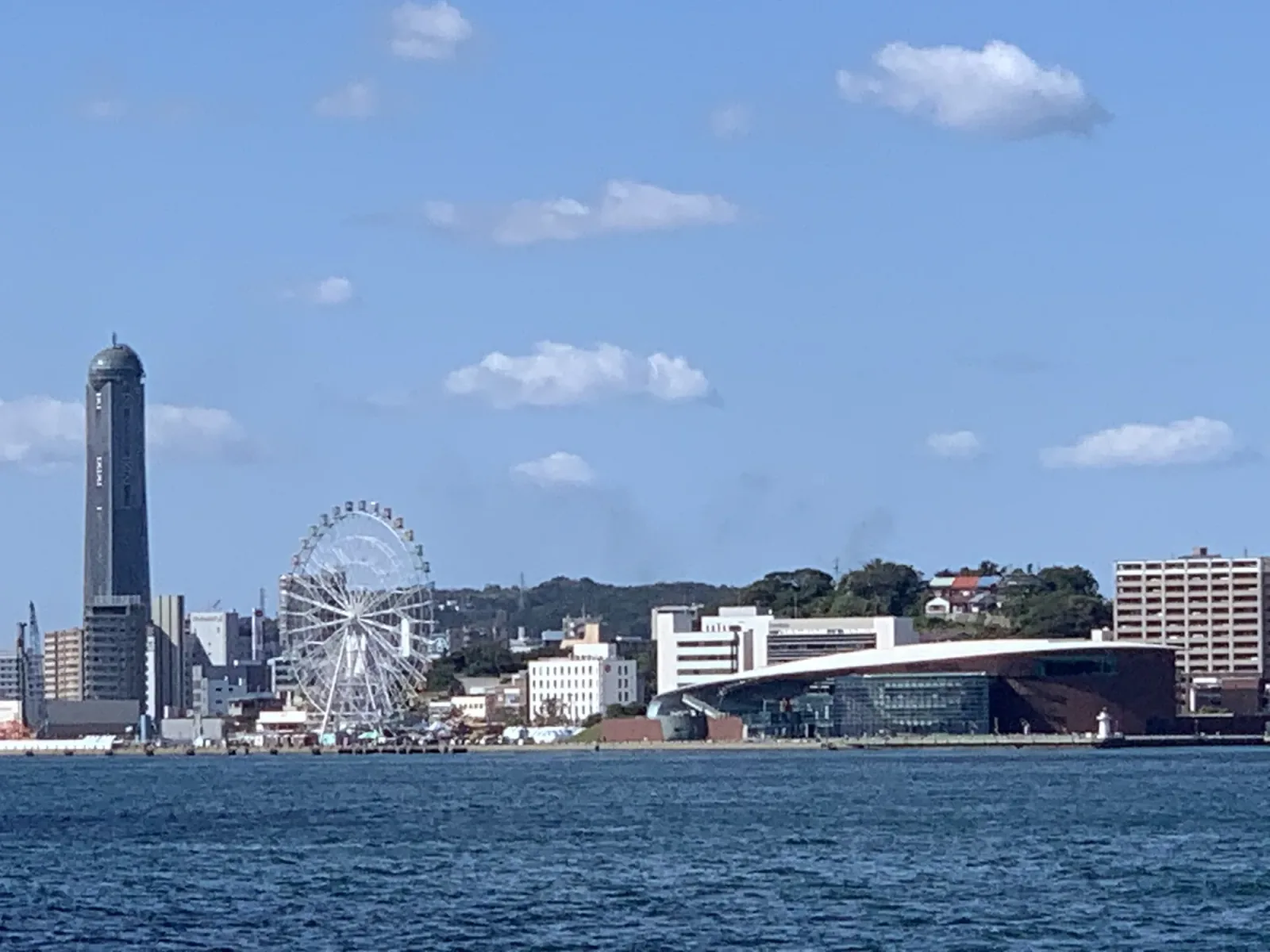
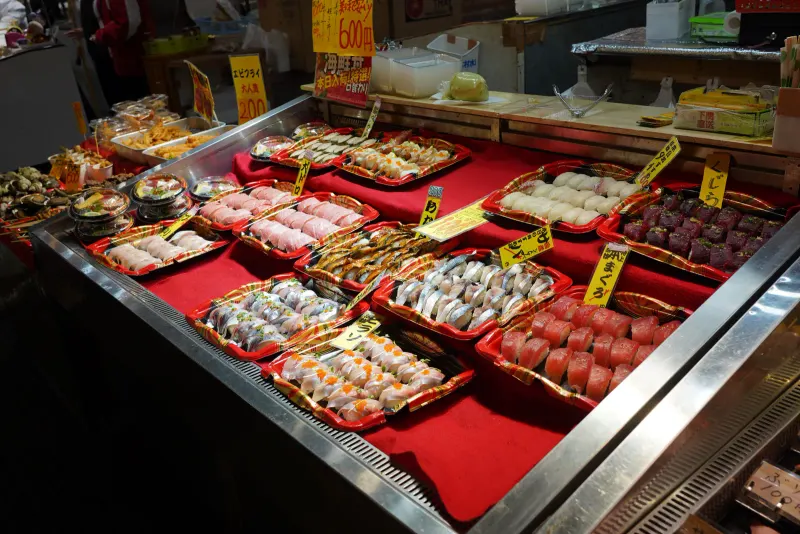 0:00Walk from Arcaport to Karato Market (about 15 min, our estimate)
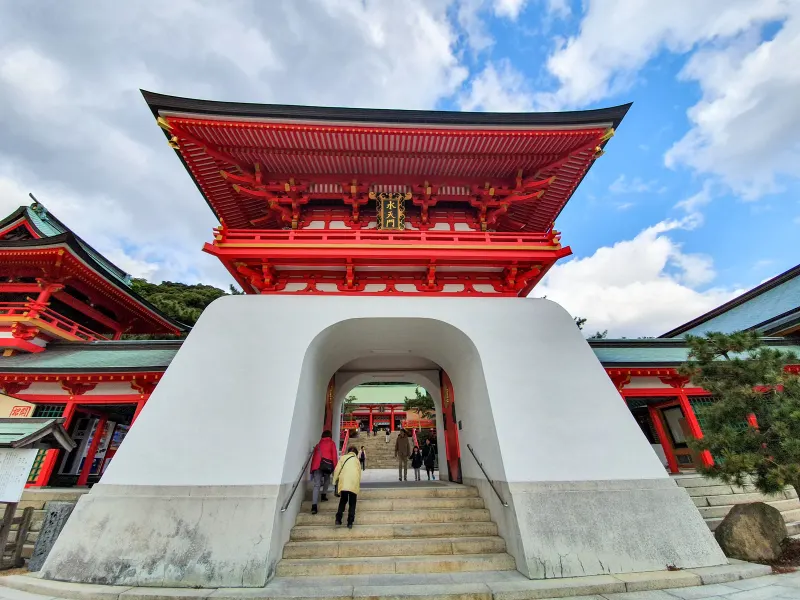 0:45Walk to Akama Jingu (7 min)
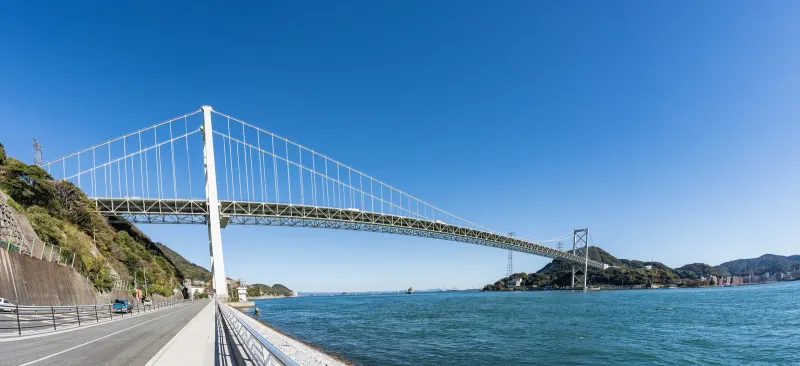 1:15Walk east along the strait to Mimosusogawa (1.1 km, about 15 min, our estimate)
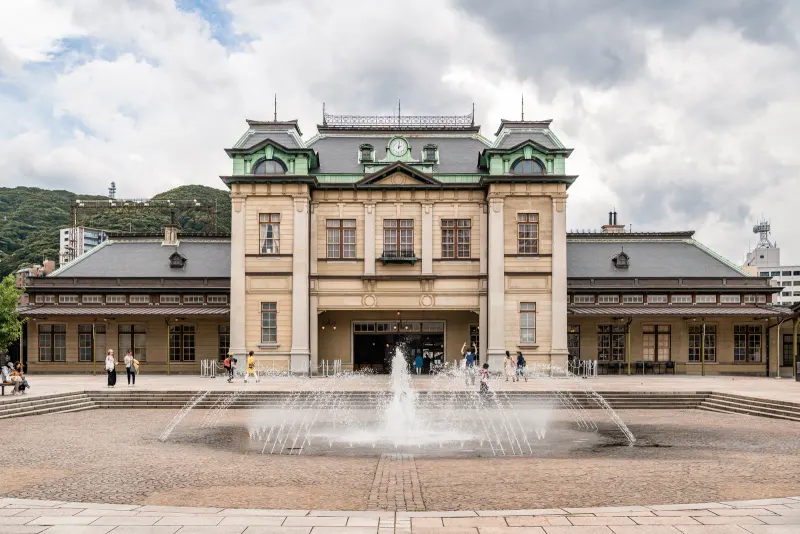 2:25Mojiko Retro: JR Mojiko Station and the harbour